

Summary of Product Characteristics (SmPC) - Shingrix suspension for injection in Pre-filled syringe
1 NAME OF THE MEDICINAL PRODUCT
Shingrix suspension for injection in pre-filled syringe
Herpes zoster vaccine (recombinant, adjuvanted)
2 QUALITATIVE AND QUANTITATIVE COMPOSITION
One dose (0.5 mL) contains:
Varicella Zoster Virus1 glycoprotein E antigen2,3 50 micrograms
1 Varicella Zoster Virus = VZV
2 adjuvanted with AS01B containing:
plant extract Quillaja saponaria Molina, fraction 21 (QS-21) 50 micrograms
3-O-desacyl-4’-monophosphoryl lipid A (MPL) from Salmonella minnesota 50 micrograms 3 glycoprotein E (gE) produced in Chinese Hamster Ovary (CHO) cells by recombinant DNA technology
Excipients with known effect
Each dose contains 0.08 milligrams of polysorbate 80 (E 433) (see section 4.4).
For the full list of excipients, see section 6.1.
3 PHARMACEUTICAL FORM
Suspension for injection (injection)
The suspension is an opalescent, colourless to pale brownish liquid.
4 CLINICAL PARTICULARS
4.1 Therapeutic indications
Shingrix is indicated for prevention of herpes zoster (HZ) and post-herpetic neuralgia (PHN), in:
- adults 50 years of age or older;
- adults 18 years of age or older at increased risk of HZ.
The use of Shingrix should be in accordance with official recommendations.
4.2 Posology and method of administration
Posology
The primary vaccination schedule consists of two doses of 0.5 mL each: an initial dose followed by a second dose 2 months later.
If flexibility in the vaccination schedule is necessary, the second dose can be administered between 2 and 6 months after the first dose (see section 5.1).
For subjects who are or might become immunodeficient or immunosuppressed due to disease or therapy, and whom would benefit from a shorter vaccination schedule, the second dose can be given 1 to 2 months after the initial dose (see section 5.1).
The need for booster doses following the primary vaccination schedule has not been established (see section 5.1).
Shingrix can be given with the same schedule in individuals previously vaccinated with live attenuated HZ vaccine (see section 5.1).
Shingrix is not indicated for prevention of primary varicella infection (chickenpox).
Paediatric population
The safety and efficacy of Shingrix in children and adolescents have not been established.
No data are available.
Method of administration
For intramuscular injection only, preferably in the deltoid muscle.
For instructions on the handling of the vaccine before administration, see section 6.6.
4.3 Contraindications
Hypersensitivity to the active substances or to any of the excipients listed in section 6.1.
4.4 Special warnings and precautions for use
Traceability
In order to improve the traceability of biological medicinal products, the name and the batch number of the administered product should be clearly recorded.
Prior to immunisation
As with all injectable vaccines, appropriate medical treatment and supervision should always be readily available in case of an anaphylactic event following the administration of the vaccine.
As with other vaccines, vaccination with Shingrix should be postponed in subjects suffering from an acute severe febrile illness. However, the presence of a minor infection, such as a cold, should not result in the deferral of vaccination.
As with any vaccine, a protective immune response may not be elicited in all vaccinees.
The vaccine is for prophylactic use only and is not intended for treatment of established clinical disease.
Shingrix should not be administered intravascularly or intradermally.
Subcutaneous administration is not recommended.
Maladministration via the subcutaneous route may lead to an increase in transient local reactions.
Shingrix should be given with caution to individuals with thrombocytopenia or any coagulation disorder since bleeding may occur following intramuscular administration to these subjects.
Syncope (fainting) can occur following, or even before, any vaccination as a psychogenic response to the needle injection. This can be accompanied by several neurological signs such as transient visual disturbance, paraesthesia and tonic-clonic limb movements during recovery. It is important that procedures are in place to avoid injury from faints.
There are no safety, immunogenicity or efficacy data to support replacing a dose of Shingrix with a dose of another HZ vaccine.
Excipients with known effect
Polysorbate 80
This medicinal product contains 0.08 mg of polysorbate 80 per dose. Polysorbates may cause allergic reactions.
Sodium
This medicinal product contains less than 1 mmol sodium (23 mg) per dose, that is to say essentially ‘sodium-free’.
Potassium
This medicinal product contains potassium, less than 1 mmol (39 mg) per dose, i.e. essentially ‘potassium-free’.
4.5 Interaction with other medicinal products and other forms of interaction
Shingrix can be given concomitantly with seasonal influenza vaccine (inactivated, unadjuvanted), 23-valent pneumococcal polysaccharide vaccine (PPV23), 13-valent pneumococcal conjugate vaccine (PCV13), reduced antigen
diphtheria-tetanus-acellular pertussis vaccine (dTpa), coronavirus disease 2019 (COVID-19) messenger ribonucleic acid (mRNA) vaccine or respiratory syncytial virus (RSV) vaccine (recombinant, adjuvanted). The vaccines should be administered at different injection sites.
The adverse reactions of fever and shivering were more frequent when PPV23 vaccine was co-administered with Shingrix (16% and 21%, respectively) compared to when Shingrix was given alone (7% for both adverse reactions).
In adults aged 50 years and above, systemic adverse reactions that are very commonly reported (see Table 1; such as myalgia 32.9%, fatigue 32.2%, and headache 26.3%), and arthralgia, uncommonly reported, following administration of Shingrix alone were reported with increased frequency when Shingrix was co-administered with a COVID-19 mRNA vaccine (myalgia 64%, fatigue 51.7%, headache 39%, arthralgia 30.3%).
Concomitant administration of Shingrix with other vaccines than those listed above has not been studied.
4.6 Fertility, pregnancy and lactation
Pregnancy
There are no data from the use of Shingrix in pregnant women. Animal studies do not indicate direct or indirect harmful effects with respect to pregnancy, embryonal/foetal development, parturition or post-natal development (see section 5.3).
As a precautionary measure, it is preferable to avoid the use of Shingrix during pregnancy.
Breast-feeding
The effect on breast-fed infants of administration of Shingrix to their mothers has not been studied.
It is unknown whether Shingrix is excreted in human milk.
Fertility
Animal studies do not indicate direct or indirect effects with respect to fertility in males or females (see section 5.3).
4.7 Effects on ability to drive and use machines
Shingrix may have a minor influence on the ability to drive and use machines in the 2-3 days following vaccination. Fatigue and malaise may occur following administration (see section 4.8).
4.8 Undesirable effects
Summary of the safety profile
In adults aged 50 years and above, the most frequently reported adverse reactions were pain at the injection site (68.1% overall/dose; 3.8% severe/dose), myalgia (32.9% overall/dose; 2.9% severe/dose), fatigue (32.2% overall/dose; 3.0% severe/dose) and headache (26.3% overall/dose; 1.9% severe/dose). Most of these reactions were not long-lasting (median duration of 2 to 3 days). Reactions reported as severe lasted 1 to 2 days.
In adults ≥ 18 years of age who are immunodeficient or immunosuppressed due to disease or therapy (referred to as immunocompromised (IC)), the safety profile was consistent with that observed in adults 50 years and above. There are limited data in adults aged 18-49 years at increased risk of HZ who are not IC.
Overall, there was a higher incidence of some adverse reactions in younger age groups:
- studies in IC adults ≥ 18 years of age (pooled analysis): the incidence of pain at the injection site, fatigue, myalgia, headache, shivering and fever was higher in adults aged 18-49 years compared to those aged 50 years and above.
- studies in adults ≥ 50 years of age (pooled analysis): the incidence of myalgia, fatigue, headache, shivering, fever and gastrointestinal symptoms was higher in adults aged 50-69 years compared to those aged 70 years and above.
Tabulated list of adverse reactions
The safety profile presented below is based on a pooled analysis of data generated in placebo-controlled clinical studies on 5 887 adults 50-69 years of age and 8 758 adults ≥ 70 years of age. Of these 14 645 adults, 7 408 were included in a long-term follow-up extension study over a follow-up period of approximately 11 years after vaccination.
In clinical studies in IC adults ≥ 18 years of age (1 587 subjects) the safety profile is consistent with the data presented in Table 1 below.
Adverse reactions reported during post-marketing surveillance are also tabulated below.
Adverse reactions reported are listed according to the following frequency:
Very common (≥ 1/10)
Common (≥ 1/100 to < 1/10)
Uncommon (≥ 1/1 000 to < 1/100)
Rare (≥ 1/10 000 to < 1/1 000)
Very rare (< 1/10 000)
Within each frequency grouping the adverse reactions are reported in the order of decreasing seriousness.
Table 1: Adverse reactions
| System Organ Class1 | Frequency | Adverse reactions |
| Blood and lymphatic system disorders | Uncommon | lymphadenopathy |
| Immune system disorders | Rare | hypersensitivity reactions including rash, urticaria, angioedema2 |
| Nervous system disorders | Very common | headache |
| Very rare | Guillain-Barré syndrome3 | |
| Gastrointestinal disorders | Very common | gastrointestinal symptoms (including nausea, vomiting, diarrhoea and/or abdominal pain) |
| Musculoskeletal and connective tissue disorders | Very common | myalgia |
| Uncommon | arthralgia | |
General disorders and administration site conditions | Very common | injection site reactions (such as pain, redness, swelling), fatigue, chills, fever |
| Common | injection site pruritus, malaise | |
| Uncommon | injection site induration |
1According to MedDRA (medical dictionary for regulatory activities) terminology 2Adverse reactions from spontaneous reporting
3 See ‘Description of selected adverse reactions’
Description of selected adverse reactions
Post-marketing observational studies of the risk of Guillain-Barré syndrome
In 2 similar post-marketing observational studies in the US among individuals aged 65 years or older, an increased risk of Guillain-Barré syndrome (estimated 3 to 7 excess cases per million doses administered) was observed during the 42 days following any dose of Shingrix. In further analyses, the increased risk was observed following the first dose of Shingrix (estimated 6 to 12 excess cases of Guillain-Barré syndrome per million doses administered), but no increased risk was observed following the second dose.
Reporting of suspected adverse reactions
Reporting suspected adverse reactions after authorisation of the medicinal product is important. It allows continued monitoring of the benefit/risk balance of the medicinal product. Healthcare professionals are asked to report any suspected adverse reactions via the Yellow Card Scheme at www.mhra.gov.uk/yellowcard or search for MHRA Yellow Card in the Google Play or Apple App Store.
4.9 Overdose
No case of overdose has been reported.
5 PHARMACOLOGICAL PROPERTIES
5.1 Pharmacodynamic properties
Pharmacotherapeutic group: Vaccines, varicella zoster vaccines, ATC code: J07BK03.
Mechanism of action
By combining the VZV specific antigen (gE) with an adjuvant system (AS01B), Shingrix is designed to induce antigen-specific cellular and humoral immune responses in individuals with pre-existing immunity against VZV.
Non-clinical data show that AS01B induces a local and transient activation of the innate immune system through specific molecular pathways. This facilitates the recruitment and activation of antigen presenting cells carrying gE-derived antigens in the draining lymph node, which in turn leads to the generation of gE-specific CD4+ T cells and antibodies. The adjuvant effect of AS01B is the result of interactions between MPL and QS-21 formulated in liposomes.
Clinical efficacy of Shingrix
Efficacy against Herpes Zoster (HZ) and Post-Herpetic Neuralgia (PHN)
Two phase III, placebo-controlled, observer-blind efficacy studies of Shingrix were conducted in adults ≥ 50 years with 2 doses administered 2 months apart:
- ZOE-50 (Zoster-006): Total Vaccinated Cohort (TVC) of 15 405 adults ≥ 50 years who received at least one dose of either Shingrix (N=7 695) or placebo (N=7 710).
- ZOE-70 (Zoster-022): TVC of 13 900 adults ≥ 70 years who received at least one dose of either Shingrix (N=6 950) or placebo (N=6 950).
The studies were not designed to demonstrate efficacy in subgroups of frail individuals, including those with multiple comorbidities, although these subjects were not excluded from the studies.
Two phase III, placebo-controlled, observer-blind studies evaluating Shingrix efficacy were conducted in IC adults ≥ 18 years with 2 doses administered 1-2 months apart:
Zoster-002: TVC of 1 846 autologous hematopoietic stem cell transplants
(aHSCT) recipients who received at least one dose of either Shingrix (N=922) or placebo (N=924) 50-70 days post-transplant, 21.3% (Shingrix) and 20.5% (placebo) of the subjects received at least one immunosuppressive (IS) treatment (for a duration of at least one day) from HSCT up to 30 days after Dose 2 (TVC). The proportion of subjects by underlying disease was: 53.1% (Shingrix) and 53.4% (placebo) for multiple myeloma (MM) and 46.9% (Shingrix) and 46.6% (placebo) for other diagnosis.
- Zoster-039: TVC of 562 subjects with hematologic malignancies who received at least one dose of either Shingrix (N=283) or placebo (N=279) during a cancer therapy course (37%) or after the full cancer therapy course (63%). The proportion of subjects by underlying disease was: 70.7% (Shingrix) and 71.3% (placebo) for MM and other diseases, 14.5% (Shingrix) and 14.0% (placebo) for non-Hodgkin B-cell lymphoma (NHBCL) and 14.8% (Shingrix) and 14.7% (placebo) for chronic lymphocytic leukaemia (CLL).
These studies were not designed to assess the impact of concomitant use of IS therapy on vaccine efficacy or to assess the impact of specific IS treatments on vaccine efficacy. Most vaccine recipients were not under IS therapy at the time of vaccination (see above). Not all types of IS therapies were used in the populations studied.
Incidence of HZ and PHN cases as well as vaccine efficacy were evaluated in the modified Total Vaccinated Cohort (mTVC), i.e. excluding adults who did not receive the second dose of vaccine or who had a confirmed diagnosis of HZ within one month after the second dose.
Shingrix significantly decreased the incidence of HZ compared with placebo in:
- adults ≥ 50 years (ZOE-50): 6 vs. 210 cases;
- adults ≥ 70 years (pooled analysis of ZOE-50 and ZOE-70): 25 vs. 284 cases;
- adults ≥ 18 years with aHSCT (Zoster-002): 49 vs. 135 cases;
adults ≥ 18 years with hematologic malignancies (Zoster-039): 2 vs. 14 cases.
Vaccine efficacy was calculated post-hoc.
Vaccine efficacy results against HZ are presented in Table 2.
Table 2: Shingrix efficacy against HZ (mTVC)
| Age (years) | Shingrix | Placebo | Vaccine efficacy (%) [95% CI] | ||||
Number of evaluable subjects | Number of HZ cases | Incidence rate per 1 000 person years | Number of evaluable subjects | Number of HZ cases | Incidence rate per 1 000 person years | ||
| ZOE-50* | |||||||
| ≥ 50 | 7 344 | 6 | 0.3 | 7 415 | 210 | 9.1 | 97.2 [93.7; 99.0] |
| 50-59 | 3 492 | 3 | 0.3 | 3 525 | 87 | 7.8 | 96.6 [89.6; 99.4] |
| ≥ 60 | 3 852 | 3 | 0.2 | 3 890 | 123 | 10.2 | 97.6 [92.7; 99.6] |
| 60-69 | 2 141 | 2 | 0.3 | 2 166 | 75 | 10.8 | 97.4 [90.1; 99.7] |
| Pooled ZOE-50 and ZOE-70** | |||||||
| ≥ 70 | 8 250 | 25 | 0.8 | 8 346 | 284 | 9.3 | 91.3 [86.8; 94.5] |
| 70-79 | 6 468 | 19 | 0.8 | 6 554 | 216 | 8.9 | 91.3 [86.0; 94.9] |
| ≥ 80 | 1 782 | 6 | 1.0 | 1 792 | 68 | 11.1 | 91.4 [80.2; 97.0] |
| Zoster-002*** (aHSCT recipients#) | |||||||
| ≥ 18 | 870 | 49 | 30.0 | 851 | 135 | 94.3 | 68.2 [55.5; 77.6] |
| 18-49 | 213 | 9 | 21.5 | 212 | 29 | 76.0 | 71.8 [38.7; 88.3] |
| ≥ 50 | 657 | 40 | 33.0 | 639 | 106 | 100.9 | 67.3 [52.6; 77.9] |
| Zoster-039 (hematologic malignancy patients#) | |||||||
| ≥ 18 | 259 | 2 | 8.5 | 256 | 14 | 66.2 | 87.2**** [44.2; 98.6] |
CI Confidence interval
* Over a median follow-up period of 3.1 years
** Over a median follow-up period of 4.0 years
Data in subjects ≥ 70 years of age are sourced from the pre-specified pooled analyses of ZOE-50 and ZOE-70 (mTVC) as these analyses provide the most robust estimates for vaccine efficacy in this age group.
*** Over a median follow-up period of 21 months
**** VE calculation was performed post-hoc; median follow-up period of 11.1 months
# antiviral prophylaxis in line with the local standard of care was permitted
Approximately 13 000 subjects with underlying medical conditions, including conditions associated with a higher risk of HZ, were enrolled in ZOE-50 and ZOE-70. Post-hoc analysis of efficacy against confirmed HZ undertaken in patients with common conditions (chronic kidney disease, chronic obstructive pulmonary disease, coronary artery disease, depression or diabetes mellitus), indicates that the vaccine efficacy is aligned with the overall HZ efficacy.
Shingrix significantly decreased the incidence of PHN compared with placebo in:
- adults ≥ 50 years (ZOE-50): 0 vs. 18 cases;
- adults ≥ 70 years (pooled analysis of ZOE-50 and ZOE-70): 4 vs. 36 cases;
- adults ≥ 18 years with aHSCT (Zoster-002): 1 vs. 9 cases.
Vaccine efficacy results against PHN are presented in Table 3.
Table 3: Shingrix efficacy against PHN (mTVC)
| Age (years) | Shingrix | Placebo | Vaccine efficacy (%) [95% CI] | ||||
Number of evaluable subjects | Number of PHN* cases | Incidence rate per 1 000 person years | Number of evaluable subjects | Number of PHN* cases | Incidence rate per 1 000 person years | ||
| ZOE-50** | |||||||
| ≥ 50 | 7 340 | 0 | 0.0 | 7 413 | 18 | 0.6 | 100 [77.1; 100] |
| 50-59 | 3 491 | 0 | 0.0 | 3 523 | 8 | 0.6 | 100 [40.8; 100] |
| ≥ 60 | 3 849 | 0 | 0.0 | 3 890 | 10 | 0.7 | 100 [55.2; 100] |
| 60-69 | 2 140 | 0 | 0.0 | 2 166 | 2 | 0.2 | 100§ [< 0; 100] |
| Pooled ZOE-50 and ZOE-70*** | |||||||
| ≥ 70 | 8 250 | 4 | 0.1 | 8 346 | 36 | 1.2 | 88.8 [68.7; 97.1] |
| 70-79 | 6 468 | 2 | 0.1 | 6 554 | 29 | 1.2 | 93.0 [72.4; 99.2] |
| ≥ 80 | 1 782 | 2 | 0.3 | 1 792 | 7 | 1.1 | 71.2§ [< 0; 97.1] |
| Zoster-002**** (aHSCT recipients#) | |||||||
| ≥ 18 | 870 | 1 | 0.5 | 851 | 9 | 4.9 | 89.3 [22.5; 99.8] |
| 18-49 | 213 | 0 | 0.0 | 212 | 1 | 2.2 | 100.0§ [< 0; 100.0] |
| ≥ 50 | 657 | 1 | 0.7 | 639 | 8 | 5.8 | 88.0 [10.4; 99.8] |
* PHN was defined as zoster-associated pain rated as
| ≥ |
3 (on a 0-10 scale), persisting or
appearing more than 90 days after onset of zoster rash using Zoster Brief Pain Inventory (ZBPI)
CI Confidence interval
** Over a median follow-up period of 4.1 years
*** Over a median follow-up period of 4.0 years
Data in subjects ≥ 70 years of age are sourced from the pre-specified pooled analyses of ZOE-50 and ZOE-70 (mTVC) as these analyses provide the most robust estimates for vaccine efficacy in this age group.
**** Over a median follow-up period of 21 months
§ Not statistically significant
# antiviral prophylaxis in line with the local standard of care was permitted
The benefit of Shingrix in the prevention of PHN can be attributed to the effect of the vaccine on the prevention of HZ. A further reduction of PHN incidence in subjects with confirmed HZ could not be demonstrated due to the limited number of HZ cases in the vaccine group.
In the fourth year after vaccination, the efficacy against HZ was 93.1% (95% CI: 81.2; 98.2) and 87.9% (95% CI: 73.3; 95.4) in adults ≥ 50 years (ZOE-50) and adults ≥ 70 years (pooled ZOE-50 and ZOE-70), respectively.
In Zoster-002, during a follow-up period starting 1 month post-dose 2 (i.e. corresponding to approximately 6 months after aHSCT) until 1 year after aHSCT, when the risk for HZ is the highest, the efficacy against HZ was 76.2% (95% CI: 61.1; 86.0).
Efficacy against HZ-related complications other than PHN
The evaluated HZ-related complications (other than PHN) were: HZ vasculitis, disseminated disease, ophthalmic disease, neurologic disease including stroke, and visceral disease. In the pooled analysis of ZOE-50 and ZOE-70, Shingrix significantly reduced these HZ-related complications by 93.7% (95% CI: 59.5; 99.9) and 91.6% (95% CI: 43.3; 99.8) in adults ≥ 50 years (1 vs. 16 cases) and adults ≥ 70 years (1 vs. 12 cases), respectively. No cases of visceral disease or stroke were reported during these studies.
In Zoster-002, Shingrix significantly reduced HZ-related complications by 77.8% (95% CI: 19.0; 96.0) in aHSCT recipients ≥ 18 years (3 vs. 13 cases).
In addition, in Zoster-002, Shingrix significantly reduced HZ-related hospitalisations by 84.7% (95% CI: 32.1; 96.6) (2 vs. 13 cases).
Effect of Shingrix on HZ-related pain
Overall in ZOE-50 and ZOE-70, there was a general trend towards less severe HZ-related pain in subjects vaccinated with Shingrix compared to placebo. As a consequence of the high vaccine efficacy against HZ, a low number of breakthrough cases were accrued, and it was therefore not possible to draw firm conclusions on these study objectives.
In subjects ≥ 70 years with at least one confirmed HZ episode (ZOE-50 and ZOE-70 pooled), Shingrix significantly reduced the use and the duration of HZ-related pain medication by 39.0% (95% CI: 11.9; 63.3) and 50.6% (95% CI: 8.8; 73.2), respectively. The median duration of pain medication use was 32.0 and 44.0 days in the Shingrix and placebo group, respectively.
In subjects with at least one confirmed HZ episode, Shingrix significantly reduced the maximum average pain score versus placebo over the entire HZ episode (mean = 3.9 vs. 5.5, P-value = 0.049 and mean = 4.5 vs. 5.6, P-value = 0.043, in subjects ³ 50 years (ZOE-50) and ³ 70 years (ZOE-50 and ZOE-70 pooled), respectively). In addition, in subjects ≥ 70 years (ZOE-50 and ZOE-70 pooled), Shingrix significantly reduced the maximum worst pain score versus placebo over the entire HZ episode (mean = 5.7 vs. 7.0, P-value = 0.032).
The burden-of-illness (BOI) score incorporates the incidence of HZ with the severity and duration of acute and chronic HZ-related pain over a 6-month period following rash onset.
The efficacy in reducing BOI was 98.4% (95% CI: 92.2; 100) in subjects ≥ 50 years (ZOE-50) and 92.1% (95% CI: 90.4; 93.8) in subjects ≥ 70 years (ZOE-50 and ZOE-70 pooled).
In Zoster-002, Shingrix significantly reduced the duration of severe ‘worst’ HZ-associated pain by 38.5% (95% CI: 11.0; 57.6) in aHSCT recipients ≥ 18 years with at least one confirmed HZ episode. Shingrix significantly reduced the maximum average pain score versus placebo over the entire HZ episode (mean = 4.7 vs. 5.7, P-value = 0.018) and the maximum worst pain score versus placebo over the entire HZ episode (mean = 5.8 vs. 7.1, P-value = 0.011).
The percentage of subjects with at least one confirmed HZ episode in Zoster-002 using at least one pain medication was 65.3% and 69.6% in the Shingrix and placebo group, respectively. The median duration of pain medication use was 21.5 and 47.5 days in the Shingrix and placebo group, respectively.
Additionally, in Zoster-002, the efficacy in reducing BOI score was 82.5% (95% CI: 73.6%, 91.4%).
Long-term efficacy against HZ, PHN and HZ-related complications other than PHN
A phase IIIb, open-label, long-term follow-up study of Shingrix (Zoster-049) was conducted in adults ≥ 50 years from ZOE-50 and ZOE-70. Participants were enrolled approximately 5 years after they received Shingrix in ZOE-50 or ZOE-70. Adults who became immunodeficient or immunosuppressed due to disease or therapy were excluded at study entry. The TVC for efficacy included 7 408 subjects (i.e. 50.6% of 14 645 subjects included in the TVC for efficacy for studies ZOE-50 and ZOE-70). Persistence of efficacy remains unknown in immunocompromised/immunosuppressed population.
Vaccine efficacy was calculated descriptively against HZ, PHN and HZ-related complications other than PHN in the mTVC (i.e. excluding subjects who did not receive the second dose of vaccine in the primary studies, or who developed a confirmed case of HZ within one month after the second dose). Since the efficacy was estimated with regard to the first or only event, individuals who experienced a HZ, PHN, or HZ-related complication (other than PHN) during studies ZOE-50 and ZOE-70 were excluded from the corresponding efficacy analyses over the Zoster-049 duration. Estimates of incidence rates in the control group to assess the vaccine efficacy during Zoster-049 study were historical, derived from the ZOE-50 and ZOE-70 placebo groups.
Shingrix long-term efficacy results against HZ, from approximately 5 years up to approximately 11 years post-vaccination, are presented in Table 4.
Table 4: Long-term Shingrix efficacy against HZ (mTVC) from approximately 5 years up to approximately 11 years post-vaccination
Age at the time of vaccinatio n (years) | Shingrix | Placebo / Historical control* | Vaccine efficacy** (%) [95% CI] | ||||
Number of evaluable subjects | Number of HZ cases | Incidence rate per 1 000 person years | Number of evaluable subjects | Number of HZ cases | Incidence rate per 1 000 person years | ||
| Over the duration of Zoster-049 | |||||||
| ≥ 50 | 7 258 | 69 | 1.8 | 7 258 | 341 | 8.7 | 79.8 [73.7; 84.6] |
| 50-59 | 2 043 | 12 | 1.0 | 2 043 | 90 | 7.7 | 86.7 [75.6; 93.4] |
| 60-69 | 1 242 | 9 | 1.3 | 1 242 | 70 | 10.1 | 87.1 [74.2; 94.4] |
| ≥ 70 | 3 973 | 48 | 2.4 | 3 973 | 179 | 8.8 | 73.2 [62.9; 80.9] |
CI Confidence interval
* Placebo group in ZOE-50 / ZOE-70 was used for Year 1 through Year 4 analysis and to form the historical control data for Year 6 and onwards analysis in Zoster-049
** Descriptive efficacy analysis
Zoster-049 mTVC started at a median of 5.6 years post-vaccination in ZOE-50 / ZOE-70 and ended at a median of 11.4 years post-vaccination.
In the eleventh year after vaccination, the efficacy against HZ was 82.0% (95% CI: 63.0; 92.2) in subjects ≥ 50 years (Shingrix group: N=5 849), 86.7% (95% CI: 42.7; 98.5) in subjects 50-59 years (Shingrix group: N=1 883), 100.0% (95% CI: 65.1; 100.0) in subjects 60-69 years (Shingrix group: N=1 075) and 72.0% (95% CI: 33.4; 89.8) in subjects ≥ 70 years (Shingrix group: N=2 891).
Shingrix long-term efficacy results against PHN, from approximately 5 years up to approximately 11 years post-vaccination, are presented in Table 5.
Table 5: Long-term Shingrix efficacy against PHN (mTVC) from approximately 5 years up to approximately 11 years post-vaccination
Age at the time of vaccinatio n (years) | Shingrix | Placebo / Historical control* | Vaccine efficacy*** (%) [95% CI] | ||||
Number of evaluable subjects | Number of PHN** cases | Incidence rate per 1 000 person years | Number of evaluable subjects | Number of PHN** cases | Incidence rate per 1 000 person years | ||
| Over the duration of Zoster-049 | |||||||
| ≥ 50 | 7 271 | 4 | 0.1 | 7 271 | 32 | 0.8 | 87.5 [64.8; 96.8] |
| 50-59 | 2 046 | 0 | 0.0 | 2 046 | 7 | 0.6 | 100 [46.6; 100] |
| 60-69 | 1 243 | 1 | 0.1 | 1 243 | 2 | 0.3 | 50.0 [< 0; 99.2] |
| ≥ 70 | 3 982 | 3 | 0.1 | 3 982 | 23 | 1.1 | 87.0 [56.8; 97.5] |
CI Confidence interval
* Placebo group in ZOE-50 / ZOE-70 was used for Year 1 through Year 4 analysis and to form the historical control data for Year 6 and onwards analysis in Zoster-049
** PHN was defined as zoster-associated pain rated as ≥ 3 (on a 0-10 scale), persisting or appearing more than 90 days after onset of zoster rash using Zoster Brief Pain Inventory (ZBPI)
*** Descriptive efficacy analysis
Zoster-049 mTVC started at a median of 5.6 years post-vaccination in ZOE-50 / ZOE-70 and ended at a median of 11.4 years post-vaccination.
Shingrix efficacy against HZ-related complications other than PHN, over the duration of Zoster-049, was 91.7% (95% CI: 43.7; 99.8) and 88.9% (95% CI: 19.8; 99.8) in adults ≥ 50 years (1 vs. 12 cases) and adults ≥ 70 years (1 vs. 9 cases), respectively.
Subjects with a history of HZ prior to vaccination
In a phase III, randomised, placebo-controlled, observer-blind, multicentre clinical study (Zoster-062), subjects ≥ 50 years of age with a prior history of HZ (resolved > 6 months prior to enrolment) were randomised to receive 2 doses of Shingrix or placebo 2-6 months apart. There were 1 426 subjects who received at least one dose of Shingrix (N = 714) or placebo (N = 712) and 1 286 subjects completed the study with a minimum follow-up period of 26 months.
The incidence of HZ recurrence (Shingrix vs. placebo) was evaluated in the modified Exposed Set (mES; N = 1 350), including those who received two doses of Shingrix (N = 668) or placebo (N = 682) and did not have confirmed HZ within 30 days after the second dose. Data from this study do not suggest an increased risk of HZ recurrence following Shingrix vaccination in individuals with a prior history of the disease (0 HZ cases in the Shingrix group vs. 8 HZ cases in the placebo group; incidence rate ratio of HZ recurrence [Shingrix vs. placebo] 0.00 [95% CI: 0.00; 0.46]).
Immunogenicity of Shingrix
An immunological correlate of protection has not been established; therefore the level of immune response that provides protection against HZ is unknown.
In adults ≥ 50 years, the immune responses to Shingrix, given as 2 doses 2 months apart, were evaluated in a subset of subjects from the phase III efficacy studies ZOE-50 [humoral immunity and cell-mediated immunity (CMI)] and ZOE-70 (humoral immunity). The gE-specific immune responses (humoral and CMI) elicited by Shingrix are presented in Tables 6 and 7, respectively.
Table 6: Humoral immunogenicity of Shingrix in adults ≥ 50 years (ATP cohort for immunogenicity)
| Anti-gE immune response^ | ||||||
| Age group (years) | Month 3* | Month 38** | ||||
| N | GMC (mIU/mL) (95% CI) | Median fold increase of concentrations vs. pre-vaccinatio n (Q1; Q3) | N | GMC (mIU/mL) (95% CI) | Median fold increase of concentrations vs. pre-vaccinatio n (Q1; Q3) | |
| ZOE-50 | ||||||
| ≥ 50 | 1 070 | 52 376.6 (50 264.1; 54 577.9) | 41.9 (20.8; 86.9) | 967 | 11 919.6 (11 345.6; 12 522.7) | 9.3 (4.9; 19.5) |
| Pooled ZOE-50 and ZOE-70 | ||||||
| ≥ 70 | 742 | 49 691.5 (47 250.8; 52 258.2) | 34.3 (16.7; 68.5) | 648 | 10 507.7 (9 899.2; 11 153.6) | 7.2 (3.5; 14.5) |
ATP According-To-Protocol
^ Anti-gE immune response = anti-gE antibody levels, measured by anti-gE enzyme-linked immunosorbent assay (gE ELISA)
* Month 3 = 1 month post-dose 2
** Month 38 = 3 years post-dose 2
N Number of evaluable subjects at the specified time point (for the GMC)
CI Confidence interval
GMC Geometric Mean Concentration
Q1; Q3 First and third quartiles
Table 7: Cell-mediated immunogenicity of Shingrix in adults ≥ 50 years (ATP cohort for immunogenicity)
| gE-specific CD4[2+] T cell response^ | ||||||
Age group (years ) | Month 3* | Month 38** | ||||
| N | Median frequency (Q1; Q3) | Median fold increase of frequency vs. pre-vaccination (Q1; Q3) | N | Median frequency (Q1; Q3) | Median fold increase of frequency vs. pre-vaccination (Q1; Q3) | |
| ZOE-50 | ||||||
| ≥ 50 | 164 | 1 844.1 (1 253.6; 2 932.3) | 24.6 (9.9; 744.2) | 152 | 738.9 (355.7; 1 206.5) | 7.9 (2.7; 31.6) |
| ≥ 70** * | 52 | 1 494.6 (922.9; 2 067.1) | 33.2 (10.0; 1 052.0) | 46 | 480.2 (196.1; 972.4) | 7.3 (1.7; 31.6) |
ATP According-To-Protocol
^ gE-specific CD4[2+] T cell response = gE-specific CD4+ T cell activity, measured by intracellular cytokine staining (ICS) assay (CD4[2+] T cells = CD4+ T cells expressing at least 2 of 4 selected immune markers)
* Month 3 = 1 month post-dose 2
** Month 38 = 3 years post-dose 2
N Number of evaluable subjects at the specified time point for the median frequency
Q1; Q3 First and third quartiles
*** The gE-specific CD4[2+] data in the ≥ 70 years of age group were only generated in ZOE-50 because CD4+ T cell activity was not assessed in ZOE-70
In IC adults ≥ 18 years, the humoral and CMI responses to Shingrix, given as 2 doses 1-2 months apart, were evaluated in:
one phase I/II study: Zoster-015 (HIV infected subjects, the majority (76.42%)
being stable on antiretroviral therapy (for at least one year) with a CD4 T-cell count ≥ 200 /mm3);
- one phase II/III study: Zoster-028 (patients with solid tumours undergoing chemotherapy);
three phase III studies: Zoster-002 (aHSCT recipients vaccinated
post-transplant), Zoster-039 (patients with hematologic malignancies vaccinated during a cancer therapy course or after the full cancer therapy course) and Zoster-041 (renal transplant recipients on chronic immunosuppressive treatment at the time of vaccination).
The gE-specific immune responses (humoral and CMI) elicited by Shingrix in all IC populations studied are presented in Tables 8 and 9, respectively.
Table 8: Humoral immunogenicity of Shingrix in IC adults ≥ 18 years (ATP cohort for immunogenicity)
| Anti-gE immune response^ | |||||
| Month 3 | Month 13/18/25 | ||||
| N | GMC (mIU/mL) (95% CI) | Median fold increase of concentrations vs. pre-vaccination (Q1; Q3) | N | GMC (mIU/mL) (95% CI) | Median fold increase of concentrations vs. pre-vaccination (Q1; Q3) |
| Zoster-002 (aHSCT recipients) | |||||
| 82 | 12 753.2 (7 973.0; 20 399.4) | 14.1 (1.7; 137.0) | 54 | Month 13: 3 183.8 (1 869.8; 5 421.2) | Month 13: 2.7 (1.0; 24.0) |
| 39 | Month 25: 2 819.0 (1 387.1; 5 729.1) | Month 25: 1.3 (0.6; 44.7) | |||
| Zoster-028 (solid tumour patients) | |||||
| 87 | 18 291.7 (14 432.1; 23 183.5) | 21.5 (7.0; 45.2) | 68 | Month 13: 4 477.3 (3 482.4; 5 756.3) | Month 13: 4.1 (2.1; 7.9) |
| Zoster-039 (hematologic malignancy patients) | |||||
| 217 | 13 445.6 (10 158.9; 17 795.6) | 17.2 (1.4; 87.4) | 167 | Month 13: 5 202.7 (4 074.8; 6 642.8) | Month 13: 5.1 (1.1; 17.0) |
| Zoster-041 (renal transplant recipients) | |||||
| 121 | 19 163.8 (15 041.5; 24 416.0) | 15.1 (6.1; 35.0) | 111 | Month 13: 8 545.1 (6 753.7; 10 811.5) | Month 13: 6.5 (3.1; 13.3) |
| Zoster-015 (HIV infected subjects) | |||||
| 53 | 42 723.6 (31 233.0; 58 441.6) | 40.9 (18.8; 93.0) | 49 | Month 18: 25 242.2 (19 618.9; 32 477.3) | Month 18: 24.0 (9.8; 39.7) |
ATP According-To-Protocol
^ Anti-gE immune response = anti-gE antibody levels, measured by anti-gE enzyme-linked immunosorbent assay (gE ELISA)
N Number of evaluable subjects at the specified time point (for the GMC)
CI Confidence interval
GMC Geometric Mean Concentration
Q1; Q3 First and third quartiles
In Zoster-028, GMC 1-month post Dose 2 were 22 974.3 (19 080.0; 27 663.5) in the group that received the first dose of Shingrix at least 10 days prior to a chemotherapy cycle (PreChemo group) and 9 328.0 (4 492.5; 19 368.2) in the group that received the first dose of Shingrix simultaneously with chemotherapy cycle (OnChemo group). In Zoster-039, GMC 1-month post Dose 2 were 19 934.7 (14 674.1; 27 081.2) in the group that received the first dose of Shingrix after the full cancer therapy course and 5 777.4 (3 342.5; 9 985.9) in the group that received the first dose of Shingrix during a cancer therapy course. The clinical relevance in terms of impact on efficacy, on the short and long term, is unknown.
Table 9: Cell-mediated immunogenicity of Shingrix in IC adults ≥ 18 years (ATP cohort for immunogenicity)
| gE-specific CD4[2+] T cell response^ | |||||
| Month 3 | Month 13/18/25 | ||||
| N | Median frequency (Q1; Q3) | Median fold increase of frequency vs. pre-vaccination (Q1; Q3) | N | Median frequency (Q1; Q3) | Median fold increase of frequency vs. pre-vaccination (Q1; Q3) |
| Zoster-002 (aHSCT recipients) | |||||
| 51 | 6 644.9 (1 438.3; 13 298.6) | 109.0 (34.4; 2 716.4) | 32 | Month 13: 1,706.4 (591.4; 5 207.0) | Month 13: 43.6 (13.1; 977.8) |
| 30 | Month 25: 2 294.4 (455.2; 3 633.2) | Month 25: 50.9 (15.3; 515.2) | |||
| Zoster-028* (solid tumour patients) | |||||
| 22 | 778.8 (393.1; 1 098.2) | 4.9 (1.7; 33.0) | 18 | Month 13: 332.9 (114.9; 604.6) | Month 13: 2.0 (1.3; 5.2) |
| Zoster-039 (hematologic malignancy patients) | |||||
| 53 | 3 081.9 (1 766.2; 7 413.6) | 45.9 (16.4; 2 221.9) | 44 | Month 13: 1 006.7 (416.0; 3 284.5) | Month 13: 21.4 (7.5; 351.4) |
| Zoster-041 (renal transplant recipients) | |||||
| 32 | 2 149.0 (569.4; 3 695.1) | 47.7 (14.7; 439.6) | 33 | Month 13: 1 066.3 (424.8; 1 481.5) | Month 13: 16.9 (5.9; 211.4) |
| Zoster-015 (HIV infected subjects) | |||||
| 41 | 2 809.7 (1 554.5; 4 663.7) | 23.4 (8.5; 604.1) | 49 | Month 18: 1 533.0 (770.0; 2 643.1) | Month 18: 12.0 (5.7; 507.0) |
ATP According-To-Protocol
^ gE-specific CD4[2+] T cell response = gE-specific CD4+ T cell activity, measured by intracellular cytokine staining (ICS) assay (CD4[2+] T cells = CD4+ T cells expressing at least 2 of 4 selected immune markers)
N Number of evaluable subjects at the specified time point for the median frequency
Q1; Q3 First and third quartiles
* Blood for CMI was only collected from the group of subjects that received the first dose of Shingrix 8-30 days before the start of a chemotherapy cycle (i.e. largest group of the study)
Immunogenicity in subjects receiving 2 doses of Shingrix 6 months apart
Efficacy has not been assessed for the 0, 6-month schedule.
In a phase III, open-label clinical study (Zoster-026) where 238 adults ≥ 50 years of age were equally randomised to receive 2 doses of Shingrix 2 or 6 months apart, the humoral immune response following the 0, 6-month schedule was demonstrated to be non-inferior to the response with the 0, 2-month schedule. The anti-gE GMC at 1 month after the last vaccine dose was 38 153.7 mIU/mL (95% CI: 34 205.8; 42 557.3) and 44 376.3 mIU/mL (95% CI: 39 697.0; 49 607.2) following the 0, 6-month schedule and the 0, 2-month schedule, respectively.
Immunogenicity in individuals previously vaccinated with live attenuated herpes zoster (HZ) vaccine
In a phase III, open-label, multicentre clinical study (Zoster-048), a 2-dose schedule of Shingrix 2 months apart was assessed in 215 adults ≥ 65 years of age with a previous history of vaccination with live attenuated HZ vaccine ≥ 5 years earlier compared to 215 matched subjects who had never received live attenuated HZ vaccine. The immune response to Shingrix was unaffected by prior vaccination with live attenuated HZ vaccine.
Persistence of immunogenicity
Persistence of immunogenicity was evaluated in a subset of subjects in a phase IIIb, open-label, long-term follow-up study (Zoster-049) in adults ≥ 50 years from ZOE-50 and ZOE-70. At Year 12 post-vaccination, the anti-gE antibody concentration in 435 evaluable subjects was 5.8-fold (95% CI: 5.2; 6.4) above pre-vaccination level (Mean Geometric Increase). Median frequency of gE specific CD4[2+] T cells at Year 12 post-vaccination in 73 evaluable subjects remained above pre-vaccination level.
Persistence of immunogenicity was evaluated in a phase IIIb, open-label study (Zoster-073) in 68 renal transplant recipients aged ≥ 18 years on chronic immunosuppressive therapy from Zoster-041. Zoster-073 study started 4-6 years post-vaccination in Zoster-041. At Month 24 (approximately 6-8 years post-dose 2), the anti-gE antibody concentration in 49 evaluable subjects was 2.4-fold (95% CI: 1.6; 3.7) above pre-vaccination level (Mean Geometric Increase). Median frequency of gE specific CD4[2+] T cells at Month 24 in 19 evaluable subjects in CMI subset remained above pre-vaccination level.
Paediatric population
The Licensing Authority has deferred the obligation to submit the results of studies with Shingrix in one or more subsets of the paediatric population in prevention of Varicella Zoster Virus reactivation (see section 4.2 for information on paediatric use).
5.2 Pharmacokinetic properties
Not applicable.
5.3 Preclinical safety data
Non-clinical data reveal no special hazard for humans based on conventional studies of acute and repeated dose toxicity, local tolerance, cardiovascular/respiratory safety pharmacology and toxicity to reproduction and development.
6 PHARMACEUTICAL PARTICULARS
6.1 List of excipients
Sucrose
Polysorbate 80 (E 433)
Sodium dihydrogen phosphate dihydrate (E 339)
Dipotassium phosphate (E 340)
Dioleoyl phosphatidylcholine (E 322)
Cholesterol
Sodium chloride
Disodium phosphate anhydrous (E 339)
Potassium dihydrogen phosphate (E 340)
Water for injections
For adjuvant see section 2.
6.2 Incompatibilities
This medicinal product must not be mixed with other medicinal products.
6.3 Shelf life
3 years
6.4 Special precautions for storage
Store in a refrigerator (2 °C – 8 °C).
Do not freeze.
Store in the original package in order to protect from light.
Shingrix is to be administered as soon as possible after being removed from the refrigerator. However, stability data indicate that Shingrix is stable for 72 hours at temperatures between 8 °C and 37 °C. At the end of this period, Shingrix should be used immediately or discarded. These data are intended to guide healthcare professionals in case of temporary temperature excursion only.
6.5 Nature and contents of container
0.5 mL of suspension in a pre-filled syringe (type I glass) with a plunger stopper (butyl rubber) and with a rubber tip cap.
Shingrix is available in pack sizes of 1 and 10 syringes without needles.
Not all pack sizes may be marketed.
6.6 Special precautions for disposal
The vaccine should be inspected visually for any foreign particulate matter and/or variation of appearance. If either is observed, do not administer the vaccine.
Instructions for the pre-filled syringe
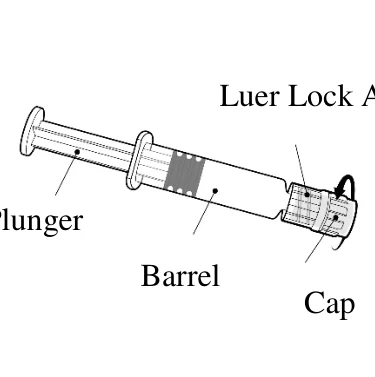
Luer Lock Adaptor
Plunger
Barrel Cap
Hold the syringe by the barrel, not by the plunger.
Unscrew the syringe cap by twisting it anticlockwise. 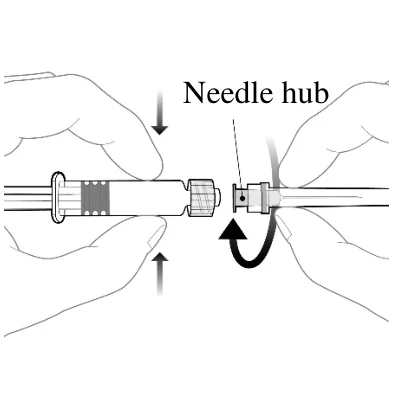
Disposal
Any unused medicinal product or waste material should be disposed of in accordance with local requirements.
7 MARKETING AUTHORISATION HOLDER
GlaxoSmithKline UK Limited
79 New Oxford Street
London
WC1A 1DG
United Kingdom
8 MARKETING AUTHORISATION NUMBER(S)
PL 19494/0333
9 DATE OF FIRST AUTHORISATION/RENEWAL OF THE
AUTHORISATION
27/03/2026
10 DATE OF REVISION OF THE TEXT
28/05/2026
Needle hub To attach the needle, connect the hub to the
Luer Lock Adaptor and rotate a quarter turn clockwise until you feel it lock. Do not pull the syringe plunger out of the barrel. If it happens, do not administer the vaccine.