

Patient leaflet - Olanzapine Mylan 15 mg orodispersible tablets
1. What Olanzapine Mylan is and what it is used for
Olanzapine Mylan contains the active substance olanzapine, which belongs to a group of medicines called antipsychotics.
Olanzapine Mylan is used to treat schizophrenia, a disease with symptoms such as hearing, seeing or sensing things which are not there, mistaken beliefs, unusual suspiciousness, and becoming withdrawn. People with this disease may also feel depressed, anxious or tense.
Olanzapine Mylan is used to treat moderate to severe manic episodes, a condition with symptoms such as feeling "high", having excessive amounts of energy, needing much less sleep than usual, talking very quickly with racing ideas and sometimes severe irritability. It is also a mood stabiliser that prevents further occurrences of the disabling high and low (depressed) extremes of mood associated with this condition.
2. What you need to know before you take Olanzapine Mylan
Do not take Olanzapine Mylan:
- if you are allergic to olanzapine or any of the other ingredients of this medicine (listed in section 6). An allergic reaction may be recognised as a rash, itching, a swollen face, swollen lips, tongue, throat, difficulty breathing or shortness of breath. If this has happened to you, tell your doctor.
- if you have been previously diagnosed with eye problems such as certain kinds of glaucoma (increased pressure in the eye).
Warnings and precautions
Talk to your doctor or pharmacist before taking Olanzapine Mylan:
- if you or someone else in your family has a history of blood clots, as medicines like these have been associated with formation of blood clots.
- if you are elderly with dementia as you may get serious side effects.
- if you have diabetes
- if you have heart disease
- if you have been told that you have salt imbalances in the blood (especially low levels of potassium or magnesium)
- if you were born with prolonged QT interval (seen on ECG, an electrical recording of the heart)
- if you have problems with your liver or kidneys
- if you have Parkinson’s disease
- if you have history of fits or seizures (epilepsy)
- if you have an enlarged prostate
- if you have blocked intestine (paralytic ileus)
- if you have low blood white blood cell counts (which can be caused by some medicines, radiation therapy, chemotherapy or bone marrow disease)
- if you have been told that you have increased levels of some white blood cells or a disease of the bone marrow in which excessive blood cells are made called myeloproliferative disease
- stroke or “mini” stroke (temporary symptoms of stroke)
- if you are a smoker (because your dose of olanzapine may need to be adjusted).
During treatment
If you experience a combination of a very high fever, faster breathing, excessive sweating, a change in mood, muscle stiffness, high blood pressure and drowsiness or sleepiness, speak to your doctor as your doctor may decide to discontinue Olanzapine Mylan.
If you experience uncontrollable movements of the face or tongue, speak to your doctor as your doctor may consider to reduce the dose or discontinue Olanzapine Mylan.
Weight gain has been seen in patients taking olanzapine. You and your doctor should check your weight regularly. Consider referral to a dietician or help with a diet plan if necessary.
High blood sugar and high levels of fat (triglycerides and cholesterol) have been seen in patients taking olanzapine. Your doctor may wish to carry out blood tests to check levels of sugar and certain fats in the blood before you start taking this medicine.
As a routine precaution, if you are over 65 years your blood pressure may be monitored by your doctor.
Children and adolescents
Olanzapine Mylan is not recommended for patients who are under 18 years.
Other medicines and Olanzapine Mylan
Tell your doctor or pharmacist if you are taking, have recently taken or might take any other medicines. Especially tell your doctor if you are taking any of the following:
- medicines for Parkinson’s disease.
- antidepressants or medicines taken for anxiety or to help you sleep (tranquillisers) as you may feel drowsy.
- carbamazepine (used as an anti-epileptic or mood stabiliser)
- fluvoxamine (an antidepressant)
- ciprofloxacin (an antibiotic) medicines that can alter your heart rhythm such as anti-arrhythmics (like amiodarone, sotalol, quinidine, disopyramide), antibiotics (that belong to the group of macrolides), tricyclic antidepressants.
- activated charcoal (a chemical substance used to absorb other medicines), this should be taken at least 2 hours before or after olanzapine intake because it can interfere with the absorption of olanzapine.
Olanzapine Mylan with alcohol
Do not drink any alcohol if you have been given Olanzapine Mylan as taking it with alcohol may make you feel drowsy.
Pregnancy and breast-feeding
If you are pregnant or breast-feeding, think you may be pregnant or are planning to have a baby, ask your doctor or pharmacist for advice before taking this medicine. You should not be given this medicine when breast-feeding, as small amounts of olanzapine can pass into breast milk.
The following symptoms may occur in newborn babies, of mothers that have used olanzapine in the last trimester (last three months of their pregnancy): shaking, muscle stiffness and/or weakness, sleepiness, agitation, breathing problems, and difficulty in feeding. If your baby develops any of these symptoms you may need to contact your doctor.
Driving and using machines
There is a risk of feeling drowsy or dizzy when you are given Olanzapine Mylan. If this happens do not drive or operate any tools or machines. Tell your doctor.
Aspartame content
Olanzapine Mylan 5 mg Orodispersible Tablets contains 1.975 mg of aspartame in each tablet.
Olanzapine Mylan 10 mg Orodispersible Tablets contains 3.950 mg of aspartame in each tablet.
Olanzapine Mylan 15 mg Orodispersible Tablets contains 5.950 mg of aspartame in each tablet.
Olanzapine Mylan 20 mg Orodispersible Tablets contains 7.900 mg of aspartame in each tablet.
Aspartame is a source of phenylalanine. It may be harmful if you have phenylketonuria (PKU), a rare genetic disorder in which phenylalanine builds up because the body cannot remove it properly.
Sodium content
This medicine contains less than 1 mmol sodium (23 mg) per tablet, that is to say essentially ‘sodium-free’.
3. How to take Olanzapine Mylan
Always take this medicine exactly as your doctor or pharmacist has told you. Check with your doctor or pharmacist if you are not sure.
Your doctor will tell you how many Olanzapine Mylan tablets to take and how long you should continue to take them. The recommended daily dose of Olanzapine Mylan is between 5 and 20 mg. Consult your doctor if your signs return but do not stop taking this medicineunless your doctor tells you to.
You should take your Olanzapine Mylan tablets once a day following the advice of your doctor. Try to take your tablets at the same time each day. It does not matter whether you take them with or without food. Olanzapine Mylan orodispersible tablets are for oral use.
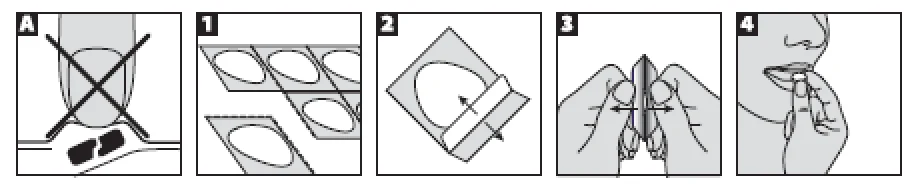
Olanzapine Mylan tablets break easily, so you should handle the tablets carefully. Do not handle the tablets with wet hands as the tablets may break up.
- 1. For perforated blisters, hold the blister strip at the edges and separate one blister cell from the rest of the strip by gently tearing along the perforations around it.
- 2. Carefully peel off the backing. For non-perforated blisters, take care not to peel off the backing of adjacent tablets.
- 3. Gently push the tablet out.
- 4. Put the tablet in your mouth. It will dissolve directly in your mouth, so that it can be easily swallowed.
You can also place the tablet in a full glass or cup of water, orange juice, apple juice, milk or coffee, and stir. With some drinks, the mixture may change colour and possibly become cloudy. Drink it straight away.
If you take more Olanzapine Mylan than you should
Contact your doctor or hospital straight away. Show the doctor your pack of tablets.
Patients who have taken more olanzapine than they should have experienced the following signs: rapid beating of the heart, agitation/aggressiveness, problems with speech, unusual movements (especially of the face or tongue) and reduced level of consciousness. Other signs may be: acute confusion, seizures (epilepsy), coma, a combination of fever, faster breathing, sweating, muscle stiffness and drowsiness or sleepiness, slowing of the breathing rate, inhaling fluid into the windpipe and lungs (aspiration), high blood pressure or low blood pressure, abnormal rhythms of the heart.
If you forget to take Olanzapine Mylan
Take your tablets as soon as you remember. Do not take a double dose to make up for a forgotten tablet.
If you stop taking Olanzapine Mylan
Do not stop taking your tablets just because you feel better. It is important that you carry on taking
Olanzapine Mylan for as long as your doctor tells you.
If you suddenly stop taking Olanzapine Mylan symptoms such as sweating, difficulty sleeping, shaking (tremor), anxiety or feeling sick (nausea) and being sick (vomiting) might occur. Your doctor may suggest you to reduce the dose gradually before stopping treatment.
If you have any further questions on the use of this medicine, ask your doctor or pharmacist.
4. Possible side effects
Like all medicines, this medicine can cause side effects, although not everybody gets them.
If you notice any of the following side effects and contact your doctor straight away:
Common (may affect up to 1 in 10 people):
- an increase in the number of infections that you get causing sore throat, mouth ulcers or fever, these may be signs of a reduction in the number of white blood cells that help fight infection (leukopenia, neutropenia)
Uncommon (may affect up to 1 in 100 people):
- allergic reactions such as rash, itching, swelling of the face, lips, mouth or throat that may cause difficulty swallowing or breathing
- blood clots in the veins especially in the legs (signs include swelling, pain, and redness in the leg), which may travel through blood vessels to the lungs causing chest pain and difficulty in breathing
- diabetes or the worsening of diabetes, occasionally associated with ketoacidosis (ketones in the blood and urine causing loss of appetite, unexplained weight loss, nausea, vomiting, stomach pain, difficulty breathing, slow heart beat, unusual muscle pain or feeling weak, tired or uncomfortable) or coma
- abnormal rhythm of the heart
- fits (seizures), usually associated with a history of fits (e.g. epilepsy)
- uncontrolled movements of the mouth, tongue, cheeks or jaws, which may progress to the arms and legs (tardive dyskinesia)
- difficulty passing urine or emptying the bladder
Rare (may affect up to 1 in 1,000 people):
- yellowing of the skin or whites of the eyes, dark urine, pale stools, itching, feeling drowsy or tired, fever, nausea, weakness and abdominal pain (may be signs of problems with your liver)
- a combination of very high fever, faster breathing, excessive sweating, change in mood, muscle stiffness, high blood pressure and feeling drowsy or sleepy (neuroleptic malignant syndrome)
- unusual or dangerously fast heart beat (ventricular tachycardia/fibrillation)
- inflammation of the pancreas causing severe pain in the stomach, which spreads to the back
- lowering of normal body temperature, causing shivering, cold or pale skin
- destruction of muscle fibres causing muscle pain, weakness or tenderness accompanied by dark urine (rhabdomyolysis)
- prolonged and/or painful erection
Not known (cannot be estimated from the available data)
- flu-like symptoms with a rash on the face and then with an extended rash, high temperature, enlarged lymph nodes, increased levels of liver enzymes seen in blood tests and an increase in a type of white blood cell (eosinophilia). These may be signs of Drug Reaction with Eosinophilia and Systemic Symptoms (DRESS).
Other possible side effects include
Very common (may affect more than 1 in 10 people):
- weight gain
- sleepiness
- increase in levels of prolactin which may be seen in a blood test
- in the early stages of treatment, some people may feel dizzy or faint (with a slow heart rate), especially when getting up from a lying or sitting position. This will usually pass on its own but if it does not, tell your doctor
Common (may affect up to 1 in 10 people):
- increases in the levels of some white blood cells, circulating fats and early in treatment, temporary increases in liver enzymes which may be seen in a blood test
- increases in the level of sugars in the blood and urine which may be seen in a blood or urine test
- increases in levels of uric acid, alkaline phosphatase and creatine phosphokinase which may be seen in a blood test
- feeling more hungry
- dizziness
- restlessness or difficulty sitting still
- tremor, rigid posture, slow movements and a shuffling, unbalanced walk (Parkinsonism)
- unusual movements (dyskinesia)
- constipation
- dry mouth
- rash
- unusual weakness
- extreme tiredness
- water retention leading to swelling of the hands, ankles or feet
- fever
- joint pain
- sexual problems such as decreased sex drive in males and females or difficulty getting or maintaining an erection in males
Uncommon (may affect up to 1 in 100 people):
- uncontrollable muscle stiffness or spasms affecting the head (including eye movements), neck and body
- restless legs syndrome
- problems with speech
- stuttering
- slow heart rate
- increase sensitivity of skin to sunlight
- bleeding from the nose
- feeling bloated (abdominal distension)
- drooling
- memory loss or forgetfulness
- inability to control urination, difficulty starting to urinate or maintaining the flow
- hair loss
- absence or decrease in menstrual periods
- changes in breast size in males and females
- abnormal production of breast milk in females
- increase in levels of bilirubin in the blood which may be seen in a blood test.
Rare (may affect up to 1 in 1,000 people):
- signs of withdrawal such as sweating, difficulty sleeping, shaking, anxiety, feeling or being sick
- bleeding or bruising for longer than normal or unexpectedly (thrombocytopenia)
- sudden unexplained death
Not known (frequency cannot be estimated from the available data):
- signs of withdrawal in newborns such as blotchy skin colouring, diarrhoea, excessive sucking or crying, poor feeding, slow weight gain, sneezing
While taking olanzapine, elderly patients with dementia may suffer from stroke, pneumonia, inability to control urination, falls, extreme tiredness, visual hallucinations (seeing things that are not there), a rise in body temperature, redness of the skin and have trouble walking. Some fatal cases have been reported in this particular group of patients.
In patients with Parkinson's disease, olanzapine may worsen the symptoms and cause hallucinations (seeing, hearing or feeling things that are not there).
Reporting of side effects
If you get any side effects, talk to your doctor, pharmacist or nurse. This includes any possible side effects not listed in this leaflet. You can also report side effects directly via the Yellow Card Scheme at www.mhra.gov.uk/yellowcard or search for MHRA Yellow Card in the Google Play or Apple App Store. By reporting side effects you can help provide more information on the safety of this medicine.
5. How to store Olanzapine Mylan
Keep this medicine out of sight and reach of children.
Do not use this medicine after the expiry date which is stated on the carton and blister/bottle.
Store in the original package in order to protect from light and moisture.
Do not throw away any medicines via wastewater or household waste. Ask your pharmacist how to throw away medicines you no longer use. These measures will help protect the environment.
6. Contents of the pack and other information
What Olanzapine Mylan contains
Each orodispersible tablet contains 5 mg of olanzapine as the active ingredient.
Each orodispersible tablet contains 10 mg of olanzapine as the active ingredient.
Each orodispersible tablet contains 15 mg of olanzapine as the active ingredient.
Each orodispersible tablet contains 20 mg of olanzapine as the active ingredient.
The other ingredients are mannitol, microcrystalline cellulose, guar gum, crospovidone, magnesium stearate, colloidal anhydrous silica, aspartame (E951, see section 2 “Olanzapine Mylan contains aspartame”) and sodium laurilsulfate.
What Olanzapine Mylan looks like and contents of the pack
Olanzapine Mylan 5 mg is supplied as light yellow to yellow coloured, plain to mottled, round, flat faced, bevelled edged tablets debossed with “M” on one side and “OE1” on other side.
Olanzapine Mylan 10 mg is supplied as light yellow to yellow coloured, plain to mottled, round, flat faced, bevelled edged tablets debossed with “M” on one side and “OE2” on other side.
Olanzapine Mylan 15 mg is supplied as light yellow to yellow coloured, plain to mottled, round, flat faced, bevelled edged tablets debossed with “M” on one side and “OE3” on other side.
Olanzapine Mylan 20 mg is supplied as light yellow to yellow coloured, plain to mottled, round, flat faced, bevelled edged tablets debossed with “M” on one side and “OE4” on other side.
Olanzapine Mylan Orodispersible Tablets are supplied in non-perforated blisters containing 7, 10, 14, 28, 30, 35, 56, 60, 70, 98, 100 tablets, perforated unit-dose blisters containing (7, 10, 14, 28, 30, 35, 56, 60, 70, 98, 100) x 1 tablets and bottles containing 7, 10, 14, 28, 30, 56, 98, 100, 250, 500 tablets. The bottles also contain a desiccant. Do not eat the desiccant.
Not all pack sizes may be marketed.
Marketing Authorisation Holder
Marketing Authorisation Holder:
Mylan,
Potters Bar,
Hertfordshire,
EN6 1TL,
United Kingdom
Manufacturer:
Mylan Hungary Kft, H-2900, Komárom, Mylan útca 1, Hungary.
This leaflet was last revised in January 2025.