

Patient leaflet - Gyno-pevaryl once 150 mg vaginal pessary
1. What Gyno-Pevaryl Once is and what it is used for
The name of your medicine is Gyno-Pevaryl Once 150mg vaginal pessary. It is called ‘Gyno-Pevaryl Once’ in this leaflet.
Gyno-Pevaryl Once is a solid, torpedo-shaped pessary (vaginal suppository). When inserted into the vagina it releases a medicine called econazole nitrate. This belongs to a group of medicines called ‘antifungals’.
Gyno-Pevaryl Once is used for infections of the vagina and the skin around the vagina. The infections are caused by fungi and yeasts such as thrush (Candida).
2. What you need to know before you use Gyno-Pevaryl Once
Do not use Gyno-Pevaryl Once if:
- You are allergic to econazole nitrate or any of the other ingredients of this medicine (listed in section 6)
- You are allergic to any other medicine used to treat thrush or other fungal infections
- You are under 16 years old
Do not use this medicine if any of the above applies to you. If you are not sure, talk to your doctor or pharmacist before using Gyno-Pevaryl Once.
Warnings and precautions
Talk to your doctor or pharmacist before using Gyno-Pevaryl Once if:
- You are using any other treatment for your vagina.
Talk to your doctor about using another type of contraception while you are using this medicine if:
- You are using a ‘barrier’ method of contraception. This includes condoms or diaphragms. This is because Gyno-Pevaryl Once can damage the rubber and stop them working properly
- You are using a spermicidal contraceptive
Other medicines and Gyno-Pevaryl Once
Tell your doctor or pharmacist if you are taking, have recently taken or might take any other medicines. This includes medicines that you buy without a prescription or herbal medicines.
In particular tell your doctor if you are taking:
- Medicines to thin the blood (anticoagulants) such as warfarin or acenocoumarol. Your doctor may check that the anticoagulant is working properly
Pregnancy and breast-feeding
If you are pregnant or breast-feeding, think you may be pregnant or are planning to have a baby, ask your doctor or pharmacist for advice before taking this medicine.
You may still be able to use Gyno-Pevaryl Once if your doctor thinks you need to.
Driving and using machines
This medicine is not likely to affect you being able to drive or use any tools or machines.
3. How to use Gyno-Pevaryl Once
Always use this medicine exactly as your doctor has told you. Check with your doctor or pharmacist if you are not sure.
Using the pessary
- Always wash your hands thoroughly before using this medicine. This is particularly important if you are pregnant
- Use the pessary just before going to bed. This helps it to stay in place
- Do not swallow the pessary
Inserting the pessary with the applicator
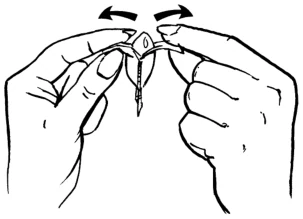
- Remove the pessary from the plastic packet using the easy open tab
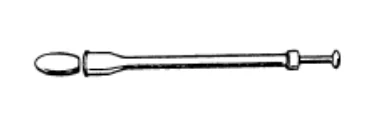
- Pull the plunger of the applicator out until it sticks
- Gently push the pessary into the cup. Do not force it because it might stick
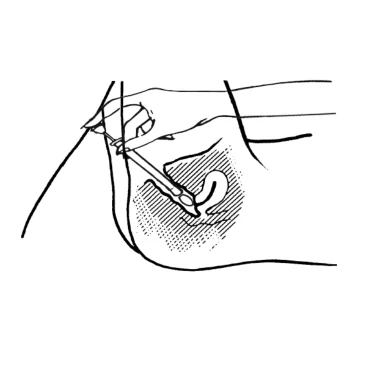
- Lie down with your knees bent and spread apart. Insert the applicator high into your vagina, pessary first
- Push the plunger to release the pessary
- Remove the applicator and dispose of it safely in your household waste
If you swallow Gyno-Pevaryl Once
If the pessary is eaten or swallowed talk to a doctor or go to the nearest hospital casualty department straight away.
If you have any further questions on the use of this product, ask your doctor or pharmacist.
4. Possible side effects
Like all medicines, this medicine can cause side effects, although not everybody gets them.
Stop using Gyno-Pevaryl Once and tell your doctor straight away if you notice the following. You may need urgent medical treatment.
- Sudden swelling of the face or throat. Hives (also known as nettle rash or urticaria), severe irritation, reddening or blistering of your skin. These may be signs of a severe allergic reaction (affects fewer than 1 in 10,000 people)
Other side effects:
Common side effects (affects more than 1 in 100 patients)
- Itchy skin
- Burning sensation (skin)
Uncommon side effects (affects fewer than 1 in 100 patients)
- Rash
- Burning sensation (around or inside the vagina)
Rare side effects (affects fewer than 1 in 1000 patients)
- Reddening of your skin
Frequency unknown:
- Pain, swelling or irritation (around or inside the vagina)
- Inflammation of the skin (contact dermatitis)
- Peeling, flaky skin
Reporting of side effects
If you get any side effects, talk to your doctor, pharmacist or nurse. This includes any possible side effects not listed in this leaflet. You can also report side effects directly via the Yellow Card Scheme at: www.mhra.gov.uk/yellowcard By reporting side effects you can help provide more information on the safety of this medicine.
5. How to store Gyno-Pevaryl Once
Keep this medicine out of the sight and reach of children. Store in the original container. Do not store above 30°C. Keep away from heat and sunlight.
Do not use Gyno-Pevaryl Once:
- After the expiry date which is stated on the label. The expiry date refers to the last day of that month
- If the plastic packet is broken or missing
- If the pessary is not light beige in colour
Do not throw away any medicines via wastewater or household waste. Ask your pharmacist how to throw away medicines you no longer use. These measures will help protect the environment.
6. Contents of the pack and other information
What Gyno-Pevaryl Once contains
The active substance is econazole nitrate. The pessary contains 150mg econazole nitrate.
The other ingredients are polygel, colloidal silicon dioxide, Witepsol H 19, Wecobee FS, stearyl heptanoate.
What Gyno-Pevaryl Once looks like and contents of the pack
Gyno-Pevaryl Once comes in a plastic strip containing one pessary. It is torpedo-shaped and light beige in colour.
Marketing Authorisation Holder:
Karo Pharma AB, Box 16184, 103 24 Stockholm, SwedenManufacturer: Lusomedicamenta-Sociedade, Técnica Farmacêutica, S.A., Estrada Consiglieri Pedroso, 69-B, Queluz de Baixo, 2730-055 Barcarena, Portugal
OR
Janssen Pharmaceutica NV, Turnhoutseweg 30, B-2340 Beerse, Belgium
This leaflet was last revised in May 2021.