


Patient leaflet - Dexamethasone 10 mg / 5 ml oral solution
1. What Dexamethasone Oral Solution is and what it is used for
The full name of your medicine is Dexamethasone 10mg/5ml Oral Solution. In this leaflet the shorter name Dexamethasone is used.This belongs to a group of medicines called Corticosteroids. Dexamethasone is a synthetic glucocorticoid (adrenocortical hormone). Corticosteroids are hormones that are found naturally in your body that help to keep you healthy and well. Boosting your body with extra corticosteroid, such as Dexamethasone, is an effective way to treat various illnesses involving inflammation in the body. Dexamethasone lowers inflammation, which could otherwise go on making your condition worse. You must take this medicine regularly to get maximum benefit from it. Dexamethasone is used as a treatment of coronavirus disease 2019 (COVID-19) in adult patients with difficulty breathing and need of oxygen therapy. Dexamethasone can be used in adults for:
replacing natural corticosteroids when levels have been reduced
treating swelling (inflammation) and certain allergies
reducing swelling of the brain which is not caused by a head injury
treating cancer
controlling how well your adrenal glands work. These are glands that are next to your kidneys
treating a number of different diseases of the immune system.
You may be using this medicine for a different reason. Ask your doctor why this medicine has been prescribed for you.
2. What you need to know before you take Dexamethasone Oral Solution
Do not take Dexamethasone:
if you are allergic to Dexamethasone or any of the other ingredients of this medicine (listed in section 6). The signs of an allergic reaction include a rash, itching or shortness of breath
if you have an infection (including fungal infections) that affects the whole body, unless you are being treated for the infection if you have an infection with tropical worms
if you need to have a vaccination with a ‘live virus’ vaccine
if you have an ulcer in your stomach (peptic ulcer) or digestive tract area (duodenal ulcer)
to treat a serious lung disease called Acute Respiratory Distress Syndrome if you have had this problem for more than 2 weeks. Do not take this medicine if any of the above apply to you. If you are not sure, talk to your doctor or pharmacist before taking Dexamethasone. Mental health problems
Check with your doctor first:
if you have ever had severe depression or manic depression (bipolar disorder). This includes having had depression before whiletaking steroid medicines like Dexamethasone
if any of your close family has had these illnesses.
If either of these applies to you, talk to your doctor before taking this medicine.
Mental health problems can happen while taking steroids like Dexamethasone (see also section 4: Possible side effects).
These illnesses can be serious.
Usually they start within a few days or weeks of starting the medicine.
They are more likely to happen at high doses.
Most of these problems go away if the dose is lowered or the medicine is stopped. However, if problems do happen, they might need treatment. Talk to a doctor if you (or someone taking this medicine), show any signs of mental problems. This is particularly important ifyou are depressed or might be thinking about suicide. In a few cases, mental problems have happened when doses were being lowered or stopped. Warnings and precautions
Treatment with this medicine may cause pheochromocytoma crisis, which can be fatal. Pheochromocytoma is a rare tumor of the adrenal glands. Crisis can occur with following symptoms: headaches, sweating, palpitations, and hypertension. Contact your doctor immediately if you experience these signs.
Talk to your doctor or pharmacist before taking Dexamethasone if you have:
kidney or liver problems
high blood pressure, heart disease or you have recently had a heart attack
diabetes or there is a family history of diabetes
thinning of the bones (osteoporosis), particularly if you are a female who has been through the menopause had muscle weakness with dexamethasone or other steroids in the past
you have myasthenia gravis. The signs of this may be long term tiredness (fatigue) and muscle weakness
raised eye pressure (glaucoma) or there is a family history of glaucoma
a stomach (peptic) ulcer
mental problems or you have had a mental illness which was made worse by this type of medicine such as “steroid psychosis” epilepsy
migraines
had an allergy or unusual reaction to corticosteroids
an underactive thyroid gland
an infection with parasites
TB (tuberculosis), septicaemia or a fungal infection in the eye
malaria that affects the brain (cerebral malaria)
herpes, including cold sores or genital herpes
asthma
stunted growth
a cancer of the blood because you may be at risk of a very rare, potentially life-threatening condition resulting from a suddenbreakdown of tumour cells
symptoms of tumour lysis syndrome such as muscle cramping, muscle weakness, confusion, visual loss or disturbances and shortness of breath, in case you suffer from haematological malignancy
if you have or are suspected of having pheochromocytoma (a tumor of the adrenal glands).
Contact your doctor if you experience blurred vision or other visual disturbances.
If any of the above apply to you (or you are not sure), talk to your doctor or pharmacist before taking Dexamethasone. Taking a steroid medicine like Dexamethasone
Please tell your doctor, or anyone giving you treatment, that you are taking or have recently taken Dexamethasone, if any of the following things happen to you. This is because your dose of Dexamethasone may need to be increased during this time:
you get ill or develop an infection
you have an accident or other injury
you need to have any surgery, including dental work
you need to have a ‘live virus’ vaccine such as MMR, tuberculosis (TB), yellow fever or oral typhoid.
You should not stop taking any other steroid medications unless your doctor has instructed you to do.
Talk to your doctor, pharmacist or nurse before you take Dexamethasone.
General precautions regarding steroid use in specific diseases, masking infection, concomitant medicines etc. in line with current recommendations. If you are living in the UK, you should always carry a blue ‘steroid card’, which gives clear guidance on the special care to be taken when you are taking this medicine. Show this to any doctor, dentist or person who may be giving you treatment. Even after your treatment hasfinished you must tell anyone who is giving you treatment that you have taken steroids in the past.
Chickenpox, shingles and measles:
While you are taking this kind of medicine, you should not come into contact with anyone who has chickenpox, shingles or measles if you have not had these illnesses. This is because you may need specialist treatment if you get these diseases. If you think you may have had exposure to any of these diseases, you should talk to your doctor immediately. You should also tell your doctor if you have ever had infectious diseases such as measles or chickenpox and if you have had any vaccinations for these conditions in the past.
Children and young people
This strength of dexamethasone is not recommended for use in children and young people. However if a child is taking this medicine at a doctors request, it is important that the doctor monitors their growth and development regularly since glucocorticoids may affect growth. Dexamethasone should not be routinely given to premature babies with respiratory problems.
Older people
diabetes
getting infections
thinning of the skin
high blood pressure
thinning of the bones (osteoporosis)
low potassium levels in the blood (hypokalaemia).
Other medicines and Dexamethasone
Tell your doctor or pharmacist if you are taking, have recently taken or might take any other medicines. This includes medicines you buy without a prescription, including herbal medicines. This is because Dexamethasone can affect the way some other medicines work. Also, some medicines can affect the way Dexamethasone works.
Some medicines may increase the effects of Dexamethasone and your doctor may wish to monitor you carefully if you are taking these medicines (including some medicines for HIV: ritonavir, cobicistat).
In particular, tell your doctor if you are taking any of the following:
medicines to treat heart and blood problems, such as warfarin, high blood pressure medicines, such as captopril or verapamil, acholesterol lowering medicine called colestyramine and water tablets (diuretics)
medicines to treat infections, such as amphotericin B iv injection, rifabutin, rifampicin, a medicine for fungal infections called ketoconazole, antibiotics including erythromycin, a medicine for worm infections called praziquantel and a medicine for tuberculosis called isoniazid medicines to treat viral infections such as indinavir and saquinavir
live vaccines such as MMR, tuberculosis, yellow fever or oral typhoid
medicines to treat epilepsy, such as phenytoin, carbamazepine, primidone, phenobarbital and acetazolamide, also used for glaucoma medicines to treat stomach problems, such as antacids, charcoal and carbenoxolone. You should leave at least two hours betweentaking these medicines and Dexamethasone
medicines that calm emotions or for sleeping, such as barbiturates or sulpiride
medicines that control pain or lower inflammation, such as aspirin or similar non-steroidal anti-inflammatory drugs (NSAIDs), such as indometacin, hydrocortisone, cortisone and other corticosteroids. You should be carefully monitored if you are taking NSAIDs atthe same time as taking Dexamethasone because you are more likely to get stomach or gut ulcers
medicines used to treat diabetes such as insulin, metformin or sulfonylureas such as chlorpropamide
medicines used to lower potassium levels
medicines that help muscle movement in myasthenia gravis, such as neostigmine
ritonavir, indinavir or saquinavir used to treat HIV
oestrogen and progestogen including the contraceptive pill
ciclosporin used to stop the rejection of organs after transplants
anti-cancer treatments, such as aminoglutethimide and thalidomide, also used for leprosy
ephedrine which helps to tighten blood vessels
tetracosactide
methotrexate used for cancer or inflammatory problems.
If you are not sure if any of the above apply to you, talk to your doctor or pharmacist before taking Dexamethasone. Continued overleaf
Dexamethasone 10mg/5ml Oral Solution
Package leaflet: Information for the patient
Some side effects only happen after weeks or months.
These include weakness of arms and legs or developing a rounder
face (read section 4 for more information)
If you take this medicine for more than 3 weeks, in the UK, you will get a blue ‘steroid card’:
to any doctor or nurse treating youalways keep it with you and show it
D1P83RBJ8
V2
if you have a parasitic infection
disease of the muscles (glucocorticoid-induced myopathy)
Some of the side effects of Dexamethasone may be more serious in older people. Your doctor may need to monitor you more closely for the following: Pregnancy and breast-feeding
Talk to your doctor before taking this medicine if you are pregnant, planning to become pregnant or are breast-feeding. There is not enough information on the use of dexamethasone during pregnancy to know the possible side effects. For thisreason, the use of Dexamethasone during pregnancy is not recommended unless advised to by your doctor.
Dexamethasone is excreted in breast milk. It may influence the growth of your baby or cause other side effects. Tell your doctor if you are or intend to breast-feed before taking Dexamethasone.
Driving and using machines
You may experience dizziness when taking this medicine (see section 4: Possible side effects). Glucocorticoids may cause mood changes or visual disturbances. This may affect your ability to drive. If this happens, do not drive or use tools or machinery.
Dexamethasone Oral Solution contains sorbitol, maltitol, propylene glycol and benzoic acid:
sorbitol (E420). This medicine contains 490mg sorbitol in each 5ml dose. Sorbitol is a source of fructose. If your doctor has told you that you (or your child) have an intolerance to some sugars or if you have been diagnosed with hereditary fructose intolerance (HFI), a raregenetic disorder benzoic acid (E210). This medicine contains 5mg benzoic acid in each 5ml dose.
This medicine contains less than 1mmol sodium (23mg) per 5ml dose, that is to say essentially ‘sodium-free’.
3. How to take Dexamethasone Oral Solution
Always take this medicine exactly as your doctor or pharmacist has told you. Check with your doctor or pharmacist if you are not sure. How to take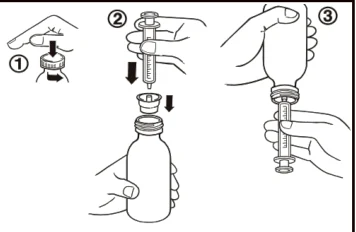
This medicine contains 10mg of dexamethasone in each 5ml. Each 1ml contains
2mg of dexamethasone.
Take this medicine by mouth.
For oral administration, always use the oral syringe supplied with the pack.
You may also find that your doctor will tell you to lower the amount of salt in
your diet.
You may also find that your doctor asks you to take potassium supplements
whilst taking this medicine. If so, they will monitor you more closely.
Measuring your dose using the oral syringe provided:
- 1. Open the bottle: press the cap and turn it anticlockwise (figure 1).
- 2. Insert the syringe adaptor into the bottle neck (figure 2).
- 3. Take the syringe and put it in the adaptor opening (figure 2).
- 4. Turn the bottle upside down (figure 3).
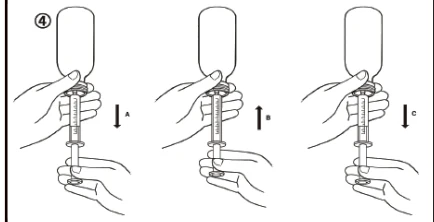
- 5.
Fill the syringe with a small amount of solution by pulling the piston down
(figure 4A). Then push the piston upward in order to remove any possible
bubbles (figure 4B). Finally, pull the piston down to the graduation mark
corresponding to the quantity in millilitres (ml) prescribed by your doctor
(figure 4C).
- 6. Turn the bottle the right way up.
- 7.
Remove the syringe from the adaptor. Put the end of the syringe into your mouth
and push the piston slowly back in to take the medicine.
- 8. Wash the syringe with water and let it dry before you use it again.
- 9. Close the bottle with the plastic screw cap.
This medicine can also be administered via nasogastric (NG) or percutaneous endoscopic gastrostomy (PEG) tubes only. There is further information in the SmPC, ask your doctor, pharmacist or nurse for this information.
Taking this medicine via NG or PEG tubes
- 1. Ensure the tube is clear before taking the medicine.
- 2. Flush the tube with water, a minimum flush volume of 5mL of water is required.
- 3. Administer the medicine into the tube with a suitable measuring device. The syringe included in the pack is only for patients who are able to swallow the medicine. Healthcare Professional (HCPs) administering this product to patients via a NG or PEG tube must use another suitable device.
- 4. Flush the tube with water again using a minimum volume of 5mL of water.
For use with silicone, PVC and polyurethane NG or PEG tubes only.
The usual dose for adults and older people
Take 0.5mg (0.25ml) to 10mg (5ml) each day.
This total daily dose can be split into two or three smaller doses to be taken throughout the day.
Your doctor will decide your exact dose based on how serious your illness is.
As you get better your doctor may then reduce your dose or ask you to take another steroid medicine, such as prednisolone. Take Dexamethasone as only as prescribed by your doctor. Your doctor will decide how long you should take dexamethasone for. Check with your doctor or pharmacist if you are not sure.
For the treatment of Covid-19
Adult patients are recommended to take 6 mg (3ml) once a day for up to 10 days.
If you are taking this medicine as part of hospital tests:
Take 0.5mg (0.25ml) to 2mg (1ml) for each dose.
You will have this medicine for a short period of time.
If you take more Dexamethasone than you should
If you take more of this medicine than you should, talk to a doctor or go to a hospital straight away. Take the medicine pack with you so the doctor knows what you have taken.
If you forget to take Dexamethasone
If you forget a dose, take it as soon as you remember. However, if it is nearly time for your next dose, skip the missed dose. Do not take a double dose (two doses at the same time) to make up for a forgotten dose.
If you stop taking Dexamethasone
It can be dangerous to stop taking this medicine suddenly. If you need to stop this treatment, follow your doctor’s advice. Heor she may tell you to lower the amount of medicine you are taking gradually until you stop taking it altogether. This will allow your adrenal glands to recover to their normal function.
Ifyoustoptakingthismedicinetooquickly,youmayhavelowbloodpressureand,insomecases,yourillnesscouldcomeback. You may also feel a ‘withdrawal symptom’. This may include fever, pain in your muscles and joints, swelling in the inside of your nose, weight loss, itchy skin and conjunctivitis.
If you have any further questions on the use of this medicine, ask your doctor or pharmacist.
4. Possible side effects
Like all medicines, this medicine can cause side effects, although not everybody gets them.
Serious side effects: tell a doctor straight away
Steroids including Dexamethasone can cause serious mental health problems. These are common in both adults and children. They can affect about 5 in every 100 people taking medicines like Dexamethasone. These include:
feeling depressed, including thinking about suicide
feeling high (mania), very happy (euphoria) or moods that go up and down
feeling anxious or irritable, having problems sleeping, difficulty in thinking or being confused and losing your memory feeling, seeing or hearing things that do not exist or believing in things that are not real (delusions). Having strange and frightening thoughts, changing how you act or having feelings of being alone
schizophrenia becoming worse.
If you notice any of these problems, talk to a doctor straight away.
If you have an allergic reaction to Dexamethasone, stop taking it and seek medical help immediately.
An allergic reaction may include:
any kind of skin rash, flaking skin, boils or sore lips and mouth
sudden wheezing, fluttering or tightness of the chest or collapse
swelling of the face, lips, tongue and/or throat with difficulty in swallowing or breathing (angioedema).
If you get any of the following side effects, stop taking Dexamethasone and see your doctor as soon as possible:
stomach and gut problems: inflamed food pipe (oesophagus), ulcers in the food pipe or gut that may split and bleed, feeling sick (nausea) or being sick (vomiting), stomach ache or a swollen stomach, having more of an appetite than usual, hiccups, diarrhoea, tearing ofthe bowel, particularly if you have inflammatory bowel disease
inflamed pancreas: this may cause severe pain in the back or tummy
problems with salts in your blood: such as too much sodium or low potassium or calcium. You may have water retention heart and blood problems: heart failure in people who are likely to have heart problems, high blood pressure, blood clots (signs of this may include redness, pain or numbness, throbbing, a burning feeling or swelling). There could also be a large rise in the number ofwhite cells in your body. Some types of blood tests will show this affecting you
bone problems: thinning of the bones with more of a risk of fractures, also hip, arm and leg bone problems, ruptured tendons, muscle wasting and muscle weakness
skin problems: wounds that heal more slowly, thinned, delicate skin, unusual purple spots on the skin or bruising, redness and inflammation of the skin, weaker reaction to skin tests, stretch marks, acne, sweating more than usual, skin rash or swollen small veins underthe skin, thinning of hair
eye problems: cataracts, increased pressure in the eye including glaucoma swelling inside the eye, blurred vision, thinning of the covering of the eyeball, eye infections that you may already have can become worse, bulging of the eyeballs. Frequency rare: blurred vision. Frequency not known: visual disturbances, loss of vision
hormone problems: growth of extra body hair (particularly in women), weight gain, irregular or missing periods, changes in the levels of protein and calcium in your body (which would be detected by a blood test), stunted growth in children and teenagers and swelling and weight gain of the body and face (called ‘Cushingoid state')
Dexamethasone may affect your diabetes and you may notice you start needing higher doses of the medicine you take for diabetes.While taking Dexamethasone your body may not be able to respond normally to severe stress such as accidents, surgery or illness nervous system problems: fits or epilepsy may become worse, feeling dizzy, headache, severe unusual headache with visual problems usually in children (normally after treatment has been stopped), a feeling that you are addicted to the medicine, being unable to sleep, feeling depressed, extreme mood swings
other side effects: may make you feel generally unwell. If you are a man, this medicine can affect the amount of sperm and their movement. Reporting of side effects
If you get any side effects, talk to your doctor or pharmacist. This includes any possible side effects not listed in this leaflet. You can also report side effects directly (see details below). By reporting side effects you can help provide more informationon the safety of this medicine.
United Kingdom
Yellow Card Scheme. Website: www.mhra.gov.uk/yellowcard or search for MHRA Yellow Card in the Google Play or Apple App Store.
5. How to store Dexamethasone Oral Solution
Keep out of the sight and reach of children.
Do not use after the expiry date which is stated on the label and carton (Exp: month, year). The expiry date refers to the lastday of that month. Do not store above 25°C. Do not refrigerate or freeze. Store in the original package in order to protect from light. Use within 1 month of opening.
Do not use Dexamethasone Oral Solution if you can see solid particles inside the solution or notice anything wrong with the medicine. Talk to your pharmacist.
Do not throw away any medicines via wastewater or household waste. Ask your pharmacist how to throw away medicines you no longer use. These measures will help protect the environment.
6. Contents of the pack and other information
What Dexamethasone Oral Solution contains
The active ingredient is Dexamethasone Sodium Phosphate. This medicine contains 10mg of Dexamethasone (as sodium phosphate) ineach 5ml of solution. Each 1ml contains 2mg of Dexamethasone (as sodium phosphate).
The other ingredients are propylene glycol (E1520), benzoic acid (E210), citric acid monohydrate (E330), sodium citrate (E331),liquid maltitol (E965), sorbitol liquid (non crystallising) (E420) and purified water.
What Dexamethasone Oral Solution looks like and contents of the pack
Your medicine is a colourless to faint yellow oral solution.
It comes in a brown glass bottle holding 30ml or 150ml of solution with a 5ml purple syringe and adaptor. Not all pack sizes may be marketed. Marketing Authorisation Holder and Manufacturer:
Rosemont Pharmaceuticals Ltd, Yorkdale Industrial Park, Braithwaite Street, Leeds, LS11 9XE, UK.
This medicinal product is authorised in the Member States of the EEA under the following names:
UK, Ireland – Dexamethasone 10mg/5ml Oral Solution
Greece – Dexamethasone/Rosemont 10mg/5ml πόσιμο διάλυμα
This leaflet was last revised in March 2025.
D1P83RBJ8
V2
in which a person cannot break down fructose, talk to your doctor before you (or your child) take or receive this medicine.
maltitol (E965). If you have been told by your doctor that you have an intolerance to some sugars, contact your doctor before taking this medicinal product.
propylene glycol (E1520). This medicine contains 450mg in each 5ml dose.
recurring infections or mild infections getting worse e.g. chickenpox; being less protected after inoculation; having a decreased response to skin test; recurrence of dormant tuberculosis (TB). You may also get thrush