

Summary of Product Characteristics (SmPC) - Chloraprep 2% w/v & 70% v/v cutaneous solution
1 NAME OF THE MEDICINAL PRODUCT
ChloraPrep 2% w/v / 70% v/v cutaneous solution
2 QUALITATIVE AND QUANTITATIVE COMPOSITION
1 mL solution contains 20 mg of chlorhexidine gluconate (20 mg/mL) and 0.70 mL of isopropyl alcohol (0.70 mL/mL).
1 applicator with 1 mL solution contains 20 mg of chlorhexidine gluconate (20 mg/mL) and 0.70 mL of isopropyl alcohol (0.70 mL/mL).
1 applicator with 1.5 mL solution contains 30 mg of chlorhexidine gluconate (20 mg/mL) and 1.05 mL of isopropyl alcohol (0.70 mL/mL).
1 applicator with 3 mL solution contains 60 mg of chlorhexidine gluconate (20 mg/mL) and 2.10 mL of isopropyl alcohol (0.70 mL/mL).
1 applicator with 10.5 mL solution contains 210 mg of chlorhexidine gluconate (20 mg/mL) and 7.35 mL of isopropyl alcohol (0.70 mL/mL).
1 applicator with 26 mL solution contains 520 mg of chlorhexidine gluconate (20 mg/mL) and 18.20 mL of isopropyl alcohol (0.70 mL/mL).
For the full list of excipients, see section 6.1.
3 PHARMACEUTICAL FORM
Cutaneous solution.
Clear solution.
4 CLINICAL PARTICULARS
4.1 Therapeutic indications
The medicinal product is to be used for disinfection of the skin prior to invasive medical procedures.
4.2 Posology and method of administration
Posology
ChloraPrep may be used in all age groups and patient populations (see section on paediatric population, below).
Paediatric population
ChloraPrep should be used with care in newborn babies, especially those born prematurely (see also section 4.4, Special warnings and precautions for use).
Method of administration
For cutaneous use
One applicator is used containing 1 mL, 1.5 mL, 3 mL, 10.5 mL or 26 mL of the ChloraPrep alcoholic solution.
The choice of applicator will depend on the invasive procedure being undertaken and the clinician’s reference.
| Applicator | Coverage Area (cm x cm) | For Procedures such as: |
| 1 mL | 8 x 10 |
|
1.5 mL 1.5 mL (Frepp) | 10 x 13 |
|
| 3 mL | 15 x 15 |
|
10.5 mL 26 mL | 25 x 30 50 x 50 |
|


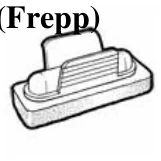

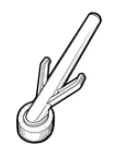
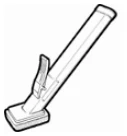
The applicator is removed from the wrapper and held with the sponge facing downward. The applicator is squeezed gently to break the ampoule containing the antiseptic solution, which is released onto the sponge in a controlled flow (for the 26 mL applicator the lever is pressed). Pinch wings once only to activate the applicator and release the antiseptic. Do not repeatedly pinch or pump the wings in an attempt to accelerate the saturation of the foam. The broken ampoule remains safely contained within the applicator. The sponge is gently pressed against the patient’s skin in order to apply the antiseptic solution. Once the solution is visible on the skin, use gentle back and forth strokes to prepare the site for 30 seconds. The 26 mL applicator includes two swabs. The area covered should be allowed to air dry completely.
It is recommended that ChloraPrep remain on the skin post-procedure to provide continued antimicrobial activity. If removal is necessary, remove with soap and water or alcohol.
4.3 Contraindications
Hypersensitivity to the active substances or to any of the excipients listed in section 6.1, especially in those with a history of possible chlorhexidine-related allergic reactions (see sections 4.4 and 4.8).
4.4 Special warnings and precautions for use
The solution is flammable. Do not use electrocautery procedures or other ignition sources until the skin is completely dry.
Remove any soaked materials, drapes or gowns before proceeding with the intervention. Do not use excessive quantities of ChloraPrep and do not allow the solution to pool in skin folds or under the patient or drip on sheets or other material in direct contact with the patient. Where occlusive dressings are to be applied to areas previously exposed to ChloraPrep, care must be taken to ensure no excess product is present prior to application of the dressing.
For external use only on intact skin.
ChloraPrep contains chlorhexidine. Chlorhexidine is known to induce hypersensitivity, including generalised allergic reactions and anaphylactic shock. The prevalence of chlorhexidine hypersensitivity is not known, but available literature suggests this is likely to be very rare. ChloraPrep should not be administered to anyone with a potential history of an allergic reaction to a chlorhexidine-containing compound (see sections 4.3 and 4.8). The solution is an irritant to mucous membranes. It should therefore be kept away from these areas.
ChloraPrep must not come into contact with the eye. Serious cases of persistent corneal injury, potentially requiring corneal transplant, were reported following accidental ocular exposure to chlorhexidine containing medicinal products despite taking eye protective measures due to migration of solution beyond the intended surgical preparation area. Extreme care must be taken during application to ensure that ChloraPrep does not migrate beyond its intended application site into the eyes. Particular care should be taken in anaesthetised patients, who are unable to immediately report ocular exposure. If ChloraPrep comes into contact with the eyes, wash out promptly and thoroughly with water. An ophthalmologist’s advice should be sought.
Do not use on open skin wounds. Do not use on broken or damaged skin. In addition, direct contact with neural tissue or the middle ear must be avoided.
Prolonged skin contact with alcohol containing solutions should be avoided.
It is important to ensure that the correct method of application is strictly followed (see section 4.2 above). When the solution has been applied in an over-vigorous manner to very fragile or sensitive skin or after repeated use, local skin reaction may occur including: erythema or inflammation, itching, dry and/or flaky skin and local application site pain. At the first sign of local skin reaction, application of ChloraPrep should be stopped.
Anaphylactic reactions during anaesthesia
Chlorhexidine-containing products are known causes of anaphylactic reactions during anaesthesia.
The symptoms of anaphylactic reactions might be masked in an anesthetised patient e.g. a significant portion of skin may be covered or patient unable to communicate early symptoms.
If symptoms of an anaphylactic reaction are detected during anaesthesia (e.g. abrupt fall in blood pressure, hives, angioedema), chlorhexidine-related allergic reaction should be considered.
When chlorhexidine-related allergic reaction during anaesthesia is suspected, other products containing chlorhexidine used during anaesthesia (e.g. IV lines) should be removed. Special precaution should be taken to avoid patient exposure to any other product containing chlorhexidine during the course of the treatment.
Paediatric population
The use of chlorhexidine solutions, both alcohol-based and aqueous, for skin antisepsis prior to invasive procedures has been associated with chemical burns in neonates. Based on available case reports and the published literature, this risk appears to be higher in preterm infants, especially those born before 32 weeks of gestation and within the first 2 weeks of life.
4.5 Interaction with other medicinal products and other forms of interaction
Alcohol should not be brought into contact with some vaccines and skin test injections (patch tests). If in doubt, consult the vaccine manufacturer’s literature.
4.6 Fertility, pregnancy and lactation
There are no studies with this product in pregnant or lactating women.
Pregnancy
No effects during pregnancy are anticipated, since systemic exposure to chlorhexidine gluconate is negligible. ChloraPrep can be used during pregnancy.
Breastfeeding
No effects on the breastfed newborn/infant are anticipated since the systemic exposure of the breast-feeding woman to chlorhexidine gluconate is negligible. ChloraPrep can be used during breast-feeding.
Fertility
The effects of chlorhexidine gluconate on human reproduction have not been studied.
4.7 Effects on ability to drive and use machines
ChloraPrep has no or negligible influence on the ability to drive and use machines.
4.8 Undesirable effects
Skin and subcutaneous tissue disorders:
Very rarely (<1/10,000) allergic or irritation skin reactions have been reported with chlorhexidine and isopropyl alcohol including: erythema, rash (e.g. erythematous, papular, or maculopapular), pruritus and blisters or application site vesicles. Other local symptoms have included skin burning sensation, pain and inflammation. Frequency not known (cannot be estimated from the available data): dermatitis, eczema, urticaria, chemical burns in neonates.
Immune system disorders:
Frequency not known (cannot be estimated from the available data): Hypersensitivity including anaphylactic shock (see sections 4.3 and 4.4).
The most commonly reported adverse reactions reported are associated with application site reactions. These were noted to occur most often within the area of application of the solution (i.e. at the skin preparation site) and very rarely spread. The adverse reactions were often self-limiting in nature or resolved following treatment with topical steroids and / or antihistamines. The most commonly reported reactions were non-serious in nature and included application site rash, application site erythema, application site vesicles, application site pain and application site pruritus. Frequency, type and severity of adverse reactions in children are expected to be the same as in adults.
Cases of anaphylactic reactions have been reported during anaesthesia.
Eye disorders:
Frequency not known (cannot be estimated from the available data): Eye irritation, pain, hyperaemia, corneal erosion, epithelium defect/corneal injury, significant permanent visual impairment*.
*Cases of severe corneal erosion and permanent significant visual impairment due to inadvertent ocular exposure have been reported post-marketing, leading to some patients requiring corneal transplant (see section 4.4).
Description of selected adverse reactions
There have been isolated spontaneous reports of generalised allergic reactions potentially associated with ChloraPrep solution that have been reported during anaesthesia. In some cases, the patient may have had a pre-existing sensitivity to chlorhexidine (see Section 4.4).
This product may cause a severe allergic reaction. Symptoms may include wheezing/difficulty breathing, shock, facial swelling, hives, or rash. Use of ChloraPrep is contra-indicated where patients have shown previous hypersensitivity to chlorhexidine or isopropyl alcohol (see Section 4.3). If hypersensitivity or an allergic reaction occurs, stop use and seek medical help right away.
Reporting of suspected adverse reactions
Reporting suspected adverse reactions after authorisation of the medicinal product is important. It allows continued monitoring of the benefit/risk balance of the medicinal product. Healthcare professionals are asked to report any suspected adverse reactions via Yellow Card Scheme
Website: www.mhra.gov.uk/yellowcard or search for MHRA Yellow Card in the Google Play or Apple App Store.
4.9 Overdose
There are no reports of overdose with this product.
5 PHARMACOLOGICAL PROPERTIES
5.1 Pharmacodynamic properties
Pharmacotherapeutic group: Chlorhexidine, combinations, ATC code: D08A C52
Mechanism of action
Bisbiguanide antiseptics exert their lethal effect upon bacterial cells through non-specific interaction with acidic phospholipids of the cell membranes.
Chlorhexidine gluconate is a cationic biguanide. Its antimicrobial action is due to the disruption of the cell membrane and the precipitation of cell contents. It has a bactericidal or bacteriostatic action against a wide range of gram-positive and gram-negative bacteria. It is relatively ineffective against mycobacteria. It inhibits some viruses and is active against some fungi. It is inactive against bacterial spores. It has a superior residual property in comparison to currently available skin antiseptics. Chlorhexidine gluconate has a strong binding property to skin and has a residual property on the skin that has been documented at 48 hours. Chlorhexidine gluconate is not neutralised in the presence of organic matter.
Isopropyl alcohol is a rapidly bactericidal and a fast-acting broad spectrum antiseptic, but is not considered persistent. Its mechanism of action appears to be denaturation of proteins.
Pharmacodynamic effects
ChloraPrep is a sterile antiseptic solution containing a combination of 2% Chlorhexidine gluconate in 70% Isopropyl alcohol, which is effective for both rapid and persistent reduction of bacterial load across various body regions for a broad spectrum of organisms. Isopropyl alcohol (70%) provides an immediate kill of transient and resident microorganisms on the stratum corneum, and 2% Chlorhexidine gluconate binds to the superficial cell layers of the epidermis and provides a residual, or persistent, antimicrobial property that prevents regrowth of microorganisms.
Clinical efficacy and safety
Clinical studies with 2% Chlorhexidine gluconate in 70% Isopropyl alcohol have demonstrated that the combination offers equal or similar effectiveness in reducing skin bacterial load and more sustained antibacterial effects over longer periods after application, compared to the individual components alone, as well as to other commonly used antiseptics such as Povidone-iodine.
ChloraPrep meets the criteria for chemical disinfectants and antiseptic products as established by European Standards:
EN 1040 - basic bactericidal activity (Phase 1)
EN 1275 - basic yeasticidal activity (Phase 1)
EN 13727 - bactericidal activity (Phase 2/Step 1)
EN 13624 - fungicidal activity (Phase 2/Step 1)
ChloraPrep meets these EN criteria for bactericidal and fungicidal activity for the following organisms at contact times ranging from 5 to 15 minutes, with the exception of Aspergillus brasiliensis. Additional testing of ChloraPrep at full concentration against Aspergillus brasiliensis for exposure up to 60 minutes met EN 13624 criteria, as follows:
Table: In vitro microbiocidal effects
| Strain | Contact time | Conditions | Result | EN Criteria |
| Pseudomonas aeruginosa | 5 min | 100%, 75%, 50% | > 5.69 log reduction | EN 1040 |
| Staphylococcus aureus | 5 min | 100%, 75%, 50% | > 4.67 log reduction | EN 1040 |
| Candida albicans | 15 min | 100%, 75%, 50% | > 4.25 log reduction | EN 1275 |
| Enterococcus hirae | 5 min | 100%, 75%, 50% in clean 0.3 g/L bovine serum albumin | > 5.71 log reduction | EN 13727 |
| Pseudomonas aeruginosa | 5 min | 100%, 75%, 50% in clean 0.3 g/L bovine serum albumin | > 5.55 log reduction | EN 13727 |
| Staphylococcus aureus | 5 min | 100%, 75%, 50% in clean 0.3 g/L bovine serum albumin | > 5.78 log reduction | EN 13727 |
| Candida albicans | 15 min | 100%, 75%, 50% in clean 0.3 g/L bovine serum albumin | > 4.17 log reduction | EN 13624 |
| Aspergillus brasiliensis | 60 min | 100% | > 4.26 log reduction | EN 13624 |
5.2 Pharmacokinetic properties
Absorption
There is little absorption of isopropyl alcohol or of chlorhexidine gluconate through intact skin.
Pharmacokinetic studies have not been conducted with the product.
5.3 Preclinical safety data
There are no preclinical data of relevance to the prescriber that are not already included elsewhere in the Summary of Product Characteristics.
6 PHARMACEUTICAL PARTICULARS
6.1 List of excipients
Purified water
6.2 Incompatibilities
Chlorhexidine is incompatible with soap, hypochlorite bleach and other anionic agents. Hypochlorite bleaches may cause brown stains to develop in fabrics, which have previously been in contact with preparations containing chlorhexidine.
6.3 Shelf life
3 years
6.4 Special precautions for storage
This medicinal product does not require any special temperature storage conditions. Store in the original package; applicator is sterile unless the seal is broken. Flammable. Avoid exposure of the container and contents to naked flames during use, storage or disposal.
6.5 Nature and contents of container
The applicators consist of a latex-free sponge attached to a plastic handle/barrel which holds a latex-free pledget and glass ampoule containing the sterile antiseptic solution. The Frepp 1.5 mL applicator consists of a latex-free rectangular foam sponge attached to a plastic barrel which holds a glass ampoule containing the antiseptic solution. The 1 mL, 1.5 mL, 3 mL and 10.5 mL applicators consist of a latex-free round foam sponge attached to a plastic barrel which holds a glass ampoule containing the antiseptic solution. The 26 mL applicator consists of a latex-free square foam sponge attached to a plastic barrel which holds two glass ampoules containing the antiseptic solution. The sterile applicators are individually packaged in a film.
The medicinal product is available as 1 mL, 1.5 mL, 3 mL, 10.5 mL and 26 mL fill volumes.
The packaging consists of a lidding material sealed to a polymeric film creating a “pouch-like" packet surrounding the applicator.
Pack Sizes:
Multipacks containing 60 applicators each containing 1 mL cutaneous solution. Multipacks containing 20 applicators each containing 1.5 mL (Frepp) cutaneous solution.
1 applicator containing 1.5 mL cutaneous solution.
Multipacks containing 25 applicators each containing 1.5 mL cutaneous solution. 1 applicator containing 3 mL cutaneous solution.
Multipacks containing 25 applicators each containing 3 mL cutaneous solution. 1 applicator containing 10.5 mL cutaneous solution. Multipacks containing 25 applicators each containing 10.5 mL cutaneous solution. 1 applicator containing 26 mL cutaneous solution.
Not all pack sizes may be marketed.
6.6 Special precautions for disposal
This product is for single use only.
Any unused product or waste material should be disposed of in accordance with local requirements.
7 MARKETING AUTHORISATION HOLDER
Becton Dickinson UK Ltd
1030 Eskdale Road, Winnersh
Wokingham RG41 5TS
United Kingdom
8 MARKETING AUTHORISATION NUMBER(S)
PL 05920/0002
9 DATE OF FIRST AUTHORISATION/RENEWAL OF THE
AUTHORISATION
21/01/2013 / 17/10/2017
10 DATE OF REVISION OF THE TEXT
05/01/2026