

Patient leaflet - Buccolam 10 mg Oromucosal solution
1. What BUCCOLAM is and what it is used for
- 2. What you need to know before you give BUCCOLAM
- 3. How to give BUCCOLAM
- 4. Possible side effects
- 5. How to store BUCCOLAM
- 6.
- 1. What BUCCOLAM is and what it is used
BUCCOLAM contains a medicine called midazolam. Midazolam belongs to a group of medicines known as benzodiazepines.
BUCCOLAM is used to stop a sudden, prolonged, convulsive, seizure in adults, adolescents, children and infants aged 3 months and above.
In infants from 3 months to less than 6 months it should only be used in a hospital setting where monitoring is possible and resuscitation equipment is available.
This medicine must only be used by parents/carers where the patient has been diagnosed to have epilepsy.
2. What you need to know before you give BUCCOLAM
Do not give BUCCOLAM if the patient has:
- An allergy to midazolam, benzodiazepines (such as diazepam) or any of the other ingredients of this medicine (listed in section 6)
- A disease of the nerves and muscles causing muscle weakness (myasthenia gravis)
- Severe difficulty breathing at rest (BUCCOLAM can make breathing difficulties worse)
- An illness causing frequent interruption of breathing during sleep (sleep apnoea syndrome)
- Severe liver problems.
Warnings and precautions
Talk to your doctor or pharmacist before giving BUCCOLAM if the patient has:
- A kidney, liver or heart condition
Giving high doses of BUCCOLAM during the last 3 months of pregnancy can cause abnormal heart beat in the unborn child. Babies born after this medicine is administered during childbirth can also have poor suckling, breathing difficulties and poor muscle tone at birth.
A lung condition that causes difficulty breathing on a regular basis.
Breast-feeding
This medicine may cause people to forget what happened after they have been given it. Patients should be observed carefully after being given the medicine.
Tell the doctor if the patient is breast-feeding. Even though small amounts of BUCCOLAM may pass into breast milk, it may not be necessary to stop breast-feeding. The doctor will advise if the patient should breast-feed after being given this medicine.
This medicine should be avoided in patients with a medical history of alcohol or drug abuse.
Life threatening incidents are more likely in patients with breathing difficulties or heart problems, especially when higher doses of BUCCOLAM are given.
Driving and using machines
The medicine can affect your ability to drive as it may make you sleepy or dizzy.
Children younger than 3 months: BUCCOLAM should not be given to children younger than 3 months since there is not enough information in this age group.
- Do not drive while taking this medicine until you know how it affects you.
- It is an offence to drive if this medicine affects your ability to drive.
If you are not sure if any of the above applies to the patient, talk to a doctor or pharmacist before giving this medicine.
However, you would not be committing an offence if:
- The medicine has been prescribed to treat a medical or dental problem and
Other medicines and BUCCOLAM
Tell your doctor or pharmacist if the patient is taking, or has recently taken, or might take any other medicines. If you have any doubt about whether any medicine the patient is taking may affect the use of BUCCOLAM, please speak to your doctor or pharmacist.
- You have taken it according to the instructions given by the prescriber or in the information provided with the medicine and
- It was not affecting your ability to drive safely
This is extremely important, as using more than one medicine at the same time can strengthen or weaken the effect of the medicines involved.
Talk to you doctor or pharmacist if you are not sure whether it is safe for you to drive while taking this medicine.
The effects of BUCCOLAM may be intensified by medicines such as:
BUCCOLAM may make the patient sleepy, forgetful or affect their concentration and co-ordination. This may affect their performance at skilled tasks such as driving, riding a bicycle, or using machines.
- antiepileptics, (for treating epilepsy) e.g. phenytoin
- antibiotics, e.g. erythromycin, clarithromycin
antifungals, e.g. ketoconazole, voriconazole, fluconazole, itraconazole, pozaconazole
After receiving this medicine, the patient should not drive a vehicle, ride a bicycle or operate a machine until they have completely recovered. Please discuss with your doctor if you need further advice.
- anti-ulcer medicines, e.g. cimetidine, ranitidine and omeprazole
medicines used to treat blood pressure, e.g. diltiazem, verapamil
BUCCOLAM contains sodium
some medicines used to treat HIV and AIDS, e.g. saquinavir, lopinavir/ritonavir combination
This medicine contains less than 1 mmol sodium (23 mg) per oral syringe, that is to say essentially ‘sodium-free’.
- narcotic analgesics (very strong pain killers), e.g. fentanyl
- medicines used to reduce fat in the blood, e.g. atorvastatin
3. How to give BUCCOLAM
- medicines used to treat nausea, e.g. nabilone
hypnotics (sleep inducing medicines)
Always give this medicine exactly as a doctor has told you. Check with a doctor or pharmacist if you are not sure.
- sedative antidepressants (medicines used to treat depression that make you sleepy)
- sedatives (medicines that relax you)
anaesthetics (for pain relief)
Dosage
antihistamines (to treat allergies).
The doctor will prescribe the appropriate dose of BUCCOLAM the patient needs, generally according to the patient age. The different doses each have a different colour, which is shown on the carton, the tube and the syringe containing the medicine.
The effects of BUCCOLAM may be reduced by medicines such as:
- rifampicin (used to treat tuberculosis)
- xanthines (used to treat asthma)
St John’s Wort (a herbal medicine). This should be avoided in patients taking BUCCOLAM.
Depending on age, the patient will have received one of the following doses, in specifically colour labelled packaging:
BUCCOLAM may increase the effect of some muscle relaxants e.g. baclofen (causing increased drowsiness). This medicine may also stop some other medicines from working as well, e.g. levodopa (used to treat Parkinson’s disease).
3 months to less than 1 year: 2.5 mg
- yellow labelled packaging
1 year to less than 5 years: 5 mg
Talk to your doctor or pharmacist about medicines the patient should avoid whilst taking BUCCOLAM.
- blue labelled packaging
5 years to less than 10 years: 7.5 mg
BUCCOLAM with food and drink
- purple labelled packaging
The patient must not drink alcohol while taking BUCCOLAM. Alcohol may increase the sedative effects of this medicine and make them very sleepy.
10 years and above: 10 mg
- orange labelled packaging
The patient must not drink grapefruit juice while taking BUCCOLAM. Grapefruit juice may increase the sedative effects of this medicine and make them very sleepy.
The dose is the full contents of one oral syringe. Do not give more than one dose.
Toddlers aged from 3 months to less than 6 months should only be treated in a hospital setting where monitoring is possible and resuscitation equipment is available.
Pregnancy
If the patient who will be given this medicine is pregnant or breast-feeding, thinks she may be pregnant or is planning to have a baby, ask a doctor for advice before taking this medicine.
Preparing to give this medicine
If the patient is having a seizure, allow their body to move freely, do not try to restrain them. Only move them if they are in danger from, for example, deep water, fire or sharp objects.
Support the patient’s head with something soft, such as a cushion or your lap.
Check that the medicine is the correct dose for the patient, according to their age.
How to give this medicine
Ask a doctor, pharmacist or nurse to show you how to take or administer this medicine. Always check with them if you are not sure.
The information on how to give this medicine is also shown on the tube label.
Buccolam must not be injected. Do not attach a needle to the syringe
Step 1
| Hold the plastic tube, and pull the cap off. Take the syringe out of the tube. |
|---|
Step 2
| Pull the red cap off the tip of the syringe and dispose of it safely. |
|---|
Step 3
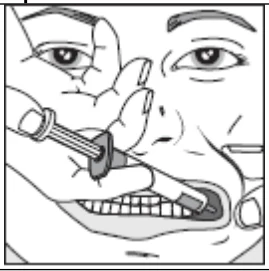
| Using the finger and thumb gently pinch and pull back the patient’s cheek. Put the tip of the syringe into the back of the space between the inside of the cheek and the lower gum. |
|---|
Step 4
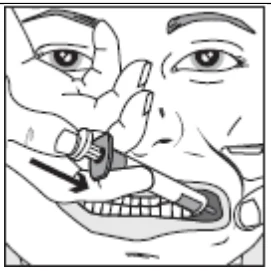
Slowly press the syringe plunger until the plunger stops. The full amount of solution should be inserted slowly into the space between the gum and the cheek (buccal cavity). If prescribed by your doctor (for larger volumes and/or smaller patients), you can give approximately half the dose slowly into one side of the mouth, then into the other side of the patient’s mouth. |
|---|
When to call an ambulance
ALWAYS follow the treatment advice provided by the patient’s doctor or as explained by a healthcare professional. If in any doubt, call for immediate medical help if:
- The seizure does not stop within 10 minutes
- You’re unable to empty the syringe or you spill some of the contents
- The patient’s breathing slows down or stops e.g. slow or shallow breathing or blue lips
- You observe signs of a heart attack which may include chest pain or pain that spreads to the neck and shoulders and down the left arm
- The patient is sick (vomits) and the seizure does not stop within 10 minutes
- You give too much BUCCOLAM and there are signs of overdose which include:
- Drowsiness, tiredness, fatigue

- Confusion or feeling disorientated
- Absence of knee reflex or a response to a pinch
- Breathing difficulties (slow or shallow breathing)
- Low blood pressure (giddiness and feeling faint)
- Coma
Keep the syringe to show to the ambulance staff or doctor.
Do not give more than the amount of medicine prescribed by a doctor for the patient.
If the patient is sick (vomits)
- Do not give the patient another dose of BUCCOLAM.
- If the seizure does not stop within 10 minutes, call an ambulance.
If you have any further questions on the use of this medicine, ask a doctor or pharmacist.
4. Possible side effects
Like all medicines, this medicine can cause side effects, although not everybody gets them.
Serious side effects
Seek medical advice immediately or telephone for an ambulance if the patient experiences the following:
- Severe breathing difficulties e.g. slow or shallow breathing or blue lips. In very rare cases breathing might stop.
- Heart attack. Signs may include chest pain which may spread to the patient’s neck and shoulders and down their left arm.
- Swelling of the face, lips, tongue or throat which makes it difficult to swallow or breathe, or a pale skin, a weak and rapid pulse, or feeling of loss of consciousness. You may be having a serious allergic reaction.
Other side effects
If the patient gets any side effects, talk to their doctor, pharmacist or nurse. This includes any possible side effects not listed in this leaflet.
Common side effects (may affect up to 1 in 10 people):
- Feeling and being sick
- Sleepiness or losing consciousness
Uncommon side effects (may affect up to 1 in 100 people):
- Rash, hives (lumpy rash), itchiness
Very rare side effects (may affect up to 1 in 10,000 people):
- Agitation, restlessness, hostility, rage or aggression, excitement, confusion, euphoria (an excessive feeling of happiness or excitement), or hallucinations (seeing and possibly hearing things that are not really there)
- Muscle spasms and muscle tremors (shaking of your muscles that you cannot control)
- Reduced alertness
- Headache
- Dizziness
- Difficulty co-ordinating muscles
- Fits (convulsions)
- Temporary memory loss. How long this lasts depends on how much BUCCOLAM was given
- Low blood pressure, slow heart rate, or redness of the face and neck (flushing)
- Laryngospasm (tightening of the vocal cords causing difficult and noisy breathing)
- Constipation
- Dry mouth
Tiredness
- Hiccups
Reporting of side effects
If you get any side effects, talk to your doctor, pharmacist or nurse. This includes any possible side effects not listed in this leaflet. You can also report side effects directly via Yellow Card Scheme, Website: www.mhra.gov.uk/yellowcard or search for MHRA Yellow Card in the Google Play or Apple App Store.
By reporting side effects you can help provide more information on the safety of this medicine.
5. How to store BUCCOLAM
Keep this medicine out of the sight and reach of children.
Do not give this medicine after the expiry date which is stated on the carton, tube and oral syringe labels after EXP. The expiry date refers to the last day of that month.
Do not refrigerate or freeze.
Keep the oral syringe in the protective plastic tube.
Do not use this medicine if the packaging has been opened or damaged.
Disposal of oral syringes
Do not throw away any medicines via wastewater or household waste. Ask your pharmacist how to throw away medicines you no longer use. These measures will help to protect the environment.
If your medicine becomes discoloured or shows any signs of deterioration consult your pharmacist who will advise you what to do.
6. Contents of the pack and other
What BUCCOLAM contains
- The active substance is midazolam
- Each 5 mg pre-filled oral syringe contains 5 mg midazolam (as hydrochloride) in 1 ml solution.
- Each 7.5 mg pre-filled oral syringe contains 7.5 mg midazolam (as hydrochloride) in 1.5 ml solution.
- Each 10 mg pre-filled oral syringe contains 10 mg midazolam (as hydrochloride) in 2 ml solution.
The other ingredients are sodium chloride, water for injections, hydrochloric acid and sodium hydroxide (for pH adjustment).
What BUCCOLAM looks like and contents of the pack
1 year to less than 5 years: 5 mg
-blue labelled packaging
5 years to less than 10 years: 7.5 mg
-purple labelled packaging
10 years and above: 10 mg
-orange labelled packaging
BUCCOLAM oromucosal solution is a clear, colourless to yellowish liquid.
It is supplied in an amber coloured pre-filled, single-use oral syringe. Each oral syringe is individually packed in a protective plastic tube.
BUCCOLAM is available in cartons containing 4 pre-filled oral syringes/tubes (of the same dose).
Name and address of the product licence holder and manufacturer BUCCOLAM is manufactured by Laboratorios Lesvi, S.L., Avda., Barcelona 69, 08970 Sant Joan Despí, Barcelona, Spain or Shire Pharmaceuticals Ireland Limited, Block 2 & 3 Miesian Plaza, 50 - 58 Baggot Street Lower, Dublin 2, Ireland or neuraxpharm Arzneimittel GmbH, Elisabeth-Selbert-Str. 23, 40764 Langenfeld, Germany or Neuraxpharm Pharmaceuticals SL, Avda. Barcelona 69, 08970 Sant Joan Despi, Barcelona, Spain.
Procured from within the EU and repackaged in the UK by the Parallel Import Product Licence holder: CD Pharma Ltd, 4 Cairn Court, East Kilbride, G74 4NB.
BUCCOLAM 5mg Oromucosal Solution
PL 20492/0687
BUCCOLAM 7.5mg Oromucosal Solution
PL 20492/0688
BUCCOLAM 10mg Oromucosal Solution
PL 20492/0689
Date of preparation: 22nd May 2026
BUCCOLAM is a registered trademark.
Blind or partially sighted? Is this leaflet hard to see or read?
Call 01355 204 448 to obtain a leaflet in a format suitable for you.
Buccolam® Prefilled Plastic Syringes:
instructions for correct administration
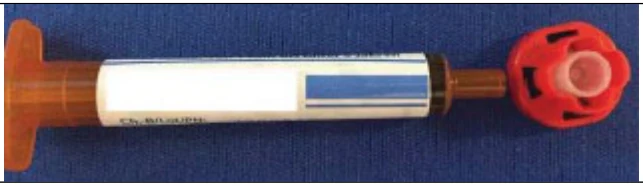
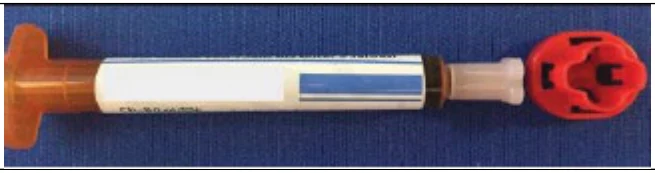
The clear tip-cap of Buccolam syringes can sometimes remain attached to the syringe after the red cap has been taken off. If this happens, the tip-cap can detach in the patient’s mouth and they might breathe it in or swallow it. If this happens, this could be a choking hazard.
Continue to give Buccolam as your doctor, nurse or pharmacist has told you to.
Buccolam remains safe to use. Before use of Buccolam, you must follow the instructions below:
|
|---|
Correct
|
|---|
Incorrect
|
|---|
| If you think the tip-cap is in the patient’s mouth, do not insert a finger into the mouth to look for it or remove it. Instead, turn the patient onto their side (recovery position) and make sure they spit it out when they stop fitting. |
|---|

Call for reporting
If you get any side effects, talk to your doctor, pharmacist or nurse. You should also tell them about any occasions in which the translucent tip-cap remained attached to the syringe.
You can also report side effects directly via the Yellow Card Scheme website
https://yellowcard.mhra.gov.uk/ or search for MHRA Yellow Card in the Google Play or Apple App Store.
By reporting side effects, you can help provide more information on the safety of this medicine.
Date of revised Leaflet: 22nd May 2026