

Summary of Product Characteristics (SmPC) - BCG Medac 2 x 10^8 - 1.5 x 10^9 Cfu powder and solvent for intravesical suspension
1 NAME OF THE MEDICINAL PRODUCT
BCG-medac 2 x 10⁸ – 1.5 x 10⁹ cfu Powder and solvent for intravesical suspension
2 QUALITATIVE AND QUANTITATIVE COMPOSITION
After reconstitution, one vial contains:
BCG (Bacillus Calmette Guérin) bacteria derived from Mycobacterium bovis, seed RIVM derived from seed 1173-P2, viable units 2 x 10⁸ to 1.5 x 10⁹
For the full list of excipients, see section 6.1.
3 PHARMACEUTICAL FORM
Powder and solvent for intravesical suspension
Powder:
White or almost white powder or porous cake with shades of yellow and grey
Solvent:
Colourless, clear solution
4 CLINICAL PARTICULARS
4.1 Therapeutic indications
BCG-medac is indicated for:
- the treatment of primary or concurrent carcinoma-in-situ of the urinary bladder
- the prevention of recurrence of high-risk non-muscle invasive urothelial bladder carcinoma (pTaG3, pT1G2, pT1G3) after transurethral resection
- the treatment and/or the prevention of recurrence of aggressive variants of urothelial carcinoma, for example micropapillary or nested variants.
4.2 Posology and method of administration
BCG-medac must be administered by healthcare professionals experienced in this therapy.
BCG-medac is intended for intravesical use following reconstitution. For instructions on preparation of the BCG-medac suspension before administration, see section 6.6.
Posology
Adults and the elderly
The content of one vial, resuspended as indicated, is required for one instillation into the urinary bladder.
Induction therapy
BCG therapy should begin about 2 – 3 weeks after transurethral resection (TUR) or bladder biopsy. Treatment should not be started until mucosal lesions after TUR have healed. Treatment should also be delayed in cases of gross haematuria or major bladder irritability. Care should be taken to avoid traumatic catheterisation for BCG therapy.
Induction is weekly instillation of BCG-medac for 6 weeks. This should be followed by maintenance therapy, described below.
Maintenance therapy
Maintenance treatment consists of 3 instillations at weekly intervals given at months 3, 6, 12 after initiation of treatment. Maintenance treatment could continue at 6-monthly intervals for up to 3 years, if appropriate.
Although maintenance therapy reduces recurrence and may reduce progression, the adverse reactions and discomfort of the treatment may outweigh the benefits for some patients. Thus, benefit-risk assessment and consideration of patient preferences is important before beginning or continuing maintenance treatment. The need for maintenance treatment every 6 months beyond the first year of treatment should further be evaluated on the basis of tumour classification and clinical response.
Paediatric population
The safety and efficacy of BCG-medac in children have not been established. No data are available.
Method of administration
The patient should not drink any fluid for a period of 4 hours before the instillation until 2 hours after instillation.
A urethral catheter is inserted into the bladder under aseptic conditions. A sufficient quantity of lubricant should be used to reduce the chance of traumatising the urinary mucosa and therefore the risk of severe complications and also to reduce discomfort for the patient. The bladder must be emptied before BCG instillation.
BCG-medac is instilled into the bladder via the urethra by means of a catheter at low pressure. The instilled BCG-medac suspension should remain in the bladder for a period of 2 hours. During this period the suspension should have sufficient contact with the entire mucosal surface of the bladder, therefore, the patient should be mobilised as much as possible or, in case of a bed-ridden patient, should be turned over from back to abdomen and vice versa every 15 minutes. After 2 hours, the patient should void the instilled suspension in a sitting position.
Urine should be voided in a sitting position for 6 hours after treatment and two cups of household bleach should be added to the toilet before flushing. The bleach and urine should be left to stand in the toilet for 15 minutes before flushing.
For the 48 hours following each instillation, advise patients to drink more water than usual to achieve hyper-hydration, if possible.
Patients treated with BCG-medac should be given the package leaflet and the patient alert card.
4.3 Contraindications
Hypersensitivity to the active substance or to any of the excipients listed in section 6.1.
BCG-medac should not be used in immunosuppressed patients with congenital or acquired immune deficiencies, whether due to concurrent disease (e.g., positive HIV serology, leukaemia, lymphoma), cancer therapy (e.g., cytostatic medicinal products, radiation) or immunosuppressive therapy (e.g., corticosteroids).
BCG-medac should not be administered to patients with active tuberculosis or on anti-tuberculosis drugs. The risk of active tuberculosis must be ruled out from the medical history and, if indicated, by diagnostic tests according to local guidelines.
Past history of radiotherapy to the bladder.
Treatment with BCG-medac is contraindicated in women during lactation and pregnancy (see section 4.6).
BCG-medac must not be instilled before 2 to 3 weeks after a TUR, a bladder biopsy or a traumatic catheterisation.
Perforation of the bladder which might result in increased risk of severe systemic infections (see section 4.4).
Acute urinary tract infection (see section 4.4). Asymptomatic, isolated leukocyturia and asymptomatic bacteriuria are not contraindications for intravesical therapy with BCG-medac, and antibiotic prophylaxis is not necessary.
4.4 Special warnings and precautions for use
BCG-medac must not be used subcutaneously, intradermally, intramuscularly or intravenously or for vaccination.
Handling precautions
BCG-medac should not be handled either in the same room or by the same personnel preparing cytotoxic medicinal products for intravenous administration. BCG-medac should not be handled by a person with immunodeficiency. Contact of BCG-medac with skin and mucosa should be avoided. Contamination can lead to hypersensitivity reaction or infection of the concerned area.
Spillage of BCG-medac
Spillage of BCG-medac suspension should be treated with a disinfectant with proven activity against mycobacteria, such as household bleach. Spillage on the skin should be treated with an appropriate disinfectant.
General hygiene for the patient
It is recommended to wash hands and genital area after micturition. This applies especially to the first micturitions following BCG instillation. If skin lesions are contaminated, the use of an appropriate disinfectant is recommended.
Tuberculin cutaneous tests
Cutaneous tests
The intravesical treatment with BCG-medac could induce sensitivity to tuberculin and complicate subsequent interpretation of tuberculin cutaneous tests for mycobacterial infection diagnosis. Therefore, a Tuberculin test (PPD) should be performed before administration of BCG-medac.
Detection of Bacillus Calmette-Guérin
Physicians should be aware that detection of BCG bacteria from a biopsy is difficult and negative test results do not rule out a systemic infection. In several cases BCG detection was not successful even though the patient experienced a systemic infection. The available methods (microscopy, PCR and/or cultures and/or a detection of tuberculosis-compatible histology) are not reliable.
Severe systemic BCG infections/reactions
Traumatic instillation could promote BCG-septicaemic events with possible septic shock and a life- threatening situation. For treatment options see section 4.8.
Urinary tract infection should be excluded before each bladder instillation of BCG (bladder mucous membrane inflammation may increase the risk of haematological dissemination of BCG). If a urinary tract infection is diagnosed during BCG therapy, the therapy should be interrupted until the urinalysis is normalised and treatment with antibiotics is completed.
The possibility of severe systemic BCG-infections with the necessity of anti-tuberculosis therapy has to be considered before starting the BCG therapy, especially in elderly patients (see Elderly patients) and patients with hepatic impairment.
Severe systemic BCG infections/reactions have been reported in less than 5 %. For signs and symptoms please refer to section 4.8.
If a systemic BCG infection is suspected, a physician specialised in infectious diseases should be consulted. BCG-infection can be potentially fatal. For further information please refer to section 4.8.
Reiter’s syndrome presents as a mainly immuno-mediated reaction, which is not necessarily caused by disseminated BCG but could also be triggered by BCG localised in the urinary tract system.
Fever or gross haematuria
Treatment should be postponed until resolution of concurrent fever or gross haematuria.
Low bladder capacity
The risk of bladder contracture may increase in patients with low bladder capacity.
HLA-B27
Patients with positive HLA-B27 could have an increase of the occurrence of reactive arthritis or Reiter’s syndrome.
Flare-up of latent BCG infection (including delayed diagnosis)
There have been single case reports in which BCG bacteria persisted in the body for several years. Latent tuberculosis infections might flare-up years after the initial infection, arising especially from granulomatous pneumonitis, abscesses, infected aneurysms, infection of an implant, graft or the surrounding tissue.
The patient has to be made aware of the possibility of late flare-up of latent BCG-infections and educated regarding the actions if symptoms like fever and weight loss of unknown origin occur.
Please note that a patient alert card with focus on this topic is available in the packaging and must be handed over to the patient.
In case of suspicion of a flare-up of latent tuberculosis, a physician specialised in infectious diseases should be consulted.
Elderly patients
BCG administration in elderly patients is not contraindicated. However, the risk of a systemic BCG infection/reaction should be considered before the first administration is performed. Elderly patients may suffer from renal or hepatic impairment which could have an influence on the treatment with anti-tuberculosis medicinal products in case of severe systemic BCG infection/reaction. Caution should also be exercised in elderly patients with reduced general condition.
Patients with contact to immunosuppressed persons
Patients treated with BCG-medac should employ adequate hygienic measures if in contact with immunosuppressed patients. Mycobacterium bovis is less pathogenic than Mycobacterium tuberculosis and man-to-man transmission has not been reported yet, but it cannot be excluded especially in immunosuppressed patients.
Sexual transmission
Sexual transmission of BCG has not been reported yet, but it is recommended to refrain from intercourse or use a condom for one week after BCG therapy.
Traceability
In order to improve the traceability of biological medicinal products, the name and the batch number of the administered product should be clearly recorded.
4.5 Interaction with other medicinal products and other forms of interaction
BCG-medac is sensitive to most antibiotics and in particular to anti-tuberculosis medicinal products (e.g., ethambutol, streptomycin, p-aminosalicylic acid [PAS], isoniazid [INH] and rifampicin). Resistance against pyrazinamide and cycloserine has been described.
During intravesical BCG instillation therapy, simultaneous administration of anti-tuberculosis agents and antibiotics like fluoroquinolones, doxycycline or gentamicin should be avoided due to sensitivity of BCG to those medicinal products. If a patient is being treated with an antibiotic, it is recommended to postpone the intravesical instillation until the end of the antibiotic-treatment (see also "Contraindications").
4.6 Fertility, pregnancy and lactation
Pregnancy
There are no or limited amount of data from the use of BCG in pregnant women. Reproductive animal studies were not performed. BCG-medac is not recommended during pregnancy.
Breast-feeding
There is insufficient information on the excretion of BCG/metabolites in human milk. BCG-medac is contraindicated during breast-feeding (see section 4.3).
Fertility
Intravesical BCG therapy was found to adversely affect spermatogenesis and might cause oligospermia or azoospermia. Animal studies are insufficient with respect to reproductive toxicity. However, men should seek advice about the possibility of sperm preservation before starting therapy.
4.7 Effects on ability to drive and use machines
Local or systemic symptoms during therapy with BCG-medac could affect the ability to drive or operate machines.
4.8 Undesirable effects
Undesirable effects are listed below by system organ class and frequency. Frequencies below are defined as: Very common (≥ 1/10), common (≥ 1/100 to < 1/10), uncommon (≥ 1/1,000 to < 1/100), rare (≥ 1/10,000 to < 1/1,000), very rare (< 1/10,000) or not known (cannot be estimated from the available data).
Within each frequency grouping, undesirable effects are presented in order of decreasing seriousness.
| System organ class | Frequency and undesirable effects |
| Infections and infestations | Very common Cystitis and inflammatory reactions (granuloma) of the bladder, asymptomatic granulomatous prostatitis Uncommon Urinary tract infection, orchitis, epididymitis, symptomatic granulomatous prostatitis, severe systemic BCG reaction/infection, BCG sepsis, miliary pneumonitis, skin abscess, Reiter’s syndrome (conjunctivitis, asymmetrical oligoarthritis and cystitis) Rare Vascular infection (e.g. infected aneurysm), renal abscess Very rare BCG infection of implants and surrounding tissue (e.g. aortic graft infection, cardiac defibrillator, hip or knee arthro-plasty), regional lymph node infection, osteomyelitis, bone marrow infection, peritonitis, psoas abscess, infection of the glans penis, orchitis or epididymitis resistant to anti-tuberculosis therapy |
| Blood and lymphatic system disorders | Uncommon Cytopenia, anaemia Very rare Cervical lymphadenitis Not known Haemophagocytic syndrome |
| Immune system disorders | Very common Transient systemic BCG reaction (fever < 38.5 °C, flu-like symptoms including malaise, fever, chills, general discomfort, myalgia) Very rare Hypersensitivity reaction (e.g., oedema of eyelids, cough) |
| Eye disorders | Very rare Chorioretinitis, conjunctivitis, uveitis |
| Vascular disorders | Uncommon Hypotension Very rare Vascular fistula Not known Vasculitis (including vasculitis of the central nervous system) |
| Respiratory, thoracic and mediastinal disorders | Uncommon Pulmonary granuloma |
| Gastrointestinal disorders | Very common Nausea Common Diarrhoea, abdominal pain Very rare Vomiting, intestinal fistula |
| Hepatobiliary disorders | Uncommon Hepatitis |
| Skin and subcutaneous tissue disorders | Uncommon Skin rash |
| Musculoskeletal and connective tissue disorders | Common Myalgia Uncommon Arthritis, arthralgia |
| Renal and urinary disorders | Very common Frequent urination with discomfort and pain Common Urinary incontinence Uncommon Macroscopic haematuria, bladder retention, urinary tract obstruction, contracted bladder Not known Renal failure, pyelonephritis, nephritis (including tubulointerstitial nephritis, interstitial nephritis and glomerulonephritis) |
| Reproductive system and breast disorders | Not known Genital disorders (e.g., vaginal pain, dyspareunia), oligospermia, azoospermia |
| General disorders and administration site conditions | Very common Fatigue Common Fever > 38.5 °C Very rare Peripheral Oedema |
| Investigations | Uncommon Hepatic enzyme increased Not known Prostatic specific antigen (PSA) increased |
Adverse reactions of BCG treatment are frequent but generally mild and transient. Adverse reactions usually increase with the number of BCG instillations.
In common cases myalgia and in uncommon cases, arthritis/arthralgias and skin rash may occur. In most cases of arthritis, arthralgias and skin rash, these can be attributed to hypersensitivity reactions of the patient to BCG. It may be necessary in some cases to discontinue the administration of BCG-medac.
Local adverse reactions
Discomfort and pain when urinating and frequent urination occur in up to 90 % of patients. The cystitis and inflammatory reaction (granulomata) may be an essential part of the anti-tumour activity. Other observed local adverse reactions are macroscopic haematuria, urinary tract infection, bladder retraction, urinary obstruction, bladder contracture, symptomatic granulomatous prostatitis, orchitis and epididymitis. Renal abscess is rarely observed. Furthermore, genital disorders (e.g., vaginal pain, dyspareunia) may occur with an unknown frequency.
Transient systemic BCG reaction
Low grade fever, flu-like symptoms and general discomfort may occur. These symptoms usually subside within 24 – 48 hours and should be managed by standard symptomatic treatment. These reactions are signs of a starting immune reaction. All patients receiving the medicinal product should be carefully monitored and advised to report all incidences of fever and other events outside the urinary tract.
Severe systemic adverse reactions/infections
Distinguishing a BCG infection from a BCG immune reaction poses a challenge, as the symptoms are very similar at the beginning. In contrast to this, a transient systemic BCG reaction is a very common adverse reaction that must be differentiated.
The clinical signs and symptoms of a BCG infection/reaction at the beginning are fever > 39.5 °C during at least 12 hours, fever > 38.5 °C during at least 48 hours and worsening of general condition.
Typical signs of an infection are the development of miliary pneumonia, granulomatous hepatitis, liver function test abnormalities (especially an elevation in alkaline phosphatase), organic dysfunction (other than genito-urinary tract) with granulomatous inflammation at biopsy over time.
If a systemic BCG infection is suspected, a physician specialised in infectious diseases should be consulted. BCG infection can be potentially fatal.
Although the symptoms of a systemic BCG infection do not differ from tuberculosis, the patient does not need to be isolated, because Mycobacterium bovis is less pathogenic for humans than Mycobacterium tuberculosis.
In case of flare-up of a latent infection the patients usually present with symptoms of fever and weight loss of unknown origin. Several case reports show that the diagnosis is challenging as the symptoms vary and a causal relationship with BCG infection is not suspected by physicians.
Early diagnosis and appropriate treatment are important for the outcome, especially in elderly or debilitated patients, to avoid fatal consequences.
A physician specialised in infectious diseases should be consulted.
The additional use of corticosteroids is recommended in case of sepsis, granulomatous reactions (e.g. lung or liver) and other immune-mediated reactions.
Treatment recommendations see table below.
| Treatment of symptoms, signs and syndrome | |
| Symptoms, signs or syndrome | Treatment |
| Symptomatic treatment |
| Discontinue therapy with BCG-medac and start treatment with quinolones. If after 10 days no complete resolution is observed, administer isoniazid (INH)* for 3 months. In case of anti-tuberculosis treatment, therapy with BCG-medac should definitively be discontinued. |
| Postpone BCG-medac therapy until the urinalysis is normalised and treatment with antibiotics is completed. |
granulomatous prostatitis, epididymitis and orchitis, urethral obstruction and renal abscess | Discontinue therapy with BCG-medac. Administer isoniazid (INH)* and rifampicin* for 3 to 6 months according to severity. In case of anti-tuberculosis treatment, therapy with BCG-medac should definitively be discontinued. |
| Symptomatic treatment with paracetamol. |
| Discontinue therapy with BCG-medac. Consider a consultation with a specialist for infectious diseases. Administer antihistaminic or non-steroidal anti-inflammatory drugs. Cortisone therapy should be considered in case of immune-mediated reactions. If no response, administer isoniazid* for 3 months. In case of anti-tuberculosis treatment, therapy with BCG-medac should definitively be discontinued. |
reaction/infection** without septic shock signs ** see definition systemic BCG reaction/infection section 4.4 | Definitely discontinue therapy with BCG-medac. Consider a consultation with a specialist for infectious diseases. Administer a triple-drug anti-tuberculosis therapy* for 6 months and low dose corticosteroid therapy. |
reaction/infection with septic shock signs | Definitely discontinue treatment with BCG-medac. Administer immediately a triple anti-tuberculosis therapy* combined with high-dose, quick-acting corticosteroids. Seek the opinion of a specialist for infectious diseases. |
*Caution: BCG bacteria are sensitive to all anti-tuberculosis medicinal products currently used, except for pyrazinamide and cycloserine. If a triple anti-tuberculosis therapy is necessary, the combination usually recommended is isoniazid (INH), rifampicin and ethambutol.
Reporting of suspected adverse reactions
Reporting suspected adverse reactions after authorisation of the medicinal product is important. It allows continued monitoring of the benefit/risk balance of the medicinal product. Healthcare professionals are asked to report any suspected adverse reactions via the Yellow Card Scheme at: www.mhra.gov.uk/yellowcard or search for MHRA Yellow Card in the Google Play or Apple App Store.
4.9 Overdose
Overdose is unlikely to occur as one vial of BCG-medac corresponds to one dose.
There are no data indicating that an overdose may lead to any other symptoms than the described undesirable effects (see section 4.8).
5 PHARMACOLOGICAL PROPERTIES
5.1 Pharmacodynamic properties
Pharmacotherapeutic group: Immunostimulants – Other immunostimulants ATC code: L03AX03
BCG-medac is a lyophilised suspension of live Bacillus Calmette-Guérin bacteria with low infectious potential derived from Mycobacterium bovis, strain RIVM.
Mechanism of action
BCG-medac stimulates the immune system and has anti-tumour activity. Study data suggest that BCG acts as a non-specific immunopotentiator, not by a single mechanism but by a variety of actions involving cells of the immune system. BCG has a stimulating effect on the spleen, enhances macrophage function in the spleen and activates natural killer cells. BCG instillation stimulates the increase of granulocytes, monocytes/macrophages and T-lymphocytes, indicating local activation of the immune system. Cytokines IL1, IL2, IL6 and TNFα are also increased.
5.2 Pharmacokinetic properties
Most of the bacilli are excreted in the urine in the first hours after the instillation. BCG attachment to the bladder urothelium has been shown to be important for induction of the pharmacological effect at the site of application. There have been single case reports in which BCG bacteria persisted in the urinary tract for more than 16 months (see section 4.4).
5.3 Preclinical safety data
BCG strain RIVM was tested for toxicity, immunostimulatory properties and anti-tumour activity in a variety of animals. High doses of BCG caused weight retardation in mice, and liver disturbance was also observed. Intravenous injection in rabbits appeared to be pyrogenic. Repeated instillations in guinea pigs induced inflammatory reactions in the bladder wall. As unwanted adverse reactions granulomatous lesions in the liver and lung were observed after high doses. Intravesical application in dogs showed minimal mechanical lesions of the urothelium whereas no signs of active inflammation were observed in the sub-urothelial stroma.
No mutagenicity, carcinogenicity and reproduction studies have been performed.
6 PHARMACEUTICAL PARTICULARS
6.1 List of excipients
Powder: polygeline, glucose anhydrous and polysorbate 80.
Solvent: sodium chloride and water for injections.
6.2 Incompatibilities
BCG-medac is incompatible with hypotonic and hypertonic solutions.
6.3 Shelf life
2 years.
After reconstitution the product should be used immediately.
6.4 Special precautions for storage
Store in a refrigerator (2 °C – 8 °C).
Do not freeze.
Store in the original package in order to protect from light.
For storage conditions after reconstitution of the medicinal product, see section 6.3.
6.5 Nature and contents of container
Powder in a vial (type I glass) with a rubber stopper + 50 ml of solvent in a bag (advanced polypropylene, APP) with a vial connector and a catheter connector, with or without catheter and Luer-Lock to conical connector.
Pack sizes:
- 1, 3, 5 or 6 vial(s), solvent bag(s), Luer-Lock to conical connector(s), with or without catheter(s).
- 1 or 3 vial(s), solvent bag(s), with or without catheter(s).
Not all pack sizes may be marketed.
6.6 Special precautions for disposal
Important information on the use of BCG-medac
BCG-medac may only be used by experienced healthcare professionals. Ensure suitable storage (see section 6.4) and the integrity of the packaging. BCG-medac should be administered in the conditions required for intravesical endoscopy.
BCG-medac must not be administered subcutaneously, intradermally, intramuscularly, intravenously or for vaccination against tuberculosis. The Luer-Lock catheter connector of the solvent bag may only be used for intravesical instillation!
Basic principles and protective measures for the use of BCG-medac
In general, direct contact with BCG-medac should be avoided. BCG-medac is a medicinal product that can cause infection in humans and pose a risk to healthcare professionals. A hazard may occur if the medicinal product is able to enter the body via injured skin, if aerosols are inhaled, droplets get into the eyes or come into contact with mucous membranes, or if ingested. Do not eat, drink or smoke in the work areas and do not store any food, drinks or tobacco products here. BCG-medac must not be handled in a room in which cytotoxic medicinal products are being prepared for intravenous use, nor handled by personnel who are preparing cytotoxic medicinal products for intravenous use.
The medicinal product must not be handled by persons with a known immunodeficiency.
It is recommended that closed, splashproof protective gown, disposable gloves, an FFP2 respirator mask and safety goggles with side shields are worn as personal protective equipment during handling. BCG-medac may only be transported in closed containers (for storage conditions after reconstitution, see section 6.3). After finishing work, wipe down the work surfaces with suitable disinfectant solution. After working and in the case of contact with skin, disinfect your hands using hand disinfectant, allow them to dry, wash them and use skin care products.
Tuberculin cutaneous tests
The intravesical treatment with BCG-medac could induce sensitivity to tuberculin and complicate subsequent interpretation of tuberculin cutaneous tests for mycobacterial infection diagnosis. Therefore, reactivity to tuberculin should be measured before administration of BCG-medac.
Preparation of the reconstituted intravesical suspension
Before use, the medicinal product must be resuspended under aseptic conditions using sterile 0.9% (9 mg/ml) sodium chloride solution (see instructions for use, step 7). The catheter should be placed with special care to avoid injuries to the urethral and urinary bladder epithelium, which can lead to systemic BCG infection. Use of a lubricant is recommended to minimise the risk of traumatic catheterisation and to make the procedure more comfortable. Women might need less lubricant than men. It has not been observed that a possible antiseptic effect of the lubricant may influence the efficacy of the product. Drain the bladder after catheterisation to reduce the amount of lubricant potentially introduced before you administer BCG-medac. The suspension is mixed by gently swirling before use. Macroscopically visible particles have no influence on the efficacy and safety of the medicinal product.
The contents of the vial are intended for single use/single dose only. Any remaining suspension must be disposed of.
Any unused medicinal product or waste material should be disposed of in accordance with local requirements.
Behaviour in the event of emergencies and spillage of BCG-medac
Wear protective clothing and avoid stirring up dust.
Cover the spilled BCG-medac suspension with cellulose and moisten it with a disinfectant that is proven to be effective against mycobacteria. After wiping up the spilled BCG-medac suspension, clean the surface again with disinfectant solution and allow it to dry. Spillage on the skin should be treated using a suitable disinfectant.
First aid
Always consult a doctor in case of contamination.
In case of contact with the skin: remove contaminated clothing. Disinfect and clean the skin and check for contamination of wounds.
In case of contact with the eyes: rinse the affected eye with sufficient eyewash solution or, alternatively, with water. Remove contact lenses if applicable. In case of ingestion: rinse mouth with plenty of water.
In case of inhalation: ensure a sufficient supply of fresh air.
For further information regarding the catheter please see the corresponding instructions for use.
Instructions for users of BCG-medac
Constituents and application of the instillation set <with catheter, without Luer-Lock to conical connector>
Main constituents of the instillation set
| Main constituent | Description |
| A | Vial with powder |
| B | Protective cover |
| C | Solvent bag with 0.9% (9 mg/ml) sodium chloride solution |
| C1 | Vial connector with protective cap and break-open seal |
| C2 | Luer-Lock catheter connector with protective cap and break-open seal |
| C3 | Pressure clamp |
| C4 | Filling port without application function |
| D | Luer-Lock catheter |
| D1 | Lubricant |
| E | Disposal bag |
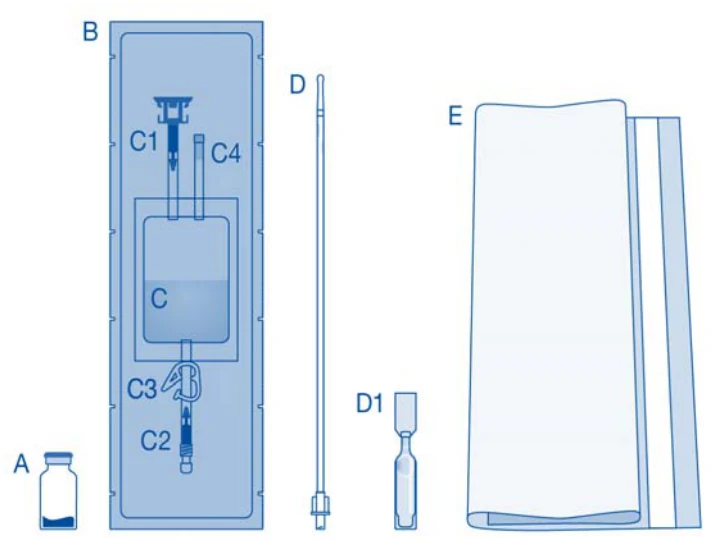
Connecting the vial to the solvent bag
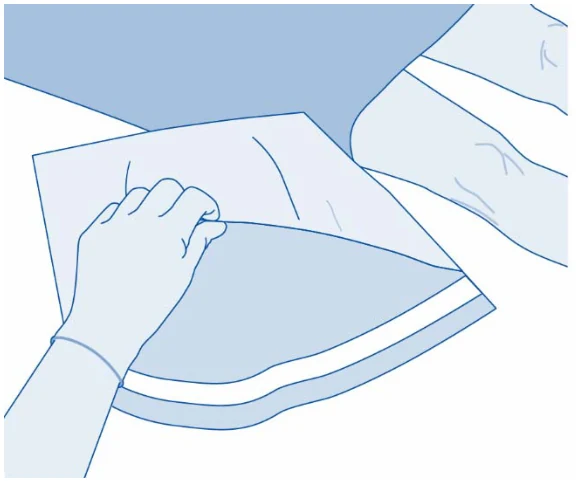
- 1. Lay out the disposal bag (E) ready for direct disposal of the set after instillation to prevent contamination.
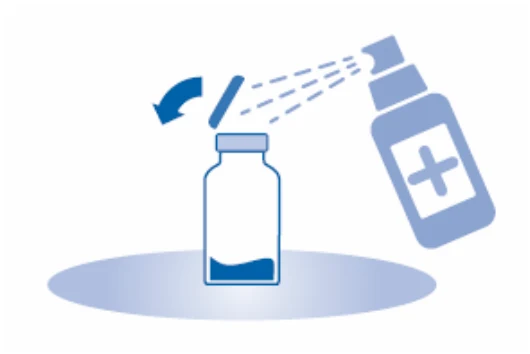
- 2. Remove the flip-off cap from the vial (A) and disinfect the stopper according to local regulations.
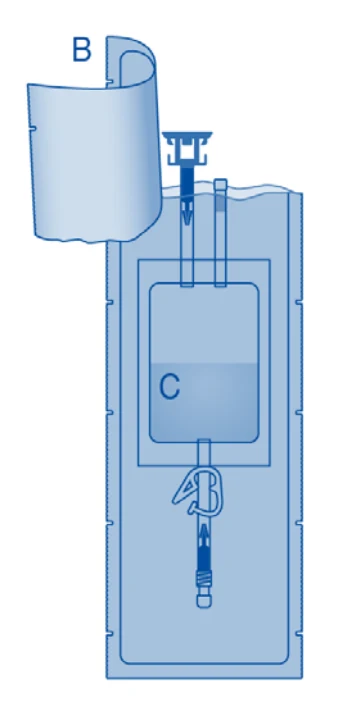
- 3. Tear open the protective cover (B) of the solvent bag (C) and remove the protective cover completely.
- 4. Remove the protective cap from the vial connector (C1).
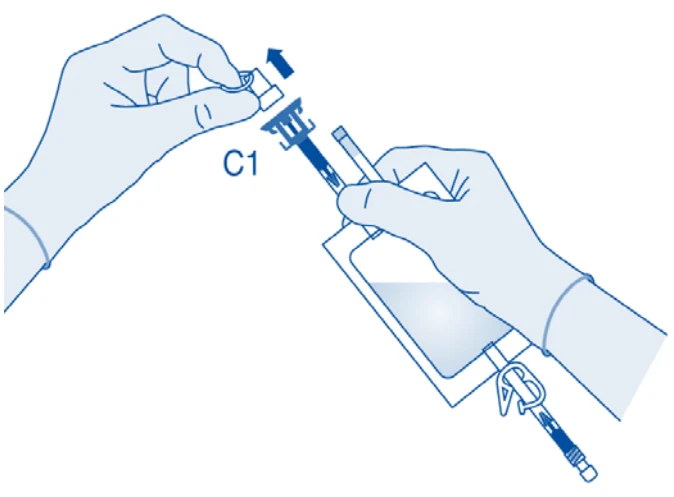
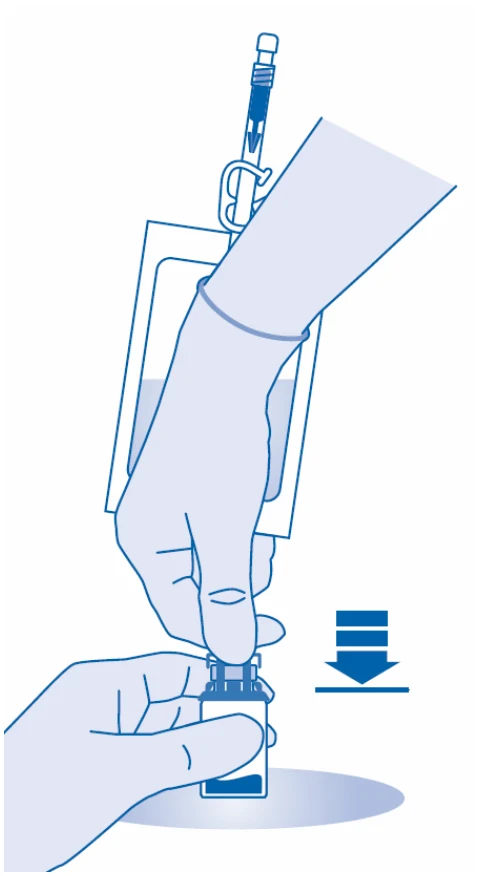
- 5. Push the connector onto the vial up to the stop.
Mixing the powder with the solvent
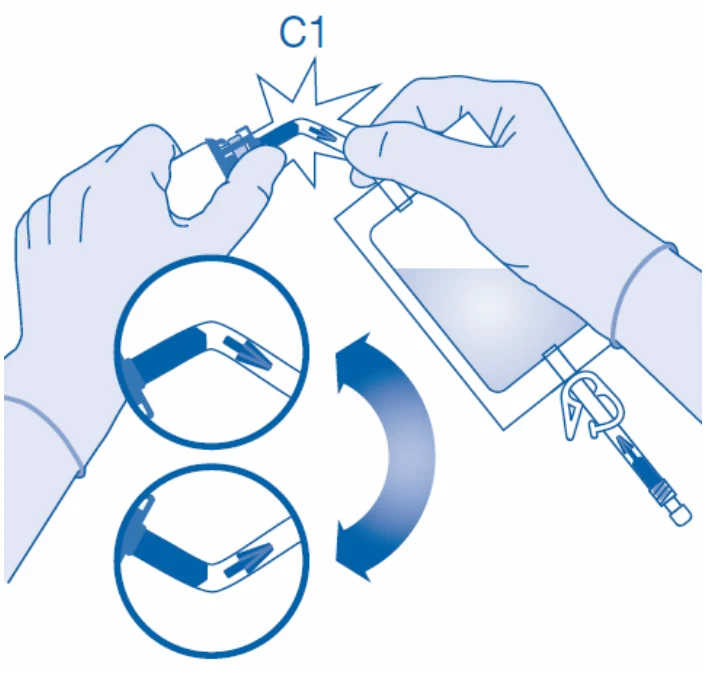
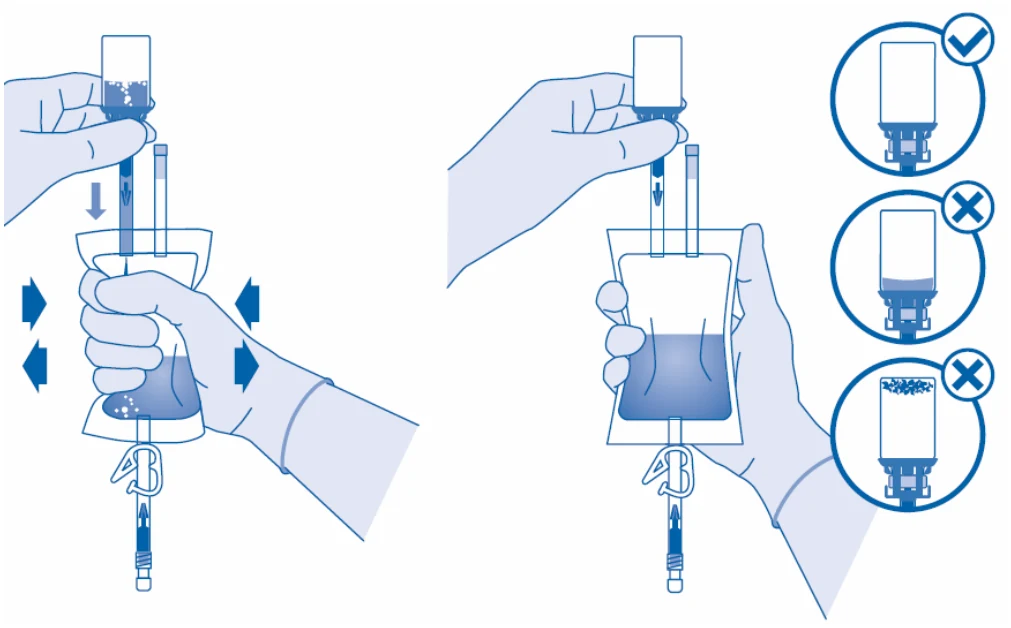
- 6. Bend the break-open seal inside the tube of the vial connector (C1) up and down multiple times to break the seal.
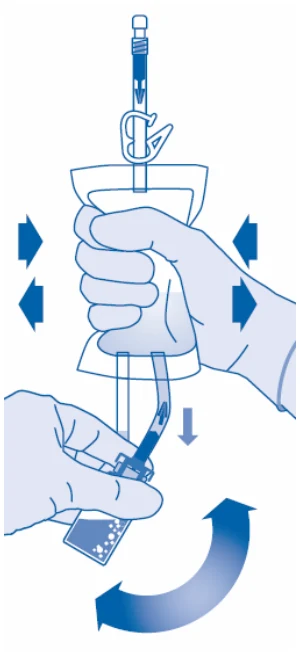
- 7.
Hold the solvent bag so that the vial is below it.
Squeeze the solvent bag multiple times to transfer enough solvent into the vial.
Make sure that the vial is not filled completely to allow for the subsequent transfer of the suspension into the solvent bag. Some solvent may remain inside the bag.
Swirl the vial slowly to minimise heavy foaming while mixing the medicinal product with the solvent. If there is a lot of foam, leave the vial to rest briefly (a few minutes).
The contents of the vial have to form a homogeneous suspension. This may take a few minutes.
- 8.
Turn the solvent bag upside down and hold it so that the vial is above it.
Hold the vial.
Squeeze the solvent bag multiple times until the vial is completely empty.
If any powder remains inside the vial, repeat steps 7 and 8.
From a microbiological point of view the medicinal product should be used immediately. If the medicinal product is not used immediately, please see section 6.3 “Shelf life”.
The suspension should not be instilled at refrigerator temperature in order to prevent the patient from feeling the need to urinate resulting in a shortened exposure time. 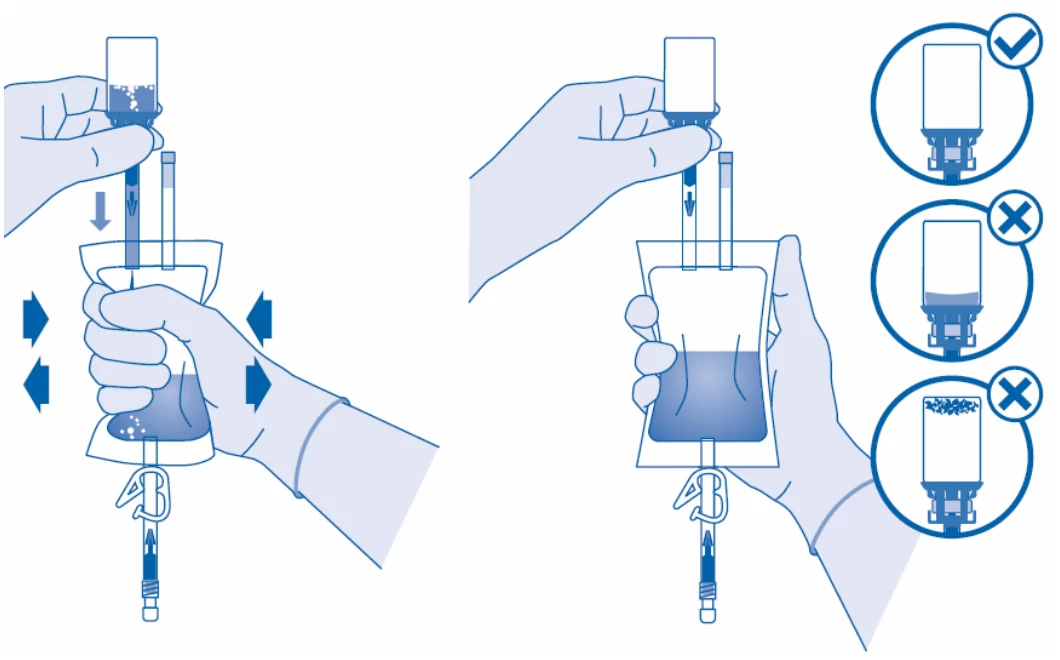
Catheterisation
- 9.
Catheterise the patient according to local regulations and the instructions for use using the enclosed Luer-Lock catheter (D) and lubricant (D1) or another suitable catheter and/or lubricant.
Empty the urinary bladder using the catheter.
Connecting the catheter to the solvent bag
- 10.
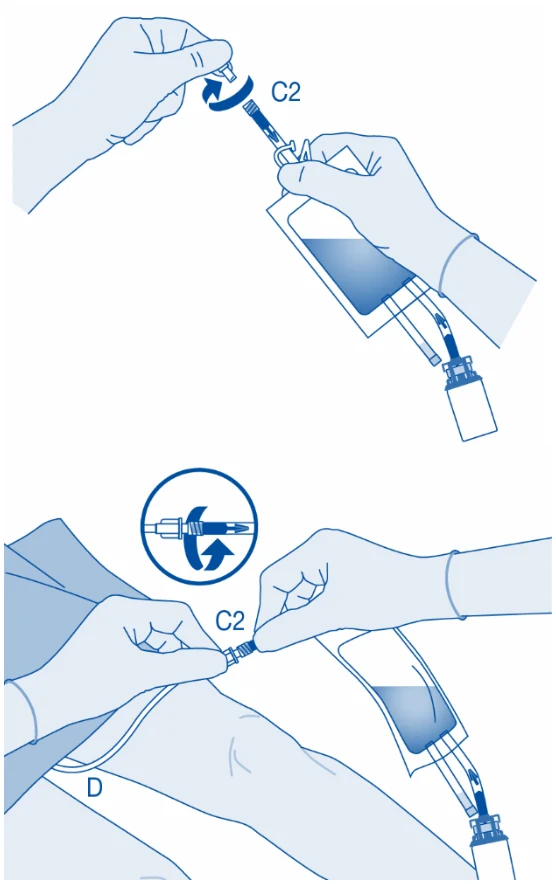
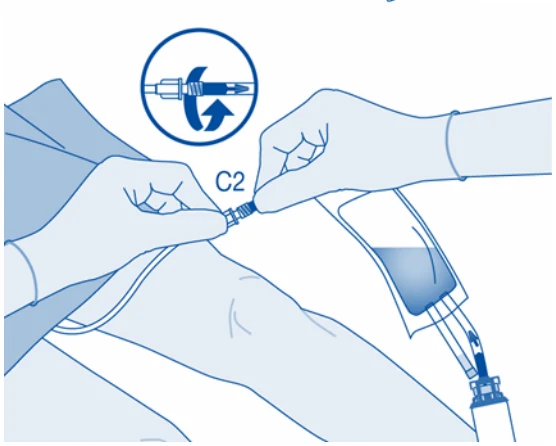
To mix any sediments, rotate and swirl the bag before connecting it.
Do not administer the suspension at refrigerator temperature.
Remove the protective cap from the catheter connector (C2).
Connect the patient’s Luer-Lock catheter (D) with the catheter connector (C2) of the solvent bag.
Instillation
- 11.
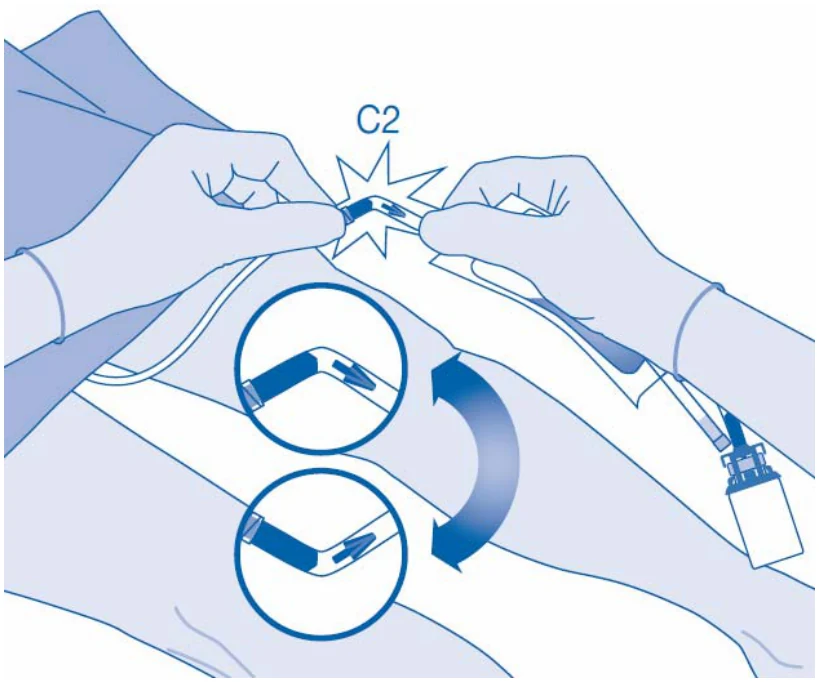
Bend the break-open seal inside the tube of the catheter connector (C2) up and down multiple times to break the seal.
Hold the patient’s catheter steady while doing so.
- 12.
Hold the solvent bag with the vial upside down above the bag.
Squeeze the solvent bag gently with the other hand so that the medicinal product is slowly instilled into the patient’s urinary bladder.
Continue to squeeze until the solvent bag and the vial are empty.
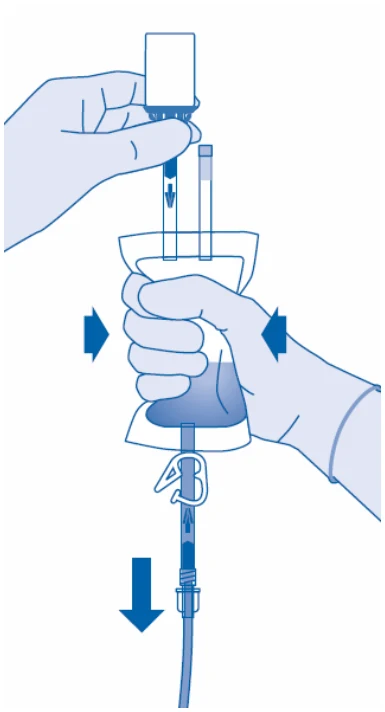
- 13. Squeeze the remaining air out of the solvent bag to empty the catheter as much as possible.
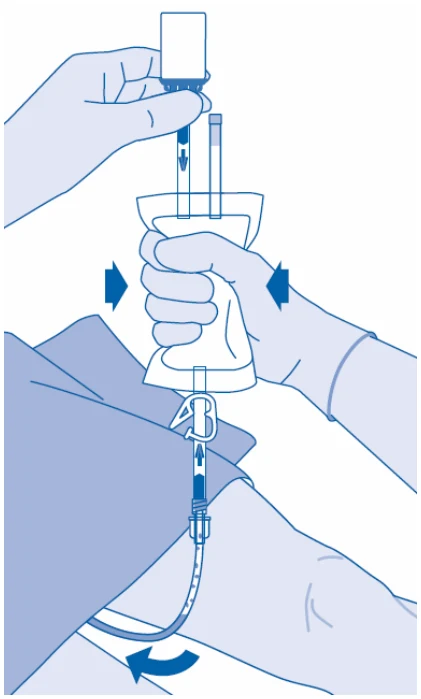
After instillation
- 14. Closing the pressure clamp (C3) prevents a reflux of fluid into the catheter and minimises the risk of contamination. Alternatively, you can keep the solvent bag compressed while performing steps 15 and 16.
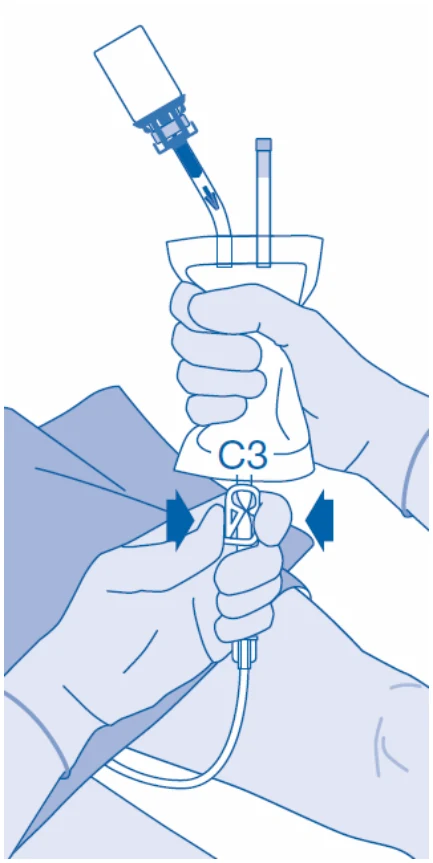
- 15. Remove the catheter carefully from the bladder without disconnecting the solvent bag
from the catheter. Avoid contamination from splashing droplets. 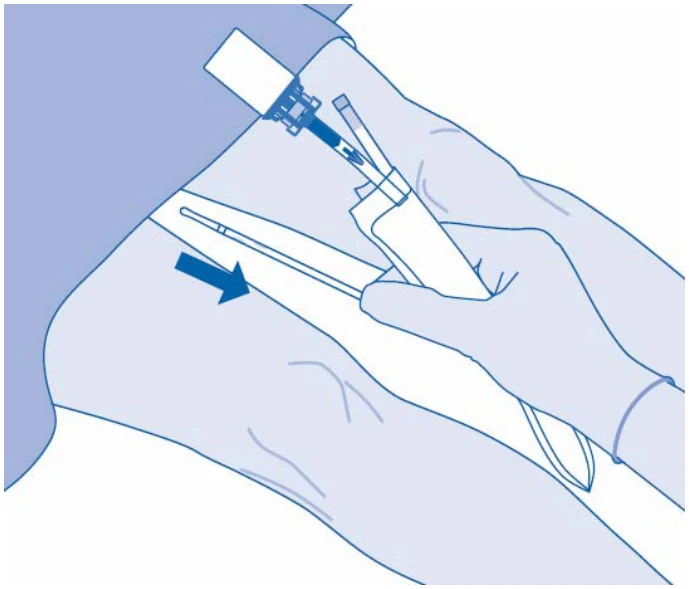
- 16.
Dispose of the product according to national regulations using the disposal bag.
The contents of the vial are intended for single use/single dose only. Any remaining suspension must be disposed of.
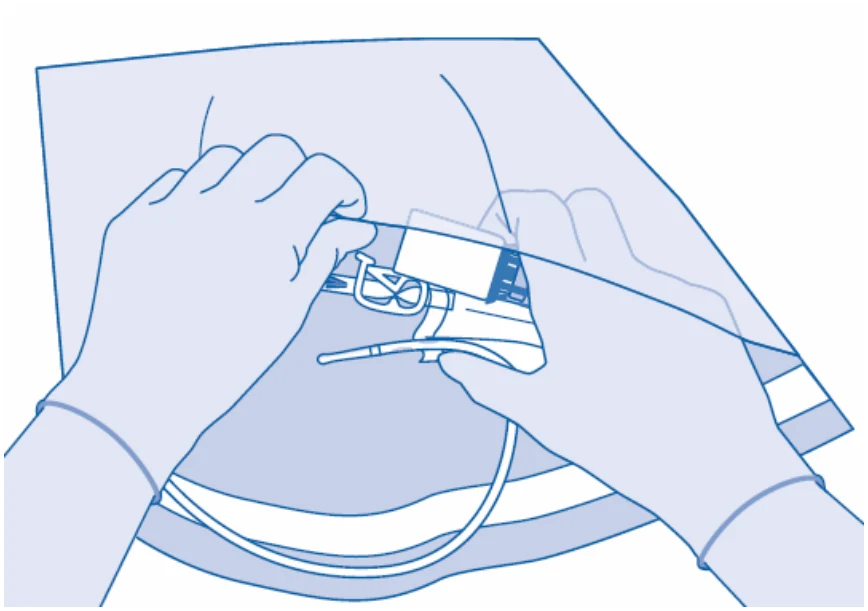
Instructions for users of BCG-medac
Constituents and application of the instillation set <with catheter and Luer-Lock to conical connector>
Main constituents of the instillation set
| Main constituent | Description |
| A | Vial with powder |
| B | Protective cover |
| C | Solvent bag with 0.9% (9 mg/ml) sodium chloride solution |
| C1 | Vial connector with protective cap and break-open seal |
| C2 | Luer-Lock catheter connector with protective cap and break-open seal |
| C3 | Pressure clamp |
| C4 | Filling port without application function |
| D | Luer-Lock catheter |
| D1 | Lubricant |
| E | Disposal bag |
| F | Luer-Lock to conical connector |
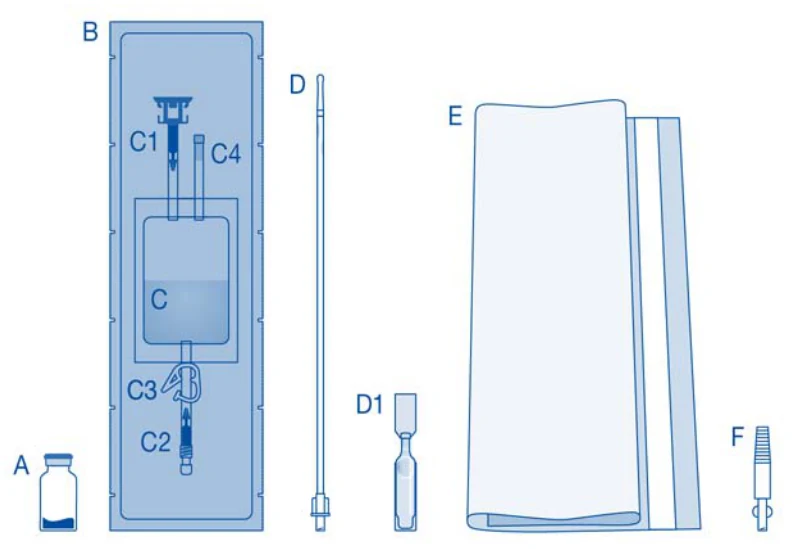
Connecting the vial to the solvent bag
- 1. Lay out the disposal bag (E) ready for direct disposal of the set after instillation to prevent contamination.
- 2. Remove the flip-off cap from the vial (A) and disinfect the stopper according to local regulations.
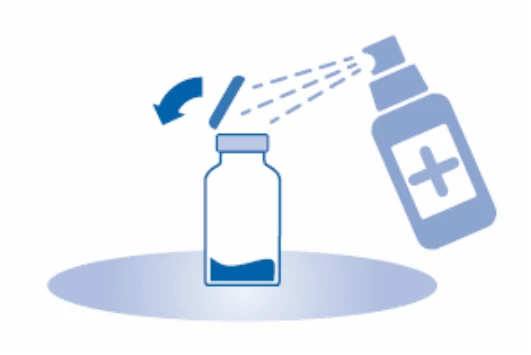
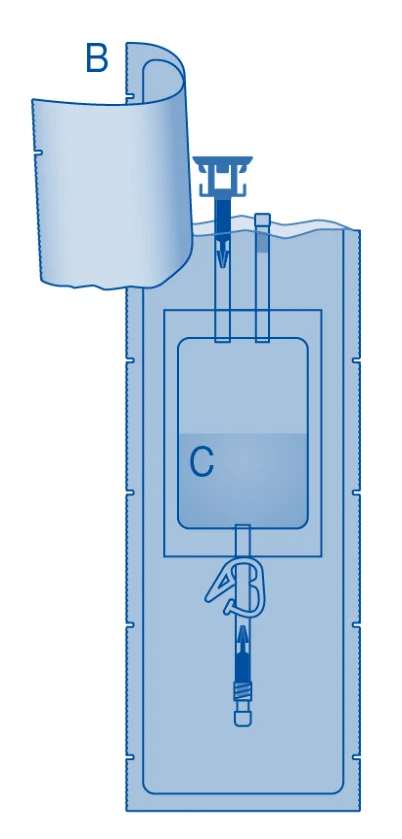
- 3. Tear open the protective cover (B) of the solvent bag (C) and remove the protective cover completely.
- 4. Remove the protective cap from the vial connector (C1).
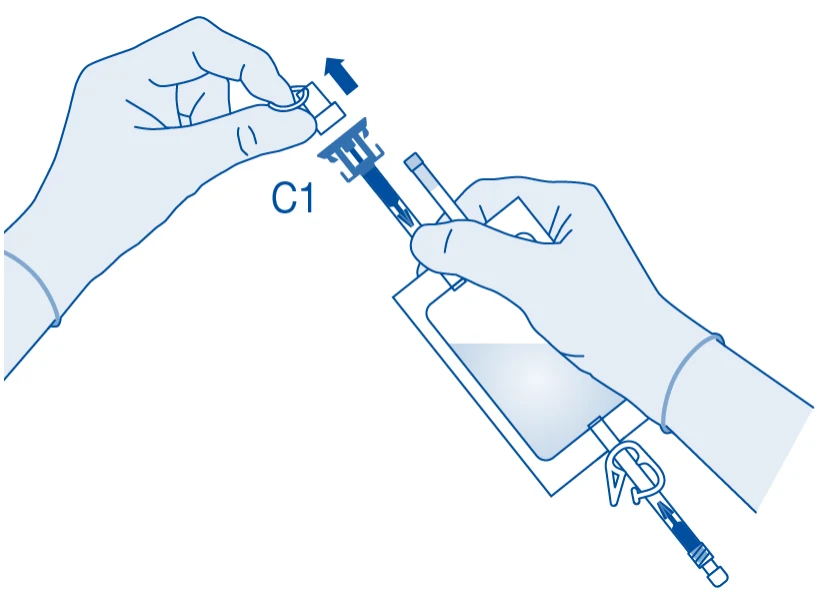
- 5. Push the connector onto the vial up to the stop.
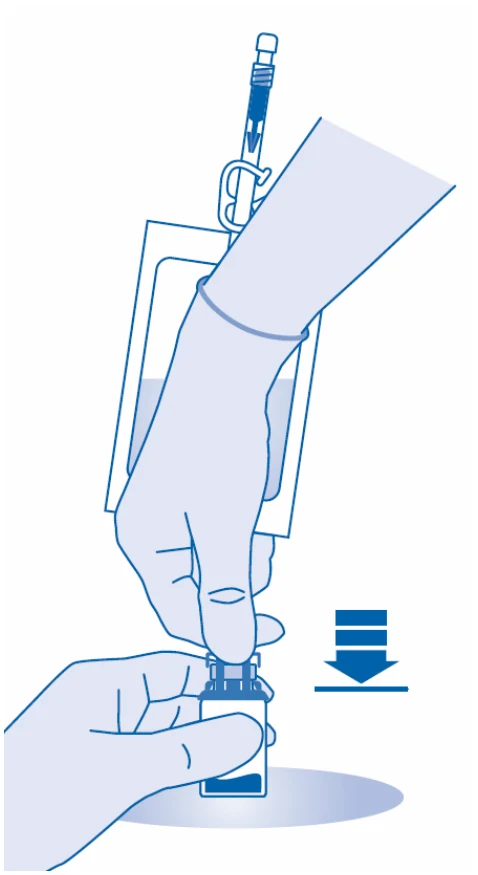
Mixing the powder with the solvent
- 6. Bend the break-open seal inside the tube of the vial connector (C1) up and down multiple times to break the seal.
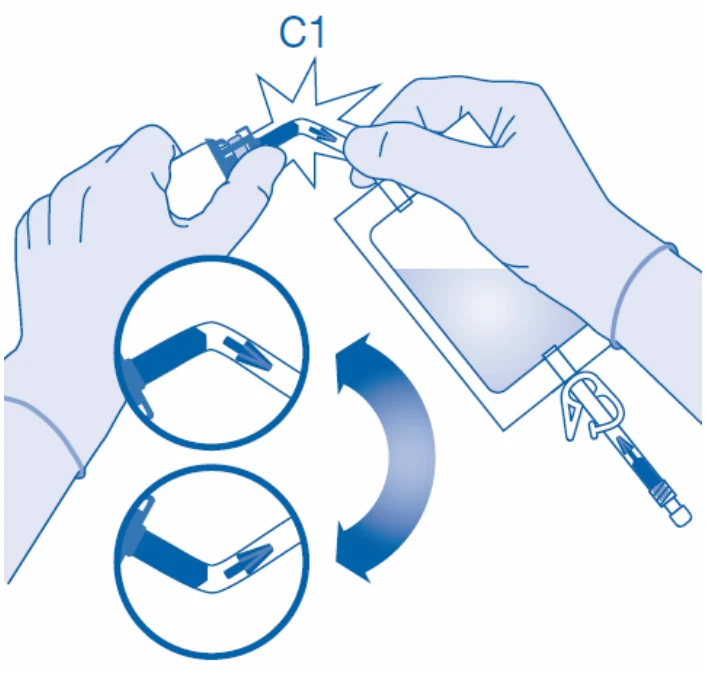
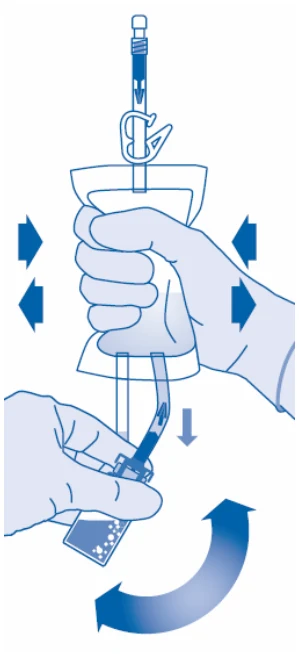
- 7.
Hold the solvent bag so that the vial is below it.
Squeeze the solvent bag multiple times to transfer enough solvent into the vial.
Make sure that the vial is not filled completely to allow for the subsequent transfer of the suspension into the solvent bag. Some solvent may remain inside the bag.
Swirl the vial slowly to minimise heavy foaming while mixing the medicinal product with the solvent. If there is a lot of foam, leave the vial to rest briefly (a few minutes).
The contents of the vial have to form a homogeneous suspension. This may take a few minutes.
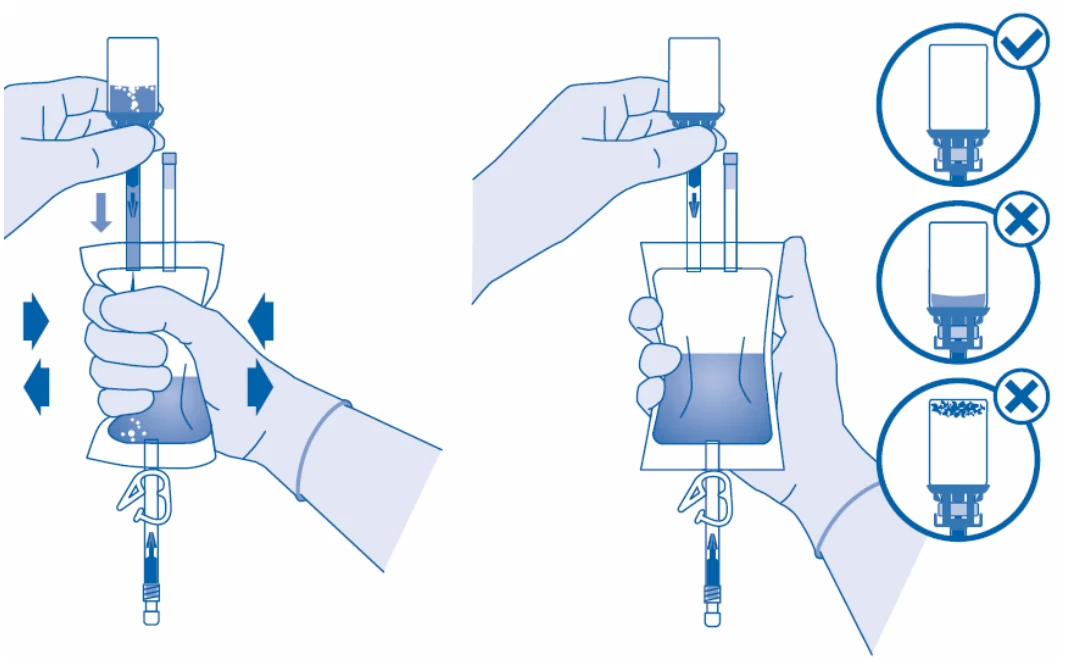
- 8.
Turn the solvent bag upside down and hold it so that the vial is above it.
Hold the vial.
Squeeze the solvent bag multiple times until the vial is completely empty.
If any powder remains inside the vial, repeat steps 7 and 8.
From a microbiological point of view the medicinal product should be used immediately.
If the medicinal product is not used immediately, please see section 6.3 “Shelf life”.
The suspension should not be instilled at refrigerator temperature in order to prevent the patient from feeling the need to urinate resulting in a shortened exposure time.
Catheterisation
- 9.
Catheterise the patient according to local regulations and the instructions for use using the enclosed Luer-Lock catheter (D) and lubricant (D1) or another suitable catheter and/or lubricant.
Empty the urinary bladder using the catheter.
Note for use with self-selected catheter with conical connector:
The enclosed Luer-Lock to conical connector (F) must be used to connect the bag to the self-selected catheter (not shown).
To do this, the following additional steps must be carried out:
- Remove the protective cap from the catheter connector (C2, see step 10).
- Rotate and swirl the bag before connecting to remix any sediments.
- Connect the Luer-Lock to conical connector (F) to the catheter connector (C2) of the bag.
- Carefully connect the bag with the connector (F) to the patient’s catheter.
- Then proceed with step 11.
Connecting the catheter to the solvent bag
- 10.
To mix any sediments, rotate and swirl the bag before connecting it.
Do not administer the suspension at refrigerator temperature.
Remove the protective cap from the catheter connector (C2).
Connect the patient’s Luer-Lock catheter (D) with the catheter connector (C2) of the solvent bag.
Instillation
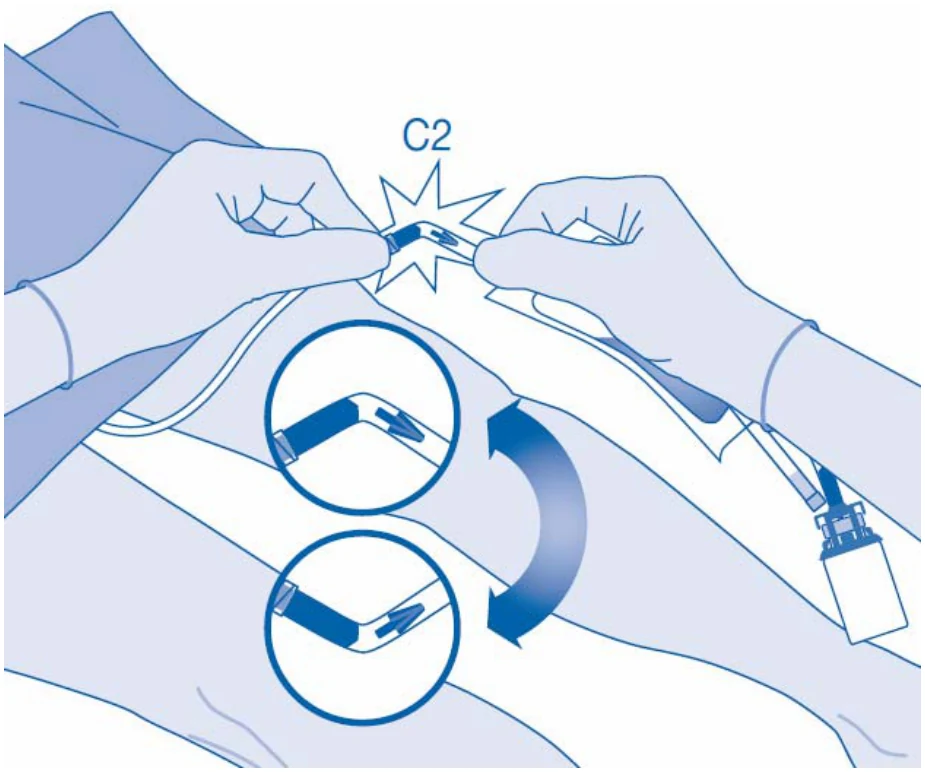
- 11.
Bend the break-open seal inside the tube of the catheter connector (C2) up and down multiple times to break the seal.
Hold the patient’s catheter steady while doing so.
- 12.
Hold the solvent bag with the vial upside down above the bag.
Squeeze the solvent bag gently with the other hand so that the medicinal product is slowly instilled into the patient’s urinary bladder.
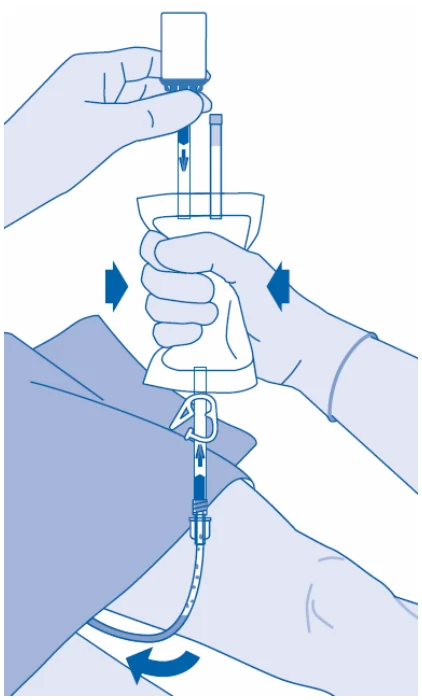
Continue to squeeze until the solvent bag and the vial are empty. 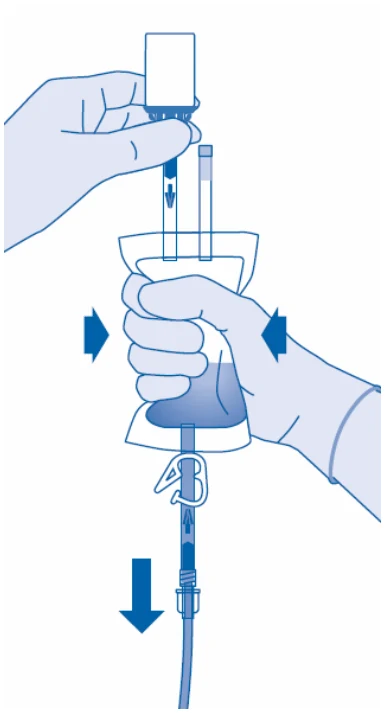
- 13. Squeeze the remaining air out of the solvent bag to empty the catheter as much as possible.
After instillation
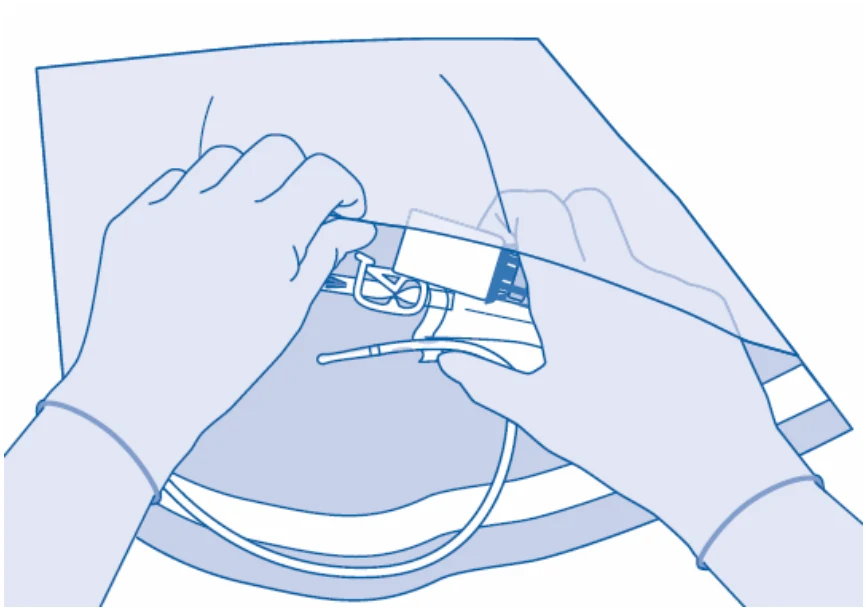
- 14. Closing the pressure clamp (C3) prevents a reflux of fluid into the catheter and minimises the risk of contamination. Alternatively, you can keep the solvent bag compressed while performing steps 15 and 16.
- 15. Remove the catheter carefully from the bladder without disconnecting the solvent bag
from the catheter. Avoid contamination from splashing droplets.
- 16.
Dispose of the product according to national regulations using the disposal bag.
The contents of the vial are intended for single use/single dose only. Any remaining suspension must be disposed of.
Instructions for users of BCG-medac
Constituents and application of the instillation set <without catheter, without Luer-Lock to conical connector>
Main constituents of the instillation set 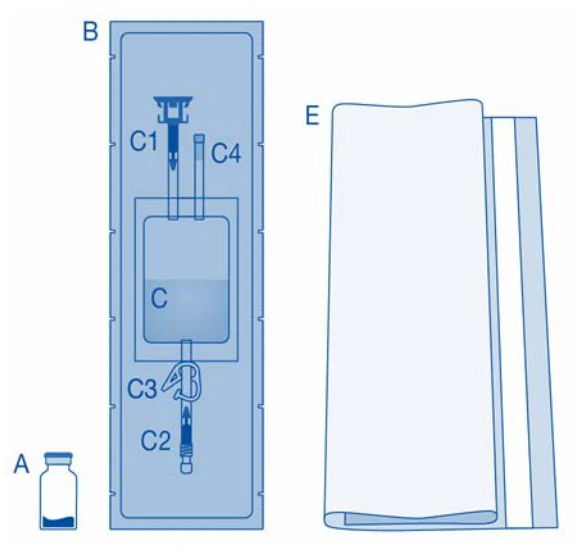
| Main constituent | Description |
| A | Vial with powder |
| B | Protective cover |
| C | Solvent bag with 0.9% (9 mg/ml) sodium chloride solution |
| C1 | Vial connector with protective cap and break-open seal |
| C2 | Luer-Lock catheter connector with protective cap and break-open seal |
| C3 | Pressure clamp |
| C4 | Filling port without application function |
| E | Disposal bag |
Connecting the vial to the solvent bag
- 1. Lay out the disposal bag (E) ready for direct disposal of the set after instillation to prevent contamination.
- 2. Remove the flip-off cap from the vial (A) and disinfect the stopper according to local regulations.
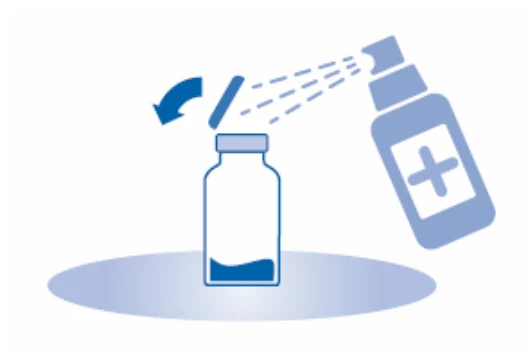
- 3. Tear open the protective cover (B) of the solvent bag (C) and remove the protective cover completely.
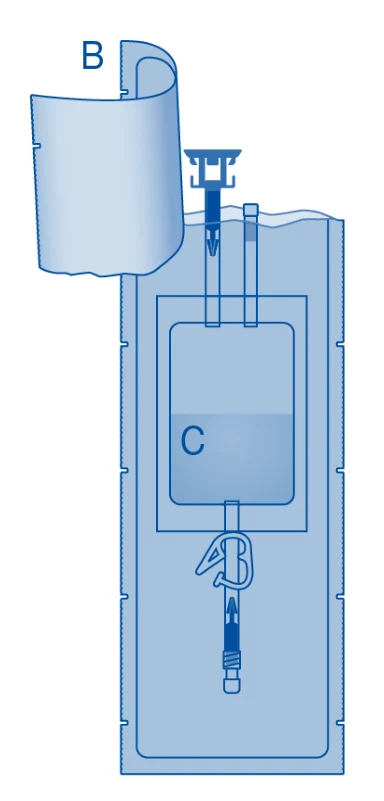
- 4. Remove the protective cap from the vial connector (C1).
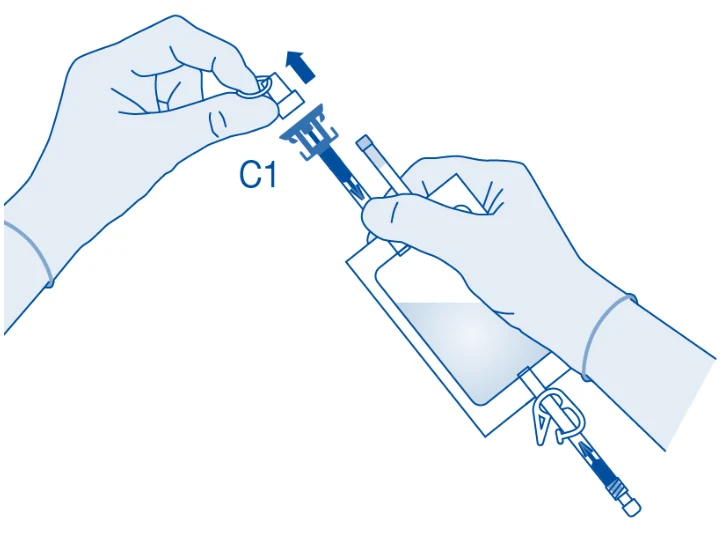
- 5. Push the connector onto the vial up to the stop.
Mixing the powder with the solvent
- 6. Bend the break-open seal inside the tube of the vial connector (C1) up and down multiple times to break the seal.
- 7.
Hold the solvent bag so that the vial is below it.
Squeeze the solvent bag multiple times to transfer enough solvent into the vial.
Make sure that the vial is not filled completely to allow for the subsequent transfer of the suspension into the solvent bag. Some solvent may remain inside the bag.
Swirl the vial slowly to minimise heavy foaming while mixing the medicinal product with the solvent. If there is a lot of foam, leave the vial to rest briefly (a few minutes).
The contents of the vial have to form a homogeneous suspension. This may take a few minutes.
- 8.
Turn the solvent bag upside down and hold it so that the vial is above it.
Hold the vial.
Squeeze the solvent bag multiple times until the vial is completely empty.
If any powder remains inside the vial, repeat steps 7 and 8.
From a microbiological point of view the medicinal product should be used immediately.
If the medicinal product is not used immediately, please see section 6.3 “Shelf life”.
The suspension should not be instilled at refrigerator temperature in order to prevent the patient from feeling the need to urinate resulting in a shortened exposure time.
Catheterisation
- 9.
Catheterise the patient according to local regulations and the instructions for use using a suitable catheter and lubricant.
Empty the urinary bladder using the catheter.
Connecting the catheter to the solvent bag
- 10.
To mix any sediments, rotate and swirl the bag before connecting it.
Do not administer the suspension at refrigerator temperature.
Remove the protective cap from the catheter connector (C2).
Connect the patient’s catheter with the catheter connector (C2) of the solvent bag. 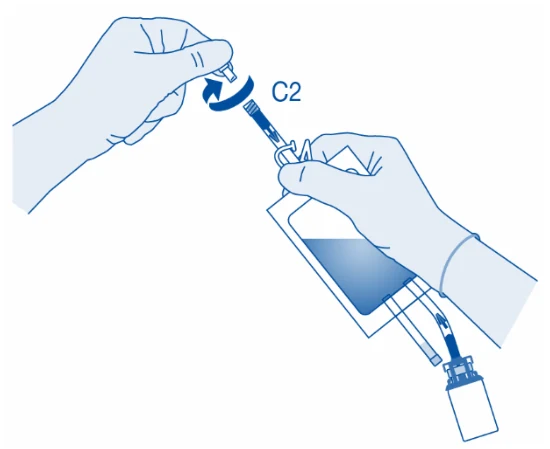
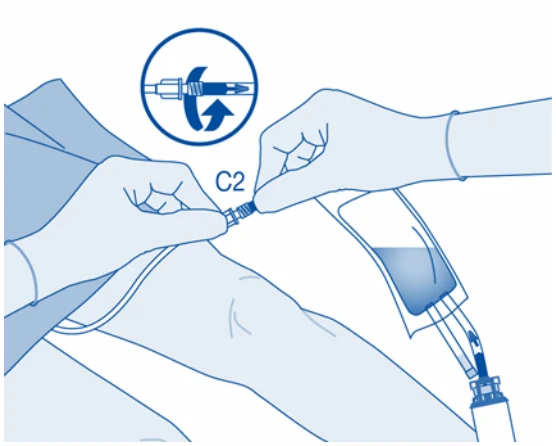
Instillation
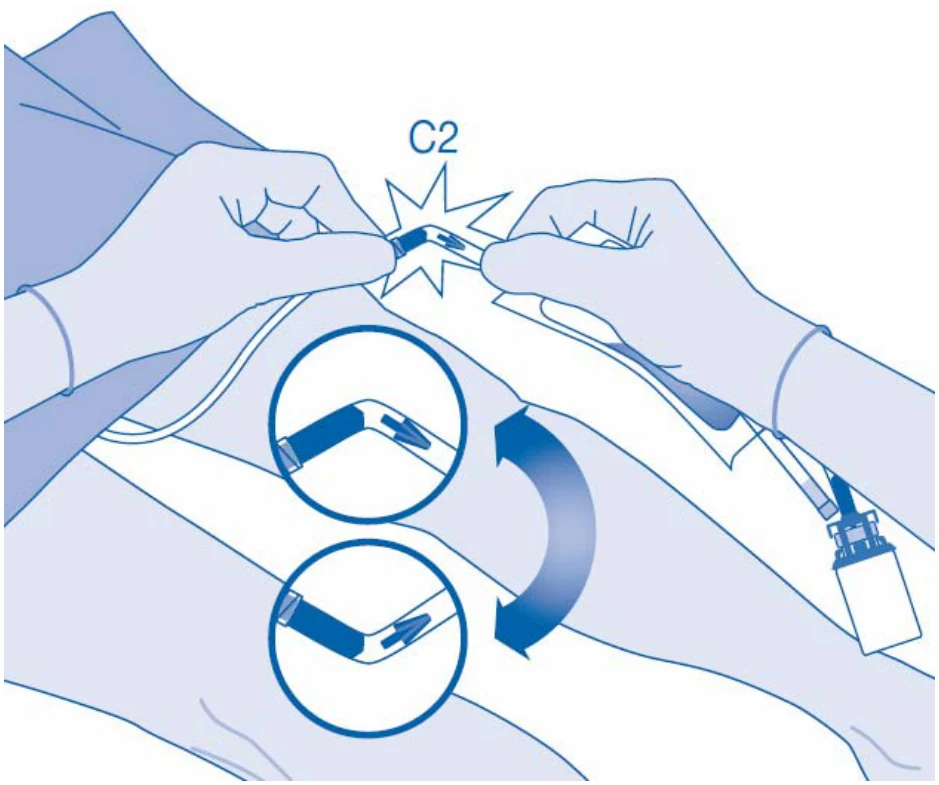
- 11.
Bend the break-open seal inside the tube of the catheter connector (C2) up and down multiple times to break the seal.
Hold the patient’s catheter steady while doing so.
- 12.
Hold the solvent bag with the vial upside down above the bag.
Squeeze the solvent bag gently with the other hand so that the medicinal product is slowly instilled into the patient’s urinary bladder.
Continue to squeeze until the solvent bag and the vial are empty.
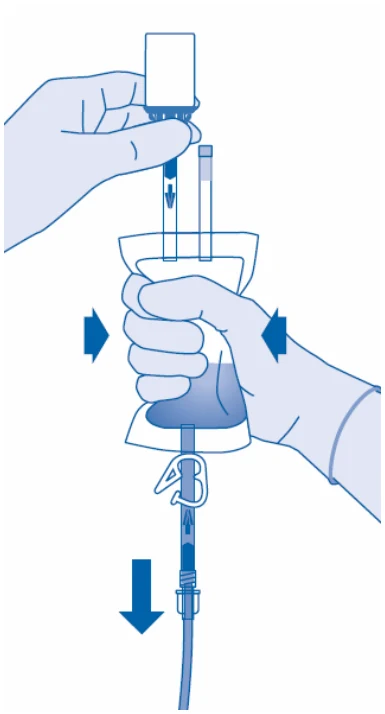
- 13. Squeeze the remaining air out of the solvent bag to empty the catheter as much as possible.
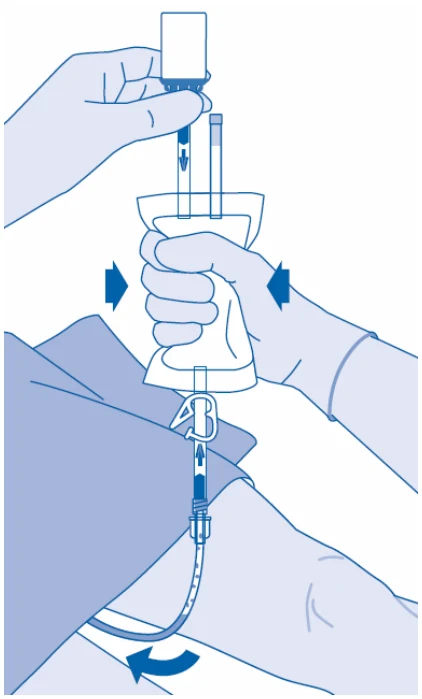
After instillation
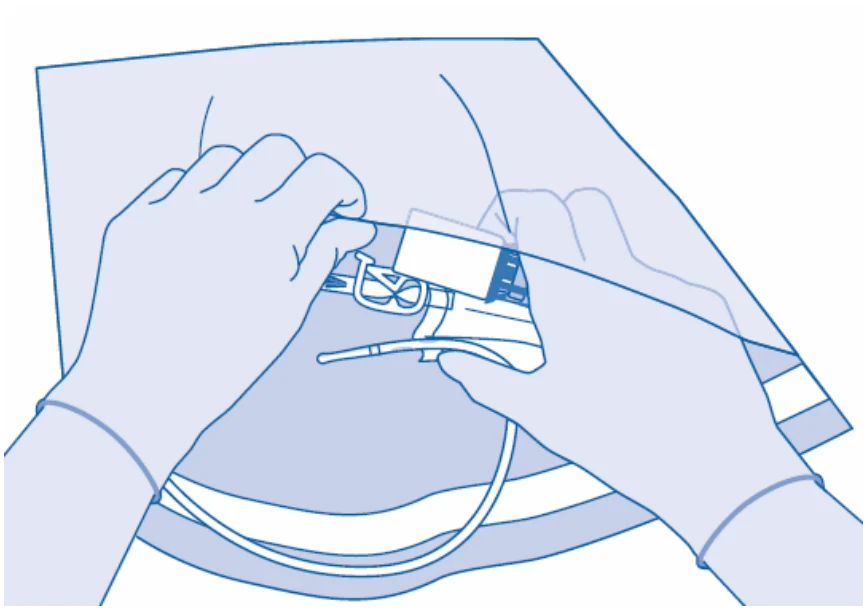
- 14. Closing the pressure clamp (C3) prevents a reflux of fluid into the catheter and minimises the risk of contamination. Alternatively, you can keep the solvent bag compressed while performing steps 15 and 16.
- 15. Remove the catheter carefully from the bladder without disconnecting the solvent bag
from the catheter. Avoid contamination from splashing droplets. 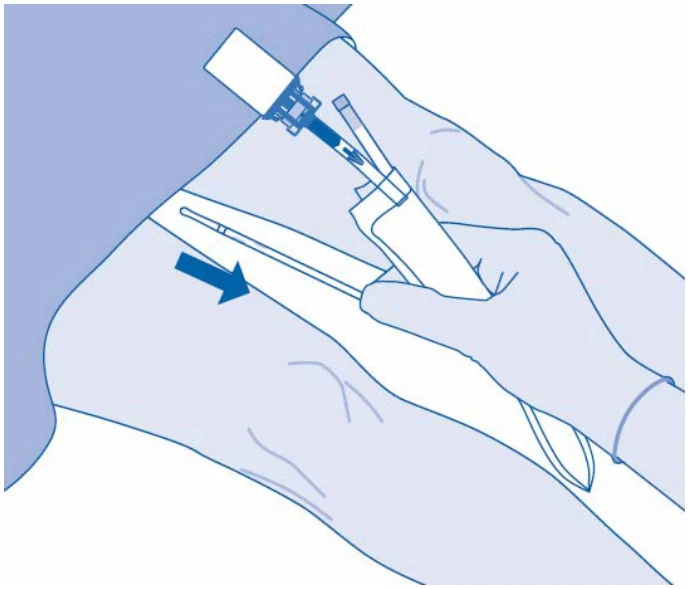
- 16.
Dispose of the product according to national regulations using the disposal bag.
The contents of the vial are intended for single use/single dose only. Any remaining suspension must be disposed of.
Instructions for users of BCG-medac
Constituents and application of the instillation set <without catheter, with Luer-Lock to conical connector>
Main constituents of the instillation set 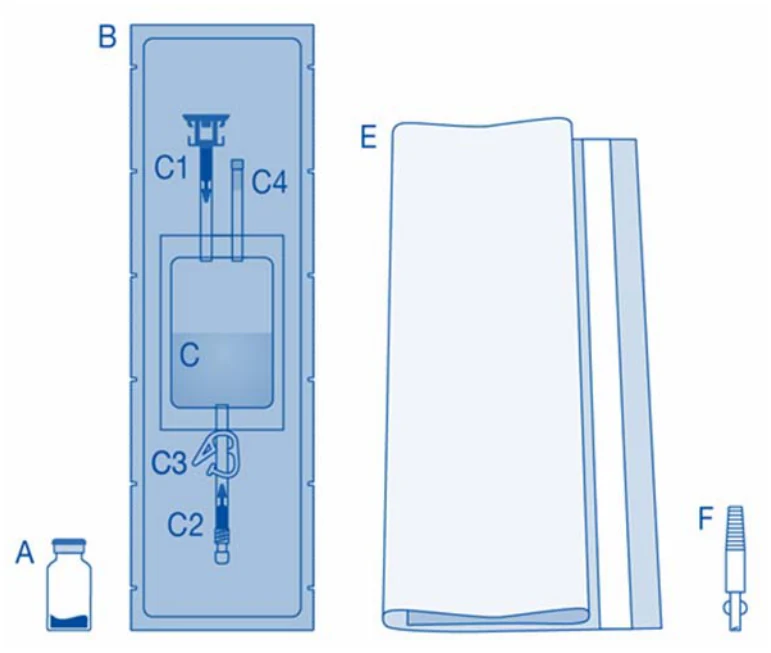
| Main constituent | Description |
| A | Vial with powder |
| B | Protective cover |
| C | Solvent bag with 0.9% (9 mg/ml) sodium chloride solution |
| C1 | Vial connector with protective cap and break-open seal |
| C2 | Luer-Lock catheter connector with protective cap and break-open seal |
| C3 | Pressure clamp |
| C4 | Filling port without application function |
| E | Disposal bag |
| F | Luer-Lock to conical connector |
Connecting the vial to the solvent bag
- 1. Lay out the disposal bag (E) ready for direct disposal of the set after instillation to prevent contamination.
- 2. Remove the flip-off cap from the vial (A) and disinfect the stopper according to local regulations.
- 3. Tear open the protective cover (B) of the solvent bag (C) and remove the protective cover completely.
- 4. Remove the protective cap from the vial connector (C1).
- 5. Push the connector onto the vial up to the stop.
Mixing the powder with the solvent
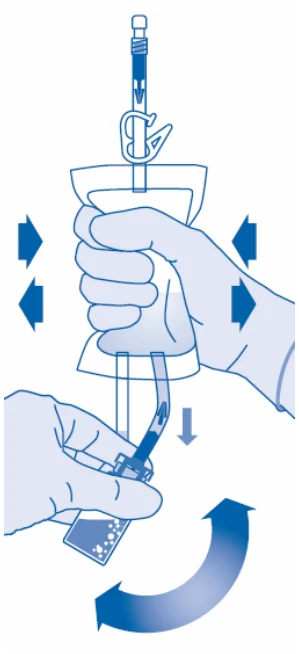
- 6. Bend the break-open seal inside the tube of the vial connector (C1) up and down multiple times to break the seal.
- 7.
Hold the solvent bag so that the vial is below it.
Squeeze the solvent bag multiple times to transfer enough solvent into the vial.
Make sure that the vial is not filled completely to allow for the subsequent transfer of the suspension into the solvent bag. Some solvent may remain inside the bag.
Swirl the vial slowly to minimise heavy foaming while mixing the medicinal product with the solvent. If there is a lot of foam, leave the vial to rest briefly (a few minutes).
The contents of the vial have to form a homogeneous suspension. This may take a few minutes.
- 8.
Turn the solvent bag upside down and hold it so that the vial is above it.
Hold the vial.
Squeeze the solvent bag multiple times until the vial is completely empty.
If any powder remains inside the vial, repeat steps 7 and 8.
From a microbiological point of view the medicinal product should be used immediately.
If the medicinal product is not used immediately, please see section 6.3 “Shelf life”.
The suspension should not be instilled at refrigerator temperature in order to prevent the patient from feeling the need to urinate resulting in a shortened exposure time. 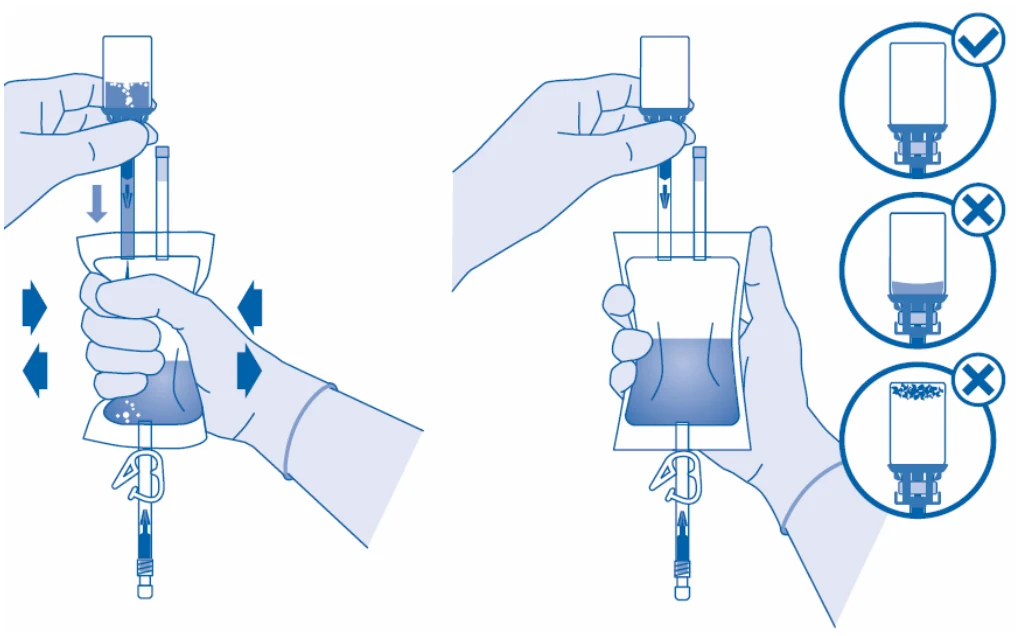
Catheterisation
- 9.
Catheterise the patient according to local regulations and the instructions for use using a suitable catheter and lubricant.
Empty the urinary bladder using the catheter.
This pack does not contain a catheter. Use the enclosed connector (F) to connect the bag to the patient’s catheter with a conical connector (not shown).
To do this, the following additional steps must be carried out:
- Remove the protective cap from the catheter connector (C2, see step 10).
- Connect the connector (F) to the catheter connector (C2) of the bag.
- Carefully connect the bag with the connector (F) to the patient’s catheter.
- Then proceed with step 11.
Connecting the catheter to the solvent bag
- 10.
To mix any sediments, rotate and swirl the bag before connecting it.
Do not administer the suspension at refrigerator temperature.
Remove the protective cap from the catheter connector (C2).
Connect the patient’s catheter with the catheter connector (C2) of the solvent bag. 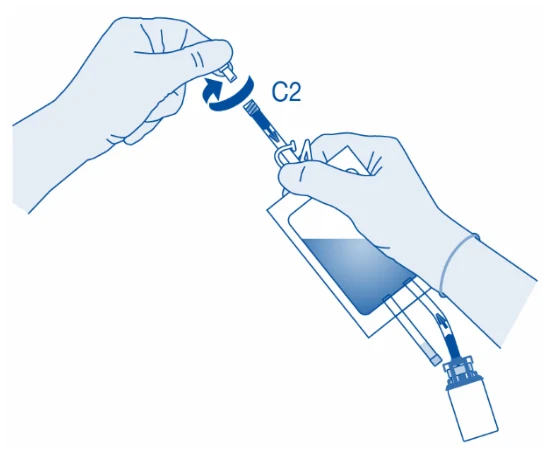
Instillation
- 11.
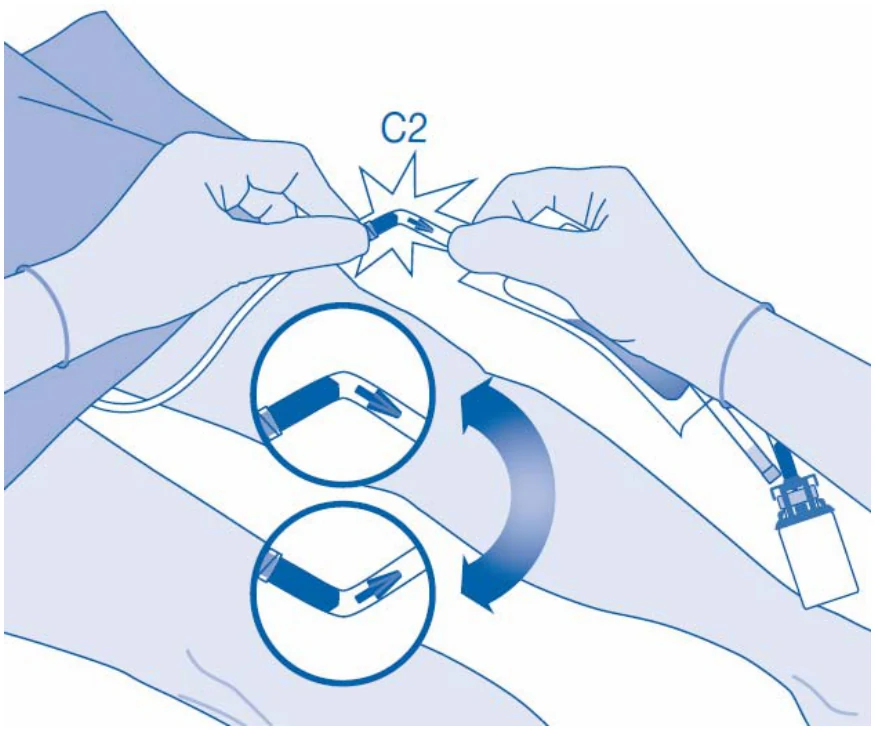
Bend the break-open seal inside the tube of the catheter connector (C2) up and down multiple times to break the seal.
Hold the patient’s catheter steady while doing so.
- 12.
Hold the solvent bag with the vial upside down above the bag.
Squeeze the solvent bag gently with the other hand so that the medicinal product is slowly instilled into the patient’s urinary bladder.
Continue to squeeze until the solvent bag and the vial are empty.
- 13. Squeeze the remaining air out of the solvent bag to empty the catheter as much as possible.
After instillation
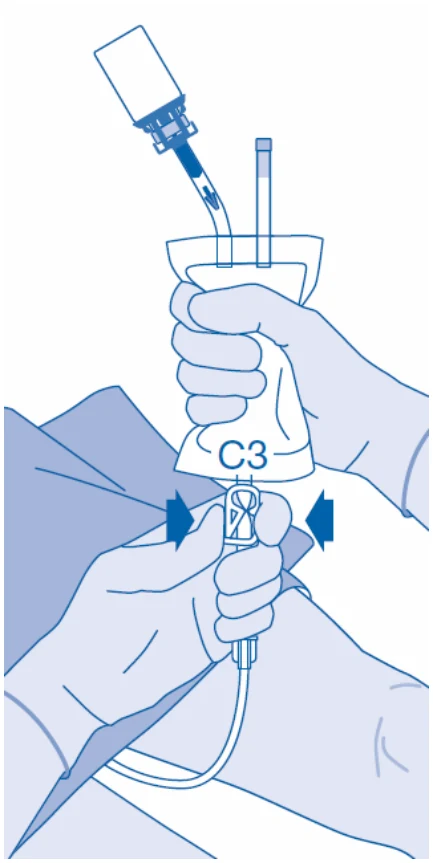
- 14. Closing the pressure clamp (C3) prevents a reflux of fluid into the catheter and minimises the risk of contamination. Alternatively, you can keep the solvent bag compressed while performing steps 15 and 16.
- 15. Remove the catheter carefully from the bladder without disconnecting the solvent bag
from the catheter. Avoid contamination from splashing droplets.
- 16.
Dispose of the product according to national regulations using the disposal bag.
The contents of the vial are intended for single use/single dose only. Any remaining suspension must be disposed of.
7 MARKETING AUTHORISATION HOLDER
medac
Gesellschaft für klinische Spezialpräparate mbH
Theaterstr. 6
22880 Wedel
Germany
Local representative:
medac Pharma
Scion House
Stirling University Innovation Park
Stirling, FK9 4NF
8 MARKETING AUTHORISATION NUMBER(S)
PL 11587/0139
9 DATE OF FIRST AUTHORISATION/RENEWAL OF THE
AUTHORISATION
06/09/2023
10 DATE OF REVISION OF THE TEXT
22/05/2025