

Patient leaflet - Aripiprazole Medley 1 mg/ml oral solution
1. What Aripiprazole Oral Solution is and what it is used for
The name of this medicine is Aripiprazole Medley 1 mg/ml Oral Solution, and is referred to as Aripiprazole Oral Solution throughout this leaflet.
Aripiprazole Oral Solution contains the active substance aripiprazole and belongs to a group of medicines called antipsychotics.
It is used to:
- treat adults and adolescents aged 15 years and older who suffer from a disease characterised by symptoms such as hearing, seeing or sensing things which are not there, suspiciousness, mistaken beliefs, incoherent speech and behaviour and emotional flatness. People with this condition may also feel depressed, guilty, anxious or tense.
treat adults and adolescents aged 13 years and older who suffer from a condition with symptoms such as feeing “high", having excessive amounts of energy, needing much less sleep than usual, talking very quickly with racing ideas and sometimes severe irritability. • prevent this condition from returning in adult patients who have responded to the treatment with
Aripiprazole Oral Solution.
2. What you need to know before you take Aripiprazole Oral Solution
Do not take Aripiprazole Oral Solution
If you are allergic to aripiprazole or any other ingredients of this medicine (listed in section
6).
Warnings and precautions
Talk to your doctor before taking Aripiprazole Oral Solution.
Suicidal thoughts and behaviours have been reported during aripiprazole treatment. Tell your doctor immediately if you are having any thoughts or feelings about hurting yourself.
Before treatment with Aripiprazole Oral Solution, tell your doctor if you suffer from: • high blood sugar (characterised by symptoms such as excessive thirst, passing of large amounts of urine, increase in appetite and feeling weak) or family history of diabetes • fits (seizures) since your doctor may want to monitor you more closely
- involuntary, irregular muscle movements, especially in the face
- cardiovascular diseases (diseases of the heart and circulation), family history of cardiovascular disease, stroke or "mini" stroke, abnormal blood pressure
- blood clots, or family history of blood clots, as antipsychotics have been associated with formation of blood clots
- past experience with excessive gambling
Tell your doctor:
- if you notice you are gaining weight, develop unusual movements, experience somnolence that interferes with normal daily activities, any difficulty in swallowing or allergic symptoms, • if you are an elderly patient suffering from dementia (loss of memory and other mental abilities), you or your carer/relative should tell your doctor if you have ever had a stroke or "mini" stroke. • if you suffer from muscle stiffness or inflexibility with high fever, sweating, altered mental status, or very rapid or irregular heartbeat.
- if you or your family/carer notices that you are developing urges or cravings to behave in ways that are unusual for you and you cannot resist the impulse, drive or temptation to carry out certain activities that could harm yourself or others. These are called impulse control disorders and can include behaviours such as addictive gambling, excessive eating or spending, an abnormally high sex drive or preoccupation with an increase in sexual thoughts or feelings. Your doctor may need to adjust or stop your dose.
Aripiprazole may cause sleepiness, fall in blood pressure when standing up, dizziness and changes in your ability to move and balance, which may lead to falls. Caution should be taken, particularly if you are an elderly patient or have some debility.
Children and adolescents
Do not use this medicine in children and adolescents under 13 years of age. It is not known if it is safe and effective in these patients.
Other medicines and Aripiprazole Oral Solution
Tell your doctor or pharmacist if you are taking, have recently taken or might take any other medicines, including medicines obtained without a prescription.
Blood pressure-lowering medicines: Aripiprazole Oral Solution may increase the effect of medicines used to lower the blood pressure. Tell your doctor if you take a medicine to keep your blood pressure under control.
Taking Aripiprazole Oral Solution with some medicines may mean the doctor will need to change your dose of Aripiprazole Oral Solution or the other medicines. It is especially important to mention the following to your doctor:
- medicines to correct heart rhythm (such as quinidine, amiodarone, flecainide) • antidepressants or herbal remedy used to treat depression and anxiety (such as fluoxetine, paroxetine, venlafaxine, St. John's Wort)
- antifungal medicines (such as ketoconazole, itraconazole)
- certain medicines to treat HIV infection (such as efavirenz, nevirapine, an protease inhibitors such as indinavir, ritonavir)
- anticonvulsants used to treat epilepsy (such as carbamazepine, phenytoin, phenobarbital) • certain antibiotics used to treat tuberculosis (rifabutin, rifampicin)
Medicines that increase the level of serotonin are typically used in conditions including depression, generalized anxiety disorder, obsessive-compulsive disorder (OCD) and social phobia as well as migraine and pain:
- triptans, tramadol and tryptophan used for conditions including depression, generalised anxiety disorder, obsessive compulsive disorder (OCD) and social phobia as well as migraine and pain • selective-serotonin-reuptake-inhibitors (SSRIs) (such as paroxetine and fluoxetine) used for depression, OCD, panic and anxiety
- other anti-depressants (such as venlafaxine and tryptophan) used in major depression • tricyclic’s (such as clomipramine and amitriptyline) used for depressive illness • St John’s Wort (Hypericum perforatum) used as a herbal remedy for mild depression • pain killers (such as tramadol and pethidine) used for pain relief
- triptans (such as sumatriptan and zolmitripitan) used for treating migraine
These medicines may increase the risk of side effects; if you get any unusual symptom taking any of these medicines together with Aripiprazole Oral Solution, tell your doctor.
Aripiprazole Oral Solution with alcohol
Do not drink alcohol while taking this medicine.
Pregnancy and breast-feeding
If you are pregnant or breast-feeding, think you may be pregnant or are planning to have a baby, ask your doctor for advice before taking this medicine.
The following symptoms may occur in newborn babies, of mothers that have taken Aripiprazole Oral Solution in the last trimester (last three months of their pregnancy): shaking, muscle stiffness and/or weakness, sleepiness, agitation, breathing problems, and difficulty in feeding. If your baby develops any of these symptoms you may need to contact your doctor.
If you are taking Aripiprazole Oral Solution, your doctor will discuss with you whether you should breast-feed considering the benefit to you of your therapy and the benefit to your baby of breast-feeding. You should not do both. Talk to your doctor about the best way to feed your baby if you are taking this medicine.
Driving and using machines
Dizziness and vision problems may occur during treatment with this medicine (see section 4). This should be considered in cases where full alertness is required, for example, when driving a car or handling machines.
Aripiprazole Oral Solution contains sucrose
This medicine contains 6 g of sucrose per 15 ml dose. This should be taken into account in patients with diabetes mellitus. If you have been told by your doctor that you have an intolerance to some sugars, contact your doctor before taking this medicine. Sucrose may be harmful to the teeth.
Aripiprazole Oral Solution contains fructose
This medicine contains 200 mg fructose in each ml. Fructose may damage teeth. If your doctor has told you that you (or your child) have an intolerance to some sugars or if you have been diagnosed with hereditary fructose intolerance (HFI), a rare genetic disorder in which a person cannot break down fructose, talk to your doctor before you (or your child) take or receive this medicine.
Aripiprazole Oral Solution contains methyl parahydroxybenzoate
May cause allergic reactions (possibly delayed).
Aripiprazole Oral Solution contains sodium
This medicinal product contains less than 1 mmol sodium (23 mg) per ml of oral solution, that is to say essentially ‘sodium-free’.
Aripiprazole Oral Solution contains propylene glycol
This medicinal product contains 50 mg propylene glycol in each ml of oral solution.
3. How to take Aripiprazole Oral Solution
Always take this medicine exactly as your doctor or pharmacist has told you. Check with your doctor or pharmacist if you are not sure.
The recommended dose for adults is 15 ml solution (corresponding to 15 mg aripiprazole) once a day. However, your doctor may prescribe a lower or higher dose to a maximum of 30 ml (that is 30 mg) once a day.
Use in children and adolescents
The recommended dose for adolescents is 10 ml solution (corresponding to 10 mg aripiprazole) once a day. However your doctor may prescribe a lower or higher dose to a maximum of 30 ml (that is 30 mg) once a day.
Route and method of administration
- This medicine must be taken orally (taken by mouth)
- The dose of Aripiprazole Oral Solution must be measured using the 10 ml calibrated syringe supplied in the carton.
Instructions for the use of syringe:
Open the bottle by pressing the cap while turning it anti-clockwise (figure 1).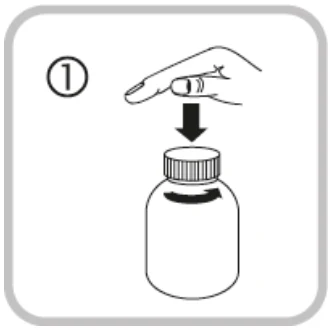 Follow these steps the first time you take Aripiprazole Oral Solution: • Take off the adaptor from the oral syringe (figure 2).
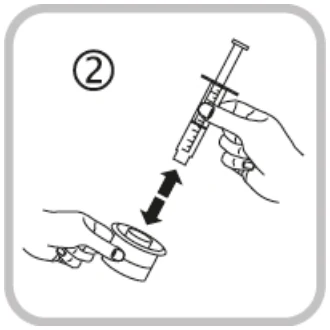
- Put the adaptor into the top of the bottle (figure 3). Make sure it is fixed well in place. You do not
need to remove the adaptor after use.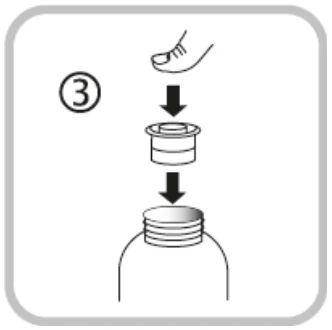
 Follow these steps each time you take Aripiprazole Oral Solution:
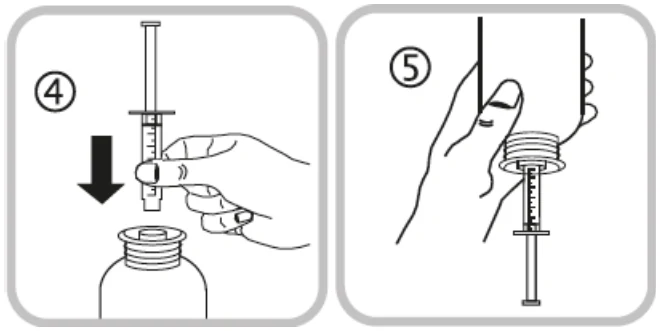
- Put the oral syringe into the adaptor opening (figure 4).
- Turn the bottle upside down (figure 5).
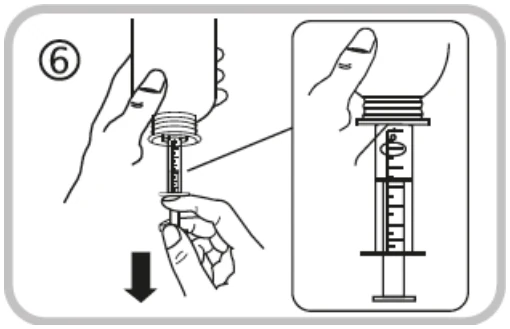
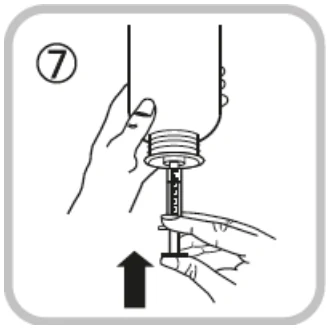
 Hold the bottle upside down in one hand and use the other hand to fill the oral syringe. • Pull the piston down to fill the oral syringe with a small amount of solution (figure 6). • Push the piston up to get rid of any bubbles (figure 7).
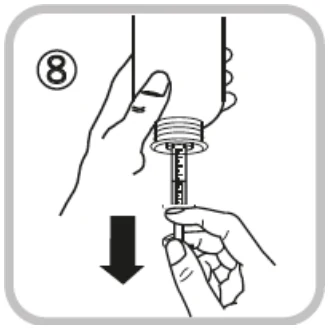
- Pull the piston down to the milliliter (ml) dose marker prescribed by your doctor (figure 8).
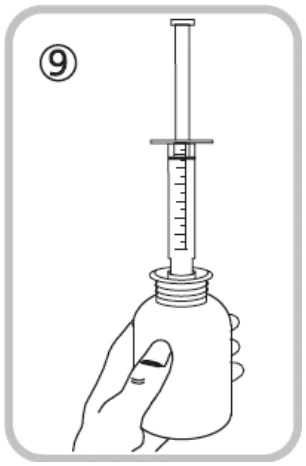
 • Turn the bottle the right way up (figure 9). • Take the oral syringe out of the adaptor (figure 10).
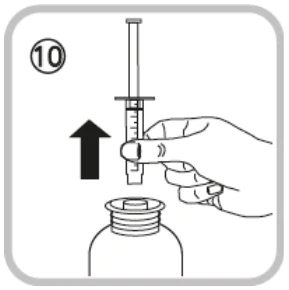 • empty the contents of the oral syringe into the patients mouth by pushing the piston to the bottom
of the oral syringe (figure 11).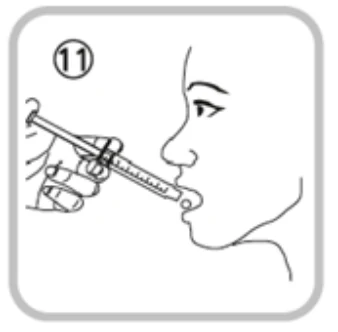 • Close the bottle with the plastic screw cap (you do not need to remove the adaptor). • Wash the oral syringe with water only (figure 12).
 If you have the impression that the effect of Aripiprazole Oral Solution is too strong or too weak, talk to your doctor or pharmacist.
Try to take Aripiprazole Oral Solution at the same time each day. It does not matter whether you take it with or without food. However, you should not dilute with other liquids or mix with other food prior to taking Aripiprazole Oral Solution.
Even if you feel better, do not alter or discontinue the daily dose of Aripiprazole Oral Solution without first consulting your doctor.
If you take more Aripiprazole Oral Solution than you should
If you realise you have taken more medicine than your doctor has recommended (or if someone else has taken some of your Aripiprazole Oral Solution), contact your doctor right away. If you cannot reach your doctor, go to the nearest hospital and take the pack with you.
Patients who have taken too much aripiprazole have experienced the following symptoms: • rapid heartbeat, agitation/aggressiveness, problems with speech.
- unusual movements (especially of the face or tongue) and reduced level of consciousness. Other symptoms may include:
- acute confusion, seizures (epilepsy), coma, a combination of fever, faster breathing, sweating, • muscle stiffness, and drowsiness or sleepiness, slower breathing, choking, high or low blood pressure, abnormal rhythms of the heart.
Contact your doctor or hospital immediately if you experience any of the above.
If you forget to take Aripiprazole Oral Solution
If you miss a dose, take the missed dose as soon as you remember but do not take two doses in one day.
If you stop taking Aripiprazole Oral Solution
Do not stop your treatment just because you feel better. It is important that you carry on taking Aripiprazole Oral Solution for as long as your doctor has told you to.
If you have any further questions on the use of this medicine, ask your doctor or pharmacist.
4. Possible side effects
Like all medicines, this medicine can cause side effects, although not everybody gets them.
Common (may affect up to 1 in 10 people):
- diabetes mellitus,
- difficulty sleeping,
- feeling anxious,
- feeling restless and unable to keep still, difficulty sitting still,
- akathisia (an uncomfortable feeling of inner restlessness and a compelling need to move constantly),
- uncontrollable twitching, jerking or writhing movements,
- trembling,
- headache,
- tiredness,
- sleepiness,
- light-headedness,
- shaking and blurred vision,
- decreased number of or difficulty making bowel movements,
- indigestion,
- feeling sick,
- more saliva in mouth than normal,
- vomiting (being sick),
- feeling tired.
Uncommon (may affect up to 1 in 100 people):
- increased blood levels of the hormone prolactin,
- too much sugar in the blood,
- depression,
- altered or increased sexual interest,
- uncontrollable movements of mouth, tongue and limbs (tardive dyskinesia), • muscle disorder causing twisting movements (dystonia),
- restless legs,
- double vision,
- eye sensitivity to light,
- fast heartbeat,
- a fall in blood pressure on standing up which causes dizziness, light-headedness or fainting, • hiccups.
Not known (frequency cannot be estimated from the available data): • low levels of white blood cells,
- low levels of blood platelets,
- allergic reaction (such as swelling in the mouth, tongue, face and throat, itching, hives), • onset or worsening of diabetes, ketoacidosis (ketones in the blood and urine) or coma, • high blood sugar,
- not enough sodium in the blood,
- loss of appetite (anorexia),
- weight loss,
- weight gain,
- thoughts of suicide, suicide attempt and suicide,
- feeling aggressive,
- agitation,
- nervousness,
- combination of fever, muscle stiffness, faster breathing, sweating, reduced consciousness and sudden changes in blood pressure and heart rate, fainting (neuroleptic malignant syndrome), • seizure,
- serotonin syndrome (a reaction which may cause feelings of great happiness, drowsiness, clumsiness, restlessness, feeling of being drunk, fever, sweating or rigid muscles), • speech disorder,
- fixation of the eyeballs in one position,
- sudden unexplained death,
- life-threatening irregular heartbeat,
- heart attack,
- slower heartbeat,
- blood clots in the veins especially in the legs (symptoms include swelling, pain and redness in the leg), which may travel through blood vessels to the lungs causing chest pain and difficulty in breathing (if you notice any of these symptoms, seek medical advice immediately), • high blood pressure,
- fainting,
- accidental inhalation of food with risk of pneumonia (lung infection),
- spasm of the muscles around the voice box,
- inflammation of the pancreas,
- difficulty swallowing,
- diarrhoea,
- abdominal discomfort,
- stomach discomfort,
- liver failure,
- inflammation of the liver,
- yellowing of the skin and white part of eyes,
- reports of abnormal liver tests values,
- skin rash,
- skin sensitivity to light,
- baldness,
- excessive sweating,
serious allergic reactions such as Drug Reaction with Eosinophilia and Systemic Symptoms
(DRESS). DRESS appears initially as flu-like symptoms with a rash on the face and then with an extended rash, high temperature, enlarged lymph nodes, increased levels of liver enzymes seen in blood tests and an increase in a type of white blood cell (eosinophilia), • abnormal muscle breakdown which can lead to kidney problems,
- muscle pain,
- stiffness,
- involuntary loss of urine (incontinence),
- difficulty in passing urine,
- withdrawal symptoms in newborn babies in case of exposure during pregnancy, • prolonged and/or painful erection,
- difficulty controlling core body temperature or overheating,
- chest pain,
- swelling of hands, ankles or feet,
in blood tests: increased or fluctuating blood sugar, increased glycosylated haemoglobin. • inability to resist the impulse, drive or temptation to perform an action that could be harmful to you or others, which may include:
- strong impulse to gamble excessively despite serious personal or family consequences - altered or increased sexual interest and behaviour of significant concern to you or to others, for example, an increased sexual drive
- uncontrollable excessive shopping
binge eating (eating large amounts of food in a short time period) or compulsive eating
(eating more food than normal and more than is needed to satisfy your hunger) - a tendency to wander away.
Tell your doctor if you experience any of these behaviours; he/she will discuss ways of managing or reducing the symptoms.
in elderly patients with dementia, more fatal cases have been reported while taking aripiprazole.
In addition, cases of stroke or "mini" stroke have been reported.
Additional side effects in children and adolescents
Adolescents aged 13 years and older experienced side effects that were similar in frequency and type to those in adults but with different frequency:
Very common (may affect more than 1 in 10 people):
- sleepiness,
- uncontrollable twitching or jerking movements,
- restlessness,
- tiredness.
Common (may affect up to 1 in 10 people):
- upper abdominal pain,
- dry mouth,
- increased heart rate,
- weight gain,
- increased appetite,
- muscle twitching,
- uncontrolled movements of the limbs,
- and feeling dizzy, especially when getting up from a lying or sitting position.
Reporting of side effects
If you get any side effects, talk to your doctor, pharmacist or nurse. This includes any possible side effects not listed in this leaflet. You can also report side effects directly in UK via the Yellow Card Scheme at: www.mhra.gov.uk/yellowcard or search for MHRA Yellow Card in the Google Play or Apple App Store. By reporting side effects, you can help provide more information on the safety of this medicine.
5. How to store Aripiprazole Oral Solution
Keep this medicine out of the sight and reach of children.
Do not use this medicine after the expiry date which is stated on the bottle and on the carton after EXP. The expiry date refers to the last day of that month.
This medicinal product does not require any special temperature storage conditions. Store in the original package in order to protect from light.
Use within 6 months after first opening.
Do not throw away any medicines via wastewater or household waste. Ask your pharmacist how to throw away medicines you no longer use. These measures will help protect the environment.
6. Contents of the pack and other information
What Aripiprazole Oral Solution contains
- The active substance is aripiprazole. Each ml contains 1 mg of aripiprazole. • The other ingredients are disodium edetate, fructose, glycerol, lactic acid, methyl parahydroxybenzoate (E218), propylene glycol (E1520), sodium hydroxide, sucrose, purified water and orange flavour [contains flavouring preparations, flavouring substances and glyceryl triacetate (E1518)]
What Aripiprazole Oral Solution looks like and contents of the pack
Aripiprazole Oral Solution is a clear, colourless to light yellow liquid solution supplied in 150 ml amber
coloured polyethylene terephthalate (PET) bottle with a tamper-evident, white plastic (polypropyl-ene inner, polyethylene outer) child-resistant cap containing 150 mL of oral solution per bottle.
Each carton contains 1 bottle, a 10 ml graduated oral polypropylene syringe (graduated at every 0.25 ml) and a linear low-density polyethylene (LLDPE) adaptor for the syringe.
Marketing Authorisation Holder and Manufacturer
| Medley Pharma Limited | |||||
| Unit 2A, Olympic Way, | |||||
| Sefton Business Park, | |||||
| Bootle, Merseyside, | L30 1RD, | ||||
| United Kingdom | |||||
This leaflet was last revised in 02/2026
P0XXXXX XXX/XX