

Summary of Product Characteristics (SmPC) - Zithromax 200 mg in 5 ml suspension
1 NAME OF THE MEDICINAL PRODUCT
Zithromax™ 200mg in 5ml Suspension
2. QUALITATIVE AND QUANTITATIVE COMPOSITION
Zithromax powder for oral suspension is a dry blend of azithromycin dihydrate 209.60 mg per 5 ml, containing the equivalent of 200 mg azithromycin base, on reconstitution with water.
Excipients with known effect:
Each 5 ml (200 mg) of reconstituted powder for oral suspension contains 3.9 g sucrose, 28.0 mg glucose and 0.35 μg of benzyl alcohol.
For the full list of excipients, see section 6.1.
3 PHARMACEUTICAL FORM
Powder for Oral Suspension
A dry powder which reconstitutes with water to give a cherry/banana flavoured suspension with a slight vanilla odour.
4. CLINICAL PARTICULARS
4.1. Therapeutic indications
Zithromax is indicated for the treatment of the following infections (see section 4.4 and 5.1):
Paediatric patients aged 6 months and older and weighing less than 45 kg
- Acute bacterial sinusitis
- Acute bacterial otitis media
- Community-acquired pneumonia (CAP)
- Acute bacterial skin and skin structure infections (ABSSSI)
Paediatric patients aged 2 years and older and weighing less than 45 kg
- Acute streptococcal tonsillitis and pharyngitis
Adults (18 years of age and above) and adolescents (12 - 17 years of age) weighing at least 45 kg and unable to swallow solid pharmaceutical forms
In addition to the indications listed above, this medicinal product is also indicated for the treatment of:
- Urethritis and cervicitis caused by Chlamydia trachomatis
- Urethritis and cervicitis caused by Neisseria gonorrhoeae, in combination with another appropriate antibacterial agent (e.g. ceftriaxone)
Adults (18 years of age and above) only unable to swallow solid pharmaceutical forms
- Acute exacerbation of chronic bronchitis (AECB)
Considerations should be given to official guidance regarding the appropriate use of antibacterial agents.
4.2. Posology and method of administration
Posology
Paediatric patients aged 6 months and older weighing less than 45 kg
Azithromycin should be administered as a single daily dose (see Table 1).
Table 1: Dosing recommendations for paediatric patients aged 6 months and older weighing less than 45 kg
| Indication | Azithromycin dosing regimen |
Acute bacterial sinusitis Community-acquired pneumonia Acute bacterial skin and skin structure infections | 10 mg/kg/day for 3 days or 10 mg/kg on day 1, followed by 5 mg/kg/day on days 2-5 |
| Acute bacterial otitis media | single dose of 30 mg/kg or 10 mg/kg/day for 3 days or 10 mg/kg on day 1, followed by 5 mg/kg/day on days 2-5 |
Acute streptococcal tonsillitis and pharyngitis* | 20 mg/kg/day for 3 days or 12 mg/kg/day for 5 days |
* for treatment of paediatric patients 2 years and older and weighing less than 45 kg Consideration should be given to the treatment regimens, doses and duration of treatment as recommended in updated treatment guidelines for each indication. | |
The azithromycin daily dose should not exceed the adult daily dose of 500 mg, with exception of the 1-day treatment course (single dose) for acute bacterial otitis media for which the maximum total dose of 1500 mg should not be exceeded. The maximum recommended total dose for any treatment for paediatric patients weighing less than 45 kg is 1500 mg, except for the 5-day regimen for acute streptococcal tonsillitis and pharyngitis. See Table 2.
Table 2: Maximum recommended daily doses of azithromycin per dosing regimen
| Body weight (Kg) | Azitromycin maximum dose per day | ||||
5 mg/kg (5-day regimen, Days 2 to 5) | 10 mg/kg (3-day regimen or 5-day regimen, Day 1) | 12 mg/kg (5-day regimen streptococcal pharyngotonsillitis) | 20 mg/kg (3-day regimen streptococcal pharyngotonsillitis) | 30 mg/kg (single dose regimen acute otitis media) | |
| 7 | 35 mg | 70 mg | 84 mg | 140 mg | 210 mg |
| 8 | 40 mg | 80 mg | 96 mg | 160 mg | 240 mg |
| 9 | 45 mg | 90 mg | 108 mg | 180 mg | 270 mg |
| 10 | 50 mg | 100 mg | 120 mg | 200 mg | 300 mg |
| 11 | 55 mg | 110 mg | 132 mg | 220 mg | 330 mg |
| 12 | 60 mg | 120 mg | 144 mg | 240 mg | 360 mg |
| 13 | 65 mg | 130 mg | 156 mg | 260 mg | 390 mg |
| 14 | 70 mg | 140 mg | 168 mg | 280 mg | 420 mg |
| 15 | 75 mg | 150 mg | 180 mg | 300 mg | 450 mg |
| 16 - 25 | 100 mg | 200 mg | 250 mg | 400 mg | 600 mg |
| 26 - 35 | 150 mg | 300 mg | 350 mg | 500 mg# | 900 mg |
| 36 - <45 | 200 mg | 400 mg | 450 mg | 500 mg# | 1200 mg |
# not to exceed the adult daily dose of 500 mg
The volume to be administered to obtain the above doses is shown in Table 3.
Table 3: Maximum daily dosing recommendations and related volumes of the oral suspension (40 mg/ml) for paediatric patients aged 6 months and older weighing less than 45 kg
| Body weight (kg) | Azithromycin maximum dose per day | ||||||||
| 5 mg/kg | 10 mg/kg | 12 mg/kg | 20 mg/kg | 30 mg/kg | |||||
| 7 | 1.00 ml (40 mg)+ | 1.75 ml (70 mg) | 2.25 ml (90 mg)++ | 3.50 ml (140 mg) | 5.25 ml (210 mg) | ||||
| 8 | 1.00 ml (40 mg) | 2.00 ml (80 mg) | 2.50 ml (100 mg)++ | 4.00 ml (160 mg) | 6.00 ml (240 mg) | ||||
| 9 | 1.25 ml (50 mg)+ | 2.25 ml (90 mg) | 2.75 ml (110 mg)++ | 4.50 ml (180 mg) | 6.75 ml (270 mg) | ||||
| 10 | 1.25 ml (50 mg) | 2.50 ml (100 mg) | 3.00 ml (120 mg) | 5.00 ml (200 mg) | 7.50 ml (300 mg) | ||||
| 11 | 1.50 ml (60 mg)+ | 2.75 ml (110 mg) | 3.25 ml (130 mg)++ | 5.50 ml (220 mg) | 8.25 ml (330 mg) | ||||
| 12 | 1.50 ml (60 mg) | 3.00 ml (120 mg) | 3.75 ml (150 mg)++ | 6.00 ml (240 mg) | 9.00 ml (360 mg) | ||||
| 13 | 1.75 ml (70 mg)+ | 3.25 ml (130 mg) | 4.00 ml (160 mg)++ | 6.50 ml (260 mg) | 9.75 ml (390 mg) | ||||
| 14 | 1.75 ml (70 mg) | 3.50 ml (140 mg) | 4.25 ml (170 mg)++ | 7.00 ml (280 mg) | 10.50 ml (420 mg) | ||||
| 15 | 2.00 ml (80 mg)+ | 3.75 ml (150 mg) | 4.50 ml (180 mg) | 7.50 ml (300 mg) | 11.25 ml (450 mg) | ||||
| 16 - 25 | 2.50 ml (100 mg) | 5.00 ml (200 mg) | 6.25 ml (250 mg) | 10.00 ml (400 mg) | 15.00 ml (600 mg) | ||||
| 26 - 35 | 3.75 ml (150 mg) | 7.50 ml (300 mg) | 8.75 ml (350 mg) | 12.50 ml (500 mg)# | 22.50 ml (900 mg) | ||||
| 36 - < 45 | 5.00 ml (200 mg) | 10.00 ml (400 mg | ) | 11.25 ml (450 mg) | 12.50 ml (500 mg)# | 30.00 ml (1200 mg) |
+ 5 mg/kg dose: the recommended doses are 0.875 ml (35 mg), 1.125 ml (45 mg), 1.375 ml (55 mg), 1.625 ml (65 mg), and 1.875 ml (75 mg). These values have been rounded to obtain an appropriate dose to be administered. ++ 12 mg/kg: the recommended doses are 2.10 ml (84 mg), 2.40 ml (96 mg), 2.70 ml (108 mg), 3.30 ml (132 mg), 3.60 ml (144 mg), 3.9 ml (156 mg), and 4.2 ml (168 mg). These values have been rounded to obtain an appropriate dose to be administered.
# not to exceed the adult daily dose of 500 mg
Adults and adolescents weighing at least 45 kg and unable to swallow solid pharmaceutical forms
Azithromycin should be administered as a single daily dose (see Table 4).
Table 4: Dosing recommendations for adults and adolescents weighing at least 45 kg and unable to swallow solid pharmaceutical forms
| Indication | Azithromycin dosing regimen |
Acute streptococcal tonsillitis and pharyngitis Acute bacterial sinusitis Acute bacterial otitis media Acute exacerbations of chronic bronchitis* Community-acquired pneumonia# Acute bacterial skin and skin structure infections | 500 mg/day for 3 days or 500 mg on day 1, followed by 250 mg/day on days 2-5 |
| Urethritis and cervicitis caused by Chlamydia trachomatis | 1000 mg as a single dose |
| Urethritis and cervicitis caused by Neisseria gonorrhoeae, in combination with another appropriate antibacterial agent (e.g. ceftriaxone) | 1000 mg or 2000 mg* as a single dose |
* for treatment of adults only # in adults, oral treatment may also follow intravenous treatment, if clinically indicated to complete a 7- to 10-day total course of treatment (for details refer to the Summary of Product Characteristics of azithromycin IV formulations). Consideration should be given to the treatment regimens, doses and duration of treatment as recommended in updated treatment guidelines for each indication. | |
Missed dose
If 12 hours or less have passed since the missed dose, the patient should be advised to take it as soon as possible and then take the next dose at the regularly scheduled time. If more than 12 hours have passed since the time the dose is usually taken, the patient should be advised to wait until the next scheduled dose.
Special populations
Renal impairment
No dose adjustment is necessary in patients with GFR ≥ 10 ml/min. In patients with GFR < 10 ml/min azithromycin should be administered with caution (see section 5.2).
Hepatic impairment
No dose adjustment is required in patients with mild (Child-Pugh Class A) or moderate hepatic impairment (Child-Pugh Class B) (see section 5.2). No data is available in patients with severe hepatic impairment (Child-Pugh Class C). Therefore, azithromycin should be administered with caution in these patients (see section 4.4).
Elderly
No dose adjustment is required in elderly patients (see section 5.2). Since the elderly are more likely to experience proarrhythmic conditions, particular caution is recommended due to the risk of developing cardiac arrhythmia and torsades de pointes (see section 4.4).
Paediatric population
The safety and efficacy of azithromycin have not been established in children under 6 months of age for any of the indications listed in section 4.1.
There is no relevant use of Zithromax for the treatment of acute exacerbations of chronic bronchitis in paediatric patients.
Method of administration
For oral use after reconstitution.
Powder for oral suspension should be taken as a single daily dose with or without a meal. Administration immediately before a meal may enhance the gastrointestinal tolerability.
Patients should be advised to shake the bottle of the reconstituted oral suspension before each new dose.
For instructions on reconstitution of the medicinal product before administration, see section 6.6.
4.3. Contraindications
Hypersensitivity to the active substance, erythromycin, any macrolide or ketolide antibiotic, or to any of the excipients listed in section 6.1.
4.4. Special warnings and precautions for use
Potential for resistance
Azithromycin could favour the development of resistance due to the associated long-lasting and decreasing levels in plasma and tissues after the end of treatment (see section 5.2). Treatment with azithromycin should only be initiated after a careful assessment of the benefit and the risks, considering the local prevalence of resistance, and when preferred treatment regimens are not indicated.
Severe skin and hypersensitivity reactions
Rare serious allergic reactions, including angioedema and anaphylaxis (rarely fatal), severe cutaneous adverse reactions (SCARs) including Stevens-Johnson syndrome (SJS), toxic epidermal necrolysis (TEN), drug reaction with eosinophilia and systemic symptoms (DRESS), acute generalised exanthematous pustulosis (AGEP), which can be life-threatening or fatal, have been reported in association with azithromycin treatment (see section 4.8). At the time of prescription, patients should be advised of the signs and symptoms and monitored closely for skin reactions. Some of these reactions with azithromycin have resulted in recurrent symptoms and required a longer period of observation and treatment. If an allergic reaction occurs, azithromycin should be discontinued, and appropriate therapy should be instituted. Physicians should be aware that reappearance of the allergic symptoms may occur when symptomatic therapy is discontinued.
QT interval prolongation
Prolonged cardiac repolarisation and QT interval, imparting a risk of developing cardiac arrhythmia and torsades de pointes, have been seen in treatment with other macrolides, including azithromycin (see section 4.8). Therefore, as the following situations may lead to an increased risk for ventricular arrhythmias (including torsades de pointes) which can lead to cardiac arrest, azithromycin should be used with caution in patients with ongoing proarrhythmic conditions (especially women and elderly patients) such as patients:
- With congenital or documented QT prolongation
- Currently receiving treatment with other active substance(s) known to prolong QT interval (see section 4.5)
With electrolyte disturbance, particularly in case of hypokalaemia and
hypomagnesemia
- With clinically relevant bradycardia, cardiac arrhythmia or severe cardiac insufficiency
- Elderly patients: elderly patients may be more susceptible to drug-associated effects on the QT interval.
Hepatotoxicity
Since the liver is the principal route of elimination for azithromycin, the use of azithromycin should be undertaken with caution in patients with significant hepatic disease. Cases of fulminant hepatitis potentially leading to life-threatening liver failure have been reported with azithromycin. Hepatitis, cholestatic jaundice, hepatic necrosis, and hepatic failure have also been reported with azithromycin, some of which have resulted in death (see section 4.8). Some patients may have had pre-existing hepatic disease or may have been taking other hepatotoxic medicinal products. Patients should be advised to stop azithromycin administration and to contact their physician if signs and symptoms of liver dysfunction, such as rapid developing asthenia associated with jaundice, dark urine, bleeding tendency or hepatic encephalopathy develop. In such cases liver function tests/investigations should be performed immediately.
Clostridium difficile associated diarrhoea (CDAD), pseudomembranous colitis CDAD and pseudomembranous colitis have been reported with azithromycin and may range in severity from mild diarrhoea to fatal colitis (see section 4.8). CDAD and pseudomembranous colitis must be considered in patients who present with diarrhoea during or subsequent to the administration of azithromycin. Discontinuation of therapy with azithromycin and the use of supportive measures together with the administration of specific treatment for C. difficile should be considered. Medicinal products that inhibit peristalsis should not be given.
Sexually transmitted infections
Neisseria gonorrhoeae is very likely to be resistant to macrolides, including the azalide azithromycin (see section 5.1). Therefore, azithromycin is not recommended for the treatment of uncomplicated gonorrhoea and pelvic inflammatory disease unless laboratory results have confirmed susceptibility of the organism to azithromycin. If left untreated or treated sub-optimally, this condition may lead to late onset complications such as infertility and ectopic pregnancy.
In addition, if single dose azithromycin is considered for the treatment of urethritis and cervicitis due to N. gonorrhoeae or C. trachomatis (see section 4.2), concomitant urogenital infection by Mycoplasma genitalium should be excluded due to the high risk of emergence of resistance in this organism.
Furthermore, a concomitant infection caused by Treponema pallidum should be excluded as symptoms of incubating syphilis could be masked delaying diagnosis.
For all patients with sexually transmitted urogenital infections, appropriate antibacterial therapy and microbiological follow-up tests should be initiated.
Myasthenia gravis
Exacerbations of the symptoms of myasthenia gravis and new onset of myasthenia syndrome have been reported in patients receiving azithromycin therapy (see section 4.8).
Non-susceptible organisms
The use of azithromycin may result in the overgrowth of non-susceptible organisms. If superinfection occurs, interruption of treatment or other appropriate measures may be required.
Ergot derivatives
In patients receiving ergot derivatives, ergotism has been precipitated by co-administration of some macrolide antibiotics. There are no data concerning the possibility of an interaction between ergot and azithromycin. However, because of the theoretical possibility of ergotism, azithromycin and ergot derivatives should not be co-administrated.
Paediatric population
Infantile hypertrophic pyloric stenosis (IHPS)
Cases of infantile hypertrophic pyloric stenosis have been reported following the administration of azithromycin for the first 42 days after birth. Parents and caregivers should be asked to contact their doctor if projectile vomiting or irritability with feeding occurs.
Excipients with known effect
Sucrose and glucose
Zithromax suspension contains sucrose and glucose. Patients with rare hereditary problems of fructose intolerance, glucose-galactose malabsorption or sucrase-isomaltase insufficiency should not take this medicinal product.
Benzyl alcohol
Zithromax suspension contains benzyl alcohol.
Each 5 ml (200 mg) of reconstituted powder for oral suspension contains 0.35 μg benzyl alcohol, which following reconstitution is equivalent to 0.07 μg/ml of benzyl alcohol. Benzyl alcohol may cause allergic reactions.
Sodium
Zithromax suspension contains less than 1 mmol sodium (23 mg) per 5 ml, that is to say essentially ‘sodium-free’.
For the full list of excipients, see section 6.1.
4.5. Interactions with other medicinal products and other forms of interaction
Although azithromycin is a weak CYP450 inhibitor and does not interact significantly with CYP450 substrates, CYP3A4 inhibition cannot be completely ruled out. Therefore, caution is recommended in case of co-administration with CYP3A4 substrates with narrow therapeutic index.
Azithromycin is an inhibitor of the transporter P-glycoprotein (P-gp). Co-administration of azithromycin with P-gp substrates, such as digoxin and colchicine, may increase their exposure. For narrow therapeutic index drugs, caution and clinical and/or therapeutic drug monitoring and dose adjustment as appropriate are advised. The relatively long half-life of azithromycin should be taken into account in this context (see section 5.2).
Medicinal products that are known to prolong the QT interval
Azithromycin should be used with caution in patients receiving medicinal products known to prolong the QT interval (see section 4.4), such as antiarrhythmics of Classes IA (e.g. quinidine and procainamide) and III (e.g. dofetilide, amiodarone and sotalol), antipsychotic agents (e.g. pimozide), antidepressants (e.g. citalopram), fluoroquinolones (e.g. moxifloxacin and levofloxacin), cisapride, chloroquine and hydroxychloroquine.
Drug interaction information for azithromycin with potential concomitant medicinal products is summarised in the table and text below. The drug interactions described are based on clinical drug-drug interaction studies conducted with azithromycin or, where indicated, are potential drug interactions that may occur with azithromycin.
Table 5: Clinically relevant drug interactions between azithromycin and other medicinal products
| Medicinal product (therapeutic area) | Interaction Effect on exposure | Mechanism | Recommendation concerning co-administration |
Atorvastatin (HMG CoA reductase inhibitor) Azithromycin 500 mg orally once daily for 3 days. Atorvastatin 10 mg orally | Azithromycin: ND Atorvastatin: ↔ AUC ↔ Cmax | Atorvastatin is a CYP3A4 and P-gp substrate. | Caution should be exercised since post-marketing cases of rhabdomyolysis in patients receiving azithromycin concomitantly with statins have been |
| once daily. | reported. | ||
Ciclosporin (immunosuppressant) Azithromycin 500 mg orally once daily for 3 days. Ciclosporin 10 mg/kg orally single dose. | Azithromycin: ND Ciclosporin: ↔ AUC ↑ Cmax 24 % | Ciclosporin is a CYP3A4 and P-gp substrate with narrow therapeutic index and/or competition for biliary excretion. | Clinical monitoring and therapeutic drug monitoring as appropriate should be performed during and after treatment with azithromycin. Ciclosporin dose should be adjusted if required. |
| Colchicine (anti-gout) | Azithromycin: ND Colchicine: ↑ 57% AUC0-t ↑ 22% Cmax | Colchicine is a P-gp substrate with narrow therapeutic index. | Clinical monitoring is needed during and after treatment with azithromycin. |
| Dabigatran (oral anticoagulant) | Azithromycin: ND Expected: ↑ Dabigatran | Dabigatran is a P-gp substrate with narrow therapeutic index. | Caution should be exercised since post-marketing data suggest an increased risk for haemorrhages in patients receiving azithromycin concomitantly with dabigatran. |
| Digoxin (cardiac glycosides) | Azithromycin: ND Expected: ↑ Digoxin | Digoxin is a P-gp substrate with narrow therapeutic index. | Clinical monitoring, and possibly digoxin level monitoring, is needed during and after treatment with azithromycin. |
Warfarin (oral anticoagulant) Azithromycin 500 mg orally once daily for 1 day and then 250 mg orally once daily for 4 days. Warfarin 15 mg orally single dose. | Azithromycin: ND Warfarin: ND No change in prothrombin time in clinical drug interaction study but post-marketing reports of potentiated anticoagulation of coumarin-type oral anticoagulants upon co-administration with azithromycin. | Not known. ↑ | A higher frequency of prothrombin time monitoring should be considered during and after treatment with azithromycin. ↓ ↔ |
| Note: statistically significant changes by more than 10% are indicated as “ ” or “ ”, no change as “ ”, not determined as “ND”. | |||
No clinically relevant change in the exposure of azithromycin or the co-administered medicinal products was observed in clinical studies evaluating potential drug-drug interactions of azithromycin with oral antacids (aluminium hydroxide/magnesium hydroxide), carbamazepine, cetirizine, cimetidine, efavirenz, fluconazole, methylprednisolone, midazolam, rifabutin, sildenafil, theophylline, triazolam, trimethoprim/sulfamethoxazole and zidovudine.
Paediatric population
Interaction studies have only been performed in adults.
4.6. Fertility, pregnancy and lactation
Pregnancy
Animal reproduction studies have been performed at doses up to moderately maternally toxic dose concentrations. In these studies, no evidence of harm to the foetus due to azithromycin was found. There are, however, no adequate and well-controlled studies in pregnant women.
There is a large amount of data from observational studies on exposure to azithromycin during pregnancy (more than 7000 azithromycin exposed pregnancies). Most of these studies do not suggest an increased risk of adverse foetal effects such as major congenital malformations or cardiovascular malformations.
Epidemiological evidence related to the risk of miscarriage following azithromycin exposure in early pregnancy is inconclusive. Animal studies do not indicate reproductive toxicity (see section 5.3).
Azithromycin should only be used during pregnancy if clinically needed.
Breast-feeding
Azithromycin is excreted in human milk to substantial extent. No serious adverse effects of azithromycin in the breast-fed infants were observed; however, effects such as diarrhoea, mucosal fungal infection as well as hypersensitivity can occur in breast-fed newborns/infants even at sub-therapeutic doses. A decision must be made whether to discontinue breast-feeding or to discontinue/abstain from azithromycin therapy taking into account the benefit of breast-feeding for the child and the benefit of therapy for the woman.
Fertility
In fertility studies conducted in rat, reduced pregnancy rates were noted following administration of azithromycin. The relevance of this finding to humans is unknown.
4.7. Effects on ability to drive and use machines
Zithromax has a moderate influence on the ability to drive and use machines. Dizziness, drowsiness and convulsions have been reported in some patients taking azithromycin and some patients experienced visual and/or auditory impairment. This should be considered when assessing a patient’s ability to drive and use machines (see section 4.8).
4.8 Undesirable effects
Summary of the safety profile
The most commonly reported adverse reactions during treatment include diarrhoea, headache, vomiting, abdominal pain, nausea and abnormal laboratory test values. Other important adverse reactions include anaphylactic reactions, torsades de pointes, arrhythmia including ventricular tachycardia, pseudomembranous colitis and hepatic failure (see section 4.4). Severe cutaneous adverse reactions (SCARs), including Stevens-Johnson syndrome (SJS), toxic epidermal necrolysis (TEN), drug reaction with eosinophilia and systemic symptoms (DRESS) and acute generalised exanthematous pustulosis (AGEP) have been reported in association with azithromycin treatment (see section 4.4).
Tabulated list of adverse reactions
Adverse reactions identified through clinical trial experience and post marketing surveillance are listed below, by system organ class and frequency.
Frequencies of adverse reaction occurrence are defined as very common (≥ 1/10), common (≥ 1/100 to < 1/10), uncommon (≥ 1/1 000 to < 1/100), rare (≥ 1/10 000 to < 1/1 000), very rare (< 1/10 000), not known (cannot be estimated from the available data). Within each frequency grouping, undesirable effects are presented in order of decreasing seriousness.
Table 6: Tabulated list of adverse reactions
class Common Common Uncommon Rare Not Known
Infections and Infestations | Candida infection Pneumonia Fungal infection Bacterial infection Vaginal infection Pharyngitis Gastroenteritis Rhinitis Oral candidiasis | ||||
Blood and Lymphatic System Disorders | Lymphocyte count decreased Eosinophil count increased Basophil count increased Monocyte count increased Neutrophil count increased | Leukopenia Neutropenia Eosinophilia Platelet count increased Haematocrit decreased | Thrombocytopeni a Haemolytic anaemia | ||
Immune system disorders | Angioedema Hypersensitivity (see section 4.4) | Anaphylactic reaction | |||
| Metabolism and nutrition disorders | Decreased appetite | ||||
| Psychiatric disorders | Nervousness Insomnia | Agitation | Anxiety Delirium Hallucination Aggression | ||
Nervous system disorders | Headache | Dizziness Dysgeusia Paraesthesia Somnolence | Myasthenia gravis (see section 4.4) Seizure Anosmia Ageusia Hypoaesthesia Psychomotor hyperactivity Parosmia Syncope | ||
| Eye disorders | Visual impairment | ||||
| Ear and labyrinth disorders | Ear disorder Vertigo | Deafness Hypoacusis Tinnitus |
Cardiac disorders
Palpitations Torsades de pointes (see section 4.4) Arrhythmia
Reporting of suspected adverse reactions
Reporting suspected adverse reactions after authorisation of the medicinal product is important. It allows continued monitoring of the benefit/risk balance of the medicinal product. Healthcare professionals are asked to report any suspected adverse reactions via the Yellow Card Scheme at: www.mhra.gov.uk/yellowcard or search for MHRA Yellow Card in the Google Play or Apple App Store.
4.9. Overdose
Symptoms
Adverse reactions experienced in higher than recommended doses were similar to those seen at normal doses (see section 4.8). The typical symptoms of an overdose with azithromycin include gastrointestinal symptoms, i.e. vomiting, diarrhoea, abdominal pain and nausea.
Treatment
In the event of an overdose, general symptomatic treatment and support of vital functions are indicated and, if required, administration of medicinal charcoal or gastric lavage. There is no data on the effects of dialysis on the elimination of azithromycin. However, due to the elimination mechanism of azithromycin, dialysis is unlikely to result in significant removal of the active substance.
5. PHARMACOLOGICAL PROPERTIES
5.1. Pharmacodynamic properties
Pharmacotherapeutic group: Antibacterials for systemic use, macrolides. ATC code: J01FA10
Mechanism of action
The mechanism of action of azithromycin is based on the inhibition of the bacterial protein synthesis by binding to the ribosomal 50 S subunit and inhibiting translocation of the peptides.
Pharmacokinetic/pharmacodynamic relation
The efficacy depends mainly on the ratio between AUC (area under the curve) and MIC (minimum inhibitory concentration) of the causative organism.
Mechanisms of resistance
Resistance against azithromycin can be based on the following mechanisms:
- Efflux: Resistance can be caused by an increase in the number of efflux pumps in the cytoplasmic membrane. Only 14- and 15-ring-membered macrolides are concerned (so called M-phenotype).
- Change of target structure: Affinity to ribosomal binding sites is lowered by methylation of the 23S rRNA causing a resistance against macrolides (M), lincosamides (L) and streptogramins of the B-group (SB) (so called MLSB-phenotype). Resistance-conferring methylases are encoded by erm genes. Affinity to ribosomal binding sites is also lowered by mutations in the 23S rRNA target structure or by mutations in the large subunit ribosomal proteins.
- Enzymatic inactivation of macrolides is only of minor clinical interest.
With the M-phenotype a complete cross-resistance between azithromycin, clarithromycin, erythromycin and roxithromycin is observed. The MLSB-phenotype shows an additional cross-resistance with clindamycin and streptogramin B. With the 16-ring-membered macrolide spiramycin a partial cross-resistance is exerted.
Due to low permeability of the outer membrane, most Gram-negative species are inherently resistant to macrolides.
Susceptibility testing interpretive criteria
MIC (minimum inhibitory concentration) interpretive criteria for susceptibility testing have been established by the European Committee on Antimicrobial Susceptibility Testing (EUCAST) for azithromycin and are listed here:
https://www.eucast.org/clinical_breakpoints
Prevalence of acquired resistance
The prevalence of acquired resistance may vary geographically and with time for selected species and local information on resistance is desirable, particularly when treating severe infections. As necessary, expert advice should be sought when the local prevalence of resistance is such that the utility of the agent in at least some types of infections is questionable. Particularly in the case of severe infections or therapeutic failure, a microbiological diagnosis with identification of the pathogen and determination of its susceptibility to azithromycin should be sought.
Table 7: Prevalence of acquired resistance
Commonly susceptible species
Aerobic Gram-positive microorganisms
Mycobacterium avium complex°
Streptococcus pyogenes
Aerobic Gram-negative microorganisms
Haemophilus ducreyi
Haemophilus influenzae
Legionella pneumophila°
Moraxella catarrhalis
Anaerobic microorganisms
Peptostreptococcus spp.
Porphyromonas gingivalis
Tannerella forsythia
Treponema denticola
Other microorganisms
Aggregatibacter actinomycetemcomitans (formerly Actinobacillus actinomycetemcomitans)
Chlamydia trachomatis°
Chlamydophila pneumoniae°
Chlamydophila psittaci
Mycoplasma pneumoniae°
Prevotella intermedia
Species for which acquired resistance may be a problem
Aerobic Gram-positive microorganisms
Staphylococcus aureus+
Staphylococcus epidermidis
Staphylococcus haemolyticus
Staphylococcus hominis
Streptococcus agalactiae
Streptococcus pneumoniae++
Viridans streptococci
Aerobic Gram-negative microorganisms
Neisseria gonorrhoeae
Anaerobic microorganisms
Fusobacterium spp.
Prevotella spp.
Inherently resistant organisms
Aerobic Gram-negative microorganisms
Escherichia coli
Klebsiella spp.
Pseudomonas aeruginosa
Anaerobic microorganisms
Bacteroides spp.
° No updated data was available at release of tables. Primary literature, scientific standard literature and therapeutic recommendations assume susceptibility.
+ At least one region shows resistance rates higher than 50% for methicillin-resistant Staphylococcus aureus.
++ Penicillin susceptible strains of Streptococcus pneumoniae are more likely to be susceptible to azithromycin than are penicillin resistant strains of Streptococcus pneumoniae.
5.2 Pharmacokinetic properties
Absorption
The peak serum concentrations (Cmax) of azithromycin after 500 mg oral suspension (40 mg/ml), 1000 mg powder for oral suspension, 500 mg (2 x 250 mg) tablets and 1000 mg (4 x 250 mg) capsules in healthy volunteers under fasted conditions were 0.29, 0.75, 0.34, and 1.07 mg/L respectively. The time-to-peak plasma (Tmax) concentrations of azithromycin after oral administration ranges from 2 to 3 hours. The mean absolute bioavailability in healthy volunteers after 500 mg oral suspension and 1000 mg powder for oral suspension in sachet was 37% and 44% in fasted conditions, respectively.
The effect of food on the relative oral bioavailability of azithromycin is formulation dependent. After the administration of 500 mg of an oral suspension (40 mg/ml), 1000 mg as powder for oral suspension and 500 mg oral dose of azithromycin tablets (2 x 250 mg), similar exposure was obtained with high-fat meal vs fasted conditions. Following the administration of a single dose of 500 mg (2 x 250 mg) capsule formulation with a high-fat meal vs fasted conditions, the mean ratio of Cmax and AUC0-24 was 52% and 43% lower.
Table 8 shows mean (SD) pharmacokinetic parameters in adult healthy volunteers after standard dosing regimens with tablets and capsules.
Table 8: AUC0-24 and Cmax of azithromycin for the 3-day and 5-day regimen at last day of dosing
| Dose regimen, formulation | AUC0-24 (µg•h/ml) | Cmax (µg/ml) |
| 3-day regimen (500 mg daily), tablet | 1.88 (0.96) | 0.42 (0.21) |
| 5-day regimen (500 mg D1, 250 mg D2 to D5), tablet | 0.80 (0.42) | 0.18 (0.10) |
| 5-day regimen (500 mg D1, 250 mg D2 to D5), capsule | 2.1 (0.6) | 0.24 (0.08) |
Distribution
Azithromycin is widely and rapidly distributed from plasma to the extravascular compartment, including tissues such as tonsil, lung and gynaecological tissues as well as the intracellular compartment, in particular to polymorphonuclear leukocytes, macrophages, and monocytes. Pharmacokinetic studies have shown considerably higher azithromycin concentrations in certain tissues (up to 50 times the maximum concentration observed in the plasma). This indicates an extensive binding to these tissues with a steady-state volume of distribution ranging from 23 to 31 L/kg. The redistribution phase from the intracellular to the extracellular compartment and to the plasma may result in prolonged low concentrations after treatment cessation.
Azithromycin shows low plasma protein binding, mainly to alpha 1-acid glycoprotein, and it decreases with increasing concentrations of antibiotic: 50%, 23% and 7% protein binding at concentrations of 0.05, 0.1 and 1 mg/L, respectively.
Biotransformation
Azithromycin is minimally metabolised in the liver. The primary route of biotransformation is N-demethylation of the desosamine sugar. Other pathways include O-demethylation, hydrolysis of cladinose (deconjugation of the cladinosa sugar), and hydroxylation of desosamine sugar and macrolide ring.
There is no evidence of clinically relevant hepatic cytochrome CYP 3A4 induction or inhibition via the formation of a cytochrome-metabolite complex. Also, auto-induced metabolism of azithromycin by this pathway has not been detected.
Elimination
Azithromycin is mainly eliminated by (active) biliary excretion mostly as unchanged drug, but also as metabolites which are devoid of antibacterial activity. Urinary excretion represents a minor route of elimination with less than 6% of an oral dose and around 20% of the drug that reaches the systemic circulation excreted in urine. More than 50% of faecal, and 12% or urinary excretion is in the form of unchanged compound.
Following the administration of a single 500 mg azithromycin dose, a plasma clearance of 630 ml/min was estimated with a terminal half-life of approximately 68 hours. Renal clearance is generally in the range of 100-189 ml/min, substantially smaller than plasma clearance as expected due to the relatively poor contribution of the renal route to elimination.
Linearity/non-linearity
Following oral administration of an immediate release formulation, dose proportionality on AUC0-24 and Cmax was shown in the range of 250 mg to 1000 mg.
Special populations
Renal Impairment
Azithromycin pharmacokinetics was investigated in 43 adults (21 to 85 years of age) following the oral administration of a single 1.0 g dose of azithromycin (4 x 250 mg capsules) to subjects with GFR > 80 ml/min (n = 12), subjects with GFR between 10 and 80 ml/min (n = 12) and subjects with GFR < 10 ml/min (n = 19).
The pharmacokinetics of azithromycin in subjects with GFR between 10 and 80 ml/min were not affected (mean Cmax and AUC0-120 increased by 5.1% and 4.2%, respectively compared to subjects with GFR > 80 ml/min). The mean Cmax and AUC0-120 increased 61% and 35%, respectively, in subjects with GFR < 10 ml/min compared to subjects with GFR > 80 ml/min.
No data is available for subjects undergoing dialysis, but due to the elimination mechanism of azithromycin, dialysis is unlikely to result in significant removal of the active substance.
Hepatic Impairment
Azithromycin pharmacokinetics was investigated in 22 adults following the oral administration of a single 500 mg dose of azithromycin (2 x 250 mg capsules) to subjects with normal hepatic function (n = 6), Child-Pugh A (n = 10) and Child-Pugh B (n = 6). The pharmacokinetics of azithromycin in subjects with Child-Pugh A and B were 3% and 19% lower on AUC0-inf and 34% and 72% higher on Cmax, respectively, compared to subjects with normal hepatic function.
Elderly
In elderly volunteers (> 65 years) given azithromycin 500 mg (2 x 250 mg capsules) on day 1 followed by 250 mg from days 2 to 5 in the fasted state the AUC0-24 on Days 1 and 5 were 3.0 and 2.7 μg•h/ml, respectively. A 29% higher AUC 0-24, a 8% higher Cmax and a 37.5% higher Tmax than in younger volunteers (< 40 years) were observed at day 5. Since these differences are not considered clinically significant, no dose adjustment is required for elderly subjects with normal renal and hepatic function.
Paediatric population
The pharmacokinetics of azithromycin oral suspension have been characterised in 14 children aged 6 to 15 years with pharyngitis and in 7 children aged 1 year to 5 years with otitis media. In these two studies, azithromycin oral suspension was dosed at 10 mg/kg on day 1, followed by 5 mg/kg on days 2 through 5. Following 5 days of treatment, mean AUC0-24 values were 3.1 µg•h/ml and 1.8 μg•h/ml, respectively. The mean Cmax value was 0.38 µg/ml and the corresponding mean Tmax value was 2.4 hours in children aged 6 to 15 years and 0.22 μg/ml and 1.9 hours for children 1 to 5 years of age. The mean Cmax and AUC0-24 values are 1.7 times greater in children 6 to 15 years of age than in children 1 to 4 years of age.
The PK of a 3-day course of azithromycin oral suspension at a dose of 10 mg/kg daily was also assessed in 16 children 6 months to 10 years with bacterial infections. The mean AUC0-
24 for 7 children aged 2 to 4 years was 2.90 μg•h/ml while for the 8 children aged 5 to 10 years the value was 2.08 μg•h/ml. A low AUC 0-24 value of 0.74 μg•h/ml was recorded for a single child in the 6 months to 2-year-old group.
Single dose pharmacokinetics of azithromycin in paediatric patients with given doses of 30 mg/kg have not been studied.
5.3. Preclinical safety data
Non-clinical data based on conventional studies of safety pharmacology, repeated dose toxicity and genotoxicity did not indicate adverse reactions clearly relevant to humans not already considered in other sections of the SmPC.
However, phospholipidosis (intracellular phospholipid accumulation) has been observed in several tissues of mice, rats, and dogs given multiple doses of azithromycin. Phospholipidosis has been observed to a similar extent in the tissues of neonatal rats and dogs. The effect has been shown to be reversible after cessation of azithromycin treatment. The significance of the finding for animals and humans is unknown.
In animal studies for embryotoxic effects performed up to moderately maternal toxic doses (2 to 3 times the maximum recommended adult daily dose of (500 mg based on body surface area), no teratogenic effect was observed in mice and rats. Azithromycin was shown to cross the placenta. In rats, azithromycin doses of 100 and 200 mg/kg bodyweight/day (2 to 3 times the maximum recommended adult daily dose of 500 mg based on body surface area) led to mild retardation of foetal ossification and in maternal weight gain. In peri- and postnatal studies in rats, mild retardation following treatment with azithromycin doses of 200 mg/kg/day (3 times the maximum recommended adult daily dose of 500 mg based on body surface area) was observed.
6. PHARMACEUTICAL PARTICULARS
6.1. List of excipients
Hydroxypropylcellulose
Sodium phosphate tribasic anhydrous
Sucrose
Xanthan gum
Flavours:
Banana flavour (contains benzyl alcohol)
Vanilla flavour
Cherry flavour (contains benzyl alcohol)
6.2 Incompatibilities
Not applicable.
6.3. Shelf life
Zithromax powder for oral suspension: 3 years.
Once reconstituted with water, Zithromax suspension has a shelf-life of 5 days.
6.4. Special Precautions for Storage
None
6.5. Nature and contents of container
Zithromax powder for oral suspension is available as:
600 mg (15 ml) pack: (Recommended for use in children up to 7 years (25 kg)).
Packs of powder equivalent to 600 mg azithromycin in a polypropylene container with child resistant screw cap (with or without a tamper evident seal), in a carton box. Pack contains a 10 ml oral dosing syringe with detachable adaptor. Reconstitute with 9 ml of water to give 15 ml suspension.
900 mg (22.5 ml) pack: (Recommended for use in children aged from 8-11 years (26 - 35 kg)).
Packs of powder equivalent to 900 mg azithromycin in a polypropylene container with child resistant screw cap (with or without a tamper evident seal), in a carton box. Pack contains a 10 ml oral dosing syringe with detachable adaptor. Reconstitute with 12 ml of water to give 22.5 ml suspension.
1200 mg (30 ml) pack: (Recommended for use in children aged from 12-14 years (36 - 45 kg)).
Packs of powder equivalent to 1200 mg azithromycin in a polypropylene container with child resistant screw cap (with or without a tamper evident seal) in a carton box. Pack contains a 10 ml oral dosing syringe with detachable adaptor. Reconstitute with 15 ml of water to give 30 ml suspension.
1500 mg (37.5 ml) pack:
Packs of powder equivalent to 1500 mg azithromycin in a polypropylene container with child resistant screw cap and tamper evident seal, in a carton box. Pack contains a 10 ml oral dosing syringe with detachable adaptor. Reconstitute with 19 ml of water to give 37.5 ml suspension.
Not all pack sizes may be marketed.
6.6. Special precautions for disposal and other handling
Instructions for reconstitution
- 1. Shake the bottle to release the powder.
- 2. Separate the push-in bottle adapter from the provided oral dosing syringe.
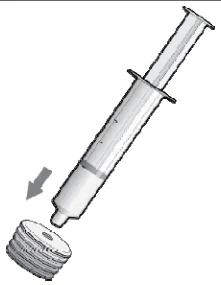
- 3. Open the safety cap of the bottle.
- 4.
Use the oral dosing syringe (supplied in the box) to add the appropriate volume of water to the bottle. While adding the water, the bottle should be kept inclined so that most of the powder is not at the bottom of the bottle, otherwise it might get stuck to the bottom.
- For 15 ml (600 mg): add 9 ml water
- For 22.5 ml (900 mg): add 12 ml water
- For 30 ml (1200 mg): add 15 ml water
- For 37.5 ml (1500 mg): add 19 ml water
- 5. Insert the push-in bottle adapter into the mouth of the bottle and press it in firmly to secure it.
- 6. Close the bottle by fastening the cap securely.
- 7. Shake the bottle thoroughly until a uniform suspension is achieved. After shaking the bottle, the resulting concentration of the oral suspension is 40 mg/ml and the total volume of suspension will be 15 ml (600 mg bottle), 22.5 ml (900 mg bottle), 30 ml (1200 mg bottle) or 37.5 ml (1500 mg bottle).
When dispensing Zithromax, advice should be given on correct usage of the oral dosing syringe.
7. MARKETING AUTHORISATION HOLDER
Pfizer Limited
Ramsgate Road
Sandwich, Kent
CT13 9NJ
United Kingdom
8 MARKETING AUTHORISATION NUMBER(S)
PL 00057/0336
9 DATE OF FIRST AUTHORISATION/RENEWAL OF THE
AUTHORISATION
Date of first authorisation: 25 September 1996
Date of latest renewal: 22 December 2005
10 DATE OF REVISION OF THE TEXT
15/07/2026