

Patient leaflet - Timoptol 0.5% w/v eye drops solution
1. What Timoptol is and what it is used for 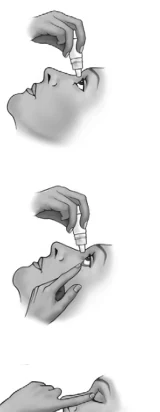
Timoptol contains a substance called timolol which belongs to a group of medicines called beta-blockers. Timolol 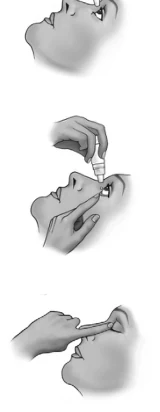 lowers the pressure in your eye(s). It is used to treat glaucoma, when the pressure in the eye is raised.
2. What you need to know before you use Timoptol
Do not use Timoptol if:
- you are allergic (hypersensitive) to timolol, beta-blockers or any of the other ingredients of Timoptol (see section 6: Contents of the pack and other information)
- you have now or have had in the past respiratory problems such as asthma, severe chronic obstructive bronchitis (severe lung disease which may cause wheeziness, difficulty in breathing and/or long-standing cough)
- you have heart problems
- slow heart beat
- disorders of heart rhythm (irregular heart beats)
heart failure
- “cardiogenic shock” – a serious heart condition caused by very low blood pressure, which may result in the following symptoms: dizziness and lightheadedness, fast pulse rate, white skin, sweating, restlessness, loss of consciousness.
If you are not sure whether you should use Timoptol talk to your doctor or pharmacist.
Warnings and precautions
Talk to your doctor before taking Timoptol if you have now or have had in the past
- coronary heart disease (symptoms can include chest pain or tightness, breathlessness or choking), heart failure
- low blood pressure
- disturbances of heart rate such as slow heart beat
- breathing problems, asthma or chronic obstructive pulmonary disease
- poor blood circulation disease (such as Raynaud's disease or Raynaud's syndrome)
- diabetes as timolol may mask signs and symptoms of low blood sugar
- overactivity of the thyroid gland as timolol may mask signs and symptoms
- you wear soft contact lenses (see section Timoptol contains benzalkonium chloride and phosphates).
Tell your doctor before you have an operation that you are using Timoptol as timolol may change effects of some medicines used during anaesthesia.
If your eye becomes irritated or any new eye problems come on, talk to your doctor straight away. Eye problems could include redness of the eye or swelling of the eyelids (see Section 4: Possible Side Effects).
If you suspect that Timoptol is causing an allergic reaction or hypersensitivity (for example, skin rash, or redness and itching of the eye), stop using Timoptol and contact your doctor immediately.
Tell your doctor if:
- you get an eye infection
- you injure your eye or have an operation on it
- your eye problems get worse or you get any new symptoms.
Children and adolescents
There is only very limited data available on the use of timolol in infants and children. For example, in one small clinical study, timolol, the active ingredient in Timoptol eye drops, has been studied in infants and children aged 12 days to 5 years, who have elevated pressure in the eye(s) or have been diagnosed with glaucoma. For more information, talk to your doctor.
Timoptol should generally be used with caution in young patients. In newborns, infants and younger children Timoptol should be used with extreme caution. If coughing, wheezing, abnormal breathing or abnormal pauses in breathing (apnoea) occur, the use of the medication should be stopped immediately. Contact your doctor as soon as possible. A portable apnoea monitor may also be helpful.
Other medicines and Timoptol
Timoptol can affect or be affected by other medicines you are using, including other eye drops for the treatment of glaucoma. Tell your doctor if you are using or intend to use medicines to lower blood pressure, heart medicine or medicines to treat diabetes. Please tell your doctor or pharmacist if you are taking or have recently taken any other medicines, including other eye drops or medicines obtained without a prescription.
It is important to tell your doctor before using Timoptol if you are taking one or more of the following medicines:
- a calcium antagonist, such as nifedipine, verapamil or diltiazem, often used to treat high blood pressure, angina, an abnormal heartbeat or Raynaud’s syndrome
- digoxin, a medicine used to relieve heart failure or treat abnormal heartbeat
- medicines known as catecholamine-depleting agents, such as rauwolfia alkaloids or reserpine, used for high blood pressure
- medicines called pressor amines, such as adrenaline used to treat severe allergic reaction
- quinidine (used to treat heart conditions and some types of malaria)
- antidepressants known as fluoxetine and paroxetine
- clonidine, a medicine used to treat high blood pressure
- other beta-blockers taken by mouth or used as eye drops, because they belong to the same group of medicines as Timoptol and could have an additive effect
Pregnancy and breast-feeding
Ask your doctor for advice before taking any medicine.
Use in pregnancy
Do not use Timoptol if you are pregnant unless your doctor considers it necessary.
Use in breast-feeding
Do not use Timoptol if you are breast-feeding. Timolol may get into your milk. Ask your doctor for advice before taking any medicine during breast-feeding.
Driving and using machines
There are possible side effects associated with Timoptol, such as dizziness, tiredness and changes in your eyesight, such as blurred vision, drooping of the upper eyelid (making the eye stay half closed), double vision which may affect your ability to drive and/or operate machinery. Do not drive and/or operate machinery until you feel well and your vision is clear.
Timoptol contains benzalkonium chloride and phosphates
This medicine contains 0.10 mg/ml benzalkonium chloride as a preservative. Benzalkonium chloride may be absorbed by soft contact lenses and may change the colour of the contact lenses. You should remove contact lenses before using this medicine and put them back 15 minutes afterwards.
Benzalkonium chloride may also cause eye irritation, especially if you have dry eyes or disorders of the cornea (the clear layer at the front of the eye). If you feel abnormal eye sensation, stinging or pain in the eye after using this medicine, talk to your doctor.
This medicine contains the following phosphates
- disodium phosphate dodecahydrate (29.21 mg/ml for Timoptol 0.25%, 30.42 mg/ml for Timoptol 0.5%)
- sodium dihydrogen phosphate dihydrate (8.15 mg/ml for Timoptol 0.25%, 6.10 mg/ml for Timoptol 0.5%)
If you suffer from severe damage to the clear layer at the front of the eye (the cornea), phosphates may cause in very rare cases cloudy patches on the cornea due to calcium build-up during treatment.
3. How to use Timoptol
Always use Timoptol eye drops solution exactly as your doctor has told you. Check with your doctor or pharmacist if you are not sure. The doctor will decide how many drops you should take each day and how long you should use them.
The usual dose is one drop in the affected eye(s) twice each day:
- one in the morning
- one in the evening.
Do not change your usual dose without talking to your doctor.
Do not allow the tip of the container to touch the eye or areas around the eye. It may become contaminated with bacteria that can cause eye infection leading to serious damage of the eye, even loss of vision. To avoid possible contamination of the container, keep the tip of the container away from contact with any surface.
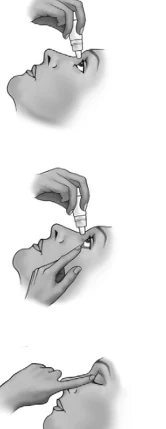
Instructions for use
Do not use the bottle if the plastic safety strip around the neck is missing or broken. When opening the bottle for the first time, tear off the plastic safety strip.
Every time you use Timoptol:
- 1. Wash your hands.
- 2.
Open the bottle. Take special care that the tip of the dropper bottle
does not touch your eye, the skin around your eye or your fingers.
- 3.
Tilt your head backwards and hold the bottle
upside down over the eye.
- 4.
Pull the lower eyelid downwards and look up.
Hold and gently squeeze the bottle on the flattened sides
of the bottle and let one drop fall into the space
between the lower eyelid and the eye.
- 5.
Press a finger into the corner of your eye, by the nose,
or close your eyelids for 2 minutes. This helps to stop
the medicine from getting into the rest of the body.
- 6. Repeat steps 3 to 5 with the other eye if instructed to do so by your doctor.
- 7. Put the cap back on and close the bottle tightly.
Ophthalmic medications, if handled improperly, can become contaminated by common bacteria known to cause infections. Serious damage to the eye and subsequent loss of vision may result from using contaminated ophthalmic medications. If you think your medication may be contaminated, or if you develop an eye infection, contact your doctor immediately concerning continued use of this bottle.
Use in children and adolescents
Before you or your child starts to take Timoptol, your doctor or your child's doctor will have carried out a detailed medical examination and decided whether or not this medicine is suitable. You or your child, especially a newborn, should be closely monitored for one to two hours after the first dose and carefully monitored for any signs of side effects until surgery is carried out.
Method of administration:
One drop only of Timoptol should be instilled into the affected eye(s) each time. Follow the "Instructions for Use" above when administering the eye drops. After instillation keep the eyes closed for as long as possible (e.g. 3 – 5 minutes) and apply pressure to the corner of the eye closest to the nose to prevent the eye drops spreading throughout the body.
Duration of treatment:
Your doctor or your child's doctor will decide for how long the eye drops will be needed.
If you use more Timoptol than you should
If you put too many drops in your eye or swallow any of the drops, you may:
- have a headache
- feel dizzy or light-headed
- have difficulty breathing
- chest pain
- feel that your heart rate has slowed down.
If this happens, contact your doctor immediately.
If you forget to use Timoptol
It is important to take Timoptol as prescribed by your doctor.
- If you miss a dose, use the drops as soon as possible.
- If it is almost time for the next dose, skip the missed dose and take the next dose at the usual time.
- Do not take a double dose to make up for the forgotten dose.
If you stop using Timoptol
If you want to stop using this medicine talk to your doctor first. If you have any further questions on the use of this product, ask your doctor or pharmacist.
4. Possible side effects
Like all medicines Timoptol can cause side effects, although not everybody gets them.
You can usually carry on taking the drops, unless the effects are serious. If you're worried, talk to a doctor or pharmacist. Do not stop using Timoptol without speaking to your doctor.
Like other medicines applied into eyes, timolol is absorbed into the blood. This may cause similar side effects as seen with intravenous and/or oral beta-blocking agents. Incidence of side effects after topical ophthalmic administration is lower than when medicines are, for example taken by mouth or injected. Listed side effects include reactions seen within the class of beta-blockers when used for treating eye conditions.
If you develop allergic reactions including swelling beneath the skin that can occur in areas such as the face and limbs, and can obstruct the airway which may cause difficulty swallowing or breathing, hives or itchy rash, localized and generalized rash, itchness, severe sudden life-threatening allergic reaction, stop taking your eyes drops and seek medical attention immediately.
Low blood glucose levels.
Difficulty sleeping (insomnia), depression, nightmares, memory loss, hallucination.
Fainting, stroke, reduced blood supply to the brain, increases in signs and symptoms of myasthenia gravis (muscle disorder), dizziness, unusual sensations like tingling or pins and needles, and headache.
Signs and symptoms of eye irritation (e.g. burning, stinging, itching, tearing, redness), inflammation of the eyelid, inflammation in the cornea, blurred vision and detachment of the layer below the retina that contains blood vessels following filtration surgery which may cause visual disturbances, decreased corneal sensitivity, dry eyes, corneal erosion (damage to the front layer of the eyeball), drooping of the upper eyelid (making the eye stay half closed) double vision, sensitivity to light, discharge from the eye, pain in the eye.
If you suffer from severe damage to the clear layer at the front of the eye (the cornea), phosphates may cause in very rare cases cloudy patches on the cornea due to calcium build-up during treatment.
Ringing sound in the ears.
Slow heart rate, chest pain, palpitations, oedema (fluid build up), changes in the rhythm or speed of the heartbeat, congestive heart failure (heart disease with shortness of breath and swelling of the feet and legs due to fluid build up), a type of heart rhythm disorder, heart attack, heart failure.
Low blood pressure, fainting, interference with the blood supply to the brain which may lead to a stroke, Raynaud's phenomenon, cold hands and feet, limping because there is a reduced blood supply to your legs.
Constriction of the airways in the lungs (predominantly in patients with pre-existing disease), difficulty breathing, shortness of breath, wheezing, cough.
Taste disturbances, nausea, indigestion, diarrhoea, dry mouth, abdominal pain, vomiting.
Sexual dysfunction, decreased sex drive, decreased libido. In men a condition which affects your penis called Peyronie’s disease. The signs may be abnormal curve, pain or hardening of the tissue of your penis.
Hair loss, skin rash with white silvery coloured appearance (psoriasiform rash) or worsening of psoriasis, skin rash, itching.
Muscle weakness/tiredness, muscle pain not caused by exercise.
A condition called lupus (systemic lupus erythematosus). P000000000000 Ask your doctor or pharmacist for more information about the side effects.
Reporting of side effects
If you get any side effects, talk to your doctor or pharmacist. This includes any possible side effects not listed in this leaflet. You can also report side effects directly (see details below). By reporting side effects you can help provide more information on the safety of this medicine.
United Kingdom: Yellow Card Scheme at: www.mhra.gov.uk/yellowcard or search for MHRA Yellow Card in the Google Play or Apple App Store.
5. How to store Timoptol
Keep this medicine out of the sight and reach of children.
- Do not store above 25°C.
- Keep the bottle in the outer carton in order to protect from light.
- You can use Timoptol for 28 days after first opening the bottle.
Do not use Timoptol after the expiry date which is stated on the carton and the bottle after EXP. The expiry date refers to the last day of that month. Make sure the container is properly closed.
Do not throw away any medicines via wastewater or household waste. Ask your pharmacist how to throw away medicines you no longer use. These measures will help to protect the environment.
6. Contents of the pack and other information
What Timoptol contains
The active substance is timolol maleate.
Timoptol is available in two strengths:
- 0.25% w/v solution of timolol (as maleate)
- 0.5% w/v solution of timolol (as maleate).
The other ingredients are:
- benzalkonium chloride as preservative
- disodium phosphate dodecahydrate E339
- sodium dihydrogen phosphate dihydrate E339
- sodium hydroxide
- water for injections.
See section 2 ‘Timoptol contains benzalkonium chloride and phosphates’.
What Timoptol looks like and contents of the pack
Timoptol is a clear colourless to light yellow sterile eye drops solution and is available in bottles containing 5 ml of sterile eye drops solution.
Marketing Authorisation Holder and Manufacturer
Marketing Authorisation Holder
Santen Oy
Niittyhaankatu 20
33720 Tampere
Finland
Manufacturer
Santen Oy
Kelloportinkatu 1
33100 Tampere
Finland
This leaflet was last revised in March 2020.
This leaflet gives the most important patient information about Timoptol. If you have any questions after you have read it, ask your doctor or pharmacist who will give you further information.
Further information about glaucoma is available from:
International Glaucoma Association (IGA)
15A Highpoint Business Village
Henwood, Ashford
Kent, TN24 8DH
Tel: +44 (0) 1233 648170
E-mail: info@iga.org.uk
Registered Charity number 274681.
(The IGA is an independent charity organisation which helps glaucoma patients and their relatives, and is not associated with Santen Oy.)
Alternatively, if you or someone you know has problems with their vision, and you require further advice or information, please contact the Royal National Institute for the Blind (RNIB) Helpline on 0303 123 9999.
(The RNIB is an independent UK charity and is not associated with Santen Oy).
MARVACO OY PELTOTIE 20, FIN-28400 ULVILA, FINLAND repro@marvaco.fi marvaco.fi • marvaco.se | 06.03.2020 | ||||||
Part No: 519-03 Timoptol Large Leaflet Item No: P0000000000000 | Dimensions: 320x480 mm Fonts/Size: Helvetica neue 9-14 pt | Black Technical | |||||