

Summary of Product Characteristics (SmPC) - Tadalafil Rosemont 4 mg/ml oral suspension
1 NAME OF THE MEDICINAL PRODUCT
Tadalafil Rosemont 4mg/ml Oral suspension
2 QUALITATIVE AND QUANTITATIVE COMPOSITION
Each ml of oral suspension contains 4mg of Tadalafil.
Excipient(s) with known effect:
Sodium benzoate (E 211) 2.40mg/ml
Benzoic acid (E 210) 0.005mg/ml
Frozen peppermint flavor (containing ethanol 0.00001mg/ml and propylene glycol 0.0835mg/ml)
For the full list of excipients, see section 6.1.
3 PHARMACEUTICAL FORM
Oral suspension
White to off white oral suspension.
4 CLINICAL PARTICULARS
4.1 Therapeutic indications
Adults
Treatment of pulmonary arterial hypertension (PAH) classified as WHO functional class II and III, to improve exercise capacity (see section 5.1).
Efficacy has been shown in idiopathic PAH (IPAH) and in PAH related to collagen vascular disease.
Paediatric population
Treatment of paediatric patients aged 2 years and above with pulmonary arterial hypertension (PAH) classified as WHO functional class II and III.
4.2 Posology and method of administration
Treatment should only be initiated and monitored by a physician experienced in the treatment of PAH.
Posology
Adults
The recommended dose is 40 mg taken once daily.
Paediatric population (age 2 years to 17 years)
The recommended once daily doses based on age and weight categories in paediatric patients are shown below.
Paediatric patient’s age and/or weight Recommended daily dose and dosing regimen
Age ≥ 2 years old
Body weight ≥ 40 kg
Body weight < 40 kg
40 mg once daily 20 mg once daily
*Tablets are available for patients able to swallow them and taking a 20 or 40 mg dose
For patients < 2 years old no PK or efficacy data are available from clinical trials. The most appropriate dose of Tadalafil in children aged between 6 months to < 2 years has not been established. Therefore, Tadalafil is not recommended in this age subset.
Delayed dose, missed dose, or vomiting
If there is a delay in the administration of Tadalafil, but yet within the same day, the dose should be taken with no changes to the subsequent dose schedules. Patients should not take an extra dose if a dose is missed.
Patients should not take an extra dose if vomiting occurs.
Special populations
Elderly patients
Dose adjustments are not required in elderly patients.
Renal impairment
Adults and paediatric population (2 to 17 years, weighing at least 40 kg)
In patients with mild to moderate renal impairment a starting dose of 20 mg once per day is recommended. The dose may be increased to 40 mg once per day, based on individual efficacy and tolerability. In patients with severe renal impairment the use of tadalafil is not recommended (see sections 4.4 and 5.2).
Paediatric population (2 to 17 years, weighing less than 40 kg)
In patients < 40 kg and with mild to moderate renal impairment a starting dose of 10 mg once per day is recommended. The dose may be increased to 20 mg once per day, based on individual efficacy and tolerability. In patients with severe renal impairment the use of tadalafil is not recommended (see sections 4.4 and 5.2).
Hepatic impairment
Adults and paediatric population (2 to 17 years, weighing at least 40 kg)
Due to limited clinical experience in patients with mild to moderate hepatic cirrhosis (Child-Pugh Class A and B), a starting dose of 20 mg once per day may be considered.
Paediatric population (2 to 17 years, weighing less than 40 kg)
In patients < 40 kg and with mild to moderate hepatic impairment, a starting dose of 10 mg once per day may be considered.
For patients of all ages, if tadalafil is prescribed, a careful individual benefit/risk assessment should be undertaken by the prescribing physician. Patients with severe hepatic cirrhosis (Child-Pugh Class C) have not been studied and therefore dosing of tadalafil is not recommended (see sections 4.4 and 5.2).
Paediatric population (age < 2 years)
Dosing and efficacy of Tadalafil has not been established for children aged < 2 years. Currently available data are described in sections 4.8 and 5.1.
Method of administration
Tadalafil Rosemont 4mg/ml oral suspension is for oral use only. This product may be given with or without food.
Take with a glass of water.
Shake well for at least 30 seconds before first opening.
For instructions for use of the medicinal product before administration, see section 6.6
The prescribed dose of Tadalafil Rosemont 4mg/ml oral suspension can be administered via nasogastric (NG) tube. Follow the manufacturer’s instructions for the NG tube to administer the medicinal product. To ensure adequate dosing, after administration of the oral suspension, the enteral feeding tube must be flushed with at least 10 mL of water or sodium chloride (0.9%).
4.3 Contraindications
Hypersensitivity to the active substance or to any of the excipients listed in section 6.1.
Acute myocardial infarction within the last 90 days.
Severe hypotension (<90/50 mm Hg).
In clinical trials, tadalafil was shown to augment the hypotensive effects of nitrates. This is thought to result from the combined effects of nitrates and tadalafil on the nitric oxide/cGMP pathway.
Therefore, administration of tadalafil to patients who are using any form of organic nitrate is contraindicated (see section 4.5).
The co-administration of phosphodiesterase type 5 (PDE5) inhibitors, including tadalafil, with guanylate cyclase stimulators, such as riociguat, is contraindicated as it may potentially lead to symptomatic hypotension (see section 4.5).
Patients who have loss of vision in one eye because of non-arteritic anterior ischemic optic neuropathy (NAION), regardless of whether this episode was in connection or not with previous PDE5 inhibitor exposure (see section 4.4).
4.4 Special warnings and precautions for use
Cardiovascular diseases
The following groups of patients with cardiovascular disease were not included in PAH clinical trials:
- Patients with clinically significant aortic and mitral valve disease
- Patients with pericardial constriction
- Patients with restrictive or congestive cardiomyopathy
- Patients with significant left ventricular dysfunction
- Patients with life-threatening arrhythmias
- Patients with symptomatic coronary artery disease
- Patients with uncontrolled hypertension.
Since there are no clinical data on the safety of tadalafil in these patients, the use of tadalafil is not recommended.
Pulmonary vasodilators may significantly worsen the cardiovascular status of patients with pulmonary veno-occlusive disease (PVOD). Since there are no clinical data on administration of tadalafil to patients with veno-occlusive disease, administration of tadalafil to such patients is not recommended. Should signs of pulmonary oedema occur when tadalafil is administered, the possibility of associated PVOD should be considered.
Tadalafil has systemic vasodilatory properties that may result in transient decreases in blood pressure. Physicians should carefully consider whether their patients with certain underlying conditions, such as severe left ventricular outflow obstruction, fluid depletion, autonomic hypotension or patients with resting hypotension, could be adversely affected by such vasodilatory effects.
In patients who are taking alpha1 blockers concomitant administration of tadalafil may lead to symptomatic hypotension in some patients (see section 4.5). Therefore, the combination of tadalafil and doxazosin is not recommended.
Vision
Visual defects, including Central Serous Chorioretinopathy (CSCR) and cases of NAION have been reported in connection with the intake of tadalafil and other PDE5 inhibitors. Most cases of CSCR resolved spontaneously after stopping tadalafil. Regarding NAION, analyses of observational data suggest an increased risk of acute NAION in men with erectile dysfunction following exposure to tadalafil or other PDE5 inhibitors. As this may be relevant for all patients exposed to tadalafil, the patient should be advised that in case of sudden visual defect, visual acuity impairment and/or visual distortion, he should stop taking tadalafil and consult a physician immediately (see section 4.3). Patients with known hereditary degenerative retinal disorders, including retinitis pigmentosa, were not included in the clinical trials, and use in these patients is not recommended.
Decreased or sudden hearing loss
Cases of sudden hearing loss have been reported after the use of tadalafil. Although other risk factors were present in some cases (such as age, diabetes, hypertension, previous hearing loss history and associated connective tissue diseases) patients should be advised to seek prompt medical attention in the event of sudden decrease or loss of hearing.
Renal and hepatic impairment
Due to increased tadalafil exposure (AUC), limited clinical experience, and the lack of ability to influence clearance by dialysis, tadalafil is not recommended in patients with severe renal impairment.
Patients with severe hepatic cirrhosis (Child-Pugh Class C) have not been studied and, therefore, dosing of tadalafil is not recommended.
Priapism and anatomical deformation of the penis
Priapism has been reported in men treated with PDE5 inhibitors. Patients who experience erections lasting 4 hours or more should be instructed to seek immediate medical assistance. If priapism is not treated immediately, penile tissue damage and permanent loss of potency may result.
Tadalafil should be used with caution in patients with anatomical deformation of the penis (such as angulation, cavernosal fibrosis or Peyronie's disease), or in patients who have conditions which may predispose them to priapism (such as sickle cell anaemia, multiple myeloma or leukaemia).
Use with CYP3A4 inducers or inhibitors
For patients chronically taking potent inducers of CYP3A4, such as rifampicin, the use of tadalafil is not recommended (see section 4.5).
For patients taking concomitant potent inhibitors of CYP3A4, such as ketoconazole or ritonavir, the use of tadalafil is not recommended (see section 4.5).
Treatments for erectile dysfunction
The safety and efficacy of combinations of tadalafil and other PDE5 inhibitors or other treatments for erectile dysfunction have not been studied. Patients should be informed not to take tadalafil with these medicinal products.
Prostacyclin and its analogues
The efficacy and safety of tadalafil co-administered with prostacyclin or its analogues has not been studied in controlled clinical trials. Therefore, caution is recommended in case of co-administration.
Bosentan
The efficacy of tadalafil in patients already on bosentan therapy has not been conclusively demonstrated (see sections 4.5 and 5.1).
Excipient warnings
Tadalafil Oral suspension contains
- Sodium benzoate (E 211) and benzoic acid (E 210). This medicine contains 2.40 mg sodium benzoate (E 211) and 0.005 mg of benzoic acid (E 210) in each ml.
- This medicine contains less than 1 mmol sodium (23 mg) per dose, that is to say essentially ‘sodium-free’.
- This medicine contains 0.00001mg of alcohol (ethanol) in each ml. The amount in each ml of this medicine is equivalent to less than 1ml beer or 1ml wine.
4.5 Interaction with other medicinal products and other forms of interaction
Effects of other medicinal products on tadalafil
Cytochrome P450 Inhibitors
Azole Antifungals (e.g. ketoconazole)
Ketoconazole (200 mg daily), increased tadalafil (10 mg) single-dose exposure (AUC) 2-fold and Cmax by 15%, relative to the AUC and Cmax values for tadalafil alone. Ketoconazole (400 mg daily) increased tadalafil (20 mg) single-dose exposure (AUC) 4-fold and Cmax by 22%.
Protease inhibitors (e.g. ritonavir)
Ritonavir (200 mg twice daily), which is an inhibitor of CYP3A4, CYP2C9, CYP2C19, and CYP2D6, increased tadalafil (20 mg) single-dose exposure (AUC) 2-fold with no change in Cmax. Ritonavir (500 mg or 600 mg twice daily) increased tadalafil (20 mg) single-dose exposure (AUC) by 32% and decreased Cmax by 30%.
Cytochrome P450 Inducers
Endothelin-1 receptor antagonists (e.g. bosentan)
Bosentan (125 mg twice daily), a substrate of CYP2C9 and CYP3A4 and a moderate inducer of CYP3A4, CYP2C9 and possibly CYP2C19, reduced tadalafil (40 mg once per day) systemic exposure by 42% and Cmax by 27% following multiple dose co-administration. The efficacy of tadalafil in patients already on bosentan therapy has not been conclusively demonstrated (see sections 4.4 and 5.1). Tadalafil did not affect the exposure (AUC and Cmax) of bosentan or its metabolites.
The safety and efficacy of combinations of tadalafil and other endothelin-1 receptor antagonists have not been studied.
Antimycobacterials(e.g. rifampicin)
A CYP3A4 inducer, rifampicin (600 mg daily), reduced tadalafil AUC by 88% and Cmax by 46%, relative to the AUC and Cmax values for tadalafil alone (10 mg).
Effects of tadalafil on other medicinal products
Nitrates
In clinical trials, tadalafil (5, 10 and 20 mg) was shown to augment the hypotensive effects of nitrates. This interaction lasted for more than 24 hours and was no longer detectable when 48 hours had elapsed after the last tadalafil dose. Therefore, administration of tadalafil to patients who are using any form of organic nitrate is contraindicated (see section 4.3).
Anti-hypertensives (including Calcium channel blockers)
The co-administration of doxazosin (4 and 8 mg daily) and tadalafil (5 mg daily dose and 20 mg as a single dose) increases the blood pressure-lowering effect of this alpha-blocker in a significant manner. This effect lasts at least twelve hours and may be symptomatic, including syncope. Therefore, this combination is not recommended (see section 4.4).
In interaction studies performed in a limited number of healthy volunteers, these effects were not reported with alfuzosin or tamsulosin.
In clinical pharmacology trials, the potential for tadalafil (10 and 20 mg) to augment the hypotensive effects of antihypertensive medicinal products was examined. Major classes of antihypertensive medicinal products were studied either as monotherapy or as part of combination therapy. In patients taking multiple antihypertensive medicinal products whose hypertension was not well controlled, greater reductions in blood pressure were observed compared to patients whose blood pressure was well controlled, where the reduction was minimal and similar to that in healthy subjects. In patients receiving concomitant antihypertensive medicinal products, tadalafil 20 mg may induce a blood pressure decrease, which (with the exception of doxazosin - see above) is, in general, minor and not likely to be clinically relevant.
Riociguat
Preclinical trials showed an additive systemic blood pressure lowering effect when PDE5 inhibitors were combined with riociguat. In clinical trials, riociguat has been shown to augment the hypotensive effects of PDE5 inhibitors. There was no evidence of favourable clinical effect of the combination in the population studied. Concomitant use of riociguat with PDE5 inhibitors, including tadalafil, is contraindicated (see section 4.3).
CYP1A2 substrates (e.g. theophylline)
When tadalafil 10 mg was administered with theophylline (a non-selective phosphodiesterase inhibitor) there was no pharmacokinetic interaction. The only pharmacodynamic effect was a small (3.5 beats per minute [bpm]) increase in heart rate.
CYP2C9 substrates (e.g. R-warfarin)
Tadalafil (10 mg and 20 mg) had no clinically significant effect on exposure (AUC) to S-warfarin or R-warfarin (CYP2C9 substrate), nor did tadalafil affect changes in prothrombin time induced by warfarin.
Acetylsalicylic acid
Tadalafil (10 mg and 20 mg) did not potentiate the increase in bleeding time caused by acetyl salicylic acid.
P-glycoprotein substrates (e.g. digoxin)
Tadalafil (40 mg once per day) had no clinically significant effect on the pharmacokinetics of digoxin.
Oral contraceptive
At steady-state, tadalafil (40 mg once per day) increased ethinylestradiol exposure (AUC) by 26% and Cmax by 70% relative to oral contraceptive administered with placebo. There was no statistically significant effect of tadalafil on levonorgestrel which suggests the effect of ethinylestradiol is due to inhibition of intestinal sulphation by tadalafil. The clinical relevance of this finding is uncertain.
Terbutaline
A similar increase in AUC and Cmax seen with ethinylestradiol may be expected with oral administration of terbutaline, probably due to inhibition of intestinal sulphation by tadalafil. The clinical relevance of this finding is uncertain.
Alcohol
Alcohol concentrations were not affected by co-administration with tadalafil (10 mg or 20 mg). In addition, no changes in tadalafil concentrations were seen after co-administration with alcohol.
Tadalafil (20 mg) did not augment the mean blood pressure decrease produced by alcohol (0.7 g/kg or approximately 180 mL of 40 % alcohol [vodka] in an 80 kg male), but in some subjects, postural dizziness and orthostatic hypotension were observed. The effect of alcohol on cognitive function was not augmented by tadalafil (10 mg).
Paediatric population
Interaction studies have only been performed in adults.
Based upon population PK analysis, the estimates of apparent clearance (CL/F) and the effect of bosentan on CL/F in paediatric patients are similar to those in adult patients with PAH. No dose adjustment is considered necessary for tadalafil with bosentan use.
4.6 Fertility, pregnancy and lactation
Pregnancy
There are limited data from the use of tadalafil in pregnant women. Animal trials do not indicate direct or indirect harmful effects with respect to
pregnancy, embryonal/foetal development, parturition or postnatal development (see section 5.3). As a precautionary measure, it is preferable to avoid the use of tadalafil during pregnancy.
Breastfeeding
Available pharmacodynamic/toxicological data in animals have shown excretion of tadalafil in milk. A risk to the breastfed child cannot be excluded. tadalafil should not be used during breast feeding.
Fertility
Effects were seen in dogs that might indicate impairment of fertility. Two subsequent clinical trials suggest that this effect is unlikely in humans, although a decrease in sperm concentration was seen in some men (see sections 5.1 and 5.3).
4.7 Effects on ability to drive and use machines
Tadalafil has negligible influence on the ability to drive or use machines. Although the frequency of reports of dizziness in placebo and tadalafil arms in clinical trials was similar, patients should be aware of how they react to tadalafil, before driving or operating machinery.
4.8 Undesirable effects
Summary of the safety profile
The most commonly reported adverse reactions, occurring in ≥ 10% of patients in the tadalafil 40 mg treatment arm, were headache, nausea, back pain, dyspepsia, flushing, myalgia, nasopharingitis and pain in extremity. The adverse reactions reported were transient, and generally mild or moderate.
Adverse reaction data are limited in patients over 75 years of age.
In the pivotal placebo-controlled study of tadalafil for the treatment of PAH, a total of 323 patients were treated with tadalafil at doses ranging from 2.5 mg to 40 mg once daily and 82 patients were treated with placebo. The duration of treatment was 16 weeks. The overall frequency of discontinuation due to adverse events was low (tadalafil 11%, placebo 16%). Three hundred and fifty seven (357) patients who completed the pivotal study entered a long-term extension study. Doses studied were 20 mg and 40 mg once daily.
Tabulated list of adverse reactions
The table below lists the adverse reactions reported during the placebo-controlled clinical trial in patients with PAH treated with tadalafil. Also included in the table are some adverse reactions which have been reported in clinical trials and/or post marketing with tadalafil in the treatment of male erectile dysfunction. These events have either been assigned a frequency of “Not known”, as the frequency in PAH patients cannot be estimated from the available data or assigned a frequency based on the clinical trial data from the pivotal placebo-controlled study of tadalafil.
Frequency estimate: Very common (≥1/10), common (≥1/100 to <1/10), uncommon (≥1/1,000 to <1/100), rare (≥1/10,000 to <1/1,000), very rare (<1/10,000) and not known (cannot be estimated from the available data).
| Very common | Common | Uncommon | Rare | Not known1 |
| Immune system disorders | ||||
| Hypersensitivity reactions5 | Angioedema | |||
| Nervous system disorders | ||||
| Headache6 | Syncope, Migraine5 | Seizures5, Transient amnesia5 | Stroke2 (including haemorrhagic events) | |
| Eye disorders | ||||
| Blurred vision | Non-arteritic anterior ischaemic optic neuropathy (NAION), | |||
Retinal vascular occlusion, Visual field defect, Central serous chorioretinopathy | ||||
| Ear and labyrinth disorders | ||||
| Tinnitus | Sudden hearing loss | |||
| Cardiac disorders | ||||
| Palpitations2, 5 | Sudden cardiac death2, 5, Tachycardia2, 5 | Unstable angina pectoris, Ventricular arrhythmia, Myocardial Infarction2 | ||
| Vascular disorders | ||||
| Flushing | Hypotension | Hypertension | ||
| Respiratory, thoracic and mediastinal disorders | ||||
| Nasopharyngitis (including nasal congestion, sinus congestion and rhinitis) | Epistaxis | |||
| Gastrointestinal disorders | ||||
| Nausea, Dyspepsia (including abdominal pain/discomfort3) | Vomiting, Gastro-oesophageal reflux | |||
| Skin and subcutaneous tissue disorders | ||||
| Rash | Urticaria5, Hyperhydrosis (sweating)5 | Stevens-Johnson Syndrome, Exfoliative dermatitis | ||
| Musculoskeletal, connective tissue and bone disorders | ||||
| Myalgia, Back pain, Pain in extremity (including limb discomfort) | ||||
| Renal and urinary disorders | ||||
| Haematuria | ||||
| Reproductive system and breast disorders | ||||
| Increased uterine bleeding4 | Priapism5, Penile haemorrhage, Haematospermia | Prolonged erections | ||
| General disorders and administration site conditions | ||||
| Facial oedema, Chest pain2 | ||||
1 Events not reported in registration trials and cannot be estimated from the available data. The adverse reactions have been included in the table as a result of postmarketing or clinical trial data from the use of tadalafil in the treatment of erectile dysfunction.
2 Most of the patients in whom these events have been reported had pre-existing cardiovascular risk factors.
3 Actual MedDRA terms included are abdominal discomfort, abdominal pain, abdominal pain lower, abdominal pain upper, and stomach discomfort. 4 Clinical non-MedDRA term to include reports of abnormal/excessive menstrual bleeding conditions such as menorrhagia, metrorrhagia, menometrorrhagia, or vaginal haemorrhage.
5 The adverse reactions have been included in the table as a result of postmarketing or clinical trial data from the use of tadalafil in the treatment of erectile dysfunction; and in addition, the frequency estimates are based on only 1 or 2 patients experiencing the adverse reaction in the pivotal placebo-controlled study of tadalafil. 6 Headache was the most commonly reported adverse reaction. Headache may occur at the beginning of therapy; and decreases over time even if treatment is continued.
Paediatric population
A total of 51 paediatric patients aged from 2.5 to 17 years with PAH were treated with tadalafil in clinical trials (H6D-MC-LVHV, H6D-MC-LVIG). A total of 391 paediatric patients with PAH, from new-born to < 18 years, were treated with tadalafil in an observational post-marketing study (H6D-JE- TD01). Following tadalafil administration, the frequency, type and severity of adverse reactions in children and adolescents were similar to that seen for adults. Due to differences in study design, sample size, gender, age range, and doses, safety findings from these trials are detailed separately below.
Placebo-controlled clinical trial in paediatric patients (H6D-MC-LVHV)
In a randomised, placebo-controlled study in 35 patients aged 6.2 to 17.9 years (median age of
14.2 years) with PAH, a total of 17 patients were treated once daily with tadalafil 20 mg
(middle-weight cohort, ≥ 25 kg to < 40 kg) or 40 mg (heavy-weight cohort, ≥ 40 kg), and 18 patients were treated with placebo, for 24 weeks. The most common AEs, occurring in ≥ 2 patients treated with tadalafil, were headache (29.4 %), upper respiratory tract infection and influenza (17.6 % each), and arthralgia and epistaxis (11.8 % each). No deaths or SAEs were reported. Of the 35 paediatric patients treated in the short-term, placebo-controlled study, 32 entered the 24 month long-term open-label extension and 26 patients completed the follow-up. No new safety signals were observed.
Uncontrolled pharmacokinetic study in paediatric patients (H6D-MC-LVIG)
In a paediatric multiple ascending dose study, 19 patients with a median age of 10.9 years [range
2.5 - 17 years] received once daily Tadalafil, for an open-label treatment duration of 10 weeks (Period 1) and for up to a further 24 months in an extension (Period 2). SAEs were reported in 8 patients (42.1 %). These were pulmonary hypertension (21.0 %), viral infection (10.5 %), and cardiac failure, gastritis, pyrexia, type 1 diabetes mellitus, febrile convulsion, presyncope, seizure, and ovarian cyst (5.3 % each). No patient was discontinued due to AEs. TEAEs were reported in
18 patients (94.7 %) and the most frequent TEAEs (occurring in ≥ 5 patients) were headache, pyrexia, viral upper respiratory tract infection, and vomiting. Two deaths were reported.
Post-marketing study in paediatric patients (H6D-JE-TD01)
Safety data were collected during an observational post-marketing study in Japan including
391 paediatric PAH patients (2 years maximum observational period). The mean age of patients in the study was 5.7 ± 5.3 years, including 79 patients aged < 1 year, 41 aged 1 to < 2 years, 122 aged 2 to 6 years, 110 aged 7 to 14 years, and 39 aged 15 to 17 years. AEs were reported in 123 patients (31.5 %). The incidences of AEs (≥ 5 patients) were pulmonary hypertension (3.6 %); headache (2.8 %); heart failure and decreased platelet count (2.0 % each); epistaxis and upper respiratory tract infection (1.8 % each); bronchitis, diarrhoea, and abnormal hepatic function (1.5 % each); and gastroenteritis, protein losing gastroenteropathy, and increased aspartate aminotransferase (1.3 % each). The incidence of SAEs was 12.0 % (≥ 3 patients), including pulmonary hypertension (3.6 %), heart failure (1.5 %), and pneumonia (0.8 %). Sixteen deaths (4.1 %) were reported; none were related to tadalafil.
Reporting of suspected adverse reactions
Reporting suspected adverse reactions after authorisation of the medicinal product is important. It allows continued monitoring of the benefit/risk balance of the medicinal product. Healthcare professionals are asked to report any suspected adverse reactions via the Yellow Card Scheme at www.mhra.gov.uk/yellowcard or search for MHRA Yellow Card in the Google Play or Apple App Store.
4.9 Overdose
Single doses of up to 500 mg have been given to healthy subjects, and multiple daily doses up to 100 mg have been given to patients with erectile dysfunction. Adverse reactions were similar to those seen at lower doses.
In cases of overdose, standard supportive measures should be adopted as required. Haemodialysis contributes negligibly to tadalafil elimination.
5 PHARMACOLOGICAL PROPERTIES
5.1 Pharmacodynamic properties
Pharmacotherapeutic group: Urologicals, drugs used in erectile dysfunction, ATC code: G04BE08.
Mechanism of action
Tadalafil is a potent and selective inhibitor of PDE5, the enzyme responsible for the degradation of cyclic guanosine monophosphate (cGMP). Pulmonary arterial hypertension is associated with impaired release of nitric oxide by the vascular endothelium and consequent reduction of cGMP concentrations within the pulmonary vascular smooth muscle. PDE5 is the predominant phosphodiesterase in the pulmonary vasculature. Inhibition of PDE5 by tadalafil increases the concentrations of cGMP resulting in relaxation of the pulmonary vascular smooth muscle cell and vasodilation of the pulmonary vascular bed.
Pharmacodynamic effects
Studies in vitro have shown that tadalafil is a selective inhibitor of PDE5. PDE5 is an enzyme found in corpus cavernosum smooth muscle, vascular and visceral smooth muscle, skeletal muscle, platelets, kidney, lung, and cerebellum. The effect of tadalafil is more potent on PDE5 than on other phosphodiesterases. Tadalafil is > 10,000-fold more potent for PDE5 than for PDE1, PDE2, and PDE4, enzymes which are found in the heart, brain, blood vessels, liver, and other organs. Tadalafil is > 10,000-fold more potent for PDE5 than for PDE3, an enzyme found in the heart and blood vessels. This selectivity for PDE5 over PDE3 is important because PDE3 is an enzyme involved in cardiac contractility. Additionally, tadalafil is approximately 700-fold more potent for PDE5 than for PDE6, an enzyme which is found in the retina and is responsible for phototransduction. Tadalafil is also > 10,000-fold more potent for PDE5 than for PDE7 through PDE10.
Clinical efficacy and safety
Pulmonary arterial hypertension in adults
A randomised, double-blind, placebo-controlled study was conducted in 405 patients with pulmonary arterial hypertension. Allowed background therapy included bosentan (stable maintenance dose up to 125 mg twice daily) and chronic anticoagulation, digoxin, diuretics and oxygen. More than half (53.3%) of the patients in the study were receiving concomitant bosentan therapy.
Patients were randomised to one of five treatment groups (tadalafil 2.5 mg, 10 mg, 20 mg, 40 mg, or placebo). Patients were at least 12 years of age and had a diagnosis of PAH that was idiopathic, related to collagen disease, related to anorexigen use, related to human immunodeficiency virus (HIV) infection, associated with an atrial-septal defect, or associated with surgical repair of at least 1 year in duration of a congenital systemic-to-pulmonary shunt (for example, ventricular septal defect, patent ductus arteriosus). The mean age of all patients was 54 years (range 14 to 90 years) with the majority of patients being Caucasian (80.5%) and female (78.3%). Pulmonary arterial hypertension (PAH) etiologies were predominantly idiopathic PAH (61.0%) and related to collagen vascular disease (23.5%). The majority of patients had a World Health Organization (WHO) Functional Class III (65.2%) or II (32.1%). The mean baseline 6-minute-walk-distance (6MWD) was 343.6 metres.
The primary efficacy endpoint was the change from baseline at week 16 in 6-minute walk distance (6MWD). Only tadalafil 40 mg achieved the protocol defined level of significance with a placebo-adjusted median increase in 6MWD of 26 metres (p=0.0004; 95% CI: 9.5, 44.0; Pre-specified Hodges-Lehman method) (mean 33 metres, 95% CI: 15.2, 50.3). The improvement in walk distance was apparent from 8 weeks of treatment. Significant improvement (p<0.01) in the 6MWD was demonstrated at week 12 when the patients were asked to delay taking study medicinal product in order to reflect trough active substance concentration. Results were generally consistent in subgroups according to age, gender, PAH aetiology and baseline WHO functional class and 6MWD. The placebo-adjusted median increase in 6MWD was 17 metres (p=0.09; 95% CI: -7.1, 43.0; Pre-specified Hodges-Lehman method) (mean 23 metres, 95% CI: -2.4, 47.8) in those patients who received tadalafil 40 mg in addition to their concomitant bosentan (n=39), and was 39 metres (p<0.01, 95% CI: 13.0, 66.0; Pre-specified Hodges-Lehman method) (mean 44 metres, 95% CI: 19.7, 69.0) in those patients who received tadalafil 40 mg alone (n=37).
The proportion of patients with improvement in WHO functional class by week 16 was similar in the tadalafil 40 mg and placebo groups (23% vs. 21%). The incidence of clinical worsening by week 16 in patients treated with tadalafil 40 mg (5%; 4 of 79 patients) was less than placebo (16%; 13 of 82 patients). Changes in the Borg dyspnoea score were small and non-significant with both placebo and tadalafil 40 mg.
Additionally, improvements compared to placebo were observed with tadalafil 40 mg in the physical functioning, role-physical, bodily pain, general health, vitality and social functioning domains of the SF-36. No improvements were observed in the role emotional and mental health domains of the SF-36. Improvements compared to placebo were observed with tadalafil 40 mg in the EuroQol (EQ-5D) US and UK index scores comprising mobility, self-care, usual activities, pain/discomfort, anxiety/depression components, and in the visual analogue scale (VAS).
Cardiopulmonary haemodynamics was performed in 93 patients. Tadalafil 40 mg increased cardiac output (0.6 L/min) and reduced pulmonary artery pressures (-4.3 mmHg) and pulmonary vascular resistance (-209 dyn.s/cm5) compared to baseline (p<0.05). However, post hoc analyses demonstrated that changes from baseline in cardiopulmonary haemodynamic parameters for the tadalafil 40 mg treatment group were not significantly different compared to placebo.
Long-term treatment
357 patients from the placebo-controlled study entered a long-term extension study. Of these, 311 patients had been treated with tadalafil for at least 6 months and 293 for 1 year (median exposure 365 days; range 2 days to 415 days). For those patients for which there are data, the survival rate at 1 year is 96.4%. Additionally, 6 minute walk distance and WHO functional class status appeared to be stable in those treated with tadalafil for 1 year.
Tadalafil 20 mg administered to healthy subjects produced no significant difference compared to placebo in supine systolic and diastolic blood pressure (mean maximal decrease of 1.6/0.8 mm Hg, respectively), in standing systolic and diastolic blood pressure (mean maximal decrease of 0.2/4.6 mm Hg, respectively), and no significant change in heart rate.
In a study to assess the effects of tadalafil on vision, no impairment of colour discrimination (blue/green) was detected using the Farnsworth-Munsell 100-hue test. This finding is consistent with the low affinity of tadalafil for PDE6 compared to PDE5. Across all clinical trials, reports of changes in colour vision were rare (< 0.1 %).
Three trials were conducted in men to assess the potential effect on spermatogenesis of tadalafil 10 mg (one 6-month study) and 20 mg (one 6-month and one 9-month study) administered daily. In two of these trials decreases were observed in sperm count and concentration related to tadalafil treatment of unlikely clinical relevance. These effects were not associated with changes in other parameters such as motility, morphology and FSH.
Paediatric population
Pulmonary arterial hypertension in children
A total of 35 paediatric patients with PAH aged 6 to <18 years were treated in a 2-period add-on (in addition to patient’s current endothelin receptor antagonist) study (H6D-MC-LVHV) to evaluate tadalafil efficacy, safety, and PK. In the 6-month double-blind period (Period 1), 17 patients received tadalafil and 18 patients received placebo.
Tadalafil dose was administered based on patient’s weight at the screening visit. The majority of patients (25 [71.4 %]) were ≥ 40 kg and received 40 mg, with the remainder (10 [28.6 %]) weighing ≥ 25 kg to < 40 kg and receiving 20 mg. There were 16 male and 19 female patients in this study; the median age for the overall population was 14.2 years (ranged from 6.2 to 17.9 years). No patient aged < 6years was enrolled in the study. Pulmonary arterial hypertension aetiologies were predominantly IPAH (74.3 %) and PAH associated with persisting or recurrent pulmonary hypertension after repair of a congenital systemic to pulmonary shunt (25.7 %). The majority of patients were in WHO functional Class II (80 %).
The primary objective of period 1 was to evaluate the efficacy of tadalafil compared with placebo in improving 6MWD from baseline to Week 24, as assessed in patients ≥ 6 to < 18 years of age who were developmentally capable of performing a 6MW test. For the primary analysis (MMRM), the LS mean (Standard Error: SE) change from baseline to 24 weeks in 6MWD was 60 (SE: 20.4) metres for tadalafil and 37 (SE: 20.8) metres for placebo.
Additionally, in paediatric patients with PAH aged ≥ 2 to < 18 years, an exposure-response (ER) model was used to predict 6MWD based upon paediatric exposure following 20 or 40 mg daily doses estimated using a Population PK model and an established adult ER model (H6D-MC-LVGY). The model demonstrated similarity of response between model-predicted and the actual observed 6MWD in paediatric patients aged 6 to < 18 years from Study H6D-MC-LVHV.
There were no confirmed cases of clinical worsening in either treatment group during period 1. The proportion of patients with improvement in WHO functional class from baseline to week 24 was 40 % in the tadalafil group compared to 20 % in the placebo group. Additionally, a positive trend of potential efficacy in tadalafil versus placebo group was also observed in measurements like NT-Pro- BNP (treatment difference: -127.4, 95 % CI, -247.05 to -7.80), echocardiographic parameters (TAPSE: treatment difference 0.43, 95 % CI, 0.14 to 0.71; left ventricular EI-systolic: treatment difference -0.40, 95 % CI, -0.87 to 0.07; left ventricular EI-diastolic: treatment difference -0.17, 95 % CI, -0.43 to 0.09; 2 patients with reported pericardial effusion from placebo group and none from tadalafil group), and CGI-I (improved in tadalafil 64.3 %, placebo 46.7 %).
Long term extension data
A total of 32 patients from the placebo-controlled study (H6D-MC-LVHV) entered the open-label 2- year extension period (period 2) during which all patients received tadalafil at their appropriate weight cohort-related dose. The primary objective of period 2 was to evaluate the long-term safety of tadalafil.
In total, 26 patients completed the follow-up, during which time no new safety signals were observed. Clinical worsening was experienced in 5 patients; 1 had new onset syncope, 2 had an increase in endothelin receptor antagonist dose, 1 had addition of new PAH-specific concomitant therapy and 1 was hospitalized for PAH progression. WHO functional class was maintained or improved in the majority of patients at the end of period 2.
Pharmacodynamic effects in children aged < 6 years
Due to limited availability of pharmacodynamic measures and lack of a suitable and approved clinical endpoint in children younger than age 6 years, efficacy is extrapolated in this population based upon exposure-matching to the adult efficacious dose range.
Dosing and efficacy of Tadalafil has not been established for children aged less than 2 years.
Duchenne muscular dystrophy
A single study has been performed in paediatric patients with Duchenne Muscular Dystrophy (DMD) in which no evidence of efficacy was seen. The randomised, double blind, placebo controlled, parallel, 3 arm study of tadalafil was conducted in 331 boys aged 7 14 years with DMD receiving concurrent corticosteroid therapy. The study included a 48 week double- blind period where patients were randomised to tadalafil 0.3 mg/kg, tadalafil 0.6 mg/kg, or placebo daily. Tadalafil did not show efficacy in slowing the decline in ambulation as measured by the primary 6 minute walk distance (6MWD) endpoint: least squares (LS) mean change in 6MWD at 48 weeks was 51.0 meters (m) in the placebo group, compared with 64.7 m in the tadalafil 0.3 mg/kg group (p = 0.307) and 59.1 m in the tadalafil 0.6 mg/kg group (p = 0.538). In addition, there was no evidence of efficacy from any of the secondary analyses performed in this study. The overall safety results from this study were generally consistent with the known safety profile of tadalafil and with adverse events (AEs) expected in a paediatric DMD population receiving corticosteroids.
5.2 Pharmacokinetic properties
Pharmacokinetic studies have shown this 4mg/ml oral suspension is bioequivalent with the innovator product (ADCIRCA tablets) based upon (AUC(0-72h), Cmax, and Tmax in the fasted state. In the fed state, this 4mg/ml oral suspension is bioequivalent with the innovator product (ADCIRCA tablets) based upon (AUC(0-72h) and Cmax. In the fed state, the Tmax of this 4mg/ml oral suspension is approximately 1 hour later than ADCIRCA tablets, however the difference was not considered clinically relevant in this indication. This 4mg/ml oral suspension may be taken with or without food, since bioequivalence has been demonstrated in both the fasting and fed state. Some other available tadalafil oral suspensions should be taken in the fasting state only, since bioequivalence has not yet been demonstrated in the fed state.
Absorption
Tadalafil is readily absorbed after oral administration and the mean maximum observed plasma concentration (Cmax) is achieved at a median time of 4 hours after dosing. Pharmacokinetic studies have shown that tadalafil tablets and oral suspension are bioequivalent. Absolute bioavailability of tadalafil following oral dosing has not been determined.
The rate and extent of absorption of tadalafil film-coated tablets are not influenced by food, thus tadalafil tablets may be taken with or without food. Pharmacokinetic studies have shown that tadalafil tablets and this 4mg/ml tadalafil oral suspension product are bioequivalent in both the fasted and fed state. This 4mg/ml oral suspension may therefore be taken with or without food. Some other available tadalafil oral suspensions should be taken in the fasting state only, since equivalence has not yet been demonstrated in the fed stateThe time of dosing (morning versus evening after a single 10 mg administration) had no clinically relevant effects on the rate and extent of absorption. For children, tadalafil was dosed in clinical trials and post-marketing trials without regard to food with no safety concerns.
Distribution
The mean volume of distribution is approximately 77 l at steady state, indicating that tadalafil is distributed into tissues. At therapeutic concentrations, 94 % of tadalafil in plasma is bound to proteins. Protein binding is not affected by impaired renal function.
Less than 0.0005 % of the administered dose appeared in the semen of healthy subjects.
Biotransformation
Tadalafil is predominantly metabolised by the cytochrome P450 (CYP) 3A4 isoform. The major circulating metabolite is the methylcatechol glucuronide. This metabolite is at least 13,000-fold less potent than tadalafil for PDE5. Consequently, it is not expected to be clinically active at observed metabolite concentrations.
Elimination
The mean oral clearance for tadalafil is 3.4 l/h at steady state and the mean terminal half-life is 16 hours in healthy subjects. Tadalafil is excreted predominantly as inactive metabolites, mainly in the faeces (approximately 61 % of the dose) and to a lesser extent in the urine (approximately 36 % of the dose).
Linearity/non-linearity
Over a dose range of 2.5 to 20 mg, tadalafil exposure (AUC) increases proportionally with dose in healthy subjects. Between 20 mg to 40 mg, a less than proportional increase in exposure is observed. During tadalafil 20 mg and 40 mg once daily dosing, steady-state plasma concentrations are attained within 5 days, and exposure is approximately 1.5 fold of that after a single dose.
Population pharmacokinetics
In patients with pulmonary hypertension not receiving concomitant bosentan, the average tadalafil exposure at steady-state following 40 mg was 26% higher when compared to those of healthy volunteers. There were no clinically relevant differences in Cmax compared to healthy volunteers. The results suggest a lower clearance of tadalafil in patients with pulmonary hypertension compared to healthy volunteers.
Special populations
Elderly
Healthy elderly subjects (65 years or over), had a lower oral clearance of tadalafil, resulting in 25 % higher exposure (AUC) relative to healthy subjects aged 19 to 45 years after a 10 mg dose. This effect of age is not clinically significant and does not warrant a dose adjustment.
Renal impairment
In clinical pharmacology studies using single-dose tadalafil (5 to 20 mg), tadalafil exposure (AUC) approximately doubled in subjects with mild (creatinine clearance 51 to 80 ml/min) or moderate (creatinine clearance 31 to 50 ml/min) renal impairment and in subjects with end-stage renal disease on dialysis. In haemodialysis patients, Cmax was 41% higher than that observed in healthy subjects. Haemodialysis contributes negligibly to tadalafil elimination.
Due to increased tadalafil exposure (AUC), limited clinical experience, and the lack of ability to influence clearance by dialysis, tadalafil is not recommended in patients with severe renal impairment.
Hepatic impairment
Tadalafil exposure (AUC) in subjects with mild and moderate hepatic impairment (Child-Pugh Class A and B) is comparable to exposure in healthy subjects when a dose of 10 mg is administered. If tadalafil is prescribed, a careful individual benefit/risk evaluation should be undertaken by the prescribing physician. There are no available data about the administration of doses higher than 10 mg of tadalafil to patients with hepatic impairment.
Patients with severe hepatic cirrhosis (Child-Pugh Class C) have not been studied, and therefore dosing of tadalafil in these patients is not recommended.
Patients with diabetes
Tadalafil exposure (AUC) in patients with diabetes was approximately 19 % lower than the AUC value for healthy subjects after a 10 mg dose. This difference in exposure does not warrant a dose adjustment.
Race
Pharmacokinetic studies have included subjects and patients from different ethnic groups, and no differences in the typical exposure to tadalafil have been identified. No dose adjustment is warranted.
Gender
In healthy female and male subjects following single dose and multiple-doses of tadalafil, no clinically relevant differences in exposure were observed. No dose adjustment is warranted.
Paediatric population
Based on data from 36 paediatric patients with PAH aged 2 to < 18 years, body weight did not have an impact on the clearance of tadalafil; the AUC values in all paediatric weight groups are similar to those in adult patients at the same dose. Body weight was shown to be a predictor of peak exposure in children; due to this weight effect, the dose is 20 mg daily for paediatric patients ≥ 2 years and weighing < 40 kg, and the Cmax is expected to be similar to paediatric patients weighing ≥ 40 kg taking 40 mg daily. Tmax for the tablet formulation was estimated at approximately 4 hours and was independent of body weight. Tadalafil half-life values were estimated to range from 13.6 to 24.2 hours for a range of 10 to 80 kg of body weight and did not show any clinically relevant differences.
5.3 Preclinical safety data
Non-clinical data reveal no special hazard for humans based on conventional trials of safety pharmacology, repeated-dose toxicity, genotoxicity, carcinogenic potential, and toxicity to reproduction.
There was no evidence of teratogenicity, embryotoxicity or foetotoxicity in rats or mice that received up to 1000 mg/kg/day tadalafil. In a rat prenatal and postnatal development study, the no observed effect dose was 30 mg/kg/day. In the pregnant rat the AUC for calculated free active substance at this dose was approximately 18 times the human AUC at a 20 mg dose.
There was no impairment of fertility in male and female rats. In dogs given tadalafil daily for 6 to 12 months at doses of 25 mg/kg/day (resulting in at least a 3-fold greater exposure [range 3.7 – 18.6] than seen in humans given a single 20 mg dose) and above, there was regression of the seminiferous tubular epithelium that resulted in a decrease in spermatogenesis in some dogs. See also section 5.1.
6 PHARMACEUTICAL PARTICULARS
6.1 List of excipients
Sodium benzoate (E 211)
Xanthan gum (E 415)
Sucralose (E 955)
Glycerol (E 422)
Citric acid monohydrate (E 330)
Sodium citrate (E 331)
Polysorbate 80 (E 433)
30% Simethicone emulsion (containing benzoic acid (E 210))
Frozen peppermint flavour (501524 1T) (containing flavouring preparations, natural flavouring substances, ethanol and propylene glycol)
Purified water
6.2 Incompatibilities
Not applicable.
6.3 Shelf life
12 months
After first opening of the bottle: 30 days
6.4 Special precautions for storage
This medicinal product does not require any special temperature storage conditions.
Store in the original package in order to protect from light. Do not store above 25°C after first opening of the bottle.
6.5 Nature and contents of container
Tadalafil Oral suspension is packaged in Amber Polyethylene terephthalate (PET) bottle with a white child resistant tamper evident expanded polyethylene (TE/EPE) closure, containing 150 ml of liquid product.
The package contains a 5 ml oral syringe with a polypropylene body, purple HDPE plunger with graduations at 0.5 ml, 1.0 ml, 2.0 ml, 3.0 ml, 4.0 ml and 5.0 ml marking together with a low density polyethylene bottle adaptor.
6.6 Special precautions for disposal
Dose recovery of tadalafil was achieved with nasogastric (NG) tubes made of PVC, silicone and polyurethane at 50 cm and tube size of 4Fr, and 90 cm in length and tube size of 8Fr. To ensure adequate dosing, after administration of the oral suspension, the NG tube must be flushed with at least 10mL of water or sodium chloride (0.9%).
Any unused medicinal product or waste material should be disposed of in accordance with local requirements.
Instructions for use
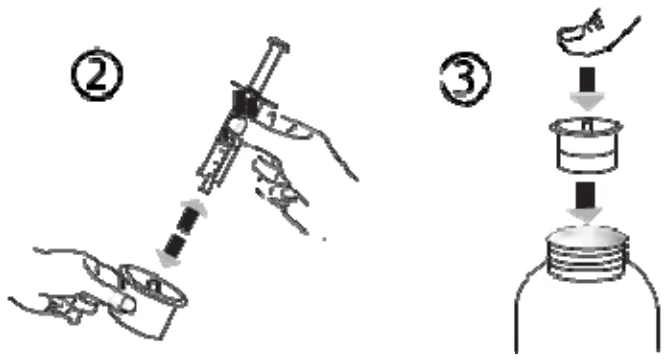
The oral suspension must be shaken well for at least 30 seconds before first opening.
- Open the bottle: press the cap and turn it anticlockwise (figure 1)


- Separate the adaptor from the syringe (figure 2). Insert the adaptor into the bottle neck (figure 3). Ensure it is well fixed.
- Take the syringe and put it in the adaptor opening (figure 4). Turn the bottle
upside down (figure 5). 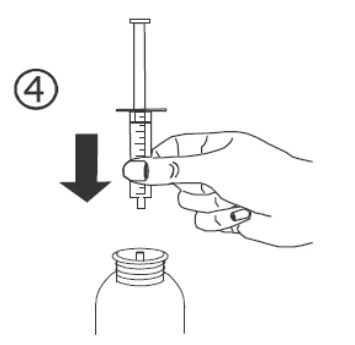
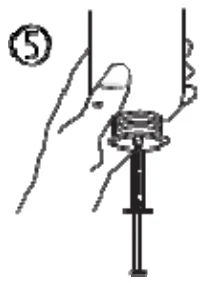
- Fill the syringe with a small amount of suspension by pulling the piston down
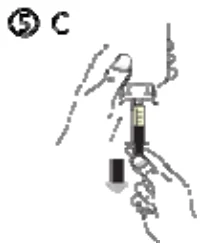
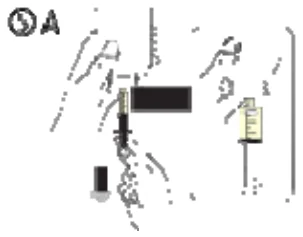
(figure 5A), then push the piston upward in order to remove any possible bubble (figure 5B). Pull the piston down to the graduation mark corresponding to the quantity in millilitres (ml) prescribed by your doctor (figure 5C). 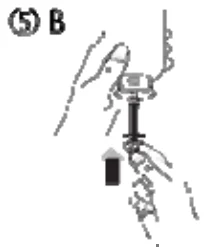
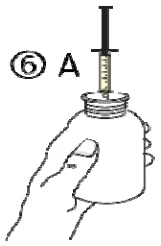
- Turn the bottle the right way up (figure 6A). Remove the syringe from the
adaptor (figure 6B). 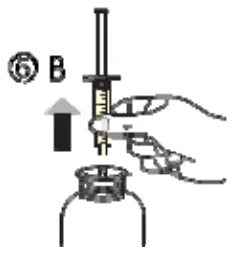
- Empty the contents of the syringe into your mouth.
- Repeat from figure 4 onwards if your dose is 10ml of suspension.
- Close the bottle with the plastic screw cap.
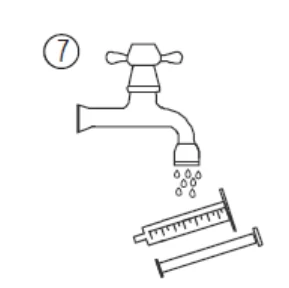
- After dosing, wash the syringe with water only (figure 7).
7 MARKETING AUTHORISATION HOLDER
Rosemont Pharmaceuticals Ltd.
Yorkdale Industrial Park, Braithwaite Street,
Leeds, LS11 9XE, United Kingdom
8 MARKETING AUTHORISATION NUMBER(S)
PLGB 00427/0273
9 DATE OF FIRST AUTHORISATION/RENEWAL OF THE
AUTHORISATION
24/07/2026
10 DATE OF REVISION OF THE TEXT
24/07/2026