

Patient leaflet - Sitagliptin 25 mg/ml oral solution
1. What Sitagliptin is and what it is used for
The name of this medicine is Sitagliptin 25 mg/ml oral solution (called Sitagliptin throughout this leaflet). It contains the active substance sitagliptin which is a member of a class of medicines called DPP-4 inhibitors (dipeptidyl peptidase-4 inhibitors) that lowers blood sugar levels in adult patients with type 2 diabetes mellitus. This medicine helps to increase the levels of insulin produced after a meal and decreases the amount of sugar made by the body.
Your doctor has prescribed this medicine to help lower your blood sugar, which is too high because of your type 2 diabetes. This medicine can be used alone or in combination with certain other medicines (insulin, metformin, sulphonylureas, or glitazones) that lower blood sugar, which you may already be taking for your diabetes together with a food and exercise plan.
What is type 2 diabetes?
Type 2 diabetes is a condition in which your body does not make enough insulin, and the insulin that your body produces does not work as well as it should. Your body can also make too much sugar.
When this happens, sugar (glucose) builds up in the blood. This can lead to serious medical problems like heart disease, kidney disease, blindness, and amputation.
2. What you need to know before you take Sitagliptin
Do not take Sitagliptin
- if you are allergic to sitagliptin or
any of the other ingredients of 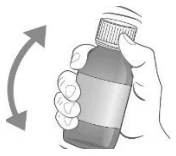 this medicine (listed in section 6). Warnings and precautions
Cases of inflammation of the pancreas (pancreatitis) have been reported in patients receiving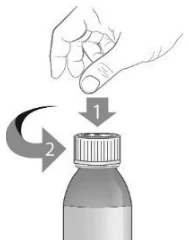 Sitagliptin (see section 4).
If you encounter blistering of the skin it may be a sign for a condition called bullous pemphigoid.
Your doctor may ask you to stop Sitagliptin.
Tell your doctor if you have or have had:
a disease of the pancreas (such
as pancreatitis)
gallstones, alcohol dependence
or very high levels of triglycerides (a form of fat) in your blood. These medical conditions can increase your chance of getting pancreatitis (see section 4).
- type 1 diabetes
- diabetic ketoacidosis
(a complication of diabetes with high blood sugar, rapid weight loss, nausea or vomiting)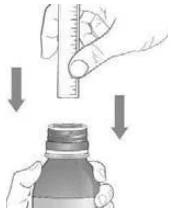
any past or present
kidney problems.
an allergic reaction to Sitagliptin
(see section 4).
This medicine is unlikely to cause low blood sugar because it does not work when your blood sugar is low. However, when this medicine is used 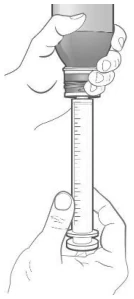 in combination with a sulphonylurea medicine or with insulin, low blood sugar (hypoglycaemia) can occur. Your doctor may reduce the dose of your sulphonylurea or insulin medicine.
Children and adolescents
Children and adolescents below 18 years should not use this medicine. It is not effective in children and 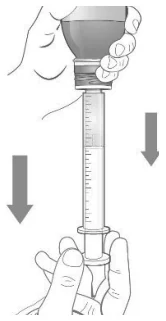 adolescents between the ages of 10 and 17 years. It is not known if this medicine is safe and effective when used in children younger than 10 years.
Other medicines and Sitagliptin
Tell your doctor or pharmacist if you are taking, have recently taken or might take any other medicines. In particular, tell your doctor if you are taking digoxin (a medicine used 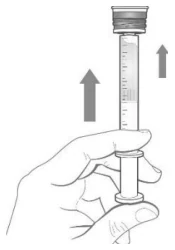 to treat irregular heart beat and other heart problems). The level of digoxin in your blood may need to be checked if taking with Sitagliptin. Pregnancy and breast-feeding
If you are pregnant or breast-feeding, think you may be pregnant or are planning to have a baby, ask
your doctor or pharmacist for advice before taking this medicine. You should not take this medicine during pregnancy.
It is not known if this medicine passes into breast milk. You should not take this medicine if you are breast-feeding or plan to breast-feed. Driving and using machines
This medicine has no or negligible influence on the ability to drive and use machines. However, dizziness and drowsiness have been reported, which may affect your ability to drive or use machines.
Taking this medicine in combination with medicines called sulphonylureas or with insulin can cause hypoglycaemia, which may affect your ability to drive and use machines or work without safe foothold. Excipients with known effect: Sodium methyl parahydroxybenzoate (E219): May cause allergic reactions (possibly delayed).
Forest fruits flavour containing benzyl alcohol (E1519): may cause allergic reactions. Ask your doctor or pharmacist for advice if you are pregnant or breast-feeding or have a liver or kidney disease. This is because large amounts of benzyl alcohol can build-up in your body and may cause side effects (called “metabolic acidosis”), ethyl alcohol (E1510); the small amount of alcohol on this medicine will not have any noticeable effects.
Sitagliptin contains less than 1 mmol sodium (23 mg) per 1 ml, that is to say essentially “sodium-free”.
3. How to take Sitagliptin
Always take this medicine exactly as your doctor has told you. Check with your doctor or pharmacist if you are not sure.
The usual recommended dose is:
- 100 mg (4 ml of oral solution)
- once a day by mouth
If you have kidney problems, your doctor may prescribe lower doses (such as 25 mg (1 ml of oral solution) or 50 mg (2 ml of oral solution)). You can take this medicine with or without food and drink.
Your doctor may prescribe this medicine alone or with certain other medicines that lower blood sugar. Diet and exercise can help your body use its blood sugar better. It is important to stay on the diet and exercise recommended by your doctor while taking Sitagliptin. Method of administration
Please use the oral syringe provided to deliver your specific dose – see instructions below. The syringe can be used to measure your dose by drawing the liquid to the correct mark on the syringe.
How to use the oral syringe:
- 1.
Shake the bottle
well, making sure
the cap is firmly
on the bottle.
- 2.
Remove the cap.
Note: Keep the
cap nearby to
close the bottle
after each use.
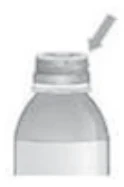
- 3.
Make sure that
the plastic adapter
is into the neck of
the bottle. Note:
The adapter must
always stay in the
bottle.
- 4.
Take the syringe
and check the
plunger is fully
down.
- 5.
Keep the bottle
upright and insert
the oral syringe
firmly into the
plastic adapter.
- 6.
Turn the whole
bottle with the
syringe upside
down.
- 7.
Slowly pull the
plunger down
fully so that the
syringe fills with
medicine. Push
the plunger back
up completely to
expel any large air
bubbles that may
be trapped inside
the oral syringe.
- 8.
Then pull the
plunger slowly
back to the
volume you need
for your dose.
- 9.
Turn the whole
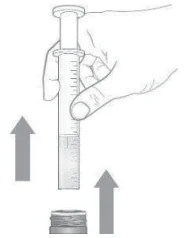
bottle with the
syringe the right
way up and take
the syringe out of
the bottle.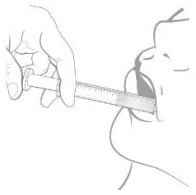
10.The dose of
medicine can now
be swallowed
directly from
the oral syringe.
Please ensure
that you are
sitting upright,
and the plunger
must be pushed
slowly to allow
you to swallow
the dose.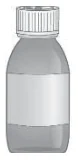
11.Replace the child
resistant cap after
use, leaving the
adapter in place.
12.Cleaning: After 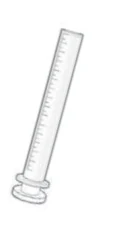
use, dismantle the
plunger and rinse
both body and
plunger with tap
water and wipe
with a dry, clean
tissue or paper.
If you take more Sitagliptin than you should
If you take more than the prescribed dosage of this medicine, contact your doctor immediately.
If you forget to take Sitagliptin
If you miss a dose, take it as soon as you remember. If you do not remember until it is time for your next dose, skip the missed dose and go back to your regular schedule. Do not take a double dose of this medicine.
If you stop taking Sitagliptin
Continue to take this medicine as long as your doctor prescribes it so you can continue to help control your blood sugar. You should not stop taking this medicine without talking to your doctor first.
If you have any further questions on the use of this medicine, ask your doctor or pharmacist.
4. Possible side effects
Like all medicines, this medicine can cause side effects, although not everybody gets them.
STOP taking Sitagliptin and contact a doctor immediately if you notice any of the following serious side effects:
Severe and persistent pain in
the abdomen (stomach area) which might reach through to your back with or without nausea and vomiting, as these could be signs of an inflamed pancreas (pancreatitis).
If you have a serious allergic reaction (frequency not known), including rash, hives, blisters on the skin/peeling skin and swelling of the face, lips, tongue, and throat that may cause difficulty in breathing or swallowing, stop taking this medicine and call your doctor right away. Your doctor may prescribe a medicine to treat your allergic reaction and a different medicine for your diabetes.
Some patients have experienced the following side effects after adding sitagliptin to metformin:
Common (may affect up to 1 in 10 people): low blood sugar, nausea, flatulence, vomiting
Uncommon (may affect up to 1 in 100 people): stomach ache, diarrhoea, constipation, drowsiness Some patients have experienced different types of stomach
discomfort when starting the combination of sitagliptin and metformin together (frequency is common).
Some patients have experienced the following side effects while taking sitagliptin in combination with a sulphonyl urea and metformin: Very common (may affect more than 1 in 10 people): low blood sugar
Common: constipation
Some patients have experienced the following side effects while taking sitagliptin and pioglitazone:
Common: flatulence, swelling of the hands or legs
Some patients have experienced the following side effects while taking sitagliptin in combination with pioglitazone and metformin: Common: swelling of the hands or legs
Some patients have experienced the following side effects while taking sitagliptin in combination with insulin (with or without metformin):
Common: flu
Uncommon: dry mouth
Some patients have experienced the following side effects while taking sitagliptin alone in clinical studies, or during post-approval use alone and/ or with other diabetes medicines: Common: low blood sugar, headache, upper respiratory infection, stuffy or runny nose and sore throat, osteoarthritis, arm or leg pain
Uncommon: dizziness, constipation, itching
Rare: reduced number of platelets Frequency not known: kidney problems (sometimes requiring
dialysis), vomiting, joint pain, muscle pain, back pain, interstitial lung disease, bullous pemphigoid (a type of skin blister)
Reporting of side effects
If you get any side effects, talk to your doctor, pharmacist or nurse. This includes any possible side effects not listed in this leaflet. You can also report side effects directly via the Yellow Card Scheme at: www.mhra.gov.uk/yellowcard or search for MHRA Yellow Card in the Google Play or Apple App Store. By reporting side effects, you can help provide more information on the safety of this medicine.
5. How to store Sitagliptin
Keep this medicine out of the sight and reach of children.
Do not use this medicine after the expiry date which is stated on the label and the carton after ‘EXP’. The expiry date refers to the last day of that month.
Once the bottle is opened use within 90 days.
Store in a refrigerator (2°C – 8°C). Do not throw away medicines via wastewater or household waste. Ask your pharmacist how to throw away medicines you no longer use. These measures will help protect the environment.
6. Contents of the pack and other information
What Sitagliptin contains
- The active substance is sitagliptin. Each 1 ml of oral solution contains sitagliptin hydrochloride monohydrate, equivalent to 25mg sitagliptin.
- The other excipients are sodium methyl parahydroxybenzoate (E219), hydroxyethylcellulose (E1525), citric acid (E330), disodium edetate (E385), polysorbate 80 (E433), butyl hydroxy anisole (E320), sodium citrate (E331), purified water, polisucra 7477 containing sucralose (E955), acesulfame K (E950) and forest fruits flavour (consisting of maltodextrin (E1400), modified starch (E1400-E1500), lactic acid (E270), benzyl alcohol (E1519), ethyl alcohol (E1510), ethyl butyrate, frambinon crystal, propylenglycol (E1520)).
What Sitagliptin looks like and contents of the pack
Sitagliptin 25 mg/ml oral solution is a slightly opalescent off-white oral solution with forest fruits odour. The product is packaged in amber (Type III) glass bottle sealed with tamper evident, white child resistant cap with plug in carton folded box with one 5 ml oral syringe with 0.5 ml graduation.
Pack size: 100 ml
Marketing Authorisation Holder
Zentiva Pharma UK Limited, 12 New Fetter Lane,
London, EC4A 1JP,
United Kingdom.
Manufacturer
Labomed Pharmaceutical
Company SA,
Metaxa Ioanni 84,
19441 Kropia,
Greece.
This leaflet was last revised in October 2024
1065043729