

Patient leaflet - Revatio 10 mg / ml powder for oral suspension
1. What Revatio is and what it is used for
Revatio contains the active substance sildenafil which belongs to a group of medicines called phosphodiesterase type 5 (PDE5) inhibitors.
Revatio brings down blood pressure in the lungs by widening the blood vessels in the lungs.
Revatio is used to treat adults and children and adolescents from 1 to 17 years old with high blood pressure in the blood vessels in the lungs (pulmonary arterial hypertension).
2. What you need to know before you take Revatio
Do not take Revatio
- if you are allergic to sildenafil or any of the other ingredients of this medicine (listed in section 6) - if you are taking medicines containing nitrates, or nitric oxide donors such as amyl nitrate (“poppers”). These medicines are often given for relief of chest pain (or “angina pectoris”). Revatio can cause a serious increase in the effects of these medicines. Tell your doctor if you are taking any of these medicines. If you are not certain, ask your doctor or pharmacist.
- if you are taking riociguat. This drug is used to treat pulmonary arterial hypertension (i.e., high blood pressure in the lungs) and chronic thromboembolic pulmonary hypertension (i.e., high blood pressure in the lungs secondary to blood clots). PDE5 inhibitors, such as Revatio have been shown to increase the hypotensive effects of this medicine. If you are taking riociguat or are unsure tell your doctor.
- if you have recently had a stroke, a heart attack or if you have severe liver disease or very low blood pressure (<90/50 mmHg).
- if you are taking a medicine to treat fungal infections such as ketoconazole or itraconazole or medicines containing ritonavir (for HIV).
if you have ever had loss of vision because of a problem with blood flow to the nerve in the eye called non-arteritic anterior ischaemic optic neuropathy (NAION).
Warnings and Precautions
Talk to your doctor before taking Revatio if you:
- have a disease due to a blocked or narrow vein in the lungs rather than a blocked or narrow artery. - have a severe heart problem.
- have a problem with the pumping chambers of your heart
- have high blood pressure in the blood vessels in the lungs.
- have low blood pressure at rest.
- lose a large amount of body fluids (dehydration) which can occur when you sweat a lot or do not drink enough liquids. This can happen if you are sick with a fever, vomiting, or diarrhoea
- have a rare inherited eye disease (retinitis pigmentosa) - have an abnormality of red blood cells (sickle cell anaemia), (cancer of blood cells (leukaemia), cancer of bone marrow) (multiple myeloma), or any disease or deformity of the penis.
- currently have a stomach ulcer, a bleeding disorder (such as haemophilia) or problems with nose bleeds.
- take medicines for erectile dysfunction.
When used to treat male erectile dysfunction (ED), the following visual side effects have been reported with PDE5 inhibitors, including sildenafil at an unknown frequency; partial, sudden, temporary, or permanent decrease or loss of vision in one or both eyes.
If you experience sudden decrease or loss of vision, stop taking Revatio and contact your doctor immediately (see also section 4).
Prolonged and sometimes painful erections have been reported in men after taking sildenafil. If you have an erection, which lasts continuously for more than 4 hours, stop taking Revatio and contact your doctor immediately (see also section 4).
Special considerations for patients with kidney or liver problems
You should tell your doctor if you have kidney or liver problems, as your dose may need to be adjusted.
Children
Revatio should not be given to children below 1 year of age.
Other medicines and Revatio
Tell your doctor or pharmacist if you are taking, have recently taken or might take any other medicines.
- Medicines containing nitrates, or nitric oxide donors such as amyl nitrate (“poppers”). These medicines are often given for relief of angina pectoris or “chest pain” (see section 2. Before you take Revatio)
- Tell your doctor or pharmacist if you are already taking riociguat.
- Therapies for pulmonary hypertension (e.g. bosentan, iloprost)
- Medicines containing St. John’s Wort (herbal medicinal product), rifampicin (used to treat bacterial infections), carbamazepine, phenytoin and phenobarbital (used, among others, to treat epilepsy)
- blood thinning medicines (for example warfarin) although these did not result in any side effect
- Medicines containing erythromycin, clarithromycin, telithromycin (these are antibiotics used to treat certain bacterial infections), saquinavir (for HIV) or nefazodone (for mental depression), as your dose may need to be adjusted.
- Alpha-blocker therapy (e.g. doxazosin) for the treatment of high blood pressure or prostate problems, as the combination of the two medicines may cause symptoms of low blood pressure (e.g. dizziness, light headedness).
- Medicines containing sacubitril/valsartan, used to treat heart failure.
You should not drink grapefruit juice while you are being treated with Revatio.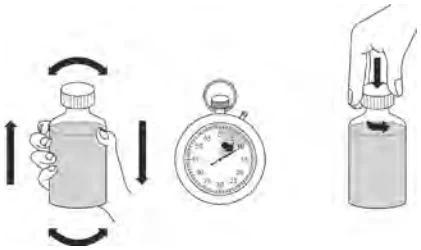
Pregnancy and breast-feeding
If you are pregnant or breast-feeding, think you may be 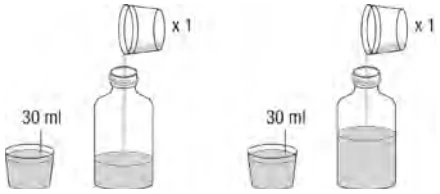 pregnant or are planning to have a baby, ask your doctor or pharmacist for advice before taking this medicine. Revatio should not be used during pregnancy unless strictly necessary.
Revatio should not be given to women of child bearing potential unless using appropriate contraceptive methods. Revatio passes into your breast milk at very low levels and would not be expected to harm your baby.
Driving and using machines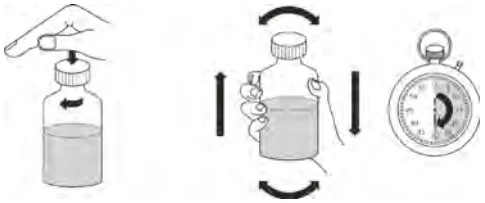
Revatio can cause dizziness and can affect vision. You should 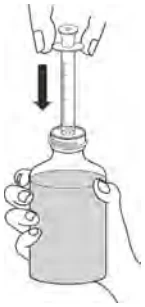 be aware of how you react to the medicine before you drive or use machines.
Revatio contains sorbitol
Revatio 10 mg/ml powder for oral suspension contains 250 mg sorbitol per ml of reconstituted oral suspension. Sorbitol is a source of fructose. If your doctor has told you that you (or your child) have an intolerance to some sugars or if you have been diagnosed with hereditary fructose intolerance (HFI), a rare genetic disorder in which a person cannot break down fructose, talk to your doctor before you (or your child) take or receive this medicinal product.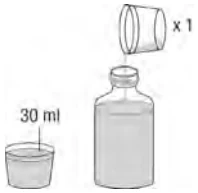
Revatio contains sodium benzoate
Revatio 10 mg/ml powder for oral suspension contains 1 mg sodium benzoate per ml of reconstituted oral suspension. Sodium benzoate may increase levels of a substance called bilirubin. High levels of bilirubin may lead to jaundice (yellowing of the skin and eyes) and may also lead to brain 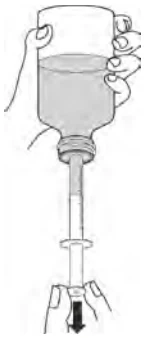 injury (encephalopathy) in newborn babies (up to 4 weeks old).
Revatio contains sodium
Revatio 10 mg/ml powder for oral suspension contains less 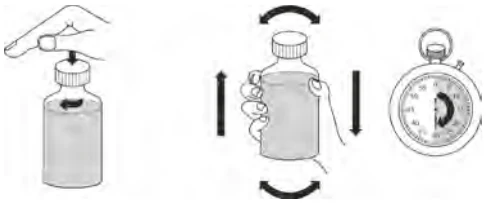 than 1 mmol sodium (23 mg) per ml of reconstituted oral suspension, that is to say essentially ‘sodium-free’.
3. How to take Revatio
Always take this medicine exactly as your doctor has told you. Check with your doctor or pharmacist if you are not sure.
For adults, the recommended dose is 20 mg three times a day (taken 6 to 8 hours apart) taken with or without food.
Use in children and adolescents
For children and adolescents aged 1 year to 17 years old, the 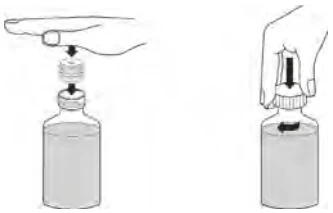 recommended dose is either 10 mg (1 ml of oral suspension) three times a day for children and adolescents weighing 20 kg or under, or 20 mg (2 ml of oral suspension) three times a day for children and adolescents weighing over 20 kg, taken with or without food. Higher doses should not be used in children.
The oral suspension must be shaken vigorously for a minimum of 10 seconds before use.
Instructions to reconstitute the oral suspension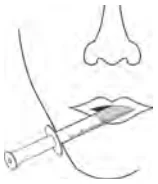
It is recommended that your pharmacist reconstitutes (makes up) the oral suspension before giving it to you.
If reconstituted, the oral suspension is in a liquid form. If the powder is not reconstituted, you should reconstitute the oral suspension by following the instructions below.
Note: A total volume of 90 ml (3 x 30 ml) of water irrespective of the dose you are taking should be used to reconstitute the contents of the bottle.
- 1. Tap the bottle to release the powder.
- 2. Remove the cap.
- 3.
Measure 30 ml of water by filling the measuring cup
(included in the carton) to the marked line then pour the water into the bottle. Using the cup measure another 30 ml of water and add this to the bottle (figure 1).
figure 1
- 4.
Replace the cap and shake the bottle vigorously for a
minimum of 30 seconds (figure 2).
figure 2
- 5. Remove the cap.
- 6.
Using the cup measure another 30 ml of water and add
this to the bottle. You should always add a total of 90 ml (3 x 30 ml) of water irrespective of the dose you are taking (figure 3).
figure 3
- 7.
Replace the cap and shake the bottle vigorously for a
minimum of 30 seconds (figure 4).
figure 4
- 8. Remove the cap.
- 9.
Press the bottle adaptor into the neck of the bottle (as
shown on figure 5 below). The adaptor is provided so that you can fill the oral dosing syringe with medicine from the bottle. Replace the cap on the bottle.
figure 5
- 10.
Write the date of expiry of the reconstituted oral
suspension on the bottle label (the date of expiry of the reconstituted oral suspension is 30 days from the date of reconstitution). Any unused oral suspension should be discarded or returned to your pharmacist after this date.
Instructions for use
Your pharmacist should advise you how to measure the medicine using the oral dosing syringe provided in the pack. Once reconstituted, the oral suspension should only be administered using the oral dosing syringe supplied with each pack. Please see instructions below before using the oral suspension.
- 1.
Shake the closed bottle of reconstituted oral
suspension vigorously for a minimum of 10 seconds before use. Remove the cap (figure 6).
figure 6
- 2.
While the bottle is upright, on a flat surface, insert the
tip of the oral dosing syringe into the adaptor (figure 7).
figure 7
- 3.
Turn the bottle upside down while holding the oral
dosing syringe in place. Slowly pull back the plunger of the oral dosing syringe to the graduation mark that marks the dose for you (withdrawing 1 ml provides a 10 mg dose, withdrawing 2 ml provides a 20 mg dose). To measure the dose accurately, the top edge of the plunger should be lined up with the appropriate graduated mark on the oral dosing syringe (figure 8).
figure 8
- 4.
If large bubbles can be seen, slowly push the plunger
back into the syringe. This will force the medicine back into the bottle. Repeat step 3 again.
- 5.
Turn the bottle back upright with the oral dosing syringe
still in place. Remove the oral dosing syringe from the bottle.
- 6.
Put the tip of the oral dosing syringe into the mouth.
Point the tip of the oral dosing syringe towards the inside of the cheek. SLOWLY push down the plunger of the oral dosing syringe. Do not squirt the medicine out quickly. If the medicine is to be given to a child, make sure the child is sitting, or is held, upright before giving the medicine (figure 9).
figure 9
- 7.
Replace the cap on the bottle, leaving the bottle adaptor
in place. Wash the oral dosing syringe as instructed below.
Cleaning and storing the syringe:
- 1. The syringe should be washed after each dose. Pull the plunger out of the syringe and wash both parts in water.
- 2. Dry the two parts. Push the plunger back in to the syringe. Keep it in a clean safe place with the medicine.
If you take more Revatio than you should
You should not take more medicine than your doctor tells you to. If you take more medicine than you have been told to take contact your doctor immediately. Taking more Revatio than you should may increase the risk of known side effects.
If you forget to take Revatio
If you forget to take Revatio, take a dose as soon as you remember, then continue to take your medicine at the usual times. Do not take a double dose to make up for a forgotten dose.
If you stop taking Revatio
Suddenly stopping your treatment with Revatio may lead to your symptoms getting worse. Do not stop taking Revatio unless your doctor tells you to. Your doctor may tell you to reduce the dose over a few days before stopping completely.
If you have any further questions on the use of this medicine, ask your doctor or pharmacist.
4. Possible side effects
Like all medicines, this medicine can cause side effects, although not everybody gets them.
If you experience any of the following side effects you should stop taking Revatio and contact a doctor immediately (see also section 2):
- if you experience sudden decrease or loss of vision (frequency not known)
- if you have an erection, which lasts continuously for more than 4 hours. Prolonged and sometimes painful erections have been reported in men after taking sildenafil (frequency not known).
Adults
Side effects reported very commonly (may affect more than 1 in 10 people) were headache, facial flushing, indigestion, diarrhoea and pain in the arms or legs.
Side effects reported commonly (may affect up to 1 in 10 people) included: infection under the skin, flu-like symptoms, inflammation of the sinuses, reduced number of red blood cells (anaemia), fluid retention, difficulty sleeping, anxiety, migraine, shaking, “pins and needles”-like sensation, burning sensation, reduced sense of touch, bleeding at the back of the eye, effects on vision, blurred vision and light sensitivity, effects on colour vision, eye irritation, bloodshot eyes /red eyes, vertigo, bronchitis, nosebleed, runny nose, cough, stuffy nose, stomach inflammation, gastroenteritis, heartburn, piles, abdominal distension, dry mouth, hair loss, redness of the skin, night sweats, muscle aches, back pain and increased body temperature.
Side effects reported uncommonly (may affect up to 1 in 100 people) included: reduced sharpness of vision, double vision, abnormal sensation in the eye, penile bleeding, presence of blood in semen and/or urine, and breast enlargement in men.
Skin rash and sudden decrease or loss of hearing and decreased blood pressure have also been reported at an unknown frequency (frequency cannot be estimated from the available data).
Children and adolescents
The following serious adverse events have been reported commonly (may affect up to 1 in 10 people); pneumonia, heart failure, right heart failure, heart related shock, high blood pressure in the lungs, chest pain, fainting, respiratory infection, bronchitis, viral infection in the stomach and intestines, urinary tract infections and tooth cavities.
The following serious adverse events were considered to be treatment related and were reported uncommonly (may affect up to 1 in 100 people), allergic reaction (such as skin rash, swelling of the face, lips and tongue, wheezing, difficulty breathing or swallowing), convulsion, irregular heart-beat, hearing impairment, shortness of breath, inflammation of the digestive tract, wheezing due to disrupted airflow.
Side effects reported very commonly (may affect more than 1 in 10 people) were headache, vomiting, infection of the throat, fever, diarrhoea, flu and nosebleed.
Side effects reported commonly (may affect up to 1 in 10 people) were nausea, increased erections, pneumonia and runny nose.
Reporting of side effects
If you get any side effects, talk to your doctor, pharmacist or nurse. This includes any possible side effects not listed in this leaflet. You can also report side effects directly via the Yellow Card Scheme at: www.mhra.gov.uk/yellowcard or search for MHRA Yellow Card in the Google Play or Apple App Store. By reporting side effects you can help provide more information on the safety of this medicine.
5. How to store Revatio
Keep this medicine out of the sight and reach of children.
Do not use this medicine after the expiry date which is stated on the bottle after ‘EXP’. The expiry date refers to the last day of that month.
Powder
Do not store above 30°C.
Store in the original package in order to protect from moisture.
Reconstituted oral suspension
Store below 30°C or in refrigerator at 2°C to 8°C. Do not freeze. Any remaining oral suspension should be discarded 30 days after reconstitution.
Do not throw away any medicines via wastewater or household waste. Ask your pharmacist how to throw away medicines you no longer use. These measures will help protect the environment.
6. Contents of the pack and other information
What Revatio contains
The active substance is sildenafil (as sildenafil citrate). After reconstitution, each ml of the oral suspension contains 10 mg of sildenafil (as citrate)
One bottle of reconstituted oral suspension (112 ml) contains 1.12 g of sildenafil (as citrate)
- The other ingredients are: Powder for oral suspension: sorbitol (E420) (see section 2 “Revatio contains sorbitol”), citric acid anhydrous, sucralose, sodium citrate (E331) (see section 2 “Revatio contains sodium”), xanthan gum, titanium dioxide (E171), sodium benzoate (E211) (see section 2 “Revatio contains sodium benzoate” and “Revatio contains sodium”), silica, colloidal anhydrous; Grape flavour: maltodextrin, grape juice concentrate, gum acacia, pineapple juice concentrate, citric acid anhydrous, natural flavouring
What Revatio looks like and contents of the pack
Revatio is supplied as a white to off-white powder for oral suspension providing a white, grape flavoured oral suspension when reconstituted with water.
One 125 ml amber glass bottle (with a polypropylene screw cap) contains 32.27 g of powder for oral suspension.
Once reconstituted the bottle contains 112 ml of oral suspension, of which 90 ml is intended for dosing and administration.
Pack size: 1 bottle
Each pack also contains a polypropylene measuring cup (graduated to indicate 30 ml), polypropylene oral dosing syringe (3 ml) with HDPE plunger and a LDPE press-in bottle adaptor.
Marketing Authorisation Holder and Manufacturer
Marketing Authorisation Holder
Viatris Products Limited,
Station Close,
Potters Bar,
EN6 1TL,
United Kingdom.
Manufacturer
Fareva Amboise, Zone Industrielle, 29 route des Industries, 37530 Pocé-sur-Cisse, France.
This leaflet was last revised in 01/2026.
<v~P>
3992695 8839145 Revatio with food and drink