

Patient leaflet - Reminyl 4 mg / ml oral solution
1. What Reminyl is and what it is used for
Reminyl contains the active substance ‘galantamine’, an antidementia medicine. It is used in adults to treat the symptoms of mild to moderately severe Alzheimer’s disease, a type of dementia that alters brain function.
Alzheimer’s disease causes increasing memory loss, confusion and behavioural changes which make it increasingly difficult to carry out normal daily activities. These effects are thought to be caused by a lack of ‘acetylcholine’, a substance responsible for sending messages between brain cells. Reminyl increases the amount of acetylcholine in the brain and treats the signs of the disease.
2. What you need to know before you take Reminyl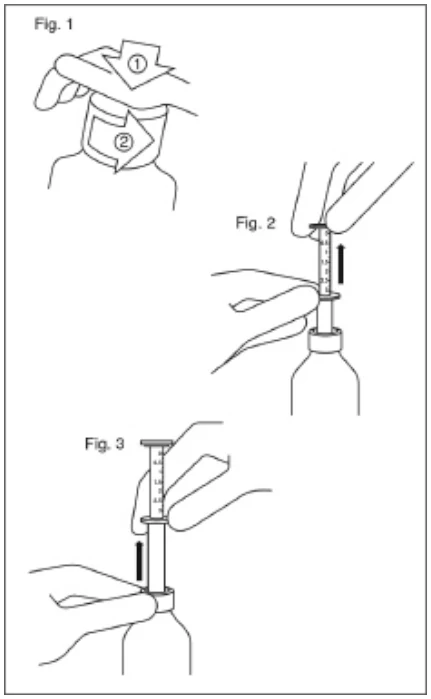
Do not take Reminyl
If you are allergic to galantamine or to any of the other ingredients of this medicine (listed in
- If you have severe liver or severe kidney disease
Warnings and precautions
Talk to your doctor or pharmacist before taking Reminyl. This medicine is only used in Alzheimer’s disease and is not recommended for other types of memory loss or confusion.
Serious side effects
Reminyl can cause serious skin reactions, heart problems and fits (seizures). You must be aware of these side effects while you are taking Reminyl. See ‘Look out for serious side effects’ in section 4.
Before you take Reminyl, your doctor needs to know if you have, or have had, any of the following:
- liver or kidney problems
a heart condition (such as chest discomfort that is often brought on by physical activity, a heart
attack, heart failure, slow or uneven heart beat, prolonged QTc interval)
- changes in ‘electrolyte’ levels (naturally occurring chemicals in the blood such as potassium)
- a peptic (stomach) ulcer
- blockage of the stomach or intestines
a disorder of the nervous system [such as epilepsy or problems controlling movements of the
body or limbs (extrapyramidal disorder)]
a respiratory disease or infection that affects breathing (such as asthma, obstructive pulmonary
disease, or pneumonia)
- problems passing urine.
Your doctor will decide if Reminyl is suitable for you, or if the dose needs to be changed.
Also tell your doctor if you recently had an operation on the stomach, intestines or bladder. Your doctor may decide that Reminyl is not suitable for you.
Reminyl can cause weight loss.
Your doctor will check your weight regularly while you are taking Reminyl.
Children and adolescents
Reminyl is not recommended for children and adolescents.
Other medicines and Reminyl
Tell your doctor or pharmacist if you are taking, have recently taken or might take any other medicines.
Reminyl should not be used with medicines that work in a similar way.
These include:
- donepezil or rivastigmine (for Alzheimer’s disease)
- ambenonium, neostigmine or pyridostigmine (for severe muscle weakness)
- pilocarpine (when taken by mouth for dry mouth or dry eyes)
Some medicines can make side effects more likely in people taking Reminyl. These include:
- medicines affecting the QTc interval
- paroxetine or fluoxetine (antidepressants)
- quinidine (for uneven heart beat)
- ketoconazole (an antifungal)
- erythromycin (an antibiotic)
- ritonavir (for human immunodeficiency virus or ‘HIV’)
non-steroidal anti-inflammatory painkillers (such as ibuprofen) which can increase the risk of
ulcers
medicines taken for heart conditions or high blood pressure (such as digoxin, amiodarone,
atropine, beta-blockers, or calcium channel blocking agents).
If you take medicines for an uneven heart-beat, your doctor may check your heart using an ‘electrocardiogram’ (ECG).
Your doctor may give you a lower dose of Reminyl if you are taking some of these medicines.
Reminyl may affect some anaesthetics.
If you are going to have an operation under a general anaesthetic, tell the doctor that you are taking Reminyl, well in advance.
If you have any questions, talk to your doctor or pharmacist for advice.
Pregnancy and breast-feeding
If you are pregnant, think you may be pregnant or are planning to have a baby, ask your doctor or pharmacist for advice before taking this medicine.
You should not breast-feed while you are taking Reminyl.
Driving and using machines
Reminyl may make you feel dizzy or sleepy, especially during the first few weeks of treatment. If Reminyl affects you, do not drive or use any tools or machinery.
Reminyl oral solution contains methyl and propyl parahydroxybenzoates.
These can sometimes cause allergic reactions, which may possibly be delayed.
Reminyl oral solution contains sodium
This medicine contains less than 1 mmol (23 mg) sodium per 6 mL of Reminyl 4 mg/mL solution (equivalent to the maximum dose Reminyl per day), that is to say essentially ‘sodium-free’.
3. How to take Reminyl
Always take this medicine exactly as your doctor or pharmacist has told you. Check with your doctor or pharmacist if you are not sure.
How much to take
You will start treatment with Reminyl at a low dose. The usual starting dose is 4mg (1mL of solution), taken twice a day (a total of 8mg a day). Your doctor may gradually increase your dose, every 4 weeks or more, until you reach a dose that is suitable for you. The maximum dose is 12 mg (3mL of solution), taken twice a day (a total of 24 mg a day).
Your doctor will explain what dose to start with and when the dose should be increased. If you are not sure what to do, or find the effect of Reminyl is too strong or too weak, talk to your doctor or pharmacist.
Your doctor will need to see you regularly, to check that this medicine is working and to discuss how you are feeling.
If you have liver or kidney problems, your doctor may give you a reduced dose of Reminyl, or may decide this medicine is not suitable for you.
How to take
Take your dose of Reminyl twice a day, in the morning and evening, with water or other liquids. Try to take Reminyl with food.
Drink plenty of liquids while you are taking Reminyl, to keep yourself hydrated.
The solution comes with a pipette which you should use to take the exact amount needed from the bottle.
Directions for opening the bottle and using the pipette
Fig. 2: The bottle comes with a child-resistant cap,
and should be opened as follows:
Push the plastic screw cap down while
turning it counter clockwise.
- Remove the unscrewed cap.
Fig. 2: Insert the pipette into the bottle. While
holding the bottom ring, pull the top ring up
to the mark corresponding to the number of
millilitres you want to give.
Fig. 3: Holding the bottom ring, remove the entire
pipette from the bottle. Empty the pipette into
any non-alcoholic drink by sliding the upper
ring down and drink it immediately.
Close the bottle.
Rinse the pipette with some water.
If you take more Reminyl than you should
If you take too much Reminyl, contact a doctor or hospital straight away. Take any remaining solution and the packaging with you. The signs of overdose may include:
- severe nausea and vomiting
- weak muscles, slow heart beat, fits (seizures) and loss of consciousness.
If you forget to take Reminyl
If you forget to take one dose, miss out the forgotten dose completely and take the next dose at the normal time. Do not take a double dose to make up for a forgotten dose.
If you forget to take more than one dose, contact your doctor.
If you stop taking Reminyl
Check with your doctor before you stop taking Reminyl. It is important to continue taking this medicine to treat your condition.
If you have any further questions on the use of this medicine, ask your doctor or pharmacist.
4. Possible side effects
Like all medicines, this medicine can cause side effects, although not everybody gets them.
Look out for serious side effects
Stop taking Reminyl and see a doctor or go to your nearest emergency department immediately if you notice any of the following.
Skin reactions, including:
- Severe rash with blisters and peeling skin, particularly around the mouth, nose, eyes and genitals (Stevens- Johnson syndrome).
- Red rash covered with small pus-filled bumps that can spread over the body, sometimes with a fever (acute generalised exanthematous pustulosis).
- Rash that may blister, with spots that look like small targets.
These skin reactions are rare in people taking Reminyl (may affect up to 1 in 1,000 people). Heart problems, including changes in heart beat (such as a slow beat, extra beats) or palpitations (heart beat feels fast or uneven). Heart problems may show as an abnormal tracing on an ‘electrocardiogram’ (ECG), and can be common in people taking Reminyl (may affect up to 1 in 10 people).
Fits (seizures). These are uncommon in people taking Reminyl (may affect up to 1 in 100 people).
You must stop taking Reminyl and get help immediately if you notice any of the side effects above.
Other side effects
Very common side effects (may affect more than 1 in 10 people):
- Nausea and vomiting. These side effects are more likely to happen in the first few weeks of treatment or when the dose is increased. They tend to disappear gradually as the body gets used to the medicine and generally only last for a few days. If you have these effects, your doctor may recommend that you drink more liquids and, may prescribe a medicine to stop you being sick.
REMINYL® 4mg/mL oral solution
Package leaflet: Information for the user
Common side effects (may affect up to 1 in 10 people):
- Decreased appetite; Weight loss
- Seeing, feeling, or hearing things that are not there (hallucinations)
- Depression
- Feeling dizzy or fainting
- Muscle tremors or spasms
- Headache
- Feeling very tired ,weak or generally unwell
- Feeling very sleepy with low energy
- High blood pressure
- Stomach pain or discomfort
- Diarrhoea
- Indigestion
- Falls
- Wounds
Uncommon side effects (may affect up to 1 in 100 people):
- Allergic reaction
- Not enough water in the body (dehydration)
- Tingling or numb feeling of the skin (pins and needles)
- Change in sense of taste
- Daytime sleepiness
- Problems controlling movements of the body or limbs (extrapyramidal disorder)
- Blurred vision
- Ringing in the ears that does not go away (tinnitus)
- Low blood pressure
- Flushing
- Feeling the need to vomit (retch)
- Excessive sweating
- Weak muscles
- Increased level of liver enzymes in the blood.
Rare side effects (may affect up to 1 in 1,000 people):
- Inflamed liver (hepatitis).
Reporting of side effects
If you get any side effects, talk to your doctor or pharmacist. This includes any possible side effects not listed in this leaflet.
You can also report side effects directly via the Yellow Card Scheme at: www.mhra.gov.uk/ yellowcard or search for MHRA Yellow Card in the Google Play or Apple App Store. By reporting side effects you help provide more information on the safety of this medicine.
5. How to store Reminyl
Keep this medicine out of the sight and reach of children.
Do not use this medicine after the expiry date which is stated on the label after EXP. The expiry date refers to the last day of that month.
Do not freeze.
Reminyl oral solution should not be used for longer than 3 months after the bottle has first been opened.
If the medicine becomes discolored or shows any other signs of deterioration, you should seek the advice of your pharmacist who will tell you what to do.
Do not throw away any medicine via wastewater or household waste. Ask your pharmacist how to throw away medicines you no longer use. These measures will help protect the environment.
6. Contents of the pack and other information
What Reminyl contains:
The active substance is galantamine. 1 mL of Reminyl oral solution contains 4 mg galantamine
(as hydrobromide).
The other ingredients are: Methyl parahydroxybenzoate (E218), propyl parahydroxybenzoate
(E216), purified water, sodium saccharin and sodium hydroxide.
What Reminyl looks like and contents of the pack
Reminyl is a clear colourless oral solution that comes in a 100 ml bottle. The solution comes with a pipette which you should use to take the exact amount needed from the bottle.
Manufacturer
Janssen Pharmaceutica NV,
Turnhoutseweg 30, B2340 Beerse,
Belgium
Procured from within the EU and repackaged for the PL Holder:
Abacus Medicine Ltd., Abbey House, 282 Farnborough Road, Farnborough, GU14 7NA, United Kingdom
PL 45763/0288
POM
Reminyl® is a registered trademark of Shire Pharmaceutical Development Limited
For any information about this medicine, please contact the local representative of the Product Licence Holder:
Abacus Medicine Ltd.
tel: +44(0)203630124
email: MedInfo@abacusmedicine.co.uk
or
drugsafetyuk@abacusmedicine.co.uk
This leaflet was last revised on 13/02/2025.
More Information
If you are a person with Alzheimer’s disease or are caring for someone, and you are in England, Wales or Northern Ireland, further information, advice and support is available from the Alzheimer’s Helpline 0333 150 3456. The helpline is provided by the Alzheimer’s Society, 43-44 Crutched Friars, London EC3N 2AE. Telephone: 0330 333 0804.
If you are in Scotland, further information, advice and support is available from the 24-hour Dementia Helpline on 0808 808 3000. The helpline is provided by Alzheimer Scotland - Action on Dementia, 160 Dundee Street, Edinburgh EH11 1DQ. Telephone (office) 0131 243 1453.
Blind or partially sighted?
Is this leaflet hard to see or read?
Call 02036301310 or write to info@abacusmedicine.com to obtain the leaflet in a format suitable for you.