

Patient leaflet - Reletrans 5 micrograms / hour transdermal patch
What Reletrans is and what it is used for
1
Reletrans transdermal patches contain the active substance buprenorphine which belongs to a group of medicines called strong analgesics or ‘painkillers’. Reletrans is used in adults to relieve moderate, long-lasting pain that requires the use of a strong painkiller. Reletrans should not be used to relieve acute pain.
- Concomitant use of Reletrans and sedative medicines such as benzodiazepines or related medicines increases the risk of drowsiness, difficulties in breathing (respiratory depression), coma and may be life-threatening. Because of this, concomitant use should only be considered when other treatment options are not possible.
What you need to know before you use Reletrans
2
Do not use Reletrans if you
are allergic to buprenorphine or any of the other ingredients of this medicine (listed in section 6)
However, if your doctor does prescribe Reletrans together with sedative medicines, the dose and duration of concomitant treatment should be limited by your doctor. Please tell your doctor about all sedative medicines you are taking, and follow your doctor’s dose recommendation closely. It could be helpful to inform friends or relatives to be aware of the signs and symptoms stated above. Contact your doctor when experiencing such symptoms
- have breathing problems
- are addicted to drugs
are taking a type of medicine known as a
monoamine oxidase (MAO) inhibitor (examples include tranylcypromine, phenelzine, isocarboxazid, moclobemide and linezolid), or you have taken this type of medicine in the last two weeks
suffer from myasthenia gravis (a condition in which the muscles become weak)
- Gabapentin or pregabalin to treat epilepsy or pain due to nerve problems (neuropathic pain).
have previously suffered from withdrawal symptoms such as agitation, anxiety, shaking or sweating upon stopping taking alcohol
Reletrans with alcohol
Alcohol may make some of the side effects worse and you may feel unwell if you drink alcohol whilst using Reletrans. Drinking alcohol whilst using Reletrans may also affect your reaction time.
Reletrans must not be used to treat symptoms associated with drug withdrawal.
Warnings and precautions
Pregnancy and breast-feeding
Talk to your doctor or pharmacist before using Reletrans if you:
You should not use Reletrans if you are pregnant or are breast-feeding, think you may be pregnant or are planning to have a baby.
- recently drunk a lot of alcohol
suffer from seizures, fits or convulsions
If you are pregnant or breast-feeding, think you may be pregnant or are planning to have a baby, ask your doctor or pharmacist for advice before using this medicine.
have a severe headache or feel sick due to a head injury or increased pressure in your skull (for instance due to brain disease). This is because the patches may make symptoms worse or hide the extent of a head injury.
Driving and using machines
are feeling light-headed or faint
Reletrans may affect your reactions to such an extent that you may not react adequately or quickly enough in the event of unexpected or sudden occurrences. This applies particularly:
- have severe liver problems
have a high temperature, as this may lead to larger quantities of the active substance being absorbed into the blood than normal
- at the beginning of treatment
have depression or other conditions that are treated with antidepressants
- if you are taking medicines to treat anxiety or help you sleep
The use of these medicines together with Reletrans can lead to serotonin syndrome, a potentially life-threatening condition (see “Other medicines and Reletrans”).
- if your dose is increased
If you are affected (e.g. feel dizzy, drowsy or have blurred vision) you should not drive or operate machinery whilst using Reletrans, or for 24 hours after removing the transdermal patch.
If you have recently had an operation, please speak to your doctor before using these transdermal patches.
Tolerance, dependence, and addiction
The medicine can affect your ability to drive as it may make you sleepy or dizzy.
This medicine contains buprenorphine which is an opioid medicine. Repeated use of opioids can result in the drug being less effective (you become accustomed to it, known as tolerance). Repeated use of Reletrans can also lead to dependence, abuse, and addiction, which may result in life-threatening overdose. The risk of these side effects can increase with a higher dose and longer duration of use. Dependence or addiction can make you feel that you are no longer in control of how much medicine you need to take or how often you need to take it.
- Do not drive while taking this medicine until you know how it affects you.
- It is an offence to drive if this medicine affects your ability to drive.
However, you would not be committing an offence if:
- The medicine has been prescribed to treat a medical or dental problem and
- You have taken it according to the instructions given by the prescriber or in the information provided with the medicine and
The risk of becoming dependent or addicted varies from person to person. You may have a greater risk of becoming dependent on or addicted to Reletrans if:
- It was not affecting your ability to drive safely
Details regarding a new driving offence concerning driving after drugs have been taken in the UK may be found here: https://www.gov.uk/drug-driving-law.
You or anyone in your family have ever abused or been dependent on alcohol, prescription medicines or illegal drugs (“addiction”).
Talk to your doctor or pharmacist if you are not sure whether it is safe for you to drive while taking this medicine.
- You are a smoker.
You have ever had problems with your mood (depression, anxiety, or a personality disorder) or have been treated by a psychiatrist for other mental illnesses. If you notice any of the following signs whilst taking Reletrans, it could be a sign that you have become dependent or addicted:
3
How to use Reletrans
Always use this medicine exactly as your doctor has told you. Check with your doctor or pharmacist if you are not sure.
- You need to take the medicine for longer than advised by your doctor
- You need to take more than the recommended dose
You might feel that you need to carry on taking your medicine, even when it doesn’t help to relieve your pain.
Before starting treatment and regularly during treatment, your doctor will discuss with you what you may expect from using Reletrans, when and how long you need to take it, when to contact your doctor, and when you need to stop it (see also, If you need to stop taking Reletrans).
- You are using the medicine for reasons other than prescribed, for instance, ‘to stay calm’ or ‘help you sleep’
- You have made repeated, unsuccessful attempts to quit or control the use of the medicine
When you stop taking the medicine you feel unwell, and you feel better once taking the medicine again (‘withdrawal effects’)
Different strengths of Reletrans are available. Your doctor will decide which strength of Reletrans will suit you best.
When people first start using Reletrans, they often experience some nausea and vomiting (see section 4). This usually passes after the first week of treatment. It’s a good idea to book a follow-up appointment with your doctor a week or two after you first start using Reletrans transdermal patches to ensure that you are taking the correct dose and to manage any side effects. During treatment, your doctor may change the transdermal patch you use to a smaller or larger one if necessary. Do not cut or divide the patch or use a higher dose than recommended. You should not apply more than two transdermal patches at the same time up to a maximum total dose of 40 micrograms/hour.
If you notice any of these signs, speak to your doctor to discuss the best treatment pathway for you, including when it is appropriate to stop and how to stop safely (see section 3, If you stop taking Reletrans).
Sleep-related breathing disorders
Reletrans can cause sleep-related breathing disorders such as sleep apnoea (breathing pauses during sleep) and sleep related hypoxemia (low oxygen level in the blood). The symptoms can include breathing pauses during sleep, night awakening due to shortness of breath, difficulties to maintain sleep or excessive drowsiness during the day. If you or another person observe these symptoms, contact your doctor. A dose reduction may be considered by your doctor.
If you feel that the effect of Reletrans is too weak or too strong, talk to your doctor or pharmacist.
Athletes should be aware that this medicine may cause a positive reaction to sports doping control tests. Use of Reletrans as a doping agent may become a health hazard.
Adults and elderly patients
Unless your doctor has told you differently, attach one Reletrans transdermal patch (as described in detail below) and change it every seventh day, preferably at the same time of day. Your doctor may wish to adjust the dose after 3-7 days until the correct level of pain control has been found. If your doctor has advised you to take other painkillers in addition to the transdermal patch, strictly follow the doctor’s instructions, otherwise you will not fully benefit from treatment with Reletrans. The transdermal patch should be worn for 3 full days before increasing the dose, this is when the maximum effect of a given dose is established.
Children and adolescents
Do not give this medicine to children and adolescents below the age of 18 years.
Other medicines and Reletrans
Tell your doctor or pharmacist if you are taking, have recently taken or might take any other medicines.
Reletrans must not be used together with a type of medicine known as a monoamine oxidase (MAO) inhibitor (examples include tranylcypromine, phenelzine, isocarboxazid, moclobemide and linezolid), or if you have taken this type of medicine in the last two weeks.
Patients with liver disease
Anti-depressants such as citalopram, escitalopram, fluoxetine, fluvoxamine, paroxetine, sertraline, duloxetine, venlafaxine, amitriptyline, doxepine, or trimipramine. These medicines may interact with Reletrans and you may experience symptoms such as involuntary, rhythmic contractions of muscles, including the muscles that control movement of the eye, agitation, hallucinations, coma, excessive sweating, tremor, exaggeration of reflexes, increased muscle tension, body temperature above 38°C. Contact your doctor when experiencing such symptoms.
In patients with liver disease, the effects and period of action of Reletrans may be affected and your doctor will therefore check on you more closely.
Use in children and adolescents
Reletrans transdermal patches should not be used in patients below the age of 18 years.
Method of administration
Reletrans is for transdermal use.
Reletrans act through the skin. After application, buprenorphine passes through the skin into the blood.
Medicines to treat Parkinson’s disease
Before applying Reletrans transdermal patch
Muscle relaxants
- Choose an area of non-irritated, intact skin on your upper arm, outer arm, upper chest, upper back or side of the chest (see illustrations below). Ask for assistance if you cannot apply the transdermal patch yourself.
If you take some medicines such as phenobarbital or phenytoin (medicines commonly used to treat seizures, fits or convulsions), carbamazepine (a medicine to treat seizures, fits or convulsions and certain pain conditions), or rifampicin (a medicine to treat tuberculosis) the effects of Reletrans may be reduced.
- The buprenorphine transdermal patch should be applied to a relatively hairless or nearly hairless skin site. If no suitable hair free sites are available the hairs should be cut off with a pair of scissors. Do not shave them off.
Avoid skin which is red, irritated or has any other blemishes, for instance large scars.
Continued on next page >> 00000000
- The area of skin you choose must be dry and clean. If necessary, wash it with cold or lukewarm water. Do not use soap, alcohol, oil, lotions or other detergents. After a hot bath or shower, wait until your skin is completely dry and cool. Do not apply lotion, cream or ointment to the chosen area. This might prevent your transdermal patch from sticking properly.
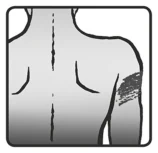
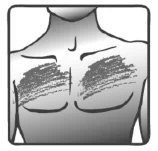
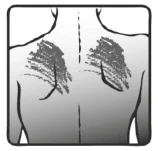
Applying the transdermal patch
Step 1: Each transdermal patch is sealed in a sachet. Just before use, open the sachet by tearing where indicated. Take out the transdermal patch.
Do not use the transdermal patch if the sachet seal is broken.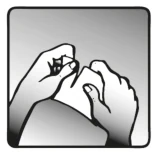
Step 2: The sticky side of the transdermal patch is covered with a transparent foil. Carefully peel off half the foil. Try not to touch the sticky part of the transdermal patch. 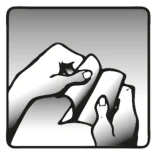
Step 3: Stick the transdermal patch on to the area of skin you have chosen and remove the remaining foil. 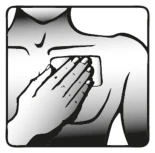
Step 4: Press the transdermal patch against your skin with the palm of your hand and count slowly to 30. Make sure that the whole transdermal patch is in contact with your skin, especially at the edges. 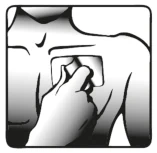
Wearing the transdermal patch
You should wear the transdermal patch for seven days. Provided that you have applied the transdermal patch correctly, there is little risk of it coming off. If the edges of the transdermal patch begin to peel off, they may be taped down with a suitable skin tape. You may shower, bathe or swim whilst wearing it.
Do not expose the transdermal patch to extreme heat (e.g. heating pads, electric blanket, heat lamps, sauna, hot tubs, heated water beds, hot water bottle, etc) as this may lead to larger quantities of the active substance being absorbed into the blood than normal. External heat may also prevent the transdermal patch from sticking properly. If you have a high temperature this may alter the effects of Reletrans (see “Warnings and precautions” section above).
In the unlikely event that your transdermal patch falls off before it needs changing, do not use the same patch again. Stick a new one on straight away (see “Changing the transdermal patch” below).
Changing the transdermal patch
- Take the old transdermal patch off.
- Fold it in half with the sticky side inwards.
- Open and take out a new transdermal patch. Use the empty sachet to dispose of the old transdermal patch. Now discard the sachet safely.
- Even used patches contain some active substance that may harm children or animals, so make sure your used patches are always kept out of the reach and sight of them.
- Stick a new transdermal patch on a different appropriate skin site (as described above). You should not apply a new transdermal patch to the same site for 3-4 weeks.
- Remember to change your transdermal patch at the same time of day. It is important that you make a note of the time of day.
Duration of treatment
Your doctor will tell you how long you should be treated with Reletrans. Do not stop treatment without consulting a doctor, because your pain may return and you may feel unwell (see also “If you stop using Reletrans” below).
If you use more Reletrans than you should As soon as you discover that you have used more transdermal patches than you should, remove all transdermal patches and call your doctor or hospital straight away. People who have taken an overdose may feel very sleepy and sick. They may also have breathing difficulties or lose consciousness and may need emergency treatment in hospital. When seeking medical attention make sure that you take this leaflet and any remaining transdermal patches with you to show to the doctor.
If you forget to apply Reletrans
Stick a new transdermal patch on as soon as you remember. Also make a note of the date, as your usual day of changing may now be different. If you are very late changing your transdermal patch, your pain may return. In this case, please contact your doctor.
Do not apply additional transdermal patches to make up for the forgotten application.
If you stop using Reletrans
If you stop using Reletrans too soon or you interrupt your treatment your pain may return.
If you wish to stop treatment please consult your doctor. They will tell you what can be done and whether you can be treated with other medicines.
Some people may have side effects when they have used strong painkillers for a long time and stop using them. The risk of having effects after stopping Reletrans is very low. However, if you feel agitated, anxious, nervous or shaky, if you are overactive, have difficulty sleeping or digestive problems, tell your doctor.
The pain relieving effect of Reletrans is maintained for some time after removal of the transdermal patch. You should not start another opioid analgesic (strong painkiller) within 24 hours after removal of the transdermal patch.
If you have any further questions on the use of this medicine, ask your doctor or pharmacist.
4
Possible side effects
Like all medicines, this medicine can cause side effects, although not everybody gets them.
Serious side effects that may be associated with Reletrans are similar to those seen with other strong painkillers and include difficulty in breathing and low blood pressure.
This medicine can cause allergic reactions, although serious allergic reactions are rare. Remove the transdermal patch and tell your doctor immediately if you get any sudden wheeziness, difficulties in breathing, swelling of the eyelids, face or lips, rash or itching especially those covering your whole body.
There is a risk that you may become addicted or reliant on Reletrans.
In patients treated with Reletrans, the following other side effects have been reported:
Very common (may affect more than
1 in 10 people)
- headache, dizziness, drowsiness
- constipation, feeling or actually being sick
- itchy skin, redness of the skin
- rash, itching, redness, inflammation or swelling of the skin at the application site
Common (may affect up to 1 in 10 people)
- loss of appetite
- confusion, depression, anxiety, difficulty in sleeping, nervousness, shaking (tremors)
- shortness of breath
- abdominal pain or discomfort, diarrhoea, indigestion, dry mouth
- sweating, rash, skin eruptions
- tiredness, a feeling of unusual weakness, muscle weakness, oedema (e. g.swelling of hands, ankles or feet)
Uncommon (may affect up to 1 in 100 people)
mood swings, restlessness, agitation, a feeling of extreme happiness, hallucinations, nightmares, decreased sexual drive, aggression
- changes in taste, reduced sensitivity to pain or touch, tingling or numbness
- loss of memory, migraine, fainting, problems with concentration or co-ordination
- dry eyes, blurred vision
- a ringing or buzzing sound in the ears
- a feeling of dizziness or spinning
- high or low blood pressure, chest pain, fast heart beat, feeling your hearbeat, flushing
- cough, hiccups, wheezing
- wind
- weight loss
- dry skin
- spasms, aches and pains
- Difficulty in beginning the flow of urine, difficulties in passing urine, involuntary passage of urine
- Fever
- An increase in accidental injuries (e.g. falls)
- Withdrawal symptoms such as agitation, anxiousness, sweating or shaking upon stopping using Reletrans If you need to have blood tests remind your doctor that you are using Reletrans. This is important because Reletrans may change the way your liver works and this could affect the results of some blood tests.
Rare (may affect up to 1 in 1,000 people)
- Angina (chest pain associated with heart disease)
- Mental disorder
- Difficulties with balance
- Swelling of the eyelids or face, a reduction in size of the pupils in the eye
- Difficulty in breathing
- worsening of asthma, over breathing
- A feeling of faintness, especially on standing up
- Difficulty in speaking
- Difficulty in swallowing, ileus
- Local allergic reaction with marked signs of swelling (in such cases treatment should be stopped)
- Swelling and irritation inside the nose
- Decreased erection, sexual dysfunction
- A flu like illness
- Dehydration
Very rare (may affect up to 1 in 10,000 people)
- Muscle twitching
- Ear pain
- Blisters
- Drug dependence
Frequency not known (frequency cannot be estimated from the available data)
- Seizures, fits or convulsions
- Inflammation of the bowel wall. Symptoms may include fever, vomiting and stomach pain or discomfort.
- Colicky abdominal pain or discomfort
- Feeling detached from oneself
- Withdrawal symptoms in babies born to mothers who have been given Reletrans in pregnancy may include high-pitched crying, irritability and restlessness, shaking (tremor), feeding difficulties, sweating and not putting on weight.
- Dermatitis contact (skin rash with inflammation which may include burning sensation), skin discolouration
Reporting of side effects
If you get any side effects, talk to your doctor or pharmacist. This includes any possible side effects not listed in this leaflet. You can also report side effects directly via the Yellow Card Scheme Website: www.mhra.gov.uk/ yellowcard or search for MHRA Yellow Card in the Google Play or Apple App Store. By reporting side effects you can help provide more information on the safety of this medicine.
5
How to store Reletrans
Keep this medicine out of the sight and reach of children. Do not use this medicine after the expiry date which is stated on the carton and on the sachet after EXP. The expiry date refers to the last day of that month. Do not store above 25°C. Store this medicine in a safe and secure place, where other people cannot access it. It can cause serious harm and be fatal to people who may take this medicine by accident, or intentionally when it has not been prescribed for them.
Do not use the transdermal patch if you notice that the sachet seal is already broken.
Used transdermal patches must be folded over on themselves with the adhesive layer inwards, and discarded safely.
Do not throw away any medicine via wastewater or household waste. Ask your pharmacist how to throw away medicines you no longer use. These measures will help protect the environment.
6
Contents of the pack and other information
What Reletrans contains
- The active substance is buprenorphine.
Reletrans 5 microgram/hour transdermal patch: Each transdermal patch contains 5 mg of buprenorphine per 6.25 cm2, releasing 5 micrograms of buprenorphine per hour.
Reletrans 10 microgram/hour transdermal patch: Each transdermal patch contains 10 mg of buprenorphine per 12.5 cm2, releasing 10 micrograms of buprenorphine per hour.
Reletrans 15 microgram/hour transdermal patch: Each transdermal patch contains 15 mg of buprenorphine per 18.75 cm2, releasing 15 micrograms of buprenorphine per hour.
Reletrans 20 microgram/hour transdermal patch: Each transdermal patch contains 20 mg of buprenorphine per 25 cm2, releasing 20 micrograms of buprenorphine per hour.
The other ingredients are: Release liner (to be removed before applying the patch):
poly(ethylene terephthalate) foil, siliconized Adhesive matrix (containing buprenorphine): levulinic acid, oleyl oleate, povidone K 90, poly [acrylic acid-co-butylacrylate-co-(2-ethylhexyl) acrylate-co-vinylacetate] (5:15:75:5)
Separating film (between the adhesive matrices with and without buprenorphine: poly (ethylene terephthalate) foil
Adhesive matrix (without buprenorphine): acrylate adhesive
Backing layer (printed): polyurethane backing foil, printing ink
What Reletrans looks like and contents of the pack Reletrans is a pale yellowish-brown, rectangular transdermal patch with rounded edges, containing the following imprint:
‘Buprenorphinum 5 µg/h’
‘Buprenorphinum 10 µg/h’
‘Buprenorphinum 15 µg/h’
‘Buprenorphinum 20 µg/h’
Each transdermal patch is individually packed in a child resistant sachet.
Carton containing 1, 2, 3, 4, 5, 8, 10, 12 or 20 transdermal patches.
Not all pack sizes may be marketed.
Marketing Authorisation Holder
Sandoz Limited
Maxis 1 Western Road
Bracknell
United Kingdom
RG12 1RF
Manufacturer
Hexal AG, Industriestrasse 25
D-83607 Holzkirchen, Germany
This leaflet was last revised in 05/2025
00000000 SZ00000LT000