

Summary of Product Characteristics (SmPC) - Primidone Rosemont 250 mg/5 ml oral suspension
1 NAME OF THE MEDICINAL PRODUCT
Primidone Rosemont 250mg/5ml Oral Suspension
2 QUALITATIVE AND QUANTITATIVE COMPOSITION
Each 5ml oral suspension contains 250mg of primidone.
Excipients(s) with known effect:
Methyl hydroxybenzoate (E218) 1.80 mg/ml Ethyl hydroxybenzoate (E214) 0.60 mg/ml Propylene glycol (E1520) 20.0 mg/ml Liquid maltitol (E965) 25mg/ml Benzoic acid (E210) 0.02 mg/ml
For full list of excipients see section 6.1
3 PHARMACEUTICAL FORM
Oral Suspension
White to off-white suspension
4 CLINICAL PARTICULARS
4.1 Therapeutic indications
Primidone is indicated in the management of grand mal and psychomotor (temporal lobe) epilepsy. It is also of value in the management of focal or Jacksonian seizures, myoclonic jerks and akinetic attacks.
Management of essential tremor.
4.2 Posology and method of administration
Posology
Primidone should be started at the lowest possible dose in the evening and thereafter the dose should be increase in a stepwise manner to minimise adverse reactions.
Epilepsy
Treatment must always be planned on an individual basis. In many patients primidone treatment may be given as monotherapy, but in some, Primidone will need to be combined with other anticonvulsants or with supporting therapy.
In certain patients, it may be advisable to give a larger dose when the seizures are more frequent. For instance:
- 1) If the attacks are nocturnal then all or most of the daily dose may be given in the evening;
- 2) If the attacks are associated with some particular event such as menstruation, a slight increase in the appropriate dose is often beneficial.
- • In adults:
Initial dose: it is usually 125 mg (2.5ml) in a single intake in the evening. Then every 3 days, the daily dose is increased in a stepwise approach by 125 mg (2.5ml) until the patient is receiving 500 mg (10ml) daily. Thereafter, every 3 days, the daily dose (given in 2 divided doses) is increased by 250 mg (5ml), until control is obtained or until the maximum tolerated dose and maybe up to 1.5 g (30ml) daily.
Maintenance dose:
| Milligrams | milliliters | |
| Adults | 750 - 1500 | 15-30 |
- Paediatric population (from 4 weeks and above, and body weight above 4kg):
Initial dose: it is usually 125 mg (2.5ml) in a single intake in the evening. Then every 3 days, the daily dose is increased in a stepwise approach by 125 mg (2.5ml) until the patient is receiving 500 mg (10ml) daily. Thereafter, every 3 days, the daily dose (given in 2 divided doses) is increased by 250 mg (5ml) in children over the age of 9 and by 125 mg (2.5ml) in children under 9 years until control is obtained or until the maximum tolerated dose in children.
Use in neonates less than 1 month old or less than 4 kg body weight is not recommended as the estimated daily exposure to propylene glycol exceeds the EMA-recommended safety limit of 1 mg/kg/day.
Maintenance doses:
| Milligrams | milliliters | |
| Children over 9 years | 750 to 1500 | 15 to 30 |
| Children 6 to 9 years | 750 to 1000 | 15 to 20 |
| Children 2 to 5 years | 500 to 750 | 10 to 15 |
| Children up to 2 years | 250 to 500 | 5 to 10 |
Concomitant use / switch from other anticonvulsant treatments
In case of lack of efficacy of other anticonvulsant treatments or in case of adverse reactions induced by these drugs, primidone may be used to increase the efficacy of the existing/underlying treatment or to replace it. At first, primidone should be added to the previous treatment following a method of progressive dose increase as previously described. When an appreciable/acceptable therapeutic effect is reached and primidone dose has reached at least half of the previous dose, the discontinuation of the previous treatment can be attempted. This dose adjustment is to be performed progressively for a period of 2 weeks during which it could be necessary to increase primidone doses to maintain a good control.
Withdrawal of previous treatment should not be too rapid or status epilepticus may occur. Where phenobarbital formed a major part of the previous treatment, however, both its withdrawal and Primidone substitution should be made earlier, so as to prevent excessive drowsiness from interfering with accurate assessment of the optimum dosage of Primidone.
Essential tremor
Initially a dose of 50 mg (1ml) daily should be introduced in a single intake late afternoon, using, when available, the 50 mg tablet. The daily dose (given in 2 divided doses) should be increased gradually over a 2 to 3-week period until remission of symptoms or the highest dose tolerated up to a maximum of 750 mg (15ml) daily.
Patients not previously treated with anticonvulsants
Patients with essential tremor who have not previously been exposed to anticonvulsants, or other drugs known to induce increased hepatic enzyme activity, may experience acute symptoms of intolerance to Primidone, frequently characterised by vertigo, unsteadiness and nausea. It is, therefore, essential to respect initial dose therapeutic regimen.
Special population
Patients with renal impairment
Due to decreased renal elimination of primidone in patients with renal insufficiency, the dose should be adjusted according to clinical response and biological monitoring.
Patients with hepatic impairment
Due to the possible altered conversion of primidone to its metabolites and reduced elimination of phenobarbital in patients with severe hepatic impairment, the dose should be adjusted according to clinical response and biological monitoring.
Elderly patients
It is advisable to monitor elderly patients with reduced renal function who are receiving primidone.
Method of administration
Oral use.
Shake the bottle well before use.
Take Primidone oral suspension with a glass of water.
4.3 Contraindications
- Hypersensitivity to the active substance primidone, to phenobarbital or to any of the excipients listed in section 6.1.
- Acute intermittent porphyria
- Concomitant use with certain classes of medicinal products (see section 4.5).
- Primidone oral suspension is contraindicated in children less than 4 weeks of age and children with a body weight of 4kg or less, because of the potential adverse effects/toxicity from the excipient propylene glycol (see section 4.4)
4.4 Special warnings and precautions for use
Special warnings
Primidone is not efficient for the treatment of absences and myoclonic fits which may be sometimes aggravated.
Due to its sedative effect, it is recommended to initiate treatment of primidone with the lowest dose in the evening, and then with a stepwise approach (see section 4.2).
Primidone should be given with caution and may be required in reduced dosage in children, the elderly, debilitated patients or those with impaired renal, hepatic or respiratory function.
Primidone has the potential to harm the foetus (see section 4.6).
Crisis aggravation
Introduction of an anti-epileptic drug may be rarely followed by recrudescence of the crises or by occurrence of new type of crisis for the patient, independently of the fluctuations observed in some epilepsy. For primidone, causes of these aggravations may be a choice of a treatment inadequate for the crises or the epileptic syndrome in this patient, a change of the concomitant anti-epileptic treatment or a pharmacokinetic interaction, a toxicity or overdose. There could be no other explanation than a paradoxal reaction.
Treatment cessation
Sudden withdrawal of a treatment at efficient anti-epileptic doses may induce convulsive fits and epilepticus status, mainly in case of alcoholism added.
Primidone is a potent CNS depressant and is partially metabolised into phenobarbital. After prolonged administration there is a potential for tolerance, dependence and a withdrawal reaction on abrupt cessation of treatment.
Prevention of vitamin deficiencies
Primidone is an enzymatic inducer (CYP450) which may increase the catabolism of vitamin D. A dose-dependent increase in the risk of osteomalacia has been observed during therapy with primidone, which may predispose to the development of bone disease. Vitamin D supplementation may be needed during long-term primidone therapy (see section 4.8).
Exceptionally, as with phenytoin and phenobarbital, megaloblastic anaemia may develop requiring discontinuation of primidone. This condition may respond to treatment with folic acid and/or vitamin B12 (see section 4.8).
Suicidal behaviour
Suicidal ideation and behaviour have been reported in patients treated with anti- epileptic agents in several indications. A meta-analysis of randomised placebo-controlled trials of anti-epileptic drugs has also shown a small increased risk of suicidal ideation and behaviour. The mechanism of this risk is not known and the available data do not exclude the possibility of an increased risk for primidone.
Therefore, patients should be monitored for signs of suicidal ideation and behaviours and appropriate treatment should be considered. Patients (and caregivers of patients) should be advised to seek medical advice should signs of suicidal ideation or behaviour emerge.
Severe skin reactions
Life-threatening cutaneous reactions Stevens-Johnson syndrome (SJS), toxic epidermal necrolysis (TEN) and drug reaction with eosinophilia and systemic symptoms (DRESS) have been reported with the use of primidone.
Patients should be advised of the signs and symptoms and monitored closely for skin reactions.
The highest risk for occurrence of SJS, TEN or DRESS is within the first weeks of treatment.
If symptoms or signs of SJS, TEN or DRESS (e.g., progressive skin rash often with blisters or mucosal lesions) are present, primidone treatment should be discontinued.
The best results in managing SJS, TEN and DRESS come from early diagnosis and immediate discontinuation of any suspect drug. Early withdrawal is associated with a better prognosis.
If the patient has developed SJS, TEN or DRESS with the use of primidone (or phenobarbital), primidone must not be re-started in this patient at any time. (See section 4.8)
Women of childbearing potential
Primidone is extensively metabolised to phenobarbital. Thus, information on phenobarbital must be taken into account.
Phenobarbital may cause foetal harm when administered to a pregnant woman. Prenatal exposure to phenobarbital may increase the risk for congenital malformations approximately 2- to 3-fold (see section 4.6).
Primidone should not be used in women of childbearing potential unless the potential benefit is judged to outweigh the risks following consideration of other suitable treatment options. Women of childbearing potential should be fully informed of the potential risk to the foetus if they take primidone during pregnancy.
A pregnancy test to rule out pregnancy should be considered prior to commencing treatment with primidone in women of childbearing potential.
Women of childbearing potential should use highly effective contraception during treatment and for 2 months after the last dose. Due to enzyme induction, phenobarbital may result in a failure of the therapeutic effect of oral contraceptive drugs containing oestrogen and/or progesterone. Women of childbearing potential should be advised to use other contraceptive methods (see sections 4.5 and 4.6).
Women planning a pregnancy should be advised to consult in advance with her physician so that adequate counselling can be provided and appropriate other treatment options can be discussed prior to conception and before contraception is discontinued.
Women of childbearing potential should be counselled to contact her doctor immediately if she becomes pregnant or thinks she may be pregnant while on treatment with primidone.
Precautions for use
Primidone, as phenobarbital, is an enzymatic inducer and is thus susceptible to reduce efficacy of some medicinal products via progressive increase of their metabolism (see section 4.5).
Concomitant intake of this medicinal product with alcoholic beverages or with medicinal products containing alcohol is not recommended.
Excipient warnings:
This product contains
- methyl and ethyl hydroxybenzoate (E218 and E214). May cause allergic reactions (possibly delayed).
- liquid maltitol (E965) If you have been told by your doctor that you have an intolerance to some sugars, contact your doctor before taking this medicinal product.
propylene glycol (E1520). This medicine contains 20 mg propylene glycol per ml. If your child is less than 5 years old, talk to your doctor or pharmacist before giving them this medicine, in particular if they use other medicines that contain propylene glycol or alcohol. Use in neonates less than 4 weeks of age and in children of body weights of 4kg or less is not recommended as the estimated daily exposure to propylene glycol exceeds the EMA-recommended safety thresholds. Neonates (term babies less than 4 weeks of age, and pre-term babies less than 44 post-menstrual weeks of age) are known to have immature metabolic and renal clearance of propylene glycol, leading to possible accumulation. Prolonged treatment and/or at very high dose in patients, increases the risk of serious adverse reactions such as metabolic acidosis (a condition in which the blood is too acidic), renal (kidney) dysfunction including acute tubular necrosis (damage to the structures in the kidneys that filter blood), acute renal failure and liver dysfunction.
If you are pregnant or breast-feeding, do not take this medicine unless recommended by your doctor. Your doctor may carry out extra checks while you are taking this medicine. If you suffer from a liver or kidney disease, do not take this medicine unless recommended by your doctor. Your doctor may carry out extra checks while you are taking this medicine.
- This medicine contains less than 1 mmol sodium (23 mg) per ml, that is to say essentially ‘sodium-free’.
- Benzoic acid (E210), which may increase jaundice (yellowing of the skin and eyes) in newborn babies (up to 4 weeks old). This medicine contains less than 0.02 mg per 1 ml dose.
4.5 Interaction with other medicinal products and other forms of interaction
Contraindications of concomitant use
Primidone and its main metabolite phenobarbital are strong inducers of cytochrome P450 and thus lead to life-threatening situations due to the risk of decreased plasma concentrations and risk of lack of efficacy of co-administered medications.
- Risk of decreased plasma concentrations due to increased metabolism induced by primidone for:
- Antivirals: cobicistat, daclatasvir, dasabuvir, ledipasvir, nelfinavir, rilpivirine, ombitasvir+paritaprevir, sofosbuvir, telaprevir.
- Antifungal agents: voriconazole, isavuconazole.
- Drugs affecting nervous system* (except anti-epileptics): lurasidone.
- Anti-infectious agents: delamanide.
- Risk of decreased primidone plasma concentrations and risk of lack of efficacy for:
- St John’s wort.
Concomitant use not recommended
- Risk of decreased plasma concentrations due to increased metabolism induced by primidone for:
- Drugs affecting nervous system* (except anti-epileptics): mianserin, oxycodone, quetiapine, sertraline.
- Anti-infectious agents: telithromycine, bedaquiline.
- Anti-neoplastic agents: tyrosine kinase inhibitors, ifosfamide (+ risk of increased neurotoxicity of ifosfamide due to increased metabolism induced by primidone).
- Antivirals: boceprevir, simeprevir.
- Antifungal agents: itraconazole.
- Anticoagulant drugs: apixaban, dabigatran, rivaroxaban, ticagrelor.
- Cardiovascular agents: bosentan, nimodipine, dronedarone, macitentan, ranolazine).
- Hormonal agents: abiraterone, ulipristal.
- Other therapeutic classes: alcohol (+ increased risk of sedative effects of primidone and alcohol), estro-progestative contraceptive (use preferably another contraceptive method during combination and the following cycle), ivacaftor, praziquantel.
Precautions including dose adjustment:
- Risk of decreased plasma concentrations due to increased metabolism induced by primidone for:
- Other anti-epileptics: carbamazepine; felbamate; lamotrigine; oxcarbazepine (+ risk of decreased plasma levels of primidone by increased metabolism induced by oxcarbazepine); perampanel; phenytoin (+ risk of increased phenobarbital concentrations and possible toxicity. Possible toxicity with phenytoin on stopping primidone); stiripentol, tiagabine, valproic acid, zonisamide.
- Drugs affecting nervous system* (except anti-epileptics): benzodiazepines, methadone, opioid agents (including fentanyl).
- Anti-infective agents: doxycycline, metronidazole, quinine (+ risk of increased phenobarbital concentrations and possible toxicity).
- Anti-neoplastic agents: cabazitaxel, docetaxel, irinotecan, procarbazine (+ risk of increased hypersensitivity reactions: hypereosinophilia, rash).
- Antivirals: dolutegravir; maraviroc; protease inhibitors in combination with ritonavir (amprenavir, atazanavir, darunavir, fosamprenavir, indinavir, lopinavir, saquinavir, tipranavir): risk of decreased primidone concentrations due to CYP3A4 significant inhibition properties of the combination protease inhibitors-ritonavir.
- Antifungal agents: albendazole, posaconazole.
- Anticoagulant drugs: antivitamin K drugs (acenocoumarol, phenindione, warfarin): INR monitoring required.
- Cardiovascular agents: calcium channel blockers; beta-blockers (metoprolol, propranolol); class I A antiarrhythmic, ivabradine, propafenone.
Hormonal agents: androgens; glucocorticosteroids and mineralocorticosteroids;
thyroid hormones.
Other therapeutic classes: non-contraceptive estrogens; folates;
immunosuppressant agents (cyclosporin, tacrolimus, sirolimus, everolimus); iron-chelators (deferasirox); theophylline.
* The drugs affecting the nervous system also have increased risk of additive CNS depression.
4.6 Fertility, pregnancy and lactation
Pregnancy
Risks related to antiepileptic medicinal products in general
Specialist medical advice regarding the potential risks to a foetus caused by both seizures and antiepileptic treatment should be given to all women of childbearing potential taking antiepileptic treatment, and especially to women planning pregnancy and women who are pregnant.
Sudden discontinuation of antiepileptic drug (AED) therapy should be avoided as this may lead to seizures that could have serious consequences for the woman and the unborn child.
Monotherapy is preferred for treating epilepsy in pregnancy whenever possible because therapy with multiple AEDs could be associated with a higher risk of congenital malformations than monotherapy, depending on the associated AEDs.
Risks related to primidone and its main metabolite phenobarbital
Primidone is extensively metabolised to phenobarbital. Phenobarbital crosses the placenta. Animal studies (literature data) have shown reproductive toxicity in rodents (see section 5.3).
Data from meta-analysis and observational studies showed a risk of major malformations about 2 to 3 times higher than the baseline risk of major malformations in the general population (which is 2-3%). The risk is dose-dependent; however, no dose has been found to be without risk. Phenobarbital monotherapy is associated with an increased risk of major congenital malformations, including cleft lip and palate and cardiovascular malformations. Other malformations involving various body systems including cases of hypospadias, facial dysmorphic features, neural tube effects, craniofacial dysmorphia (microcephaly) and digital abnormalities have also been reported.
Data from a registry study suggest an increase in the risk of infants born small for gestational age or with reduced body length, compared to lamotrigine monotherapy.
Neurodevelopmental disorders have been reported among children exposed to phenobarbital during pregnancy. Studies related to the risk of neurodevelopmental disorders in children exposed to phenobarbital during pregnancy are contradictory and a risk cannot be excluded. Pre-clinical studies have also reported adverse neurodevelopment effects (see section 5.3).
Primidone should not be used during pregnancy unless the potential benefit is judged to outweigh the risks following consideration of other suitable treatment options.
If, following re-evaluation of treatment with primidone, no other treatment option is suitable, the lowest effective dose of primidone should be used. The woman should be fully informed of and understand the risks related to the use of primidone during pregnancy.
When used in the third trimester of pregnancy, withdrawal symptoms may occur in the neonate, including sedation, hypotonia and sucking disorder.
Patients taking primidone should be adequately supplemented with folic acid before conception and during pregnancy.
Women of childbearing potential/Contraception:
Primidone is extensively metabolised to phenobarbital. Phenobarbital should not be used in women of childbearing potential unless the potential benefit is judged to outweigh the risks following careful consideration of alternative suitable treatment options.
A pregnancy test to rule out pregnancy should be considered prior to commencing treatment with primidone in women of childbearing potential.
Women of childbearing potential should use highly effective contraception during treatment with phenobarbital and for 2 months after the last dose. Due to enzyme induction, phenobarbital may result in a failure of the therapeutic effect of oral contraceptive drugs containing oestrogen and/or progesterone. Women of childbearing potential should be advised to use other contraceptive methods while on treatment with phenobarbital, e.g. two complementary forms of contraception including a barrier method, oral contraceptive containing higher doses of estrogen, or a non-hormonal intrauterine device (see section 4.5).
Women of childbearing potential should be informed of and understand the risk of potential harm to the foetus associated with phenobarbital use during pregnancy and the importance of planning a pregnancy.
Women planning a pregnancy should be advised to consult in advance with her physician so that specialist medical advice can be provided and appropriate other treatment options can be discussed prior to conception and before contraception is discontinued.
Antiepileptic treatment should be reviewed regularly and especially when a woman is planning to become pregnant.
Women of childbearing potential should be counselled to contact her doctor immediately if she becomes pregnant or thinks she may be pregnant while on treatment with primidone.
Neonate
Withdrawal symptoms may occur in the newly born whose mothers have received primidone during late pregnancy.
Anticonvulsant therapy in pregnancy has occasionally been associated with coagulation disorders in the neonates. For this reason, pregnant patients should be given Vitamin K1 through the last month of pregnancy up to the time of delivery. In the absence of such pre-treatment, 10 mg Vitamin K1 may be given to the mother at the time of delivery and 1 mg should be given immediately to the neonate at risk.
Breast-feeding
Due to the risk of sedation which may induce difficulties in suckling responsible of poor weight gain during the neonatal immediate period, breast-feeding is not recommended.
Fertility:
No human data on the effect of primidone on fertility are available.
In animals, effects on fertility have been observed (see section 5.3).
4.7 Effects on ability to drive and use machines
Due to the risk of somnolence, visual disturbances and impaired reaction time, primidone has a major impact on the ability to drive and use machines.
4.8 Undesirable effects
At treatment initiation, the most common side effects are drowsiness, dizziness and ataxia; they may disappear with treatment continuation and/or posology reduction.
On occasions an idiosyncratic reaction may occur which involves visual disturbances, nausea, headache, dizziness, vomiting, nystagmus and ataxia; these symptoms are usually transient even when pronounced. In an acute and severe form, withdrawal of treatment is required.
Other adverse reactions, observed during post-marketing setting, may include:
Frequencies are defined as: very rare (< 1/10,000), not known (cannot be estimated from the available data).
| Frequency | System Organe Class | Adverse reactions |
Common (>1/100, <1/10) | Eye disorders | Visual disturbances |
| Nervous system disorders | Apathy, ataxia, nystagmus | |
| Gastrointestinal disorders | Nausea | |
Uncommon (>1/1000, <1/100) | Nervous system disorders | Headache, dizziness |
| Gastrointestinal disorders | Vomiting | |
| Skin and subcutaneous tissue disorders | Allergic reactions particularly affecting the skin which can include maculopapular, morbilliform or scarlatiniform rashes. | |
Rare (>1/10000, < 1/1000) | Blood and lymphatic system disorders | Megaloblastic anemia*, leucopenia, thrombocytopenia, lymphadenopathy |
| Psychiatric disorders | Psychotic reactions | |
| Musculoskeletal and connective tissue disorders | Arthralgia, osteomalacia**. As with phenobarbital, Dupuytren’s contracture | |
| Skin and subcutaneous tissue disorders | Exfoliative dermatitis, lupus erythematosus. | |
| Investigations | Elevation in hepatic enzymes, including gamma-glutamyl transferase (gamma GT) and alkaline phosphatase |
| Very rare (<1/10.000) | Skin and subcutaneous tissue disorders | Severe cutaneous adverse reactions: Stevens-Johnson síndrome (SJS) and toxic epidermal necrolysis (TEN) have been reported (see section 4.4) |
| Unknown | Immune system disorders | Hypersensitivity syndrome: multisystemic reactions often with fever, rash, hypereosniphilia and liver injury |
| Psychiatric disorders | Suicidal ideation***, confusional state, hallucination | |
| Nervous system disorders | Balance disorder | |
| Musculoskeletal and connective tissue disorders | Decreased bone density, osteopenia, osteoporosis and fractures in patients on long term therapy*** | |
| Skin and subcutaneous tissue disorders | Drug reaction with eosinophilia and systemic symptoms (DRESS) (see section 4.4), pruritus. |
* Exceptionally, as with phenytoin and phenobarbital, primidone can cause megaloblastic anaemia requiring discontinuation of primidone. This condition may respond to treatment with folic acid and/or Vitamin B12.
** Vitamin D supplementation may be needed during long-term Primidone therapy, since vitamin D catabolism may be increased.
***See section 4.4 Special warnings and precautions for use.
**** The mechanism by which affects bone metabolism has not been identified.
Reporting of suspected adverse reactions
Reporting suspected adverse reactions after authorisation of the medicinal product is important. It allows continued monitoring of the benefit/risk balance of the medicinal product. Healthcare professionals are asked to report any suspected adverse reactions via: Yellow Card Scheme. www.mhra.gov.uk/yellowcard or search for MHRA Yellow Card in the Google Play or Apple App Store.
4.9 Overdose
Primidone is metabolised extensively to phenobarbitone and overdosage leads to varying degrees of CNS depression which, depending on the dose ingested, may include ataxia, loss of consciousness, respiratory depression and coma.
Crystalluria may occur in overdosage and could be used as a helpful diagnostic aid where primidone overdosage is suspected.
Depending on the severity of intoxication, therapy should include aspiration of stomach contents, administration of activated charcoal, administration of intravenous fluids, forced alkaline diuresis (striving for a urine pH of 8.0), and general supportive measures. In more life-threatening circumstances, haemoperfusion (if the patient is hypotensive) or haemodialysis are effective.
There is no specific antidote.
5 PHARMACOLOGICAL PROPERTIES
5.1 Pharmacodynamic properties
Pharmacotherapeutic group: Antiepileptics (barbiturates and derivatives), ATC code: N03AA03
Mechanism of action
Primidone is an anticonvulsant largely metabolised into two main metabolites phenobarbital and phenylethylmalonamide (PEMA). The relative contribution of these three moieties to the clinical anticonvulsant effect has not been firmly established.
In addition, primidone has been demonstrated to suppress tremor, with a possible contribution of these metabolites.
Although the precise mode of action of Primidone is unknown, in common with other anticonvulsants, effects on the neuronal membrane particularly with respect to alteration of ionic fluxes are likely to play a fundamental role.
Primidone, as with other anticonvulsants, can induce liver enzymes.
5.2 Pharmacokinetic properties
Absorption
Primidone is absorbed rapidly from the gastrointestinal tract, peak plasma levels being attained approximately 3 hours after ingestion, therapeutic blood concentration known to be between 5 to 10 mg/ml.
Distribution
Primidone is well distributed in all organs and tissues: it crosses the blood-brain and placental barriers and is excreted in breast milk (see section 4.6). Primidone is only partially bound to plasma proteins (by about 35%) whereas approximately half of phenobarbital is bound.
Metabolism
Primidone is partially metabolised in the liver into phenobarbital and phenylethylmalonamide (PEMA), its major metabolites, that both have anticonvulsant activity and complex pharmacokinetic properties.
Primidone, as other anticonvulsants, can induce liver enzymes (see sections 4.4 and 4.5)
Elimination
Primidone has an elimination half-life of approximately 10 hours which is considerably shorter than those of its principal metabolites: PEMA (10 to 25 hours) and phenobarbital (50 to 160 h). Elimination is mainly the urinary with 40% as unchanged drug and 28% as PEMA.
5.3 Preclinical safety data
Repeated dose toxicity
Centrilobular hepatocyte hypertrophy and chronic nephropathy have been observed in rats administered clinically relevant doses of primidone for 14-weeks. Hepatocellular hypertrophy has also been observed in dogs administered clinically relevant doses of primidone for 6-months.
Genotoxicity
Primidone was shown to be mutagenic in one strain of Salmonella typhimurium strain (TA1535). Other in vitro and in vivo tests did not demonstrate genotoxicity. Therefore, the risk of genotoxicity to humans is unknown.
Carcinogenicity
Standard 2-year carcinogenicity studies have identified an increased incidence of hepatocellular neoplasms in male and female mice, thyroid adenomas in male mice and male rats, and combined incidences of renal tubule adenomas or carcinomas in male rats at doses considered clinically relevant. The risk of carcinogenicity to humans is unknown.
Reproductive toxicity
Animal studies have shown that primidone is teratogenic and impairs post-natal development at doses considered to be clinically relevant. Teratogenic effects in mice included palatal defects, enlargement of cerebral ventricles, club foot, open eyes and haemorrhages within the subarachnoid space. Primidone was also shown to be embryolethal in mice and rats at clinically relevant doses. Post-natal development effects include impairment of memory and learning development in male rats from litters of dosed female rats. Effects on fertility in animals have been observed at doses considered to be clinically relevant. Primidone induced a reduction in seminal vesicle weight and an increase in estrous cycle length in mice. In a 5-day study in male mice, primidone induced a dose-dependent increase in sperm-head abnormalities.
Published studies reported teratogenic effects (morphological defects) in rodents exposed to phenobarbital (main metabolite of primidone). Cleft palate is reported consistently in all preclinical studies but other malformations are also reported (e.g. umbilical hernia, spina bifida, exencephaly, exomphalos plus fused ribs) in single studies or species.
In addition, although data from the published studies are inconsistent, phenobarbital given to rats/mice during gestation or early postnatal period was associated with adverse neurodevelopment effects, including alterations in locomotor activity, cognition and learning patterns.
6 PHARMACEUTICAL PARTICULARS
6.1 List of excipients
Methyl hydroxybenzoate (E218)
Ethyl hydroxybenzoate (E214)
Citric acid monohydrate (E330)
Tri-sodium citrate dihydrate (E331)
Polysorbate 80 (E434)
Simethicone emulsion 30% (benzoic acid (E210), polydimethylsiloxane (E900), polyethylene glycol sorbitan tristearate (E436), methylcellulose (E461), silica gel, polyethylene glycol stearate, sorbic acid (E200) and sulphuric acid (E513))
Glycerol (E422)
Xanthan gum (E415)
Microcrystalline cellulose and carmellose sodium
Liquid maltitol (E965)
Sucralose (E955)
Propylene glycol (E1520)
Tutti-frutti flavor (Glyceryl triacetate (E1518) and Alpha-tocopherol (E307))
Purified water
6.2 Incompatibilities
Not applicable
6.3 Shelf life
18 months
After first opening: 60 days
6.4 Special precautions for storage
Do not store above 25°C.
6.5 Nature and contents of container
Bottle: Amber (PET)
Closure: Polypropylene TE EPE lined child resistant closure
Syringe: Polypropylene body, purple HDPE plunger with a capacity of 10ml and dosage graduation at every 1.0ml and 0.25ml.
Bottle adaptor: Low Density Polyethylene
6.6 Special precautions for disposal
Any unused medicinal product or waste material should be disposed of in accordance with local requirements.
Instruction for use
The oral suspension must be shaken well before use.
- Open the bottle: press the cap and turn it anticlockwise (figure 1)

- Separate the adaptor from the syringe (figure 2). Insert the adaptor into the bottle
neck (figure 3). Ensure it is well fixed. 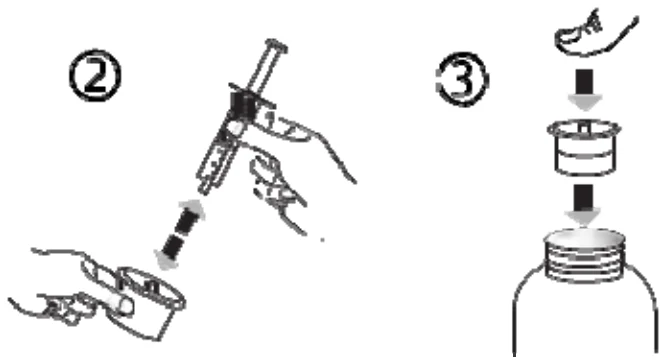
- Take the syringe and put it in the adaptor opening (figure 4). Turn the
bottle upside down (figure 5). 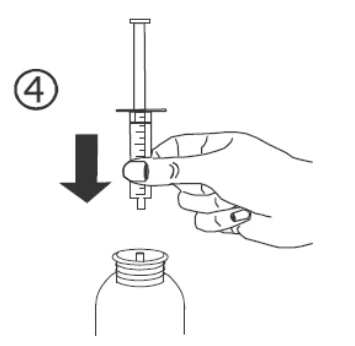
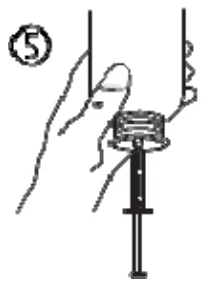
- Fill the syringe with a small amount of suspension by pulling the piston
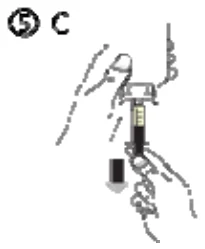
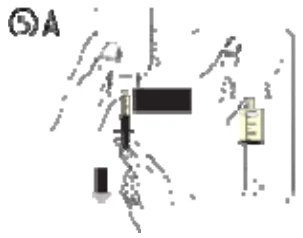
down (figure 5A), then push the piston upward in order to remove any possible bubble (figure 5B). Pull the piston down to the graduation mark corresponding to the quantity in milliliters (ml) prescribed by your doctor (figure 5C). 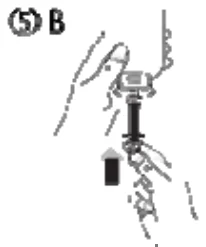
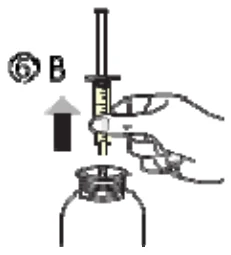
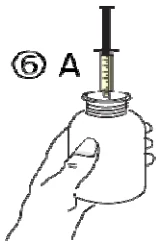
- Turn the bottle the right way up (figure 6A). Remove the syringe from the adaptor (figure 6B).
- Close the bottle with the plastic screw cap.
- Empty the contents of the syringe into your mouth.
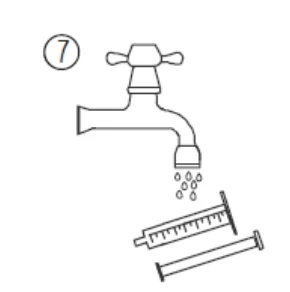
- After dosing, wash the syringe with water only (figure 7).
7 MARKETING AUTHORISATION HOLDER
Rosemont Pharmaceuticals Limited
Rosemont House
Yorkdale Industrial Park
Braithwaite Street
Leeds
LS11 9XE
UK.
8 MARKETING AUTHORISATION NUMBER(S)
PL 00427/0303
9 DATE OF FIRST AUTHORISATION/RENEWAL OF THE
AUTHORISATION
04/06/2026
10 DATE OF REVISION OF THE TEXT
04/06/2026