


Patient leaflet - Prevymis 120 mg granules in sachet
1. What PREVYMIS is and what it is used for
PREVYMIS is an antiviral prescription medicine that contains the active substance letermovir.
PREVYMIS is a medicine for:
adults and children weighing at least 5 kg who have recently had a stem cell (bone marrow)
transplant.
- adults and children weighing at least 40 kg who have recently had a kidney transplant.
The medicine helps stop you from getting ill from CMV (‘cytomegalovirus’).
CMV is a virus. For most people, CMV does not hurt them. However, if your immune system is weak after you get a stem cell transplant or a kidney transplant, you may be at high risk of becoming ill from CMV.
2. What you need to know before you take PREVYMIS
Do not take PREVYMIS if:
you are allergic to letermovir or any of the other ingredients of this medicine (listed in
you take either of these medicines:
•• pimozide - used for Tourette’s syndrome
•• ergot alkaloids (such as ergotamine and dihydroergotamine) - used for migraine
headaches.
you take the following herbal product:
•• St. John’s wort (Hypericum perforatum)
Do not take PREVYMIS if any of the above apply to you. If you are not sure, talk to your doctor, pharmacist or nurse before taking PREVYMIS.
If you are taking PREVYMIS with ciclosporin, do not take the following medicines:
•• dabigatran - used for blood clots
•• atorvastatin, simvastatin, rosuvastatin, pitavastatin – for high cholesterol
Warnings and precautions
If you are also taking a medicine for high cholesterol (see list of medicines in section “Other medicines and PREVYMIS” below) you must tell your doctor immediately if you have unexplained muscle aches or pains especially if you feel unwell or have a fever. Your medicine or dose may then need to be changed. See the package leaflet for your other medicine for further information.
Additional blood tests may be needed to monitor the following medicines:
- ciclosporin, tacrolimus, sirolimus
- voriconazole
Children and adolescents
PREVYMIS is not for use in children weighing less than 5 kg who have had a stem cell (bone marrow) transplant or in children weighing less than 40 kg who have had a kidney transplant. This is because PREVYMIS has not been tested in these groups.
Other medicines and PREVYMIS
Tell your doctor or pharmacist if you are taking, have recently taken, or might take any other medicines. This is because PREVYMIS may affect the way other medicines work, and other medicines may affect how PREVYMIS works. Your doctor or pharmacist will tell you if it is safe to take PREVYMIS with other medicines.
There are some medicines you must not take with PREVYMIS (see list under “Do not take PREVYMIS if:”).
There are some additional medicines you must not take with PREVYMIS and ciclosporin (see list under “If you are taking PREVYMIS with ciclosporin, do not take the following medicines:”).
Also tell your doctor if you are taking any of the following medicines. This is because your doctor may have to change your medicines or change the dose of your medicines:
- alfentanil - for severe pain
- fentanyl - for severe pain
- quinidine - for abnormal heart rhythms
- ciclosporin, tacrolimus, sirolimus - used to prevent transplant rejection
- voriconazole - for fungal infections
statins, such as atorvastatin, fluvastatin, rosuvastatin, simvastatin, pravastatin,
pitavastatin – for high cholesterol
glyburide, repaglinide - for high blood sugar
- carbamazepine, phenobarbital, phenytoin - for fits or seizures
- dabigatran, warfarin - used to thin the blood or for blood clots
- midazolam - used as a sedative
- amiodarone - used to correct irregular heartbeats
- oral contraceptive steroids - for birth control
- omeprazole, pantoprazole - for stomach ulcers and other stomach problems
- nafcillin - for bacterial infections
- rifabutin, rifampicin - for mycobacterial infections
- thioridazine - for psychiatric disorders
- bosentan - for high blood pressure in the vessels in the lungs
- efavirenz, etravirine, nevirapine, lopinavir, ritonavir - for HIV
- modafinil - for wakefulness
You can ask your doctor or pharmacist for a list of medicines that may interact with PREVYMIS.
Pregnancy
If you are pregnant, think you may be pregnant, or are planning to have a baby, ask your doctor for advice before taking this medicine. PREVYMIS is not recommended in pregnancy. This is because it has not been studied in pregnancy and it is not known if PREVYMIS will harm your baby while you are pregnant.
Breast-feeding
If you are breast-feeding or are planning to breast-feed, tell your doctor before taking this medicine. Breast-feeding is not recommended while taking PREVYMIS. This is because it is not known if PREVYMIS gets in your breast milk and will be passed to your baby.
Driving and using machines
PREVYMIS may have minor influence on your ability to drive and use machines (see section 4 “Possible side effects” below). Some patients have reported fatigue (feeling very tired) or vertigo (feeling like you are spinning) during treatment with PREVYMIS. If you experience any of these effects, do not drive or use machines until the effect wears off.
PREVYMIS contains lactose
PREVYMIS contains lactose monohydrate. If you have been told by your doctor that you have an intolerance to some sugars, contact your doctor before taking this medicinal product.
PREVYMIS contains sodium
This medicine contains less than 1 mmol sodium (23 mg) per sachet, that is to say essentially ‘sodium-free’.
3. How to take PREVYMIS
Always take this medicine exactly as your doctor or pharmacist has told you. Check with your doctor or pharmacist if you are not sure.
How much to take
Your dose of PREVYMIS depends on how much you weigh and if you are also taking ciclosporin. Your doctor will tell you the number of sachets to take.
- Take PREVYMIS as directed once a day.
The recommended oral doses of PREVYMIS are provided in Table 1 and Table 2.
Table 1: The recommended doses of PREVYMIS granules in sachet without ciclosporin
| Weight | PREVYMIS daily oral dose | Number of PREVYMIS sachets once daily |
| 30 kg and above | 480 mg | Four 120 mg sachets |
| 15 kg to less than 30 kg | 240 mg | Two 120 mg sachets |
| 7.5 kg to less than 15 kg | 120 mg | One 120 mg sachet |
| 5 kg to less than 7.5 kg | 80 mg | Four 20 mg sachets |
Table 2: The recommended doses of PREVYMIS granules in sachet with ciclosporin
| Weight | PREVYMIS daily oral dose | Number of PREVYMIS sachets once daily |
| 30 kg and above | 240 mg | Two 120 mg sachets |
| 15 kg to less than 30 kg | 120 mg | One 120 mg sachet |
| 7.5 kg to less than 15 kg | 60 mg | Three 20 mg sachets |
| 5 kg to less than 7.5 kg | 40 mg | Two 20 mg sachets |
How to take
See Instructions for Use for the right way to prepare and take a dose of PREVYMIS. Keep the
Instructions for Use and follow it each time you prepare and take the medicine.
- Contact your doctor if you have any questions about how to take PREVYMIS.
If you take more PREVYMIS than you should
If you take more PREVYMIS than you should, call your doctor straight away.
If you forget to take PREVYMIS
It is very important that you do not miss or skip doses of PREVYMIS.
If you forget a dose, take it as soon as you remember. However, if it is nearly time for the next
dose, skip the missed dose. Take your next dose at the usual time.
- Do not take two doses of PREVYMIS at the same time to make up for a missed dose.
- If you miss a dose, do not take the full dose, or spit some up, call your doctor.
- If you are not sure what to do, call your doctor or pharmacist.
Do not stop taking PREVYMIS
Do not stop taking PREVYMIS without talking to your doctor first. Do not run out of PREVYMIS. This will give the medicine the best chance to keep you from becoming ill from CMV after you get a stem cell transplant or a kidney transplant.
If you have any further questions on the use of this medicine, ask your doctor, pharmacist, or nurse.
4. Possible side effects
Like all medicines, this medicine can cause side effects, although not everybody gets them.
Common: may affect up to 1 in 10 people
- diarrhoea
- feeling sick (nausea)
- being sick (vomiting)
Uncommon: may affect up to 1 in 100 people
- allergic reaction (hypersensitivity) – the signs may include wheezing, difficulty breathing, rashes or hives, itchiness, swelling
- loss of appetite
- changes in taste
- headache
- feeling like you are spinning (vertigo)
- stomach ache
- abnormalities in laboratory tests of liver function (i.e., raised levels of liver enzymes)
- muscle spasms
- high blood creatinine - shown in blood tests
- feeling very tired (fatigue)
- swelling of hands or feet
Reporting of side effects
If you get any side effects, talk to your doctor, pharmacist, or nurse. This includes any possible side effects not listed in this leaflet. You can also report side effects directly via the Yellow Card Scheme at www.mhra.gov.uk/yellowcard or search for MHRA Yellow Card in the Google Play or Apple App Store. By reporting side effects you can help provide more information on the safety of this medicine.
5. How to store PREVYMIS
Keep this medicine out of the sight and reach of children.
Do not use this medicine after the expiry date which is stated on the carton and sachet after EXP. The expiry date refers to the last day of that month.
This medicine does not require any special storage conditions.
Do not throw away any medicines via wastewater or household waste. Ask your pharmacist how to throw away medicines you no longer use. These measures will help to protect the environment.
6. Contents of the pack and other information
What PREVYMIS contains
PREVYMIS 20 mg granules in sachet:
The active substance is letermovir. Each sachet contains 20 mg of letermovir.
PREVYMIS 120 mg granules in sachet:
The active substance is letermovir. Each sachet contains 120 mg of letermovir.
The other ingredients are: Microcrystalline cellulose (E460), croscarmellose sodium (E468), povidone (E1201), colloidal anhydrous silica (E551), magnesium stearate (E470b), lactose monohydrate, hypromellose (E464), titanium dioxide (E171), triacetin, iron oxide yellow (E172), iron oxide red (E172).
See section 2 “PREVYMIS contains lactose” and “PREVYMIS contains sodium”.
What PREVYMIS looks like and contents of the pack
PREVYMIS 20 mg granules in sachet are beige granules.
PREVYMIS 120 mg granules in sachet are beige granules.
The granules are supplied in sachets.
- Pack size of 30 sachets.
Marketing Authorisation Holder and Manufacturer
Marketing Authorisation Holder: Merck Sharp & Dohme (UK) Limited, 120 Moorgate, London, EC2M 6UR, UK.
Manufacturer: Merck Sharp & Dohme B.V., Waarderweg 39, 2031 BN Haarlem, The Netherlands.
For any information about this medicine, please contact:
Merck Sharp & Dohme (UK) Limited
Tel: +44 (0) 208 154 8000
Email: medicalinformationuk@msd.com
This leaflet was last revised in July 2025.
© 2025 Merck & Co., Inc., Rahway, NJ, USA and its affiliates. All rights reserved.
New MAA-024-II-25
PREVYMIS®
XXXXXXXX/XXXXXX-X
XXXXXX
32 This instructions for use was last revised in July 2025. © 2025 Merck & Co., Inc., Rahway, NJ, USA and its affiliates. All rights reserved. New MAA-024-II-25 XXXXXXXX/XXXXXX-X XXXXXXXXXX | Important: read this booklet first | |
| Instructions for Use | ||
PREVYMIS® 20 mg granules in sachet PREVYMIS® 120 mg granules in sachet letermovir | ||
| This “Instructions for Use” contains information on how to take PREVYMIS | ||
Take PREVYMIS by mouth (orally) or give by feeding tube.
- Do not crush or chew PREVYMIS.
When to take:
- Take the medicine around the same time every day.
How much to take:
- Your doctor will tell you the right amount (dose) for you, based on your weight and if you are also taking cyclosporine.
- Take the full dose each time.
- Keep your doctor visits since your dose may change. Important information you need to know before taking PREVYMIS
Call your doctor if you miss a dose, do not take the full dose, or spit some up.
3 EN
This page was intentionally left blank.
How to take PREVYMIS Follow ONE of these ways to take PREVYMIS:
Talk to your doctor about which way to take this medicine. 4 | Mix with soft food | |
Important information about mixing PREVYMIS with soft food
SAUCE Yoghurt 10 minutes |
| Mix with soft food | Mix with soft food | ||
Step 1: Wash your hands with soap and water, dry your hands. Step 2: Check the expiry date located on the top of the carton.
6 | Note: Your doctor will tell you the number of sachets needed for your dose. Step 3: Gather all your supplies on a clean surface.
Step 4: Pick a soft food that you enjoy, such as apple sauce or yoghurt.
SAUCE Yoghurt |
| Mix with soft food | Mix with soft food | ||
Step 5: Put 1 to 3 teaspoons (small spoons) of soft food into the small bowl. Step 6: Tap the sachet(s) to loosen the granules to the bottom of the sachet(s).
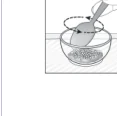
8 Yoghurt TAP | Step 7: Cut open the sachet(s) with scissors at the dotted line. Step 8: Lightly tap the sachet(s) to carefully sprinkle all the granules onto the soft food in the same small bowl.
|
| Mix with soft food | Mix with soft food | ||
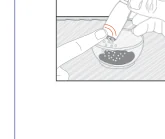
Step 9: Use the spoon to gently mix the food and PREVYMIS together. 10 | Step 10: Take ALL of the PREVYMIS mixture.
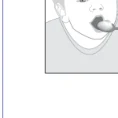
Timing is important! Your child should eat all of the mixture within 10 minutes of mixing PREVYMIS with the food. If your do not finish all of the PREVYMIS mixture or spit some up, call your doctor. 11 |
| Mix with soft food | Give through a feeding tube | ||
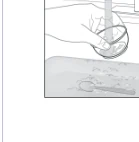
Step 11: Clean up.
For further information, go to sections “How to store PREVYMIS sachets” and “Learn more about PREVYMIS.” 12 | These instructions are only for patients with a feeding tube. Ask your doctor how to give PREVYMIS through a feeding tube and how to clean the feeding tube. Gastric tube (G tube) Nasogastric tube (NG tube) 13 |
| Give through a feeding tube | Give through a feeding tube | ||
Important information about mixing PREVYMIS with liquid
14 IF |
minutes: wait time |
| Give through a feeding tube | Give through a feeding tube | ||
16 Step 1: Wash your hands with soap and water, dry your hands. | 17 Step 2: Check the expiry date located on the top of the carton.
|
| Give through a feeding tube | Give through a feeding tube | ||
18 Note: Your doctor will tell you the number of sachets needed for your dose. Step 3: Gather all your supplies on a clean surface.
| 19 Step 6: Pull up on the syringe plunger to collect liquid from the glass into the syringe.
Step 4: Pick a liquid: milk, apple juice, or infant formula (IF). Step 5: Pour a small amount of the liquid into the glass.
|
| Give through a feeding tube | Give through a feeding tube | ||
20 Step 8: Tap the sachet(s) to loosen the granules to the bottom of the sachet(s).
Step 7: Empty the liquid from the syringe into the small, clean medicine cup. TAP | 21 Step 9: Cut open the sachet(s) with scissors at the dotted line. Step 10: Lightly tap the sachet(s) to carefully pour into the same medicine cup.
|
| Give through a feeding tube | Give through a feeding tube | ||
22 Step 11: Use a clock or timer and wait 10 minutes.
10 minutes: wait time | 23 Step 12: Gently stir the mixture with the syringe tip.
Step 13: Tilt the medicine cup and pull up on the syringe plunger to collect all of the mixture from the medicine cup. |
| Give through a feeding tube | Give through a feeding tube | ||
24 Step 14: Give the PREVYMIS mixture.
| 25 Step 15: To rinse, use the same syringe and pull up on the syringe plunger to collect liquid from the same glass.
Step 16: Slowly push on the plunger to add the liquid in the syringe to the same medicine cup. |
| Give through a feeding tube | Give through a feeding tube | ||
26 Step 17: Gently stir the mixture with the syringe tip.
Step 18: Tilt the medicine cup and pull up on the syringe plunger to collect the all of the mixture from the medicine cup. | 27 Step 19: Give the rinse mixture.
If all of the PREVYMIS mixture is not finished, call your doctor. |
| Give through a feeding tube | Give through a feeding tube | ||
28 Step 20: Flush the feeding tube right away using water.
| 29 For further information, go to sections “How to store PREVYMIS sachets” and “Learn more about PREVYMIS”. Step 21: Clean up
|


31 30
How to store PREVYMIS sachets
PREVYMIS does not require any special storage
conditions.
Keep this and all medicine out of the reach of
children.
Learn more about PREVYMIS
For more information on how to use PREVYMIS, ask your doctor or your pharmacist and read the PREVYMIS package leaflet.