

Summary of Product Characteristics (SmPC) - Pethidine Hydrochloride 50 mg / ml solution for injection
1 NAME OF THE MEDICINAL PRODUCT
Pethidine hydrochloride 50 mg/ml solution for injection
2 QUALITATIVE AND QUANTITATIVE COMPOSITION
Each 1 ml ampoule contains 50 mg of pethidine hydrochloride.
Each 2 ml ampoule contains 100 mg of pethidine hydrochloride.
For the full list of excipients, see section 6.1.
3 PHARMACEUTICAL FORM
Solution for injection.
Clear and colourless to almost colourless solution, free of visible particles.
4 CLINICAL PARTICULARS
4.1 Therapeutic indications
Pethidine hydrochloride may be used as an analgesic for the relief of moderate to severe pain including: obstetric analgesia; pre-operative medication and analgesia during anaesthesia; post-operative analgesia.
4.2 Posology and method of administration
Posology
Prior to starting treatment with opioids, a discussion should be held with patients to put in place a strategy for ending treatment with pethidine in order to minimise the risk of addiction and drug withdrawal syndrome (see section 4.4).
Adults
The following single doses may be used and should not usually be repeated more frequently than four hourly; Subcutaneous or intramuscular injection: 25 - 100mg. Intravenous injection: 25 - 50mg.
Elderly or debilitated patients
The initial dose should not exceed 25 mg, because of the particular sensitivity among elderly or debilitated patients to the central depressant effects of pethidine.
Paediatric population
The usual single dose is 0.5 to 2mg/kg body weight by intramuscular injection. If necessary, this dose may be repeated, allowing a minimum of four hours between doses. Use of a small graduated syringe is recommended for the accurate administration of dosages in children. In the absence of graduated syringes, the solution should be diluted with Water for Injections before measuring the dose.
Method of administration
Pethidine may be administered by subcutaneous, intramuscular or slow intravenous injection.
Treatment goals and discontinuation
Before initiating treatment with Pethidine, a treatment strategy including treatment duration and treatment goals, and a plan for end of the treatment, should be agreed together with the patient, in accordance with pain management guidelines. During treatment, there should be frequent contact between the physician and the patient to evaluate the need for continued treatment, consider discontinuation and to adjust dosages if needed. When a patient no longer requires therapy with Pethidine hydrochloride, it may be advisable to taper the dose gradually to prevent symptoms of withdrawal. In absence of adequate pain control, the possibility of hyperalgesia, tolerance and progression of underlying disease should be considered (see section 4.4).
Duration of treatment
Pethidine hydrochloride should not be used longer than necessary.
In absence of adequate pain control, the possibility of hyperalgesia, tolerance and progression of underlying disease should be considered (see section 4.4).
4.3 Contraindications
- Hypersensitivity to pethidine or to any of the excipients listed in section 6.1
- Use of pethidine should be avoided in patients with diabetic acidosis where there is danger of coma.
- In comatose patients.
- It also contra-indicated in conditions associated with raised intracranial pressure and in head injury (opioid analgesics interfere with pupillary responses vital for neurological assessment).
- Use of pethidine in patients with Phaeochromocytoma may result in hypertensive crisis.
- Acute respiratory depression, severe obstructive airways disease or acute asthma and when there is risk of paralytic ileus or obstructive airways disease.
- Use in patients receiving monoamine oxidase inhibitors (including moclobemide, and the monoamine B inhibitors selegiline and rasagiline) or within two weeks following their withdrawal.
- It should not be administered to patients with severe renal impairment or severe hepatic impairment.
- Should be avoided in patients with acute alcoholism, delirium tremens or in those with convulsive states such as status epilepticus.
- Pethidine should not be administered to patients receiving ritonavir and isoniazid.
- Use of pethidine should be avoided in patients with supraventricular tachycardia.
4.4 Special warnings and precautions for use
Pethidine is controlled under the Misuse of Drugs Act 1971 (Schedule 2). If the intravenous route is being used, pethidine should be given slowly in order to reduce the risk of adverse reactions.
Extreme care is required when administering pethidine to patients with asthma, severe cor pulmonale or reduced respiratory function.
Pethidine should be used with caution or in reduced doses in patients with myasthenia gravis. Pethidine should only be used with caution and in reduced dosage in neonates and premature infants, elderly and debilitated patients and in patients with head injuries, severe hepatic or renal impairment. Renal impairment may result in accumulation of the potentially toxic metabolite norpethidine, particularly with repeat dosing. All of these patient groups may experience increased or prolonged effects of the product.
Pethidine should be used with caution in patients with hypothyroidism, adrenocortical insufficiency, shock, and supraventricular tachycardia.
Although less spasmogenic than morphine, pethidine may precipitate spasm of the ureter or Sphincter of Oddi. Subsequently it should be used with caution in patients with prostatic hypertrophy and biliary tract disorders including those with pain secondary to gallbladder pathology.
Caution is also required in patients with acute alcoholism, raised intracranial pressure, or history of convulsive disorders, existing hypotension as it may reduce the blood pressure further, myasthenia gravis.
In addition, it should be avoided in patients with obstructive or inflammatory bowel disorders due to its effects on the gastrointestinal tract where it may precipitate toxic megacolon.
Tolerance and opioid use disorder (abuse and dependence)
Tolerance, physical and psychological dependence, and opioid use disorder (OUD) may develop upon repeated administration of opioids such as Pethidine hydrochloride. Repeated use of Pethidine hydrochloride can lead to Opioid Use Disorder (OUD). A higher dose and longer duration of opioid treatment can increase the risk of developing OUD. Abuse or intentional misuse of [product name] may result in overdose and/or death. The risk of developing OUD is increased in patients with a personal or a family history (parents or siblings) of substance use disorders (including alcohol use disorder), in current tobacco users or in patients with a personal history of other mental health disorders (e.g. major depression, anxiety and personality disorders).
Before initiating treatment with Pethidine hydrochloride and during the treatment, treatment goals and a discontinuation plan should be agreed with the patient (see section 4.2). Before and during treatment the patient should also be informed about the risks and signs of OUD. If these signs occur, patients should be advised to contact their physician.
Patients will require monitoring for signs of drug-seeking behaviour (e.g. too early requests for refills). This includes the review of concomitant opioids and psycho-active drugs (like benzodiazepines).
For patients with signs and symptoms of OUD, consultation with an addiction specialist should be considered.
Drug withdrawal syndrome
Prior to starting treatment with any opioids, a discussion should be held with patients to put in place a withdrawal strategy for ending treatment with Pethidine.
Drug withdrawal syndrome may occur upon abrupt cessation of therapy or dose reduction. When a patient no longer requires therapy, it is advisable to taper the dose gradually to minimise symptoms of withdrawal. Tapering from a high dose may take weeks to months. The opioid drug withdrawal syndrome is characterised by some or all of the following: restlessness, lacrimation, rhinorrhoea, yawning, perspiration, chills, myalgia, mydriasis and palpitations. Other symptoms may also develop including irritability, agitation, anxiety, hyperkinesia, tremor, weakness,
insomnia, anorexia, abdominal cramps, nausea, vomiting, diarrhoea, increased blood pressure, increased respiratory rate or heart rate.
If women take this drug during pregnancy, there is a risk that their newborn infants will experience neonatal withdrawal syndrome.
Hyperalgesia
Hyperalgesia may be diagnosed if the patient on long-term opioid therapy presents with increased pain. This might be qualitatively and anatomically distinct from pain related to disease progression or to breakthrough pain resulting from development of opioid tolerance. Pain associated with hyperalgesia tends to be more diffuse than the pre-existing pain and less defined in quality. Symptoms of hyperalgesia may resolve with a reduction of opioid dose.
As with other opioids, in case of insufficient pain control in response to an increased dose of pethidine, the possibility of opioid-induced hyperalgesia should be considered. A dose reduction or treatment review may be indicated.
Concomitant administration of pethidine with serotonin agents, such as a Selective Serotonin Re-uptake Inhibitor (SSRI) or a Serotonin Norepinephrine Re-uptake Inhibitor (SNRI) may cause serotonin toxicity. The symptoms of serotoin toxicity may include mental-status changes (e.g., agitation, hallucinations, coma), autonomic instability (e.g., tachycardia, labile blood pressure, hyperthermia), neuromuscular abnormalities (e.g., hyperreflexia, incoordination, rigidity), and/or gastrointestinal symptoms (e.g., nausea, vomiting, diarrhoea). Pethidine hydrochloride should be used with caution and the dosage may need to be reduced in patients using these medications.
Sleep-related breathing disorders
Opioids can cause sleep-related breathing disorders including central sleep apnoea (CSA) and sleep-related hypoxemia. Opioid use increases the risk of CSA in a dose-dependent fashion. In patients who present with CSA, consider decreasing the total opioid dosage.
Hepatobiliary disorders
Pethidine may cause dysfunction and spasm of the sphincter of Oddi, increasing the risk of biliary tract symptoms and pancreatitis. Therefore, pethidine has to be administered with caution in patients with pancreatitis and diseases of the biliary tract.
Risk from concomitant use with sedative medicines such as benzodiazepines or related drugs: Concomitant use of pethidine hydrochloride and sedative medicines such as benzodiazepines or related drugs may result in sedation, respiratory depression, coma and death. Because of these risks, concomitant prescription with these sedative medicines should be reserved for patients for whom alternative treatment options are not possible. If a decision is made to prescribe pethidine hydrochloride concomitantly with sedative medicines, the lowest effective dose should be used, and the duration of treatment should be as short as possible. The concomitant use of opioids and drugs used to treat epilepsy, nerve pain or anxiety (gabapentin and pregabalin) increases the risk of opioid overdose, respiratory depression and may be life-threatening.
The patients should be followed closely for signs and symptoms of respiratory depression and sedation. In this respect, it is strongly recommended to inform patients and their caregivers to be aware of these symptoms (see section 4.5).
Paediatric population
Pethidine has a slower elimination rate and a larger inter-subject variability in neonates and young infants compared to older children and adults, which may lead to dose related reactions such as respiratory depression. If pethidine use is contemplated in neonates or young infants (up to 12 months), any potential benefits of the drug need to be weighed against the relative risk to the patient.
There is a risk of tissue necrosis when pethidine hydrochloride is administered subcutaneously.
The use of Pethidine may lead to positive results in doping tests.
4.5 Interaction with other medicinal products and other forms of interaction
Monoamine Oxidase Inhibitors
The concurrent use of MAOIs (including moclobemide) is contra-indicated (see section 4.3) as they may result in CNS excitation or depression.
Very severe reactions including coma, respiratory depression, cyanosis and hypotension have occurred in patients administered monoamine inhibitors (MAOIs). Pethidine should not be administered to patients taking MAOIs or to those who have taken MAOIs within 14 days (see section 4.3). The interaction of pethidine with MAOIs may result in Serotonin syndrome.
CNS depressants
The central depressant effects of pethidine may be potentiated by the concurrent use of other central nervous system depressants including anxiolytics and sedatives, hypnotics, barbiturates and tricyclic antidepressants, other analgesics, alcohol and general anaesthetics; respiratory depression, hypotension and profound sedation or coma may result.
Opioid agonists
Additive effects on CNS depression, respiratory depression and hypotension can occur with concomitant use of opioid agonist analgesics.
MAO-B inhibitors
Concomitant use of MAO-B inhibitors such as selegiline or rasagiline is contraindicated (see section 4.3) as this may lead to hyperpyrexia and CNS toxicity.
Rasagiline should not be given with pethidine as there is risk of CNS toxicity, its use should be avoided for two weeks after taking rasagiline.
Anticonvulsants
Administration of phenytoin may cause an increase in hepatic metabolism of pethidine and subsequently increased levels of norpethidine (a toxic metabolite).
Antipsychotics
Severe hypotensive may occur when pethidine is administered to patients whose ability to maintain blood pressure has been compromised by a depleted blood volume or by the administration of drugs such as phenothiazine.
Histamine H2 antagonists
Cimetidine inhibits metabolism of pethidine and therefore increases plasma concentration.
Anti-virals
Plasma concentrations of pethidine may be decreased by concomitant administration of ritonavir, however levels of norpethidine (a toxic metabolite) may rise. Concomitant administration of ritonavir, isoniazid and pethidine should be avoided (see section 4.3).
Effects of pethidine on other drugs
Pethidine antagonize effects of domperidone and metoclopramide on gastro-intestinal activity.
The plasma levels of ciprofloxacin may be reduced in the presence of opiate premedicants.
Plasma levels of mexiletine may also be reduced in the presence of opioid analgesics. Use of pethidine in prolonged increasing dosage or concomitantly with anticholinergics may result in neurotoxicity in patients with renal failure, cancer or sickle cell anaemia.
Pethidine when given with duloxetine (SSRIs) may increase serotonergic effects.
Sedative medicines such as benzodiazepines and related drugs: Concomitant use of opioids with sedative medicines increases the risk of sedation, respiratory depression, coma and death, because of additive CNS depressant effect. The dose and duration of concomitant use of these medicines should be limited (see section 4.4). The concomitant use of opioids and gabapentinoids (gabapentin and pregabalin) increases the risk of opioid overdose, respiratory depression and death.
Concomitant administration of Pethidine hydrochloride with gabapentinoids (gabapentin and pregabalin) may result in respiratory depression, hypotension, profound sedation, coma or death (see section 4.4).
Concomitant administration of Pethidine hydrochloride with anticholinergics or medications with anticholinergic activity (e.g., tricyclic antidepressants, antihistamines, antipsychotics, muscle relaxants, anti-Parkinson drugs) may result in increased anticholinergic adverse effects (see section 4.4).
4.6 Fertility, pregnancy and lactation
Pregnancy
There is inadequate evidence of safety in human pregnancy, but the drug has been in widely use for many years without apparent ill consequence.
Animal studies have not shown any hazard.
As with all drugs during pregnancy care should be taken in assessing the risk to benefit ratio.
Regular use during pregnancy may cause drug dependence in the foetus, leading to withdrawal symptoms in the neonate.
If opioid use is required for a prolonged period in a pregnant woman, advise the patient of the risk of neonatal opioid withdrawal syndrome and ensure that appropriate treatment will be available.
Administration during labour may depress respiration in the neonate and an antidote for the child should be readily available.
Breastfeeding
Administration to nursing women is not recommended as pethidine hydrochloride may be secreted in breast milk and may cause respiratory depression in the infant.
4.7 Effects on ability to drive and use machines
Pethidine may impair the mental and/or physical abilities required for driving or for operating machinery. Patients should be advised accordingly and warned not to drive or to operate machines while taking pethidine as it may cause drowsiness and reduce alertness.
The ability to drive or use machines may be severely affected during and for some time after administration of pethidine.
This medicine can impair cognitive function and can affect a patient’s ability to drive safely. When prescribing this medicine, patients should be told:
- The medicine is likely to affect your ability to drive
- Do not drive until you know how the medicine affects you
- It is an offence to drive whilst impaired by this medicine
However, you would not be committing an offence (called ‘statutory defence’) if:
- The medicine has been prescribed to treat a medical or dental problem and
- You have taken it according to the instructions given by the prescriber and in the information provided with the medicine and
- It was not affecting your ability to drive safely
4.8 Undesirable effects
The undesirable effects have been rated in frequency classifications using the following convention: Very common (≥1/10); common (≥1/100 to <1/10); uncommon (≥1/1,000 to <1/100); rare (≥1/10,000 to <1/1,000); very rare (<1/10,000), not known (cannot be estimated from the available data).
Table of undesirable effects:
| System organ class | Frequency | Adverse event |
| Immune system disorders | Not known | General hypersensitivity reactions |
| Psychiatric disorders | Not known | Drug dependence (see section 4.4), confusion, mood altered, mild euphoria, hallucinations, dysphoria, agitation, anxiety, nervousness. Increased risk of delirium in elderly patients. |
| Nervous system disorders | Not known | Drowsiness, dizziness, tremor, convulsions, headache, light-headeness, sedation |
| Eye disorders | Not known | Visual disturbances, dry eye, miosis |
| Ear and labyrinth disorders | Not known | Vertigo |
| Cardiac disorders | Not known | Tachycardia, bradycardia, palpitations |
| Vascular disorders | Not known | Flushing of face, orthostatic hypotension, hypotension1, hypertension, vasodilatation |
| Respiratory, thoracic and mediastinal disorders | Not known | Respiratory depression1 |
| Gastrointestinal disorders | Not known | Nausea, vomiting, constipation, dry mouth |
| Hepatobiliary disorders | Not known | Biliary or Ureteric spasm |
| Skin and subcutaneous tissue disorders | Not known | Sweating, rash, urticaria, pruritic |
| Musculoskeletal disorders | Not known | Uncoordinated muscle movements, muscle twitching. |
| Renal and urinary disorders | Not known | Urinary retention, difficulty in micturition, renal colic |
| Reproductive system and breast disorders | Not known | Sexual dysfunction |
| General disorders and administration site conditions | Uncommon Not known | Drug withdrawal syndrome Hypothermia, weakness, injection site reactions |
| including pain, induration and irritation, wheal and flare over the vein with intravenous injection | ||
| Investigations | Not known | Corneal reflex decreased |
1The most serious adverse effects of pethidine are respiratory depression and hypotension. Rapid intravenous administration of pethidine increases the incidence of these effects and may result in serious respiratory depression and hypotension with tachycardia.
Drug dependence
Repeated use of Pethidine hydrochloride can lead to drug dependence, even at therapeutic doses. The risk of drug dependence may vary depending on a patient's individual risk factors, dosage, and duration of opioid treatment (see section 4.4).
Reporting of suspected adverse reactions
Reporting suspected adverse reactions after authorisation of the medicinal product is important. It allows continued monitoring of the benefit/risk balance of the medicinal product. Healthcare professionals are asked to report any suspected adverse reactions via the Yellow Card Scheme at: www.mhra.gov.uk/yellowcard or search for MHRA Yellow Card in the Google Play or Apple App Store. By reporting side effects, you can help provide more information on the safety of this medicine
4.9 Overdose
Toxic doses vary considerably between individuals and the habitual users may tolerate very high doses.
Patients should be informed of the signs and symptoms of overdose and to ensure that family and friends are also aware of these signs and to seek immediate medical help if they occur.
Symptoms
Signs of acute overdosage may include respiratory depression, CNS depression with extreme somnolence progressing to incoordination, stupor or coma, convulsions, CNS stimulation, cyanosis, miosis, skeletal muscle flaccidity or tremors, cold, clammy skin, hypothermia, bradycardia, hypotension and shock.
In severe overdosage, apnoea, circulatory collapse, pulmonary oedema, mydriasis, cardiac arrest and death may occur.
Patients should be informed of the signs and symptoms of overdose and to ensure that family and friends are also aware of these signs and to seek immediate medical help if they occur. .
Management
Treatment is supportive. Primary attention should be directed at correcting respiratory failure and shock. A patent airway should be established and assisted or controlled ventilation should be provided. If signs of CNS toxicity are exhibited the use of pethidine should be discontinued. Narcotic antagonists may be required if there is evidence of significant respiratory or cardiovascular depression.
Naloxone is a specific antidote used to counteract respiratory depression and coma resulting from opioid overdosage. Naloxone should be given intravenously as soon as possible and repeated every 2-3 minutes if necessary.
Intravenous fluids, oxygen, vasopressors and other supportive measures may be required in the management of shock. An anticonvulsant may be required if seizures occur.
5 PHARMACOLOGICAL PROPERTIES
5.1 Pharmacodynamic properties
Pharmacotherapeutic group: Analgesics. Phenylpiperidine derivatives, ATC code: N02AB02
Mechanism of action
Pethidine is a synthetic opioid analgesic similar to morphine although less potent and shorter acting. Its analgesic effect usually lasts for 2 to 4 hours. The analgesic effect occurs after about 10 minutes following parenteral administration. It acts on the CNS system and smooth muscles via the peripheral nervous system. However, it has a weaker action on smooth muscle than morphine and therefore has less effect on cough, bowel motility, biliary tone and secretion of pituitary hormones. Pethidine also causes the release of histamine from mast cells resulting in a number of allergic-type reactions.
Pharmacodynamic effects
Like other opioids, pethidine binds to opioid receptors and exerts its principal pharmacological actions on the central nervous system where its analgesic and sedative effects are of particular therapeutic value. The respiratory depression produced by pethidine can be antagonised by naloxone and nalorphine.
Pethidine has a spasmogenic effect on certain smooth muscles which is qualitatively similar to that of morphine. In equianalgesic doses, pethidine appears to cause less constipation and biliary tract spasm than does morphine.
Pethidine, like other opioids, dilates resistance and capacitance vessels and may thereby decrease the capacity of the cardiovascular system to respond to gravitational shifts. In therapeutic doses, the effects of pethidine on the cardiovascular system are generally not of clinical significance, especially when the patient is recumbent. However, rapid intravenous administration, or administration of pethidine to patients with depleted blood volume or in other situations where ability to maintain blood pressure has been compromised, may result in severe hypotension.
Pethidine is a narcotic analgesic with similar actions to morphine.
5.2 Pharmacokinetic properties
Absorption
Pethidine is rapidly absorbed following intramuscular or subcutaneous injection, however, there are wide interindividual variations.
Distribution
It is widely distributed in the tissues with a volume of distribution of 200-300 litres and is extensively protein bound (60-80%).
Biotransformation
It is metabolised in the liver by hydrolysis. Following intravenous injection, a rapid decline in plasma concentration occurs due to distribution and this is followed by a slower phase with a half-time of approximately 3 hours. In patients with cirrhosis, the half-life is increased to 6 hours.
Approximately 60% of pethidine in plasma is protein-bound. Older patients have decreased binding to plasma proteins and have higher concentrations in plasma, both of which may account for their increased response to therapeutic doses.
Pethidine is metabolised in the liver by hydrolysis to pethidinic acid or by demethylation to norpethidine and hydrolysis to norpethidinic acid, followed by conjugation with glucuronic acid. About 1/3 of administered pethidine may be accounted for in the urine as Ndemethylated derivatives. The accumulation of norpethidine may result in toxicity.
Elimination
Pethidine is excreted via the urine (70% in 24hrs). Urinary excretion is pH dependent, the lower the pH the greater the clearance. At normal urinary pH only a small amount of pethidine is excreted unchanged. Pethidine has a plasma elimination half-life of about 3 to 6 hours. The metabolite norpethidine is eliminated more slowly with a half-life of up to 20 hours and may accumulate with chronic use, especially in the presence of renal impairment.
Pethidine crosses the placenta and is excreted in breast milk. Both pethidine and norpethidine cross the blood/brain barrier and are found in the cerebrospinal fluid.
Paediatric population
A single study of pethidine pharmacokinetics was conducted in 21 infant patients who received a single 1mg/kg dose following surgery or during mechanical ventilation. VC, VSS and t1/2 was shown to vary greatly between infant subjects, but were not demonstrated to correlate with age, gestational age, postconceptional age, weight or body surface area. Clearance was demonstrated to correlate with age, gestational age, postconceptional age, weight and body surface area. Median elimination half-life was demonstrated to be 10.7 hours (range 3.3. to 59.4 hours), median clearance was 8.0 ml/kg/min (range 1.8 to 34.9 ml/kg/min), median volume of the central compartment 2.4 L/kg (range 0.5 to 4.8 L/kg) and median steady-state volume of distribution was 7.2 L/kg (range 3.3 to 11.0 L/kg).
5.3 Preclinical safety data
No further relevant information other than that which is included with other sections of the Summary of Product Characteristics.
6 PHARMACEUTICAL PARTICULARS
6.1 List of excipients
Hydrochloric acid
Sodium Hydroxide
Water for injections
6.2 Incompatibilities
There was loss of clarity when intravenous solutions of pethidine hydrochloride were mixed with those of aminophylline, amylobarbitone sodium, heparin sodium, methicillin sodium, morphine sulphate, nitrofurantoin sodium, pentobarbitone sodium, phenobarbitone sodium, phenytoin sodium, sodium bicarbonate, sodium iodide, sulphadiazine sodium, sulphafurazole diethanolamine or thiopentone sodium.
6.3 Shelf life
3 years
6.4 Special precautions for storage
Do not store above 25ºC.
6.5 Nature and contents of container
Packages with 10 ampoules of colourless, type I glass ampoules of 1 or 2 ml.
Not all pack sizes may be marketed.
6.6 Special precautions for disposal
Each ampoule can only be used in one single patient.
The injection should be administered immediately after opening the ampoule. Once opened, any remaining portion must be discarded. The solution for injection should not be used if there are visible particles.
For slow intravenous administration, the content of the ampoule should be diluted in 10 ml of a saline solution, Ringer solution, glucose 5% or 10%, and administered immediately.
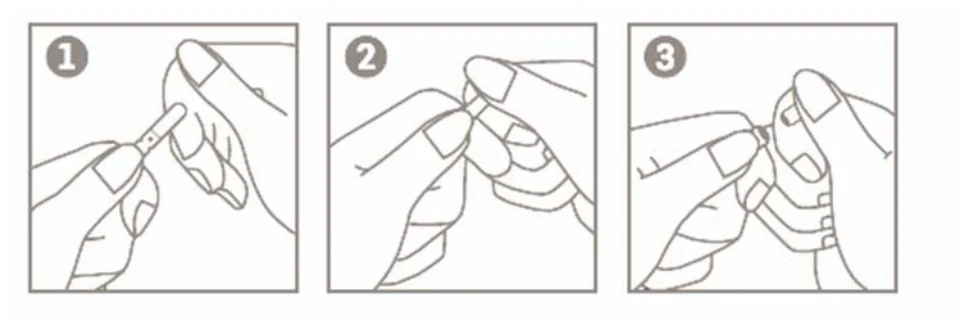
Instructions to open the OPC (One-Point-Cut) ampoules
- 1. Hold the ampoule body between your thumb and index finger, with the point facing upwards;
- 2. Put your other hand index finger supporting the upper part of the ampoule. Put your thumb over the point;
- 3. With your index fingers close to each other, press the point area to open the ampoule.
Any unused medicinal product or waste material should be disposed of in accordance with local requirements.
7 MARKETING AUTHORISATION HOLDER
SVP Pharma Ltd
Unit 1, 39 Mahoney Green, Rackheath,
Norwich
NR13 6JY United Kingdom
8 MARKETING AUTHORISATION NUMBER(S)
PL 56639/0005
9 DATE OF FIRST AUTHORISATION/RENEWAL OF THE
AUTHORISATION
31/10/2024
10 DATE OF REVISION OF THE TEXT
08/07/2026
