

Patient leaflet - Pentasa Mesalazine 1 g enema
1) What Pentasa is and what it is used for
Pentasa Mesalazine Enema comes in the form of a suspension. Each bottle contains mesalazine 1g in100ml of liquid as the active ingredient. Mesalazine belongs to a group of medicines called salicylates.
Pentasa is used to treat inflammation in the gut caused by conditions such as active ulcerative colitis where it is affecting the last part of the colon and rectum (back passage).
The enema releases the active ingredient which then acts locally to reduce the inflammation and help relieve or stop the pain.
2) What you need to know before you use Pentasa
Do Not use Pentasa if you:
- are allergic (hypersensitive) to mesalazine or any of the other ingredients of this medicine (see section 6)
- are allergic to other salicylates e.g. acetylsalicylic acid
- have severe liver and/or kidney problems
Warning and precautions
Talk to your doctor or pharmacist before using these enemas
if you:
- are allergic to sulphasalazine (risk of allergy to salicylates)
- currently have or have previously had liver or kidney disease
- have a medical condition that can make you prone to bleeding
are on medication that may affect kidney function e.g. Nonsteroidal
anti-inflammatory drugs (NSAIDs) such as aspirin
- have lung problems, in particular asthma
- suddenly develop abdominal cramps, abdominal pain, fever, severe headache and rash. In such circumstances you should stop taking Pentasa immediately.
- Kidney stones may develop with use of mesalazine. Symptoms may include pain in sides of abdomen and blood in urine. Take care to drink sufficient amount of liquid during treatment with
mesalazine.
- have ever developed a severe skin rash or skin peeling, blistering and/or mouth sores after using mesalazine.
Mesalazine may produce red-brown urine discoloration after contact with sodium hypochlorite bleach in the toilet water. It concerns a chemical reaction between mesalazine and bleach and is harmless.
Take special care with mesalazine
Serious skin reactions including Drug reaction with eosinophilia and systemic symptoms (DRESS), Stevens-Johnson syndrome (SJS) and toxic epidermal necrolysis (TEN) have been reported in association with mesalazine treatment. Stop using Pentasa and seek medical attention immediately if you notice any of the symptoms related to these serious skin reactions described in section 4
If you experience strong or recurrent headache, disturbed vision, or
ringing or buzzing in the ears contact your doctor immediately.
While you are on treatment with this medicine, your doctor will normally arrange blood and urine tests to check your kidney function especially at the beginning of treatment.
You should make sure that you don’t become dehydrated, while you are using this medicine. This can occur after severe or prolonged attacks of vomiting and/or diarrhoea, high fever or heavy sweating. If this occurs, you should talk to your doctor or a pharmacist for advice as soon as possible.
Other medicines and Pentasa
Tell your doctor or pharmacist if you are taking or have recently taken any other medicines, including medicines, obtained without a prescription. This is especially important if you are taking any of the following:
- azathioprine (used after transplantations or to treat auto-immune diseases)
- 6-mercaptopurine or thioguanine (chemotherapy, used to treat leukaemia)
certain agents that inhibit blood clotting (medicines for thrombosis or to thin your blood, e.g. warfarin)
Pregnancy, breast-feeding and fertility
If you are pregnant or breast-feeding, think you may be pregnant or are planning to have a baby, ask your doctor or pharmacist for advice before using this medicine.
There is limited experience with the use of mesalazine during pregnancy and breast-feeding. Blood disorders have been reported in newborns of mothers being treated with this medicine. The newborn may develop allergic reactions after breast-feeding, e.g. diarrhoea. If the newborn develops diarrhoea, breast-feeding should be discontinued.
Driving and using machines
This medicine is not known to affect the ability to drive and/or use machines.
3) How to use Pentasa
For Adult use only, not recommended in children.
Always use Pentasa exactly as your doctor has told you. You should check with your doctor or pharmacist if you are not sure.
The enema should be used in the back passage (rectum) only. Usually your doctor will ask you to use one enema at bedtime.
How to use the enema
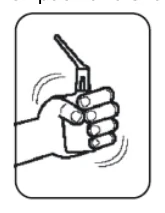
- 1. Immediately before use take the enema bottle out of the aluminium foil pack and shake it well.
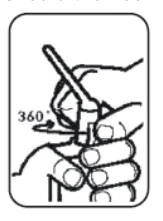
- 2. To break the seal twist the nozzle clockwise one full turn (the nozzle should then be in the same direction as before turning).
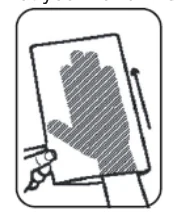
- 3. Put your hand in one of the plastic disposal bags provided in the pack
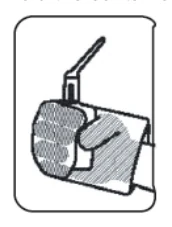
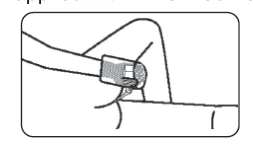
- 4. Hold the container as shown in the picture.
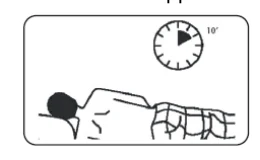
- 5. To administer the enema, lie on your left side with the left leg straight and the right leg bent forward for balance. Carefully insert the applicator tip into the rectum. Maintain sufficient steady hand pressure while dispersing the bottle content. The bottle content should be applied within max. 30-40 seconds.
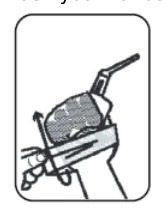
- 6. Once the bottle is empty, withdraw the tip with the bottle still compressed
- 7. The enema should be retained in the bowel. Remain relaxed in the administration position for 5-10 minutes or until the urge to pass the enema has disappeared.
Read all of this leaflet carefully before you start taking this medicine because it contains important information for you.
- Keep this leaflet. You may need to read it again.
- If you have any further questions, ask your doctor or pharmacist.
- This medicine has been prescribed for you. Do not pass it on to others. It may harm them, even if their symptoms are the same as yours.
- If you get any side effects, talk to your doctor or pharmacist. This includes any possible side effects not listed in this leaflet. See section 4.
- Roll the plastic disposal bag over the empty bottle. Discard it and wash your hands.
Please note: Pentasa Mesalazine Enema may cause permanent staining on contact with clothing or fabrics.
If you use more Pentasa than you should
If you accidentally use too much enema, you should go to your nearest emergency department or contact your doctor immediately. Take the carton with you.
If you forget to use Pentasa
If you forget to use a dose, use the next dose in the morning if it is convenient. Otherwise, use one as usual the next night. Do not use a double dose to make up for the forgotten one.
If you have any further questions on the use of this product, ask your doctor or pharmacist.
4) Possible side effects
Like all medicines, Pentasa can cause side effects although not everyone gets them.
Following rectal administration local reactions such as itching, rectal discomfort and urge may occur.
STOP using Pentasa and seek medical attention immediately if you notice any of the following symptoms:
- reddish non-elevated, target-like or circular patches on the trunk, often with central blisters, skin peeling, ulcers of mouth, throat, nose, genitals and eyes, widespread rash, fever and enlarged lymph nodes. These serious skin rashes can be preceded by fever and flu-like symptoms.
- itching, skin rashes, swelling of the face, lips or throat, difficulty in breathing or wheeziness (signs of an allergic reaction).
- unexplained bleeding, bruising, skin rashes, fever or sore throat (signs of blood disorder).
- a change in the colour or amount of urine produced (signs of kidney problems).
If you experience any of the above side effects, you should contact your doctor or go to the nearest hospital emergency department immediately.
The following common side effects may affect up to 1 in 10 people:
- diarrhoea
- abdominal pain
- nausea
- vomiting
- headache
- rash
- flatulence (passing wind)
- rectal discomfort,
- irritation at the site of application
The following rare side effects may affect up to 1 in 1,000 people: inflammation of some areas of the heart (myocarditis and pericarditis) which can cause shortness of breath and chest pain or palpitations (rapid or irregular heart beats)
- inflammation of the pancreas (symptoms include back and/or stomach pain).
- Increased amylase (enzyme that helps digest carbohydrates)
- dizziness
- Increased sensitivity of your skin to sun and ultraviolet light (photosensitivity).
The following very rare side effects may affect up to 1 in 10,000 people:
- anaemia and other blood disorders (decrease in the numbers of certain blood cells, which can cause unexplained bleeding, bruising, fever or sore throat)
- liver disorders (symptoms include jaundice (yellowing of the skin and/or eyes) and/or pale bowel motions)
- kidney disorders (symptoms include blood in the urine, and/or oedema (swelling due to build-up of fluid))
- peripheral neuropathy (a condition affecting the nerves of the hands and feet symptoms include tingling and numbness)
- allergic and fibrotic lung reactions, inflammation of the lining of the lungs or lung scarring (symptoms include coughing, bronchospasm, chest discomfort or pain on breathing, breathing difficulties, bloody and/or excessive phlegm)
- Pancolitis (a kind of inflammatory bowel disorder (IBD) that affects the entire internal lining of the large bowel)
- hair loss (this is reversible)
- muscle or joint pain
- inflammation which can affect different parts of the body such as joints, skin, kidneys, heart etc. (symptoms include painful joints, fatigue, fever, abnormal or unexplained bleeding (e.g. nose bleeds), bruising, purple discoloration of the skin (including severe skin erosions and severe blistering that may affect the skin as the protective barrier of the body))
semen with a low concentration of sperm (oligospermia) (this is reversible)
- severe diarrhoea and abdominal pain because of an allergic reaction to this medicine within the bowel
- allergic reactions and fever may occasionally occur.
Not known (frequency cannot be estimated from the available data)
- kidney stones and associated kidney pain (see also section 2)
- change in urine colour.
- If you experience strong or recurrent headache, disturbed vision, or ringing or buzzing in the ears. These could be symptoms of increased pressure within your skull (idiopathic intracranial hypertension).
Reporting of side effects
If you get any side effects, talk to your doctor or pharmacist. This includes any possible side effects not listed in this leaflet. You can also report side effects directly via the Yellow Card Scheme at: www.mhra.gov.uk/yellowcard or search for MHRA Yellow Card in the Google Play or Apple App Store. By reporting side effects you can help provide more information on the safety of this medicine.
5) How to store Pentasa
- Keep this medicine out of the sight and reach of children.
- Do not store above 25°C.
- Keep the foil packed bottles in the outer carton in order to protect them from light.
- Do not use after the expiry date detailed on the pack
- If the enema suspension become discoloured or show signs of any deterioration, you should seek the advice of your pharmacist who will tell you what to do.
- Medicines should not be disposed of via wastewater or household waste. Ask your pharmacist how to dispose of medicines no longer required. These measures will help to protect the environment.
6) Contents of the pack and other information
What Pentasa contains
Each bottle contains 1g of the active ingredient, mesalazine (also known as 5-aminosalicylic acid or 5-ASA). Each 100ml bottle contains 1g mesalazine. The mesalazine settles out as a separate layer.
Also contains: disodium edetate dihydrate, sodium metabisulphite, sodium acetate trihydrate, purified water and hydrochloric acid concentrated to adjust the acidity of the product to a level which is suitable for administration.
What Pentasa looks like and contents of the pack
Pentasa Mesalazine 1g Enema is a colourless to faint yellow suspension presented in a polyethylene bottle fitted with a tip and valve for rectal application, supplied in nitrogen-filled aluminium-foil bags.
Each pack contains 7 x 100ml individually foil-wrapped enema bottles and 7 polythene bags for disposal of the empty enema bottle after use.
PL 46420/0274 Pentasa Mesalazine 1g Enema POM
Who makes and repackages your medicine?
This product is manufactured by Ferring Portuguesa – Productos Farmaceuticos, Sociedade Unipessoal, LDA. Rua Alexandre Herculano, Edificio 1 – Piso 6, 2795-240 Linda-a-Velha, Portugal. Procured from within the EU and repackaged by the Product Licence holder: Suerte Pharma Ltd, 4/5 Northolt Trading Estate, Belvue Road, Northolt, Middlesex, UB5 5QS.
Leaflet date: 08.01.2026
Pentasa is a registered trade mark of Ferring B.V., The Netherlands.
Blind or Partially Sighted? Is this leaflet hard to see or read? Call 020 8839 3000 to obtain the leaflet in a format suitable for you.