


Patient leaflet - Optiray 300 mg Iodine/ml solution for injection or infusion
1. What Optiray is and what it is used for
Optiray is used for several types of X-ray procedures including:
- imaging of vessels, both arteries and veins (in adults and children)
- kidneys (in adults and children)
- CT scans (in adults)
Optiray is an X-ray contrast medium containing iodine. The iodine blocks the X-rays, allowing vessels and the inner organs supplied with blood to be seen.
2. What you need to know before you use Optiray
Do not use Optiray
- if you are allergic to contrast media substances containing iodine or to any of the other ingredients of this medicine (listed in section 6)
- if you have an overactive thyroid gland
Warnings and precautions
Talk to your doctor before using Optiray if you have
- asthma or previously had allergic reactions such as nausea, vomiting, low blood pressure, skin symptoms
- heart failure, high blood pressure, circulation disorders, or had a stroke, and if you are very elderly
- diabetes
- kidney or liver disease
- brain disorders
- problems with bone marrow, such as certain blood cancers known as paraproteinaemia, multiple myeloma
- certain red blood cell abnormalities, known as sickle cell anaemia
- a tumour of the adrenal gland, which affects your blood pressure, known as phaeochromocytoma
- increased homocysteine amino acid level, due to abnormal metabolism
- recent gall bladder investigation with contrast media
a planned thyroid gland investigation using a substance containing iodine
This should be postponed as Optiray may influence results for up to 16 days. Signs of an allergic reaction to this medicine, including breathing problems and chest pain, have been reported with Optiray. Tell your doctor immediately if you notice any of these signs.
Serious skin reactions including drug reaction with eosinophilia and systemic symptoms (DRESS), Stevens-Johnson syndrome (SJS), toxic epidermal necrolysis (Lyell’s syndrome or TEN) and acute exanthematous pustulosis (AGEP), which can be life-threatening, have been reported with the use of Optiray.
During or shortly after the imaging procedure you may experience a short-term brain disorder called encephalopathy. Tell your doctor straight away if you notice any of the symptoms related to this condition described in section 4.
Children younger than 18 years
Optiray 300 is used for imaging of vessels or kidneys in this age group. With paediatric patients younger than 3 years, including newborns whose mothers have received a iodinated contrast medium during pregnancy, controls of thyroid hormones known as TSH and T4 are recommended. These checks take place 7-10 days and 1 month after administration of Optiray.
Other medicines and Optiray
Tell your doctor or X-ray specialist if you are using, have recently used or might use any other medicines.
The following medicines can influence or be influenced by Optiray
metformin: a medicine to treat diabetes
Your doctor will measure your kidney function before and after Optiray use. Metformin should be stopped before the investigation. It should not be re-started for at least 48 hours after the investi gation and only when your kidney function has returned to its previous level.
- interleukin: medicines to treat certain tumours
certain medicines to increase blood pressure due to narrowing of blood vessels
To prevent any risk of nervous disorders, Optiray should never be used while using these medicines.
general anaesthetics
A higher frequency of side effects has been reported.
diuretics: medicines that increase urine production and lower blood pressure
In case of dehydration caused by the use of diuretics, the use of iodinated contrast media may increase the risk of acute kidney failure.
Optiray with food and drink
Limit your food intake prior to the examination. Please, ask your doctor for advice. If you have kidney disease, do not limit your liquid intake as this may further reduce kidney function.
Pregnancy and breast-feeding
Pregnancy
Tell your doctor if you are pregnant or think you could be. Your doctor will only administer Optiray during pregnancy if it is absolutely necessary, as it could harm the unborn child.
Breast-feeding
Discontinue breast-feeding for one day after the injection, as insufficient information exists concerning safety. Discuss this with your doctor or X-ray specialist. Driving and using machines
Driving or operating machines is not advisable for up to 1 hour after injection. In addition, symptoms such as dizziness, drowsiness, fatigue and visual disturbances have been reported. If this affects you, do not attempt any activities which require concentration and the ability to react appropriately.
Optiray contains sodium
This medicine contains less than 1 mmol sodium (23 mg) per 100 ml, that is to say essentially “sodium-free”.
3. How to use Optiray
Optiray investigations will only be performed by a doctor or X-ray specialist, who will also decide the dose.
Optiray is injected into a blood vessel and distributed throughout the body by the blood stream. It will be warmed to body temperature before use, then injected once or more during the X-ray procedure.
The dose depends on the specific procedure you are having and other factors such as your health and age.
The lowest dose possible will be used to produce adequate X-ray images.
If more Optiray is given than it should
Overdoses are potentially dangerous and may affect the breathing, heart and circulation system. Inform your doctor or X-ray specialist immediately if you notice any of these symptoms after receiving Optiray.
If you have any further questions on the use of this medicine, ask your doctor or X-ray specialist.
4. Possible side effects
Like all medicines, this medicine can cause side effects, although not everybody gets them. Side effects associated with Optiray are generally independent of the dose given. In the majority of cases they are mild or moderate and very rarely serious or life-threatening. Contact a doctor immediately if you develop any of the following signs of serious side effects:
- heart or breathing arrest
- heart vessel spasms or blood clots
- stroke, blue lips, fainting
- loss of memory
- speech disorders
- sudden movements
- temporary blindness
- acute kidney failure
- skin rash, redness or blisters, which may develop into life-threatening skin reactions including extensive peeling of the skin (toxic epidermal necrolysis), or a drug reaction that causes rash, fever, inflammation of internal organs, hematologic abnormalities and systemic illness (DRESS)
signs of allergic reactions, such as
- allergic shock
- tightened airways
- swelling of the voice box, throat, tongue
- breathing difficulties
- cough, sneezing
- reddening and/or swelling of the face and eyes
- itching, rash and hives
Side effects can occur with the following frequencies: very common, occurs in more than 1 of 10 users
- feeling hot
common, occurs in 1 to 10 per 100 users
- pain
- nausea
uncommon, occurs in 1 to 10 per 1,000 users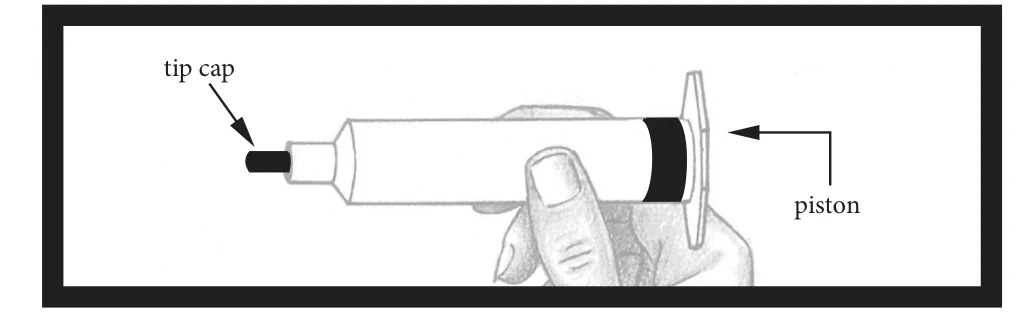
- hives
- skin redness, itching
- dizziness
- headache
- taste disturbance
- abnormal sensation, such as pricking, tingling
- vomiting
- sneezing
- high blood pressure
rare, occurs in 1 to 10 per 10,000 users
- fainting
- vertigo
- blurred vision
- racing pulse
- low blood pressure
- flushing
- larynx spasms
- swelling and narrowing of airways, including throat tightness, wheezing
- difficult breathing
- inflammation inside the nose which causes sneezing and blocked nose
- cough, throat irritation
- dry mouth
- rash
- urgent urination
- swelling of the face including eyes
- chills
- uncontrollable shaking
- feeling cold
very rare, occurs in fewer than 1 per 10,000 users
- severe allergic reaction
- confusion, anxiety, restlessness
- loss of consciousness, numbness
- paralysis
- drowsiness
- stupor
- speech disorders
- language disorders
- reduced sense of touch or sensation
- allergic eye inflammation causing red, watery and itchy eyes
- ringing or buzzing in the ears
- irregular heartbeats, slow pulse
- chest pain
- heart activity changes measured using ECG
- disease which disturbs blood flow through the brain
- high blood pressure
- vein inflammation, blood vessel dilation
- fluid accumulation in the lung
- sore throat
- low oxygen in the blood
- abdominal pain
- salivary gland inflammation, swelling of the tongue
- difficulty in swallowing, increased salivation
- mostly painful severe swelling of deep skin layers, mainly in the face
- increased sweating
- muscle spasms
- acute kidney failure or abnormal kidney function
- urinary incontinence, blood in urine, low urination
- tissue swelling caused by excess fluid
injection site reactions including pain, reddening, bleeding or
degeneration of cells
- feeling unwell or abnormal, tiredness, sluggishness
not known: frequency cannot be estimated from the available data
- severe allergic shock reaction
- temporarily underactive thyroid
- fits
short term brain disorders (encephalopathy) which can cause
confusion, hallucination, visual disturbance, blindness, seizures loss of coordination, loss of movement in one side of the body, problems with speech and loss of consciousness
- movement disorder
- loss of memory
- temporary blindness
- heart arrest, life-threatening irregular heartbeat
- extra heartbeat
- heart artery cramps, pounding of the heart
- blue skin colouration due to low oxygen in the blood
- shock
- blood clot or spasm in a blood vessel

- paleness
- breathing arrest, asthma, tightened airways
- reduced ability to produce voice sounds using the vocal organs
- diarrhoea
severe reaction affecting the skin, blood and internal organs (drug
reaction with eosinophilia and systemic symptoms also known as DRESS or drug hypersensitivity syndrome)
red, scaly widespread rash with bumps under the skin and blisters
accompanied by fever at the initiation of treatment (Acute Generalized Exanthematous Pustulosis)
- red pimples (macular or papular eruptions)
life-threatening reaction with flu-like symptoms and painful rash /
blistering affecting the skin, mouth, eyes and genitals (Steven-Johnson Syndrome / Toxic Epidermal Necrolysis)
- absent or painful/difficult urination
- underactive thyroid in newborns
- fever
Reporting of side effects
If you get any side effects, talk to your doctor or X-ray specialist. This includes any side effects not listed in this leaflet.
You can also report side effects directly via Yellow Card Scheme, Website: www.mhra.gov.uk/yellowcard or search for MHRA Yellow Card in the Google Play or Apple App Store. By reporting side effects you can help provide more information on the safety of this medicine.
5. How to store Optiray
Keep this medicine out of sight and reach of children.
Do not use this medicine after the expiry date which is stated on the label. The expiry date refers to the last day of that month.
Keep the container in the outer carton in order to protect from light. Protect from X-rays. Do not store above 30°C. Optiray 300 can be stored for one month at 37°C in a contrast media warmer with circulating air.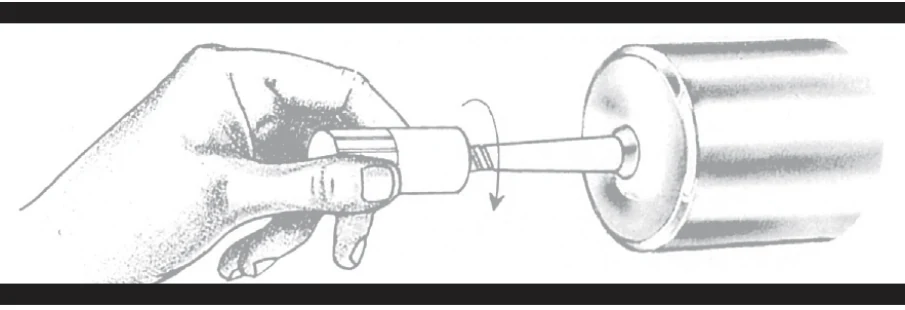 Do not use this medicine if you notice discolouration or particulate matter.
6. Contents of the pack and other information
What Optiray contains
The active substance is Ioversol.
One millilitre of Optiray contains 636 mg Ioversol, which is equal to 300 mg of organically bound iodine.
The other ingredients are sodium calcium edetate (stabiliser), trometamol
and trometamol hydrochloride (buffer), and water for injections. Sodium hydroxide and hydrochloric acid may be used for adjustment pH of 6.0 to 7.4.
What Optiray looks like and contents of the pack
Optiray is packaged in uncoloured bottles. Bottles are fitted with either 20 mm or 32 mm bromobutyl rubber closures and aluminium cap seals. 10, 75, 150 ml (box of 1 and 10)
20, 50 ml (box of 1, 10 and 25)
100 ml (box of 1, 10 and 12)
Optiray is also supplied in prefilled hand held syringes and power injector syringes made of polypropylene. Syringe tip cap and piston are made of natural rubber. Prefilled hand-held syringes:
30 ml (box of 1 and 10)
50 ml (box of 1, 10 and 20)
Power injector syringes:
50, 75, 100, 125 ml (box of 1, 10 and 20)
Not all pack sizes and box sizes may be marketed in all countries.
Marketing Authorisation Holder and Manufacturer
Marketing Authorisation Holder
Guerbet, BP 57400, 95943 Roissy CdG Cedex, France
Manufacturer
Guerbet, BP 57400, 95943 Roissy CdG Cedex, France located at 16-24 rue Jean Chaptal, 93600 Aulnay sous Bois, France
This leaflet was last revised in May 2026.
mild adverse reactions may be the first indication of a serious, generalized reaction that can occur rarely after iodinated contrast media. Such serious reactions may be life-threatening and fatal, and usually affect the cardiovascular system. Most adverse drug reactions to Optiray formulations occur within minutes after administration, however contrast related hypersensitivity reactions may occur with a delay of some hours up to several days.
b. Tabulated summary of adverse reactions
From clinical studies, mild discomfort, including sensation of heat or cold, pain during the injection, and/or transient taste perversion, was noted in 10% to 50% of patients. In a large post-marketing study, other side effects occurred in a total of 1.1% of the patients; the most frequent were nausea (0.4%), skin reactions such as urticaria or erythema (0.3%), and vomiting (0.1%). All other events occurred in less than 0.1% of the patients. The following adverse reactions have been collected after Optiray administration from clinical trials and post-market experience, including post-market surveys.
Infections and infestations:
Rare rhinitis
Immune system disorders:
Very rare anaphylactoid (hypersensitivity) reaction
Not known anaphylactic shock
Endocrine disorders:
Not known hypothyroidism*
Psychiatric disorders:
Very rare confusional state; agitation; anxiety
Nervous system disorders:
Uncommon dizziness; dysgeusia; headache; paraesthesia Rare syncope; tremor
Very rare loss of consciousness; paralysis; speech disorders; somnolence;
stupor; aphasia; dysphasia; hypoaesthesia
Not known seizure; contrast-induced encephalopathy; amnesia;
dyskinesia
Eye disorders:
Rare vision blurred; eye swelling; periorbital oedema Very rare conjunctivitis allergic (including eye irritation, ocular
hyperaemia, lacrimation increased, conjunctival oedema) Not known blindness transient
Ear and labyrinth disorders:
Rare vertigo
Very rare tinnitus
Cardiac disorders:
Rare tachycardia
Very rare heart block; arrhythmia; angina pectoris; bradycardia; atrial
fibrillation; electrocardiogram abnormal
Not known cardiac arrest; ventricular fibrillation; arteriospasm; coronary
extrasystoles; palpitations; Kounis syndrome
Vascular disorders:
Uncommon blood pressure increased
Rare hypotension; flushing
Very rare cerebrovascular disorder; phlebitis; hypertension; vasodilation Not known shock; thrombosis; vasospasm; cyanosis; pallor
Respiratory, thoracic and mediastinal disorders:
Uncommon sneezing
Rare laryngeal oedema; laryngo spasm; dyspnoea; laryngeal
obstruction (incl. throat tightness, stridor); nasal congestion; cough; throat irritation
Very rare pulmonary oedema; pharyngitis; hypoxia
Not known respiratory arrest; asthma; bronchospasm; dysphonia
Gastrointestinal disorders:
Common nausea
Uncommon vomiting
Rare dry mouth
Very rare sialoadenitis; abdominal pain; tongue oedema; dysphagia;
salivary hypersecretion
Not known diarrhoea
Skin and subcutaneous tissue disorders:
Uncommon urticaria; erythema; pruritus
Rare rash
Very rare angioedema; hyperhidrosis (incl. cold sweat) Not known Drug Reaction with Eosinophilia and Systemic Symptoms
(DRESS syndrome); Acute Generalized Exanthematous Pustulosis (AGEP); Erythema Multiforme (EM), Stevens Johnson Syndrome (SJS) / Toxic Epidermal Necrolysis (TEN)
Musculoskeletal, connective tissue and bone disorders:
Very rare muscle spasms
Renal and urinary disorders:
Rare micturition urgency
Very rare acute kidney injury; abnormal renal function; incontinence;
haematuria; creatinine renal clearance decreased; blood urea increased
Not known anuria; dysuria
Congenital, familial and genetic disorders:
Not known congenital hypothyroidism
General disorders and administration site conditions:
Very common feeling hot
Common pain
Rare face oedema; pharyngeal oedema; feeling cold; tremor; chills Very rare chest pain; injection site reactions (incl. pain, erythema, and
haemorrhage up to necrosis especially after extravasation); malaise; asthenia; fatigue; feeling abnormal, oedema, sluggishness
Not known pyrexia
c. Description of selected adverse reactions
Adverse reactions may be classified as follows:
a. Hypersensitivity or anaphylactoid reactions are mostly mild to moderate
with symptoms like rash, pruritus, urticaria and rhinitis. However, serious reactions may occur. Serious anaphylactic reactions generally affect the cardiovascular and respiratory system. These may be life-threatening and include anaphylactic shock, cardiac and respiratory arrest, laryngospasm, angioedema (such as laryngeal oedema), laryngeal obstruction (incl. throat tightness, stridor), or pulmonary oedema. Fatal cases were reported.
Patients with a history of allergic reactions are at increased risk of developing a hypersensitivity reaction. Other type 1 (immediate) reactions include symptoms like nausea and vomiting, skin rashes, dyspnoea, eye swelling, periorbital oedema, conjunctivitis allergic, rhinitis, sneezing, nasal congestion, cough, throat irritation, paraesthesia or hypotension.
b. Vasovagal reactions e.g. dizziness or syncope which may be caused either by the contrast medium, or by the procedure.
c. Cardiologic side effects during cardiac catheterisation e.g. angina pectoris, ECG changes, cardiac arrhythmias, conductivity disorders, as well as coronary spasm and thrombosis. Such reactions are very rare and may be caused by the contrast medium or by the procedure. d. Nephrotoxic reactions in patients with pre-existing renal damage or renal vasopathy, e.g. decrease in renal function with creatinine elevation. These adverse effects are transient in the majority of cases. In single cases, acute renal failure has been observed.
e. Neurotoxic reactions after intra-arterial injection of the contrast medium e.g. visual disorders, disorientation, paralysis, convulsions, or fits. These symptoms are generally transient and abate spontaneously within several hours or days. Patients with pre-existing damage of the blood-brain barrier are at increased risk of developing neurotoxic reactions. f. Local reactions at the injection site may occur in very rare cases and include rashes, swelling, inflammation and oedema. Such reactions occur probably in most cases due to extravasation of the contrast agent. Extended paravasation may necessitate surgical treatment. g. Extravasation can cause serious tissue reactions including blistering and skin exfoliation, the extent of which is dependent on the amount and strength of the contrast solution in the tissues.
d. Paediatric population
Frequency, type and severity of adverse reactions in children are expected to be the same as in adults.
*Thyroid dysfunction was observed in paediatric patients 0 to 3 years of age following the administration of iodinated radiopaque agents.
e. Reporting of suspected adverse reactions
Reporting suspected adverse reactions after authorisation of the medicinal product is important. It allows continued monitoring of the benefit/risk balance of the medicinal product. Healthcare professionals are asked to report any suspected adverse reactions via Yellow Card Scheme, Website: www.mhra.gov.uk/yellowcard or search for MHRA Yellow Card in the Google Play or Apple App Store.
4.9 Overdose
As with all iodinated X-ray contrast media, overdoses of Optiray are potentially fatal and may affect the respiratory and cardiovascular system. Treatment should be symptomatic. Dialysis can be used to remove Optiray from the blood.
5 PHARMACOLOGICAL PROPERTIES
5.1 Pharmacodynamic properties
Pharmacotherapeutic group: Water soluble, nephrotropic, low osmolar X-ray contrast media
ATC code: V08AB07
Optiray 300 is a non-ionic X-ray contrast medium. Intravascular injection of Optiray opacifies those vessels in the path of the flow of the contrast medium, permitting radiographic visualisation of the internal structures until significant haemodilution occurs.
5.2 Pharmacokinetic properties
The pharmacokinetic profile of Optiray, together with its hydrophilic properties and a very low level of binding to serum and plasma proteins, indicate that Optiray is distributed within the extracellular fluid space and eliminated quickly through the kidneys by glomerular filtration. The mean (± se) half-lives after doses of 50 ml and 150 ml were 113 ± 8.4 and 104 ± 15 minutes respectively. Elimination via the faeces is negligible. No significant metabolism, deiodination, or biotransformation of Optiray has been observed.
5.3 Preclinical safety data
There were no findings in the preclinical testing of Optiray which could be of relevance for the prescriber in recognising the safety of this product used for the authorised indications, and which are not already included in other sections of the SmPC.
6 PHARMACEUTICAL PARTICULARS
6.1 List of excipients
Trometamol, trometamol hydrochloride,
sodium hydroxide and/or hydrochloric acid (for pH: 6.0 to 7.4), sodium calcium edetate,
water for injections.
6.2 Incompatibilities
No other medicinal product should be mixed with Optiray.
6.3 Shelf life
3 years.
After use, discard the remaining solution.
6.4 Special precautions for storage
Keep the container in the outer carton in order to protect from light. Protect from X-rays. Do not store above 30°C. Optiray can be stored for one month at 37°C in a contrast medium warmer with circulating air. Discard the solution in case of discolouration or particulate matter.
6.5 Nature and contents of container
Optiray 300 is packaged in uncoloured bottles composed of type I glass (Ph. Eur.).
Bottles are fitted with either 20 mm or 32 mm bromobutyl rubber closures and aluminium cap seals.
10, 75, 150 ml (box of 1 and 10)
20, 50 ml (box of 1, 10 and 25)
100 ml (box of 1, 10 and 12)
Optiray 300 is also supplied in prefilled hand-held syringes and power injector syringes made of polypropylene. Syringe tip cap and piston are made of natural rubber.
Prefilled hand-held syringes:
30 ml (box of 1 and 10)
50 ml (box of 1, 10 and 20)
Power injector syringes:
50, 75, 100, 125 ml (box of 1, 10 and 20)
Not all pack sizes and box sizes may be marketed.
6.6 Special precautions for disposal
Hand-held syringes and power injector syringes:
The medicinal product and fluid pathway are sterile; the outside of the syringe is not sterile.
Instructions for assembly and inspection are stated on the leaflet.
7 MARKETING AUTHORISATION HOLDER
Guerbet, BP 57400, 95943 Roissy CdG Cedex, France
8 MARKETING AUTHORISATION NUMBER(S)
PL 12308/0028
9 DATE OF FIRST AUTHORISATION/RENEWAL OF THE AUTHORISATION
03/03/2006
10 DATE OF REVISION OF THE TEXT
04/05/2026
Optiray Prefilled Syringe Hand-Held
Assembly and Inspection:
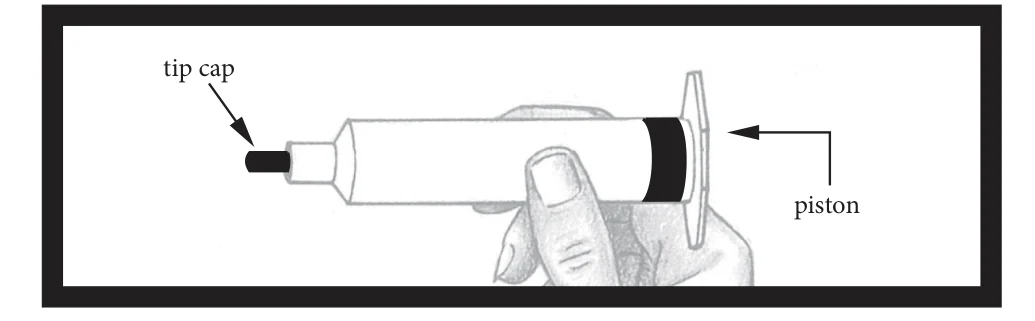
Note: Exterior of syringe is not sterile. Contents of syringe and area under blue tip cap and piston ribs are sterile and should be treated accordingly.
Remove syringe from support and inspect the area around the tip cap and outside of piston for signs of leakage. Do not use if leakage is observed.
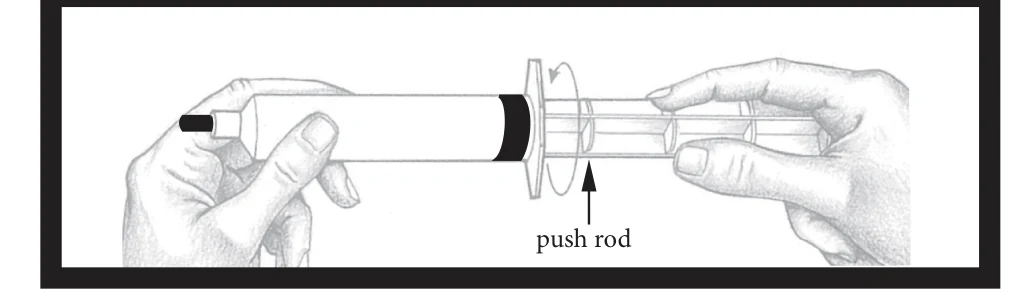
After screwing the push rod into the syringe piston, it is important to turn the push rod an additional 1/2 turn so that the blue piston rotates freely.
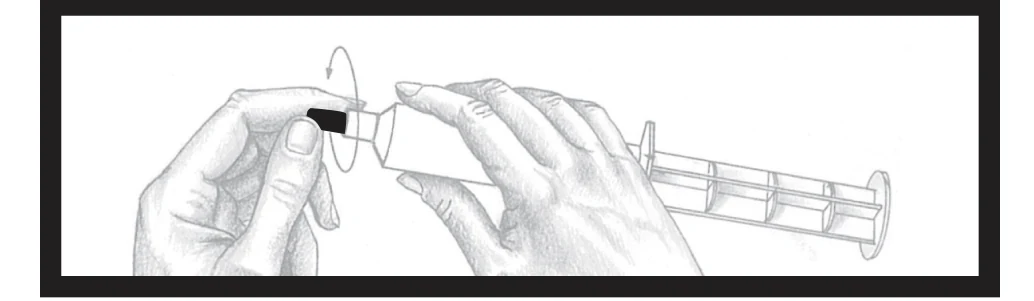
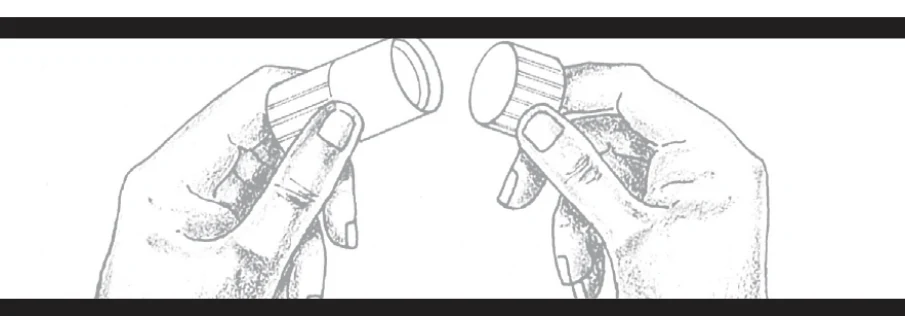
Prior to using the syringe, twist off blue tip cap and discard. The area under the tip cap is sterile, caution should now be used when handling. Syringe is now ready for needle or infusion tubing attachment.
Discard syringe and unused portion of medium after use.
Optiray Prefilled Syringe Power Injector
Assembly and Inspection:
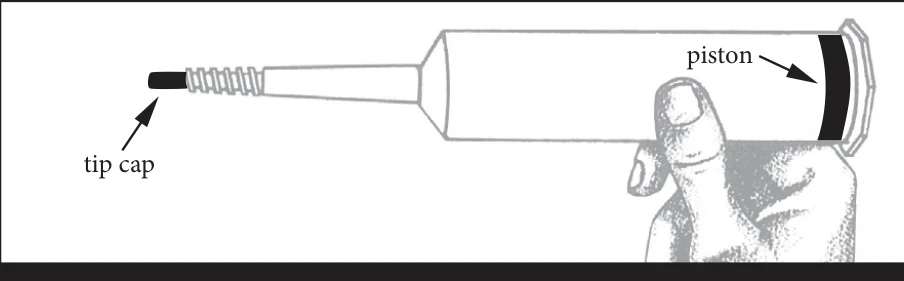
Note: Exterior of syringe is not sterile. Contents of syringe and area under blue tip cap and piston ribs are sterile and should be treated accordingly.
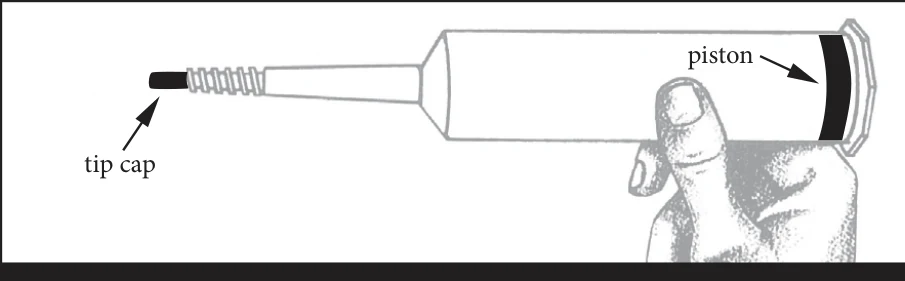
Remove syringe from support and inspect the area around the tip cap and outside of piston for signs of leakage. Do not use if leakage is observed. Load syringe into pressure jacket.
To remove blue tip cap from syringe, push in and twist off, then discard. The area under the cap is sterile. Caution should now be used when handling.
Next remove cap from luer locknut dust cover by twisting to break tamper evident seal. Discard cap.
Attach luer locknut to syringe by holding dust cover and screwing to the stop. Remove and discard dust cover when ready to attach sterile connector tubing.
Discard syringe and unused portion of medium after use.
tip cap piston push rod tip cap
piston
| Product: | Project: | Item Part: | Rev.date: | Country: | ||||||||||||||||||||||||
| Volume: | Package: | Exe: | ||||||||||||||||||||||||||
| Graphic Designer: | ||||||||||||||||||||||||||||
| Print Process: | Vendor: | Guerbet Spec.: | Contact: | |||||||||||||||||||||||||
| Barcode: | Software: | January 20, 2025 | ||||||||||||||||||||||||||
| Font(s): | File name: | Manufacturing site: | ||||||||||||||||||||||||||
| Additionnal information: | ||||||||||||||||||||||||||||
| Markups: | ||||||||||||||||||||||||||||
15 rue des Vanesses 93420 Villepinte, FRANCE
| Optiray 300 | AUL260039 | XXXXXX | 05/2026 | United Kingdom (UK) | ||||||||||||||||||||||||
| TV | Leaflet | Format: | 570 x 594 mm | |||||||||||||||||||||||||
| MV1 | ||||||||||||||||||||||||||||
| Offset | CCL Marburg | SP0085-V1 | ||||||||||||||||||||||||||
| Code 128 | Adobe InDesign | April 13, 2026 | ||||||||||||||||||||||||||
| Minion Pro > 11 pt | Aulnay | |||||||||||||||||||||||||||
| Folded size : 38mm x 198mm | ||||||||||||||||||||||||||||
| MOCKUP1 | ||||||||||||||||||||||||||||
CoE PACKAGING - VILLEPINTE
| JOB INFORMATION | ||||||||||||||||||||||||||||
| PACKAGING INFORMATION | ||||||||||||||||||||||||||||
| OPERATOR | ||||||||||||||||||||||||||||
Signature Graphic Designer: | ||||||||||||||||||||||||||||
SUMMARY OF PRODUCT CHARACTERISTICS
1 NAME OF THE MEDICINAL PRODUCT
Optiray® 300 mg I/ml, solution for injection or infusion
2 QUALITATIVE AND QUANTITATIVE COMPOSITION
1 ml solution contains 636 mg ioversol equivalent to 300 mg iodine.
Osmolality: 645 mosmol/kg
Viscosity: 8.2 mPa • s (at 25°C)
Viscosity: 5.5 mPa • s (at 37°C)
Contains Iodine per ml: 300 mg
For the full list of excipients, see section 6.1.
3 PHARMACEUTICAL FORM
Solution for injection or infusion. Clear, colourless to faint yellow solution.
4 CLINICAL PARTICULARS
4.1 Therapeutic indications
This medicinal product is for diagnostic use only.
Optiray 300 is a non-ionic X-ray contrast medium that is indicated in adults for use in cerebral, peripheral and visceral angiography including intraarterial and intravenous digital subtraction angiography (IA-DSA and IV-DSA), venography, intravenous urography, and in computed tomography (CT) of the head and body. Optiray 300 may also be used in children for cerebral, peripheral and visceral angiography and for intravenous urography.
4.2 Posology and method of administration
Adults: Recommended dosage schedule
Procedure Dosage Maximum Total Dose Cerebral angiography
- Carotid or vertebral artery 2-12 ml 200 ml - Aortic arch 20-50 ml 200 ml Peripheral angiography 10-90 ml 250 ml Venography 50-100 ml 250 ml Visceral angiography 12-60 ml 250 ml Urography 50-75 ml 150 ml Head CT 50-150 ml 150 ml Body CT 25-150 ml 150 ml IA-DSA 5-80 ml 250 ml IV-DSA 30-50 ml 250 ml
Elderly: Dosage as for adults. Where poor demonstration is to be expected, the dosage can be
increased to the maximum.
Paediatric population: Recommended dosage schedule
Procedure Dosage Maximum Total Dose Cerebral angiography 1-3 ml/kg 100 ml Peripheral angiography 1-3 ml/kg 100 ml Visceral angiography 1-3 ml/kg 100 ml Intravenous urography 2 ml/kg (> 1 year of age) 100 ml
3 ml/kg (< 1 year of age)
Safety and efficacy of Optiray 300 in children in any other indication have not yet been established. It is recommended that intravascularly administered iodinated contrast agents are warmed up to body temperature prior to injection. As with all radiopaque contrast agents, the lowest dose necessary to obtain adequate visualisation should be used.
Appropriate resuscitation equipment should be available.
4.3 Contraindications
Hypersensitivity to iodine-containing contrast media, the active substance, or to any of the excipients listed in section 6.1. Manifest hyperthyroidism.
4.4 Special warnings and precautions for use
General comments
Serious or fatal reactions have been associated with the administration of iodinated X-ray contrast media. It is of utmost importance to be completely prepared to treat any contrast medium reaction. Diagnostic procedures should be performed under the direction of personnel skilled and experienced in the particular procedure to be performed.
A fully equipped emergency cart, or equivalent supplies and equipment, and personnel competent in recognising and treating adverse reactions of all types should always be available. Since severe delayed reactions have been known to occur, the patient should be observed and emergency facilities and competent personnel should be available for at least 30 to 60 minutes after administration. Hypersensitivity
The patient should also be informed that allergic reactions may develop up to several days post administration; in such case, a physician should be consulted immediately.
The occurrence of severe idiosyncratic reactions has prompted the use of several pre-testing methods. However, pre-testing cannot be relied upon to predict severe reactions and may itself be hazardous to the patient. It is suggested that a thorough medical history with emphasis on allergy and hypersensitivity, prior to the injection of any contrast medium, may be more accurate than pre-testing in predicting potential adverse reactions.
A positive history of allergies does not arbitrarily contraindicate the use of a contrast agent when a diagnostic procedure is thought essential, but caution should be exercised (see section 4.3). Appropriate resuscitation measures should be immediately available.
Pre-medication with antihistamines and corticosteroids to avoid or minimise allergic reactions should be considered. Reports indicate that such pre-treatment does not prevent serious life-threatening reactions, but may reduce both their incidence and severity.
Intolerance to ioversol
Ioversol may cause anaphylaxis or other manifestations of pseudo-allergic intolerance reactions, e.g. nausea, vomiting, dyspnoea, erythema, urticaria and hypotension. A higher incidence of such reactions has been observed in patients with a history of previous intolerance reactions to other contrast media, or any history of asthma, allergy or hypersensitivity. In such patients, the benefit should clearly outweigh the risks (see section 4.3).
Severe cutaneous adverse reactions (SCAR)
SCAR may develop from 1 hour to several weeks after intravascular contrast agent administration. These reactions include Stevens-Johnson syndrome and toxic epidermal necrolysis (SJS/TEN), acute generalized exanthematous pustulosis (AGEP), and drug reaction with eosinophilia and systemic symptoms (DRESS). Reaction severity may increase and time to onset may decrease with repeat administration of a contrast agent; prophylactic medications may not prevent or mitigate severe cutaneous adverse reactions. Avoid administering ioversol to patients with a history of a severe cutaneous adverse reaction to ioversol.
Coagulation disorders
The anticoagulant effect of non-ionic X-ray contrast media has been shown, in vitro, to be less than that of conventional ionic agents at comparable concentrations. Similar results were found in some in vivo studies. For this reason, meticulous angiographic techniques are recommended, e.g. frequent flushing of standard angiographic catheters and avoiding prolonged contact of blood with the contrast agent in syringes and catheters.
Thyroid disorders
Reports of thyroid storm following the intravascular use of iodinated radiopaque agents in patients with hyperthyroidism or with an autonomously functioning thyroid nodule suggest that the additional risk be evaluated in such patients before use of any contrast medium (see section 4.3). Cardiovascular disorders
In angiographic procedures, the possibility of dislodging plaque or damaging or perforating the vessel wall should be considered during catheter manipulation and contrast medium injection. Test injections to ensure proper catheter placement are recommended.
Angiography should be avoided whenever possible in patients with homocystinuria due to an increased risk of thrombosis and embolism.
Patients with congestive heart failure should be observed for several hours following the procedure to detect delayed haemodynamic disturbances, which may be associated with a transitory increase in the circulating osmotic load.
Cases of Kounis syndrome have been reported in patients treated with ioversol. Kounis syndrome has been defined as cardiovascular symptoms secondary to an allergic or hypersensitive reaction associated with constriction of coronary arteries and potentially leading to myocardial infarction. Thromboembolic disorders
In patients with advanced atherosclerosis, serious hypertension, cardiac decompensation, senility, preceding cerebral thrombosis or embolism, special caution should be exercised. Cardiovascular reactions as bradycardia, rising or falling of blood pressure may occur more often. Central nervous system disorders
Serious neurologic events have been observed following direct injection into cerebral arteries or vessels supplying the spinal cord or in angiocardiography, due to inadvertent filling of the carotids. A cause-effect relationship to the contrast medium has not been established, since the patient’s pre-existing condition and procedural techniques are causative factors in themselves. Encephalopathy has been reported with the use of ioversol (see section 4.8). Contrast-induced encephalopathy may manifest with symptoms and signs of neurological dysfunction such as headache, visual disturbance, cortical blindness, confusion, seizures, loss of coordination, hemiparesis, aphasia, unconsciousness, coma, and cerebral oedema. Symptoms usually occur within minutes to hours after administration of ioversol and generally resolve within days.
Factors which increase blood-brain barrier permeability facilitate the passage of the contrast medium into cerebral tissue, which can lead to central nervous system reactions, e.g. encephalopathy. If contrast encephalopathy is suspected, appropriate medical management should be initiated, and administration of ioversol must not be repeated.
Renal insufficiency
Combinations with nephrotoxic medicines should be avoided. If this cannot be avoided, laboratory monitoring of renal function must be intensified. Caution must be exercised in patients with severely impaired renal function, combined renal and hepatic disease, diabetes mellitus, homozygous sickle cell disease, multiple myeloma or other paraproteinaemia, anuria, particularly when large doses are administered. Serious renal effects, including acute renal failure, may occur in these patients. Although neither the contrast agent nor dehydration has been proved separately to be the cause of renal failure, it has been speculated that the combination of both may be causative. The risk in patients with impaired renal function is not a contraindication to the procedure: however, special precautions, including maintenance of normal hydration and close monitoring, are required. An effective hydration prior to the administration of ioversol is essential and may decrease the risk of renal injury. Preparatory dehydration is dangerous and may contribute to acute renal failure. Phaeochromocytoma
Administration of ioversol to patients known or suspected of having phaeochromocytoma should be performed with caution. If, in the opinion of the physician, the possible benefits of such procedures outweigh the considered risks, the procedure may be performed; however, the amount of ioversol injected should be kept to an absolute minimum. Premedication with α- and ß-blockers is advisable when the contrast medium is administered intravascularly due to the risk of a hypertensive crisis. The blood pressure should be assessed throughout the procedure, and measures for treatment of a hypertensive crisis should be available.
Homozygous sickle cell disease
In patients with homozygous sickle cell disease, hyperosmolar agents such as ioversol may affect sickling of erythrocytes. Hence, there is a need for careful consideration before the intra-arterial administration of such agents to patients with homozygous sickle cell disease. Extravasation
Ioversol should be injected with caution to avoid perivascular application. This is especially important in patients with severe arterial or venous disease. However, significant extravasation of ioversol may occur especially during the use of power injectors. Generally, it is tolerated without substantial tissue injury applying conservative treatment. However, serious tissue damage (e.g. ulceration) has been reported in isolated cases requiring surgical treatment.
Anaesthetised patient
General anaesthesia may be indicated in the performance of some procedures in selected patients; however, a higher incidence of adverse reactions has been reported in these patients, and may be attributable to the inability of the patient to identify untoward symptoms or to the hypotensive effect of anaesthesia.
Venography
In patients with suspected phlebitis, serious ischaemia, local infections or a complete occlusion of the venous system special caution should be exercised.
Peripheral angiography
There should be pulsation in the artery, into which the X-ray contrast medium will be injected. In patients with thromboangiitis obliterans or ascending infections in combination with serious ischaemia the angiography should be performed, if at all, with special caution. Paediatric population
Hypothyroidism or transient thyroid suppression may be observed after exposure to iodinated contrast media.
This adverse reaction should also be observed in newborns whose mothers have received an iodinated contrast medium during pregnancy (see section 4.6).
The incidence of hypothyroidism in patients younger than 3 years of age exposed to iodinated contrast media ranges between 1% and 15% depending on the age of the subjects and the dose of the iodinated contrast agent.
Younger age, very low birth weight, prematurity, and the presence of other conditions, such as, admission to neonatal or paediatric intensive care units, and cardiac conditions are associated with an increased risk.
Paediatric patients with cardiac conditions may be at the greatest risk given that they often require high doses of contrast during invasive cardiac procedures, such as catheterization, and computed tomography (CT).
Special attention should be paid to paediatric patients below 3 years of age because an incident underactive thyroid during early life may be harmful for motor, hearing, and cognitive development and may require transient thyroxin (T4) replacement therapy.
Thyroid function should be evaluated in all paediatric patients younger than 3 years of age within 3 weeks following exposure to iodinated contrast media.
In neonates and particularly in premature neonates, it is recommended to control TSH level and T4, 7-10 days and 1 month after the administration of iodinated contrast media. If hypothyroidism is detected, thyroid function should be monitored as appropriate even when replacement treatment is given.
Interference with laboratory tests
Ioversol may reduce the capacity of the uptake of iodine by the thyroid gland. For this reason the results of PBI (protein-bound iodine) and radioactive iodine uptake studies, which depend on iodine estimation, will not accurately reflect thyroid function for up to 16 days following administration of iodinated X-ray contrast media. However, thyroid function tests not depending on iodine estimations, e.g. T3 resin uptake and total or free thyroxine (T4) assays are not affected.
4.5 Interaction with other medicinal products and other forms of interaction
The following interactions have been reported after the administration of other iodinated contrast media. They are generally accepted as being attributable to this class of contrast media. No interaction studies have been performed.
Metformin
Acute renal failure has been associated with lactic acidosis in patients receiving metformin at the time of an X-ray examination involving parenteral administration of iodinated contrast media. Therefore, in diabetic patients taking metformin, the examination should be performed and intake of metformin stopped before the examination. The use of metformin should not be resumed for 48 hours, and should only be restarted if renal function/serum creatinine remains within the normal range or has returned to baseline.
Interleukin
The literature reports that patients who had been treated with Interleukin may develop a higher rate of adverse reactions as described in section 4.8. The reason has not yet been clarified. According to the literature an increased or delayed occurrence of these reactions within a period of 2 weeks was observed after administration of Interleukin.
Diuretics
In case of diuretic-induced dehydration, patients are at increased risk of acute renal failure when using iodinated contrast media. Close monitoring is required to ensure adequate hydration before administration of ioversol. The lowest necessary dose of ioversol consistent with a diagnostic result should be used.
Vasopressors
The arterial injection of an X-ray contrast medium should never be made following the administration of vasopressors, since they strongly potentiate neurologic effects. Oral cholecystographic agents
Renal toxicity has been reported in single patients with liver dysfunction, who were given oral
cholecystographic agents followed by intravascular contrast agents. Administration of any intravascular X-ray contrast agent should therefore be postponed in patients who have recently received a cholecystographic contrast agent.
4.6 Fertility, pregnancy and lactation
Pregnancy
Animal studies do not indicate direct or indirect harmful effects with respect to pregnancy, embryonal/foetal development, parturition or postnatal development.
There are, however, no adequate and well controlled studies in pregnant women. It is not known whether ioversol crosses the placental barrier or reaches foetal tissues. However, many injectable contrast agents cross the placental barrier in humans and appear to enter foetal tissue passively.
Because animal teratology studies are not always predictive of human response, caution should be exercised when prescribing to pregnant women. Since any X-ray investigation during pregnancy may involve a potential risk, the risk/benefit ratio should be carefully weighed. If a better and safer alternative is available, an X-ray investigation involving X-ray contrast media should be avoided. Ioversol contains iodine which may induce foetal dysthyroidism if the examination takes place after more than 14 weeks of amenorrhoea. Thyroid function of neonates should be closely monitored during the first week of life if iodinated contrast was administered to the mother during pregnancy. It is recommended that thyroid function be monitored again at 2 weeks of age. Breast-feeding
It is not known whether ioversol is excreted in human breast milk. However, many injectable contrast agents are excreted unchanged in breast milk to an amount of approximately 1% of the given dose. Although it has not been established that adverse events occur to nursing infants, caution should be exercised when intravascular X-ray contrast media are administered to nursing women because of potential adverse events, and consideration should be given to discontinuing nursing for one day. Fertility
Animal studies did not indicate direct or indirect harmful effects with respect to fertility in humans. There are, however, no adequate and well controlled clinical studies on fertility.
4.7 Effects on ability to drive and use machines
There is no known effect on the ability to drive and operate machines. However, because of the risk of early reactions driving or operating machinery is not advisable for 1 hour following the time of injection.
4.8 Undesirable effects
Frequencies for adverse drug reactions are defined as follows:
Very common (≥1/10)
Common (≥1/100 to <1/10)
Uncommon (≥1/1000 to <1/100)
Rare (≥1/10,000 to <1/1000)
Very rare (<1/10,000)
Not known (cannot be estimated from the available data)
a. Summary of the safety profile
Adverse reactions following the use of Optiray formulations are generally independent of the dose administered. Usually, they are mild to moderate, of short duration and resolve spontaneously (without treatment). However, even mild adverse reactions may be the first indication of a serious, generalized reaction that can occur rarely after iodinated contrast media. Such serious reactions may be life-threatening and fatal, and usually affect the cardiovascular system. Most adverse drug reactions to Optiray formulations occur within minutes after administration, however contrast related hypersensitivity reactions may occur with a delay of some hours up to several days. b. Tabulated summary of adverse reactions
From clinical studies, mild discomfort, including sensation of heat or cold, pain during the injection, and/or transient taste perversion, was noted in 10% to 50% of patients. In a large post-marketing study, other side effects occurred in a total of 1.1% of the patients; the most frequent were nausea (0.4%), skin reactions such as urticaria or erythema (0.3%), and vomiting (0.1%). All other events occurred in less than 0.1% of the patients.
The following adverse reactions have been collected after Optiray administration from clinical trials and post-market experience, including post-market surveys.
Infections and infestations:
Rare rhinitis
Immune system disorders:
Very rare anaphylactoid (hypersensitivity) reaction
Not known anaphylactic shock
Endocrine disorders:
Not known hypothyroidism*
Psychiatric disorders:
Very rare confusional state; agitation; anxiety
Nervous system disorders:
Uncommon dizziness; dysgeusia; headache; paraesthesia
Rare syncope; tremor
Very rare loss of consciousness; paralysis; speech disorders; somnolence; stupor; aphasia;
dysphasia; hypoaesthesia Not known seizure; contrast-induced encephalopathy; amnesia; dyskinesia
Eye disorders:
Rare vision blurred; eye swelling; periorbital oedema
Very rare conjunctivitis allergic (including eye irritation, ocular hyperaemia, lacrimation
increased, conjunctival oedema) Not known blindness transient
Optiray® 300 mg I/ml,
solution for injection or infusion
Active substance: Ioversol
Package leaflet: Information for the user
Optiray® 300 mg I/ml,
solution for injection or infusion
Active substance: Ioversol
Read all of this leaflet carefully before you start using this medicine because it contains important information for you.
- Keep this leaflet. You may need to read it again.
- If you have any further questions, ask your doctor or pharmacist.
- If you get any side effects, talk to your doctor or pharmacist. This includes any possible side effects not listed in this leaflet.
What is in this leaflet
- 1. What Optiray is and what it is used for
- 2. What you need to know before you use Optiray
- 3. How to use Optiray
- 4. Possible side effects
- 5. How to store Optiray
- 6. Contents of the pack and other information
- 1. What Optiray is and what it is used for
Optiray is used for several types of X-ray procedures including:
- imaging of vessels, both arteries and veins (in adults and children)
- kidneys (in adults and children)
- CT scans (in adults)
Optiray is an X-ray contrast medium containing iodine. The iodine blocks the X-rays, allowing vessels and the inner organs supplied with blood to be seen.
- 2. What you need to know before you use Optiray
Do not use Optiray
- if you are allergic to contrast media substances containing iodine or to any of the other ingredients of this medicine (listed in section 6)
- if you have an overactive thyroid gland
Warnings and precautions
Talk to your doctor before using Optiray if you have
- asthma or previously had allergic reactions such as nausea, vomiting, low blood pressure, skin symptoms
- heart failure, high blood pressure, circulation disorders, or had a stroke, and if you are very elderly
- diabetes
- kidney or liver disease
- brain disorders
- problems with bone marrow, such as certain blood cancers known as paraproteinaemia, multiple myeloma
- certain red blood cell abnormalities, known as sickle cell anaemia
- a tumour of the adrenal gland, which affects your blood pressure, known as phaeochromocytoma
- increased homocysteine amino acid level, due to abnormal metabolism
- recent gall bladder investigation with contrast media
a planned thyroid gland investigation using a substance containing iodine
This should be postponed as Optiray may influence results for up to 16 days. Signs of an allergic reaction to this medicine, including breathing problems and chest pain, have been reported with Optiray. Tell your doctor immediately if you notice any of these signs.
Serious skin reactions including drug reaction with eosinophilia and systemic symptoms (DRESS), Stevens-Johnson syndrome (SJS), toxic epidermal necrolysis (Lyell’s syndrome or TEN) and acute exanthematous pustulosis (AGEP), which can be life-threatening, have been reported with the use of Optiray.
During or shortly after the imaging procedure you may experience a short-term brain disorder called encephalopathy. Tell your doctor straight away if you notice any of the symptoms related to this condition described in section 4.
Children younger than 18 years
Optiray 300 is used for imaging of vessels or kidneys in this age group. With paediatric patients younger than 3 years, including newborns whose mothers have received a iodinated contrast medium during pregnancy, controls of thyroid hormones known as TSH and T4 are recommended. These checks take place 7-10 days and 1 month after administration of Optiray.
Other medicines and Optiray
Tell your doctor or X-ray specialist if you are using, have recently used or might use any other medicines.
The following medicines can influence or be influenced by Optiray
metformin: a medicine to treat diabetes
Your doctor will measure your kidney function before and after Optiray use. Metformin should be stopped before the investigation. It should not be re-started for at least 48 hours
after the investi gation and only when your kidney function has returned to its previous level.
- interleukin: medicines to treat certain tumours
certain medicines to increase blood pressure due to narrowing of blood vessels
To prevent any risk of nervous disorders, Optiray should never be used while using these medicines.
general anaesthetics
A higher frequency of side effects has been reported.
diuretics: medicines that increase urine production and lower blood pressure
In case of dehydration caused by the use of diuretics, the use of iodinated contrast media may increase the risk of acute kidney failure.
Optiray with food and drink
Limit your food intake prior to the examination. Please, ask your doctor for advice. If you have kidney disease, do not limit your liquid intake as this may further reduce kidney function.
Pregnancy and breast-feeding
Pregnancy
Tell your doctor if you are pregnant or think you could be. Your doctor will only administer Optiray during pregnancy if it is absolutely necessary, as it could harm the unborn child.
Breast-feeding
Discontinue breast-feeding for one day after the injection, as insufficient information exists concerning safety. Discuss this with your doctor or X-ray specialist. Driving and using machines
Driving or operating machines is not advisable for up to 1 hour after injection. In addition, symptoms such as dizziness, drowsiness, fatigue and visual disturbances have been reported. If this affects you, do not attempt any activities which require concentration and the ability to react appropriately.
Optiray contains sodium
This medicine contains less than 1 mmol sodium (23 mg) per 100 ml, that is to say essentially “sodium-free”.
- 3. How to use Optiray
Optiray investigations will only be performed by a doctor or X-ray specialist, who will also decide the dose.
Optiray is injected into a blood vessel and distributed throughout the body by the blood stream. It will be warmed to body temperature before use, then injected once or more during the X-ray procedure.
The dose depends on the specific procedure you are having and other factors such as your health and age.
The lowest dose possible will be used to produce adequate X-ray images. If more Optiray is given than it should
Overdoses are potentially dangerous and may affect the breathing, heart and circulation system. Inform your doctor or X-ray specialist immediately if you notice any of these symptoms after receiving Optiray.
If you have any further questions on the use of this medicine, ask your doctor or X-ray specialist.
- 4. Possible side effects
Like all medicines, this medicine can cause side effects, although not everybody gets them. Side effects associated with Optiray are generally independent of the dose given. In the majority of cases they are mild or moderate and very rarely serious or life-threatening. Contact a doctor immediately if you develop any of the following signs of serious side effects:
- heart or breathing arrest
- heart vessel spasms or blood clots
- stroke, blue lips, fainting
- loss of memory
- speech disorders
- sudden movements
- temporary blindness
- acute kidney failure
- skin rash, redness or blisters, which may develop into life-threatening skin reactions including extensive peeling of the skin (toxic epidermal necrolysis), or a drug reaction that causes rash, fever, inflammation of internal organs, hematologic abnormalities and systemic illness (DRESS)
signs of allergic reactions, such as
- allergic shock
- tightened airways
- swelling of the voice box, throat, tongue
- breathing difficulties
- cough, sneezing
- reddening and/or swelling of the face and eyes
- itching, rash and hives
Side effects can occur with the following frequencies: very common, occurs in more than 1 of 10 users
- feeling hot
common, occurs in 1 to 10 per 100 users
- pain
- nausea
uncommon, occurs in 1 to 10 per 1,000 users
- hives
- skin redness, itching
- dizziness
- headache
- taste disturbance
- abnormal sensation, such as pricking, tingling
- vomiting
- sneezing
- high blood pressure
rare, occurs in 1 to 10 per 10,000 users
- fainting
- vertigo
- blurred vision
- racing pulse
- low blood pressure
- flushing

- larynx spasms
- swelling and narrowing of airways, including throat tightness, wheezing
- difficult breathing
- inflammation inside the nose which causes sneezing and blocked nose
- cough, throat irritation
- dry mouth
- rash
- urgent urination
- swelling of the face including eyes
- chills
- uncontrollable shaking
- feeling cold
very rare, occurs in fewer than 1 per 10,000 users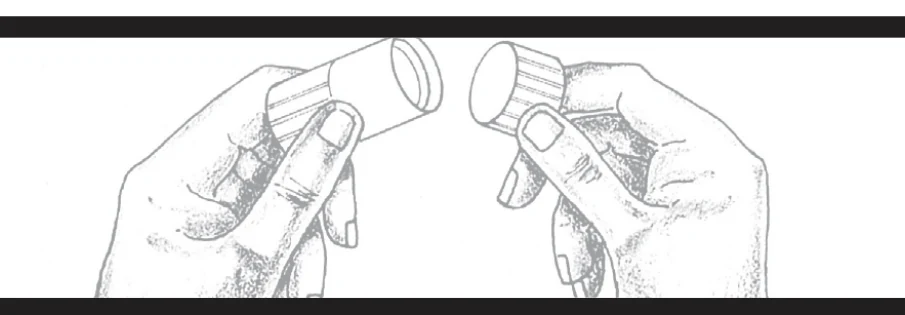
- severe allergic reaction
- confusion, anxiety, restlessness
- loss of consciousness, numbness
- paralysis
- drowsiness
- stupor
- speech disorders
- language disorders
- reduced sense of touch or sensation
- allergic eye inflammation causing red, watery and itchy eyes
- ringing or buzzing in the ears
- irregular heartbeats, slow pulse
- chest pain
- heart activity changes measured using ECG
- disease which disturbs blood flow through the brain
- high blood pressure
- vein inflammation, blood vessel dilation
- fluid accumulation in the lung
- sore throat
- low oxygen in the blood
- abdominal pain
- salivary gland inflammation, swelling of the tongue
- difficulty in swallowing, increased salivation
- mostly painful severe swelling of deep skin layers, mainly in the face
- increased sweating
- muscle spasms
- acute kidney failure or abnormal kidney function
- urinary incontinence, blood in urine, low urination
- tissue swelling caused by excess fluid
- injection site reactions including pain, reddening, bleeding or degeneration of cells
- feeling unwell or abnormal, tiredness, sluggishness not known: frequency cannot be estimated from the available data
- severe allergic shock reaction
- temporarily underactive thyroid
- fits
short term brain disorders (encephalopathy) which can cause confusion, hallucination,
visual disturbance, blindness, seizures loss of coordination, loss of movement in one side of the body, problems with speech and loss of consciousness
- movement disorder
- loss of memory
- temporary blindness
- heart arrest, life-threatening irregular heartbeat
- extra heartbeat
- heart artery cramps, pounding of the heart
- blue skin colouration due to low oxygen in the blood
- shock
- blood clot or spasm in a blood vessel
- paleness
- breathing arrest, asthma, tightened airways
- reduced ability to produce voice sounds using the vocal organs
- diarrhoea
severe reaction affecting the skin, blood and internal organs (drug reaction with
eosinophilia and systemic symptoms also known as DRESS or drug hypersensitivity syndrome)
red, scaly widespread rash with bumps under the skin and blisters accompanied by fever
at the initiation of treatment (Acute Generalized Exanthematous Pustulosis)
- red pimples (macular or papular eruptions)
life-threatening reaction with flu-like symptoms and painful rash / blistering affecting the
skin, mouth, eyes and genitals (Steven-Johnson Syndrome / Toxic Epidermal Necrolysis)
- absent or painful/difficult urination
- underactive thyroid in newborns
- fever
Reporting of side effects
If you get any side effects, talk to your doctor or X-ray specialist. This includes any side effects not listed in this leaflet.
You can also report side effects directly via Yellow Card Scheme, Website: www.mhra.gov.uk/yellowcard or search for MHRA Yellow Card in the Google Play or Apple App Store. By reporting side effects you can help provide more information on the safety of this medicine.
- 5. How to store Optiray
Keep this medicine out of sight and reach of children.
Do not use this medicine after the expiry date which is stated on the label. The expiry date refers to the last day of that month.
Keep the container in the outer carton in order to protect from light. Protect from X-rays. Do not store above 30°C. Optiray 300 can be stored for one month at 37°C in a contrast media warmer with circulating air.
Do not use this medicine if you notice discolouration or particulate matter.
- 6. Contents of the pack and other information
What Optiray contains
The active substance is Ioversol.
One millilitre of Optiray contains 636 mg Ioversol, which is equal to 300 mg of organically bound iodine.
The other ingredients are sodium calcium edetate (stabiliser), trometamol and
trometamol hydrochloride (buffer), and water for injections.
Sodium hydroxide and hydrochloric acid may be used for adjustment pH of 6.0 to 7.4. What Optiray looks like and contents of the pack
Optiray is packaged in uncoloured bottles. Bottles are fitted with either 20 mm or 32 mm bromobutyl rubber closures and aluminium cap seals.
10, 75, 150 ml (box of 1 and 10)
20, 50 ml (box of 1, 10 and 25)
100 ml (box of 1, 10 and 12)
Optiray is also supplied in prefilled hand held syringes and power injector syringes made of polypropylene. Syringe tip cap and piston are made of natural rubber. Prefilled hand-held syringes:
30 ml (box of 1 and 10)
50 ml (box of 1, 10 and 20)
Power injector syringes:
50, 75, 100, 125 ml (box of 1, 10 and 20)
Not all pack sizes and box sizes may be marketed in all countries.
Marketing Authorisation Holder and Manufacturer
Marketing Authorisation Holder
Guerbet, BP 57400, 95943 Roissy CdG Cedex, France
Manufacturer
Guerbet, BP 57400, 95943 Roissy CdG Cedex, France located at 16-24 rue Jean Chaptal, 93600 Aulnay sous Bois, France
This leaflet was last revised in May 2026.
XXXXXX
Ear and labyrinth disorders:
Rare vertigo
Very rare tinnitus
Cardiac disorders:
Rare tachycardia
Very rare heart block; arrhythmia; angina pectoris; bradycardia; atrial fibrillation;
electrocardiogram abnormal
Not known cardiac arrest; ventricular fibrillation; arteriospasm; coronary extrasystoles;
palpitations ; Kounis syndrome
Vascular disorders:
Uncommon blood pressure increased
Rare hypotension; flushing
Very rare cerebrovascular disorder; phlebitis; hypertension; vasodilation Not known shock; thrombosis; vasospasm; cyanosis; pallor
Respiratory, thoracic and mediastinal disorders:
Uncommon sneezing
Rare laryngeal oedema; laryngo spasm; dyspnoea; laryngeal obstruction (incl. throat
tightness, stridor); nasal congestion; cough; throat irritation
Very rare pulmonary oedema; pharyngitis; hypoxia
Not known respiratory arrest; asthma; bronchospasm; dysphonia
Gastrointestinal disorders:
Common nausea
Uncommon vomiting
Rare dry mouth
Very rare sialoadenitis; abdominal pain; tongue oedema; dysphagia; salivary hypersecretion Not known diarrhoea
Skin and subcutaneous tissue disorders:
Uncommon urticaria; erythema; pruritus
Rare rash
Very rare angioedema; hyperhidrosis (incl. cold sweat)
Not known Drug Reaction with Eosinophilia and Systemic Symptoms (DRESS syndrome);
Acute Generalized Exanthematous Pustulosis (AGEP); Erythema Multiforme (EM), Stevens Johnson Syndrome (SJS) / Toxic Epidermal Necrolysis (TEN) Musculoskeletal, connective tissue and bone disorders:
Very rare muscle spasms
Renal and urinary disorders:
Rare micturition urgency
Very rare acute kidney injury; abnormal renal function; incontinence; haematuria; creatinine
renal clearance decreased; blood urea increased
Not known anuria; dysuria
Congenital, familial and genetic disorders:
Not known congenital hypothyroidism
General disorders and administration site conditions:
Very common feeling hot
Common pain
Rare face oedema; pharyngeal oedema; feeling cold; tremor; chills Very rare chest pain; injection site reactions (incl. pain, erythema, and haemorrhage up to
necrosis especially after extravasation); malaise; asthenia; fatigue; feeling abnormal, oedema, sluggishness
Not known pyrexia
c. Description of selected adverse reactions
Adverse reactions may be classified as follows:
a. Hypersensitivity or anaphylactoid reactions are mostly mild to moderate with symptoms like
rash, pruritus, urticaria and rhinitis.
However, serious reactions may occur. Serious anaphylactic reactions generally affect the cardiovascular and respiratory system. These may be life-threatening and include anaphylactic shock, cardiac and respiratory arrest, laryngospasm, angioedema (such as laryngeal oedema), laryngeal obstruction (incl. throat tightness, stridor), or pulmonary oedema. Fatal cases were reported. Patients with a history of allergic reactions are at increased risk of developing a hypersensitivity reaction. Other type 1 (immediate) reactions include symptoms like nausea and vomiting, skin rashes, dyspnoea, eye swelling, periorbital oedema, conjunctivitis allergic, rhinitis, sneezing, nasal congestion, cough, throat irritation, paraesthesia or hypotension.
b. Vasovagal reactions e.g. dizziness or syncope which may be caused either by the contrast
medium, or by the procedure.
c. Cardiologic side effects during cardiac catheterisation e.g. angina pectoris, ECG changes, cardiac
arrhythmias, conductivity disorders, as well as coronary spasm and thrombosis. Such reactions are very rare and may be caused by the contrast medium or by the procedure. d. Nephrotoxic reactions in patients with pre-existing renal damage or renal vasopathy, e.g.
decrease in renal function with creatinine elevation. These adverse effects are transient in the majority of cases. In single cases, acute renal failure has been observed. e. Neurotoxic reactions after intra-arterial injection of the contrast medium e.g. visual disorders,
disorientation, paralysis, convulsions, or fits. These symptoms are generally transient and abate spontaneously within several hours or days. Patients with pre-existing damage of the blood-brain barrier are at increased risk of developing neurotoxic reactions.
f. Local reactions at the injection site may occur in very rare cases and include rashes, swelling,
inflammation and oedema. Such reactions occur probably in most cases due to extravasation of the contrast agent. Extended paravasation may necessitate surgical treatment. g. Extravasation can cause serious tissue reactions including blistering and skin exfoliation, the
extent of which is dependent on the amount and strength of the contrast solution in the tissues.
d. Paediatric population
Frequency, type and severity of adverse reactions in children are expected to be the same as in adults. *Thyroid dysfunction was observed in paediatric patients 0 to 3 years of age following the administration of iodinated radiopaque agents.
e. Reporting of suspected adverse reactions
Reporting suspected adverse reactions after authorisation of the medicinal product is important. It allows continued monitoring of the benefit/risk balance of the medicinal product. Healthcare professionals are asked to report any suspected adverse reactions via Yellow Card Scheme, Website: www.mhra.gov.uk/yellowcard or search for MHRA Yellow Card in the Google Play or Apple App Store.
4.9 Overdose
As with all iodinated X-ray contrast media, overdoses of Optiray are potentially fatal and may affect the respiratory and cardiovascular system. Treatment should be symptomatic. Dialysis can be used to remove Optiray from the blood.
5 PHARMACOLOGICAL PROPERTIES
5.1 Pharmacodynamic properties
Pharmacotherapeutic group: Water soluble, nephrotropic, low osmolar X-ray contrast media ATC code: V08AB07
Optiray 300 is a non-ionic X-ray contrast medium. Intravascular injection of Optiray opacifies those vessels in the path of the flow of the contrast medium, permitting radiographic visualisation of the internal structures until significant haemodilution occurs.
5.2 Pharmacokinetic properties
The pharmacokinetic profile of Optiray, together with its hydrophilic properties and a very low level of binding to serum and plasma proteins, indicate that Optiray is distributed within the extracellular fluid space and eliminated quickly through the kidneys by glomerular filtration. The mean (± se) half-lives after doses of 50 ml and 150 ml were 113 ± 8.4 and 104 ± 15 minutes respectively. Elimination via the faeces is negligible. No significant metabolism, deiodination, or biotransformation of Optiray has been observed.
5.3 Preclinical safety data
There were no findings in the preclinical testing of Optiray which could be of relevance for the prescriber in recognising the safety of this product used for the authorised indications, and which are not already included in other sections of the SmPC.
6 PHARMACEUTICAL PARTICULARS
6.1 List of excipients
Trometamol, trometamol hydrochloride, sodium hydroxide and/or hydrochloric acid (for pH: 6.0 to 7.4), sodium calcium edetate,
water for injections.
6.2 Incompatibilities
No other medicinal product should be mixed with Optiray.
6.3 Shelf life
3 years.
After use, discard the remaining solution.
6.4 Special precautions for storage
Keep the container in the outer carton in order to protect from light. Protect from X-rays. Do not store above 30°C. Optiray can be stored for one month at 37°C in a contrast medium warmer with circulating air. Discard the solution in case of discolouration or particulate matter.
6.5 Nature and contents of container
Optiray 300 is packaged in uncoloured bottles composed of type I glass (Ph. Eur.). Bottles are fitted with either 20 mm or 32 mm bromobutyl rubber closures and aluminium cap seals. 10, 75, 150 ml (box of 1 and 10)
20, 50 ml (box of 1, 10 and 25)
100 ml (box of 1, 10 and 12)
Optiray 300 is also supplied in prefilled hand-held syringes and power injector syringes made of polypropylene. Syringe tip cap and piston are made of natural rubber.
Prefilled hand-held syringes:
30 ml (box of 1 and 10)
50 ml (box of 1, 10 and 20)
Power injector syringes:
50, 75, 100, 125 ml (box of 1, 10 and 20)
Not all pack sizes and box sizes may be marketed.
6.6 Special precautions for disposal
Hand-held syringes and power injector syringes:
The medicinal product and fluid pathway are sterile; the outside of the syringe is not sterile. Instructions for assembly and inspection are stated on the leaflet.
7 MARKETING AUTHORISATION HOLDER
Guerbet, BP 57400, 95943 Roissy CdG Cedex, France
8 MARKETING AUTHORISATION NUMBER(S)
PL 12308/0028
9 DATE OF FIRST AUTHORISATION/RENEWAL OF THE AUTHORISATION
03/03/2006
10 DATE OF REVISION OF THE TEXT
04/05/2026
Optiray Prefilled Syringe Hand-Held
Assembly and Inspection:
Note: Exterior of syringe is not sterile. Contents of syringe and area under blue tip cap and piston ribs are sterile and should be treated accordingly.
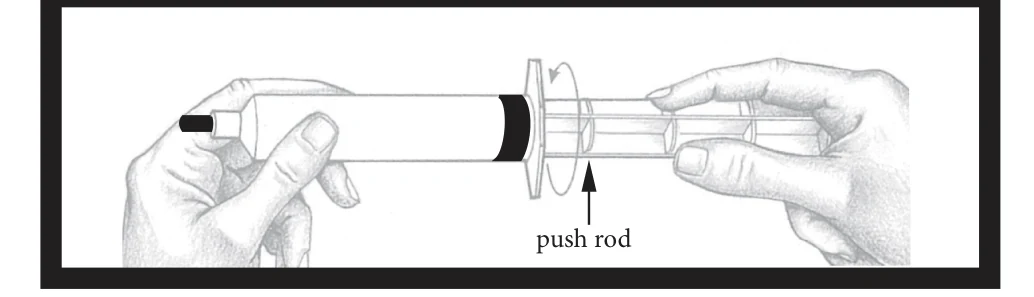
Remove syringe from support and inspect the area around the tip cap and outside of piston for signs of leakage. Do not use if leakage is observed.
After screwing the push rod into the syringe piston, it is important to turn the push rod an additional 1/2 turn so that the blue piston rotates freely.
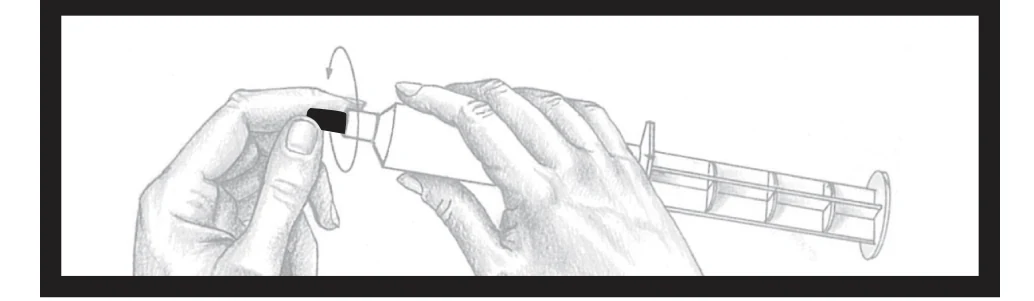
Prior to using the syringe, twist off blue tip cap and discard. The area under the tip cap is sterile, caution should now be used when handling. Syringe is now ready for needle or infusion tubing attachment.
Discard syringe and unused portion of medium after use.
Optiray Prefilled Syringe Power Injector
Assembly and Inspection:
Note: Exterior of syringe is not sterile. Contents of syringe and area under blue tip cap and piston ribs are sterile and should be treated accordingly.
Remove syringe from support and inspect the area around the tip cap and outside of piston for signs of leakage. Do not use if leakage is observed. Load syringe into pressure jacket.
To remove blue tip cap from syringe, push in and twist off, then discard. The area under the cap is sterile. Caution should now be used when handling.
Next remove cap from luer locknut dust cover by twisting to break tamper evident seal. Discard cap.
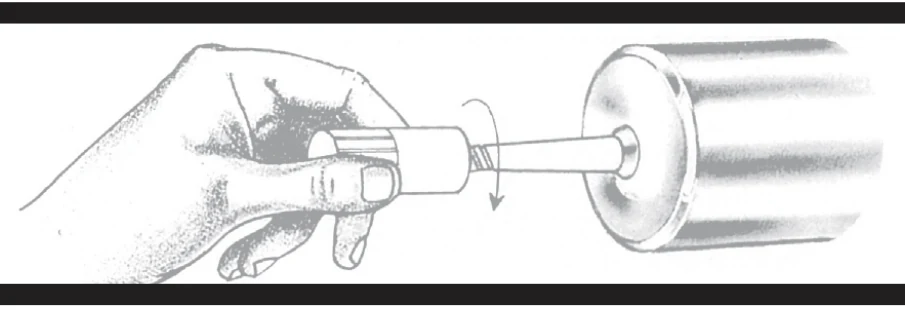
Attach luer locknut to syringe by holding dust cover and screwing to the stop. Remove and discard dust cover when ready to attach sterile connector tubing.
Discard syringe and unused portion of medium after use.
XXXXXX
tip cap
piston tip cap piston push rod
| Product: | Project: | Item Part: | Rev.date: | Country: | ||||||||||||||||||||||||
| Volume: | Package: | Exe: | ||||||||||||||||||||||||||
| Graphic Designer: | ||||||||||||||||||||||||||||
| Print Process: | Vendor: | Guerbet Spec.: | Contact: | |||||||||||||||||||||||||
| Barcode: | Software: | January 20, 2025 | ||||||||||||||||||||||||||
| Font(s): | File name: | Manufacturing site: | ||||||||||||||||||||||||||
| Additionnal information: | ||||||||||||||||||||||||||||
| Markups: | ||||||||||||||||||||||||||||
15 rue des Vanesses 93420 Villepinte, FRANCE
| Optiray 300 | RAL260050 | XXXXXX | 05/2026 | United Kingdom (UK) | ||||||||||||||||||||||||
| TV | Leaflet | Format: | 984.25 x 330.2 mm | |||||||||||||||||||||||||
| MV2 | ||||||||||||||||||||||||||||
| Offset | CCL-Chicago | SP0327-V1 | ||||||||||||||||||||||||||
| None | Adobe InDesign | April 16, 2026 | ||||||||||||||||||||||||||
| Minion Pro > 11 pt | Raleigh | |||||||||||||||||||||||||||
| Folded size : 55,57 x 76,2 mm | ||||||||||||||||||||||||||||
| MOCKUP2 | ||||||||||||||||||||||||||||
CoE PACKAGING - VILLEPINTE
| JOB INFORMATION | ||||||||||||||||||||||||||||
| PACKAGING INFORMATION | ||||||||||||||||||||||||||||
| OPERATOR | ||||||||||||||||||||||||||||
| Signature Graphic Designer: | ||||||||||||||||||||||||||||