

Summary of Product Characteristics (SmPC) - Netildex 3 mg/ml + 1 mg/ml eye gel in single-dose Container
1 NAME OF THE MEDICINAL PRODUCT
Netildex 3 mg/ml + 1 mg/ml eye gel in single-dose container
2 QUALITATIVE AND QUANTITATIVE COMPOSITION
Each ml contains:
Netilmicin sulphate 4.55 mg (equivalent to Netilmicin 3 mg).
Dexamethasone disodium phosphate 1.32 mg (equivalent to Dexamethasone 1 mg).
Excipients with known effect:
Monobasic sodium phosphate monohydrate 1.465 mg, disodium phosphate dodecahydrate 5.0 mg.
For the full list of excipients, see section 6.1.
3 PHARMACEUTICAL FORM
Eye gel in single-dose container.
Colourless, homogeneous semisolid mass.
pH: 6.2 - 7.2
Osmolality: 270 – 330 mOsmol/kg
4 CLINICAL PARTICULARS
4.1 Therapeutic indications
Netildex is indicated for inflammatory ocular conditions of the anterior segment of the eye, including post-operative cases, where bacterial infection or a risk of bacterial infection exists.
4.2 Posology and method of administration
Posology
Adults (including the elderly)
Instil 1 drop into the conjunctival sac 2 (two) times a day or according to medical prescription.
Paediatric population
Netildex is not recommended for use in children and adolescents (from birth to 18 years of age).
Method of administration
Ocular use.
Patients should be informed of the correct handling of the single-dose container:
- 1) Wash/sanitize your hands.
- 2) Open the aluminium sachet containing the single-dose containers.
- 3) Separate one single-dose container from the strip and put the unopened containers back into the aluminium sachet.
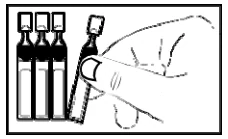
- 4) Make sure the single-dose container is intact before use.
- 5) Hold the single-dose container upside down and shake it lightly back and forth.
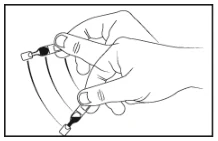
- 6) Open by twisting the upper part and pull. Do not touch the tip after opening the container.
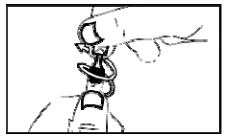
- 7) Gently squeeze until one drop falls into the gap between your eyeball and lower eyelid. To avoid contamination take care not to touch the tip of the container with your eye, eyelid, or any other surface.
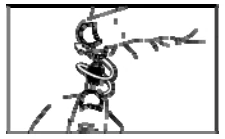
- 8) The container should be immediately discarded after use.
Systemic absorption of the medicinal product may be reduced by compressing the lacrimal sac at the medial canthus for a minute during and following the instillation of the gel (this blocks the passage of the gel via the naso-lacrimal duct to the wide absorptive area of the nasal and pharyngeal mucosa).
During a superficial eye infection, the usage of contact lenses is strongly discouraged.
4.3 Contraindications
Hypersensitivity to the active substances, to aminoglycoside antibiotics or to any of the excipients listed in section 6.1.
Children less than 3 years of age.
Pregnancy and breastfeeding (see section 4.6).
The medicinal product contains dexamethasone therefore its use is contraindicated in patients with:
- Intraocular hypertension.
- Herpetic keratitis or other ocular infections caused by Herpes simplex.
- Viral diseases of the conjunctiva and of the cornea at acute ulcerative stage.
- Conjunctivitis with ulcerative keratitis even at the initial stage (positive fluorescein test).
- Tuberculosis and mycosis of the eye.
- Mycobacterial ocular infections.
4.4 Special warnings and precautions for use
Prolonged use of topical products may cause irritation or sensitization phenomena. In these events, discontinue use and start an appropriate treatment.
Netildex is for ophthalmic use only and should not be administered subconjunctivally nor should it be introduced into the anterior chamber of the eye.
The patient should be informed not to touch the tip of the container with the eye, hands or any other surface.
Prolonged use of corticosteroids may result in:
- 1) onset of subcapsular cataract (therefore it is not advisable to use corticosteroids for long periods of time);
- 2) in injured tissue, wound healing of damaged tissue is delayed, therefore increasing the incidence and spread of infections;
- 3) decrease of the host response and thus increased hazard of secondary ocular infections, in particular of fungal or viral nature;
- 4) ocular hypertension with possible damage to the optic nerve (glaucoma) and defects in visual acuity; it is recommended to monitor the intraocular pressure if corticosteroids are used for longer than two weeks.
Particular attention should be given to disorders associated to corneal thinning. Some eye diseases and the long-term use of corticosteroids can cause corneal or scleral thinning; in these cases, the use of topical steroids could give rise to corneal or scleral perforations.
In viral infections, the use of steroids may worsen/exacerbate the condition, which may lead to irreversible corneal opacification (see section 4.3). In acute purulent conditions of the eye and bacterial, viral or fungal conjunctivitis, topical corticosteroids may mask infection.
Cushing's syndrome and/or adrenal suppression with systemic absorption of ocular dexamethasone may occur after intensive or long-term continuous therapy in predisposed patients, including children and patients treated with CYP3A4 inhibitors (including ritonavir and cobicistat). In these cases, treatment should be progressively discontinued.
The use of Netildex in children has not been studied. Therefore, in children aged 3 to 12 years the medicinal product should be administered only after a careful benefit-risk assessment and under strict medical control.
Visual disturbance
2 Visual disturbance may be reported with systemic and topical corticosteroid use. If a patient presents with symptoms such as blurred vision or other visual disturbances, the patient should be considered for referral to an ophthalmologist for evaluation of possible causes which may include cataract, glaucoma or rare diseases such as central serous chorioretinopathy (CSCR) which have been reported after use of systemic and topical corticosteroids.
4.5 Interaction with other medicinal products and other forms of interaction
Significant drug interactions with the use of Netildex have not been reported. Concomitant administration of other potentially nephrotoxic and ototoxic antibiotics (even topically, particularly if intracavitary) may increase the risk of these effects.
A potential increase of nephrotoxicity of some aminoglycosides has been reported following concomitant or subsequent administration of other potentially nephrotoxic substances, such as cisplatin, polymyxin B, colistin, viomycin, streptomycin, vancomycin, other aminoglycosides and some cephalosporins (cephaloridine) or potent diuretics such as ethacrynic acid and furosemide due to the effects on the kidney.
In vitro, the combination of an aminoglycoside with a beta-lactam antibiotic (penicillins or cephalosporins) may result in a significant mutual inactivation. A decrease of half-life or plasma levels of aminoglycoside have been reported in patients with renal insufficiency and in some patients with normal renal function even when an aminoglycoside antibiotic and a similar penicillin have been administered through two different routes.
CYP3A4 inhibitors (including ritonavir and cobicistat) may decrease dexamethasone clearance resulting in increased effects and adrenal suppression/Cushing’s syndrome. The combination should be avoided unless the benefit outweighs the increased risk of systemic corticosteroid side-effects, in which case patients should be monitored for systemic corticosteroid effects.
3 This product contains phosphates which may lead to corneal deposits or corneal opacity when topically administered. It should be used with caution in patients presenting with compromised cornea and in instances where the patient is receiving polypharmacy with other phosphate containing eye medications.
4.6 Fertility, Pregnancy and lactation
Pregnancy
No clinical data are available referred to Netildex use in pregnant women.
Animal studies do not indicate direct or indirect harmful effects with respect to pregnancy, embryonic/fetal development, parturition or post-natal development (see section 5.3). Studies in animals have shown teratogen activity for dexamethasone.
Avoid the use of Netildex during pregnancy. The use of Netildex should be considered only when the potential benefits outweigh the possibility of unknown risks.
Breastfeeding
There is insufficient information on the excretion of dexamethasone or netilmicin or their metabolites in human milk following ocular use. A risk to the newborns/infants cannot be excluded. Netildex should not be used during breast-feeding.
Fertility
There is no data on potential effects of Netildex on human fertility.
4.7 Effects on ability to drive and use machines
No studies on the effects on the ability to drive and use machines have been performed. The patient should be informed of possible undesirable effects that may affect their vision.
Temporary blurred vision or other visual disturbances may affect the ability to drive or use machines. If blurred vision occurs after instillation, the patient must wait until the vision clears before driving or using machinery.
4.8 Undesirable effects
The reported undesirable effects are listed below according to MedDRA system organ classification. There is not enough data available to determine the frequency of the individual effects listed.
Frequency not known:
Eye disorders
Increased intraocular pressure, posterior subcapsular cataract formation, development or worsening of Herpes simplex or fungal infections, delayed healing, conjunctival hyperemia, burning, pruritus.
Vision, blurred (see also section 4.4).
Immune system disorders
Allergic reaction.
Endocrine Disorders
Cushing’s syndrome, adrenal suppression (see section 4.4).
Cases of corneal calcification have been reported very rarely in association with the use of phosphate containing eye drops in some patients with significantly damaged corneas.
Reporting of side effects
Reporting suspected adverse reactions after authorisation of the medicinal product is important. It allows continued monitoring of the benefit/risk balance of the medicinal product. Healthcare professionals are asked to report any suspected adverse reactions via Yellow Card Scheme. Website: www.mhra.gov.uk/yellowcard or search for MHRA Yellow Card in the Google Play or Apple App Store.
4.9 Overdose
Cases of overdose have not been reported.
If the product is accidentally swallowed or used for long periods of time in excessive doses, may cause toxic side effects.
5 PHARMACOLOGICAL PROPERTIES
5.1 Pharmacodynamic properties
Pharmacotherapeutic group: Anti-inflammatory agents and anti-infectives in combination, corticosteroids and anti-infectives in combination - ATC Code: S01CA01.
Netildex contains two active substances: dexamethasone and netilmicin. Dexamethasone is a corticosteroid with a remarkable anti-inflammatory potency, 25 times higher than hydrocortisone. Like all corticosteroids, it acts mainly by inhibiting the release of arachidonic acid which is the precursor of the most important mediators of inflammation, i.e. prostaglandins and leukotrienes. The steroid acts by inducing the synthesis of lipomodulin, a phospholipase A2 inhibitory protein that is responsible for the liberation of the arachidonic acid.
Netilmicin is a broad spectrum semi-synthetic aminoglycoside antibiotic. Aminoglycosides are antibiotics with bactericidal activity that interfere with protein synthesis by inhibiting polypeptide assembly and synthesis on the 30S ribosomal sub- unit. The antimicrobial spectrum of netilmicin is comparable to that of gentamicin and tobramycin, however, it has a better antibacterial activity. Netilmicin is active at low concentrations (0.5-12 micrograms/ml), against a wide variety of Gram positive and Gram negative ocular pathogens, including S. aureus, S. epidermidis and other negative S. coagulases, Acinetobacter spp, Pseudomonas spp. and Haemophilus influenzae.
5.8 Pharmacokinetic properties
Dexamethasone reaches intraocular therapeutic concentrations after instillation in the conjunctival sac.
Systemic absorption can occur even after topical administration.
As with other aminoglycosides, netilmicin is a scarcely lipophilic antibiotic, limited by its poor penetration in the anterior chamber of the eye.
Studies carried out in humans have shown that after a single local administration of netilmicin eye drops, the concentration of netilmicin in tears is typically 256 micrograms/ml after 5 minutes, 182 micrograms/ml after 10 minutes, 94 micrograms/ml after 20 minutes and 27 micrograms/ml after 1 hour. Studies in rabbits with eye gel formulation containing netilmicin have shown higher levels of netilmicin in both cornea and conjunctiva after local administration compared to eye drops. Furthermore, topically administered netilmicin is not expected to be absorbed systemically.
5.3 Preclinical safety data
Non clinical safety data are derived mainly from published information.
Dexamethasone
Dexamethasone demonstrated to be well tolerated in laboratory animals (rabbits and rats) after local application for up to six months. The toxicity symptoms of dexamethasone found in various animal species after oral administration are related to the adrenocorticosteroid effects and include the alteration of the adreno-pituitary axis and slight anaemia. Signs of toxicity were found in the stomach, liver, adrenal and pituitary glands, lungs and spleen of laboratory animals.
In the studies carried out following local administration, most of these conditions were absent or rare.
Present findings yield no indications of clinically relevant genotoxic properties of glucocorticoids.
In animal experiments, corticosteroids have been shown to produce foetal resorptions and cleft palate. In the rabbit corticosteroids have produced foetal resorptions and multiple abnormalities involving the head, ears, limbs and palate. In addition, intrauterine growth inhibition and changes of functional development of the central nervous system have been reported.
Netilmicin
The aminoglycosides as a class of antibiotics are known to have the potential to cause significant nephrotoxic and ototoxic effects, some of which may be irreversible. Fertility, teratogenicity and postnatal studies of netilmicin in rats and rabbits have not provided any significant evidence of toxicity of netilmicin, particularly following ocular administration. In a study of ocular tolerance in rabbits no lesions at the conjunctival and corneal level or of the fundus were observed and ocular reflexes were not affected.
Fixed combination
Similar results to those summarised above for each active were found in studies in rabbits with the fixed combination.
Environmental risk assessment (ERA)
Environmental risk assessment studies demonstrated that dexamethasone showed endocrinological side effects on fish species.
6 PHARMACEUTICAL PARTICULARS
6.1 List of excipients
Sodium citrate
Sodium dihydrogen phosphate monohydrate
Disodium phosphate dodecahydrate
Xanthan gum
Purified water
6.2 Incompatibilities
Not applicable.
6.3 Shelf life
Unopened: 2 years.
The medicinal product does not contain preservatives. Immediate use after first opening of the single-dose container. After administration the single-dose container should be discarded even if only partially used.
After aluminium sachet first opening, the single-dose containers have to be used within 28 days: after this period, the unused single-dose containers must be discarded.
6.4 Special precautions for storage
Store below 25°C. Store in the original package.
Keep the single-dose containers in the original aluminium sachet in order to protect from light.
6.5 Nature and contents of container
Netildex is contained in low density polyethylene (LDPE) single- dose containers filled with 0.4 ml of eye gel. The single-dose containers are moulded in 5 sealed units strip, which in turn are wrapped in an aluminium sachet and packaged inside a carton box.
The carton box contains 2, 3 or 4 aluminium sachets.
Pack sizes of 10, 15 or 20 single-dose containers.
Not all pack sizes may be marketed.
6.6 Special precautions for disposal
This medicinal product shows environmental concerns (see section 5.3).
Any unused medicinal product or waste material should be disposed of in accordance with local requirements.
7 MARKETING AUTHORISATION HOLDER
SIFI Pharmaceuticals Limited
29/30 Fitzroy Square
London W1T 6LQ
United Kingdom
8 MARKETING AUTHORISATION NUMBER(S)
PLGB 53941/0019
9 DATE OF FIRST AUTHORISATION/RENEWAL OF THE
AUTHORISATION
06/01/2025
10 DATE OF REVISION OF THE TEXT
06/01/2025