

Summary of Product Characteristics (SmPC) - Lotacryn, 50 micrograms/ml, eye drops, solution
1 NAME OF THE MEDICINAL PRODUCT
Lotacryn, 50 micrograms/ml, eye drops, solution
2 QUALITATIVE AND QUANTITATIVE COMPOSITION
Each ml solution contains 50 micrograms of latanoprost.
One drop contains approximately 1.5 micrograms of latanoprost.
Excipient(s) with known effect: phosphates.
Each ml of eye drops, solution contains 6.4 mg of phosphates.
For the full list of excipients, see section 6.1.
3 PHARMACEUTICAL FORM
Eye drops, solution
The solution is a clear, colourless liquid.
pH is in the range of 5.5 to 6.5
Osmolality is in the range of 250 to 320 mOsmol/kg
4 CLINICAL PARTICULARS
4.1 Therapeutic indications
Reduction of elevated intraocular pressure in patients with open angle glaucoma and ocular hypertension in adults (including the elderly).
Reduction of elevated intraocular pressure in paediatric patients with elevated intraocular pressure and paediatric glaucoma.
4.2 Posology and method of administration
Posology
Recommended dosage for adults (including the elderly)
Recommended therapy is one eye drop in the affected eye(s) once daily. Optimal effect is obtained if latanoprost is administered in the evening.
The dosage of latanoprost should not exceed once daily since it has been shown that more frequent administration decreases the intraocular pressure lowering effect.
If one dose is missed, treatment should continue with the next dose as normal.
Paediatric population
Lotacryn eye drops may be used in paediatric patients at the same posology as in adults. No data are available for preterm infants (less than 36 weeks gestational age). Data in the age group < 1 year (4 patients) are limited (see section 5.1).
Method of administration
Ocular use.
As with any eye drops, to reduce possible systemic absorption, it is recommended that the lachrymal sac be compressed at the medial canthus (punctal occlusion) for one minute. This should be performed immediately following the instillation of each drop.
Patients should be instructed to wash their hands before use and avoid allowing the tip of the bottle to come into contact with the eye or surrounding structures.
Patients should also be instructed that ocular solutions, if handled improperly, can become contaminated by common bacteria known to cause ocular infections. Serious damage to the eye and subsequent loss of vision may result from using contaminated solutions.
Lotacryn eye drops solution is a sterile solution that does not contain a preservative.
Contact lenses should be removed before instillation of the eye drops and may be reinserted after 15 minutes.
If more than one topical ophthalmic medicinal product is being used, the medicinal products should be administered at least five minutes apart. Eye ointments should be administered last.
Instructions for proper use
Follow the steps below to help you use Lotacryn properly:
- 1. Wash your hands and sit or stand comfortably.
- 2. Remove the protective cap (Picture 1.). To avoid contamination of the solution, the tip of the bottle must not touch anything.
- 3. Hold the bottle upside down with the thumb on the shoulder of the bottle (thumb support) and the other fingers on the bottom of the bottle (Picture 2.). The angle at which the bottle is held is important to obtain the correct volume of drop. Before the first use, pump the bottle repeatedly, approximately 10 times, until the first drop emerges.
- 4. Tilt your head back and gently pull down your lower eyelid to form a pouch between your eye and eyelid.
- 5. Place the tip of the bottle close to, but not touching your eye.
- 6. Press down the thumb support and the bottom side of the bottle so that only one drop goes into your eye, and then release the lower eyelid (Picture 3.).
- 7. Press a finger against the corner of the affected eye by the nose (Picture 4.). Hold for 1 minute whilst keeping the eye closed.
- 8. Drop in your other eye if your doctor has told you to do this.
- 9. After each use the bottle should be shaken once in a downwards direction, without touching the dropper tip, in order to remove any residual liquid from the tip. This is necessary in order to ensure delivery of subsequent drops and to prevent contamination.
- 10. Put the cap back on the bottle to avoid contamination of the solution.
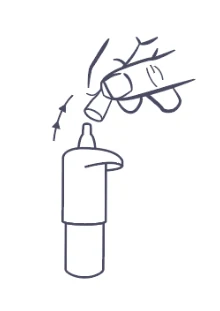

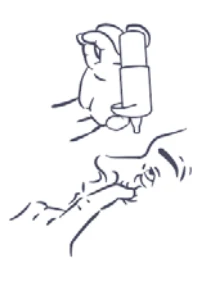

Picture 1. Picture 2. Picture 3. Picture 4.
4.3 Contraindications
Hypersensitivity to the active substance or to any of the excipients listed in section 6.1.
4.4 Special warnings and precautions for use
Latanoprost may gradually change eye colour by increasing the amount of brown pigment in the iris. Before treatment is instituted, patients should be informed of the possibility of a permanent change in eye colour. Unilateral treatment can result in permanent heterochromia.
This change in eye colour has predominantly been seen in patients with mixed coloured irides, i.e. blue-brown, grey-brown, yellow-brown and green-brown.
In studies with latanoprost, the onset of the change is usually within the first 8 months of treatment, rarely during the second or third year, and has not been seen after the fourth year of treatment. The rate of progression of iris pigmentation decreases with time and is stable for five years. The effect of increased pigmentation beyond five years has not been evaluated. In an open 5-year latanoprost safety study, 33% of patients developed iris pigmentation (see section 4.8). The iris colour change is slight in the majority of cases and often not observed clinically. The incidence in patients with mixed colour irides ranged from 7 to 85%, with yellow-brown irides having the highest incidence.
In patients with homogeneously blue eyes, no change has been observed and in patients with homogeneously grey, green or brown eyes, the change has only rarely been seen.
The colour change is due to increased melanin content in the stromal melanocytes of the iris and not to an increase in number of melanocytes. Typically, the brown pigmentation around the pupil spreads concentrically towards the periphery in affected eyes, but the entire iris or parts of it may become more brownish. No further increase in brown iris pigment has been observed after discontinuation of treatment. It has not been associated with any symptom or pathological changes in clinical trials to date.
Neither naevi nor freckles of the iris have been affected by treatment. Accumulation of pigment in the trabecular meshwork or elsewhere in the anterior chamber has not been observed in clinical trials. Based on 5 years clinical experience, increased iris pigmentation has not been shown to have any negative clinical sequelae and latanoprost can be continued if iris pigmentation ensues. However, patients should be monitored regularly and if the clinical situation warrants, latanoprost treatment may be discontinued.
There is limited experience of latanoprost in chronic angle closure glaucoma, open angle glaucoma of pseudophakic patients and in pigmentary glaucoma. There is no experience of latanoprost in inflammatory and neovascular glaucoma, inflammatory ocular conditions. Latanoprost has no or little effect on the pupil, but there is no experience in acute attacks of closed angle glaucoma. Therefore, it is recommended that latanoprost should be used with caution in these conditions until more experience is obtained.
There are limited study data on the use of latanoprost during the peri-operative period of cataract surgery. Latanoprost should be used with caution in these patients.
Latanoprost should be used with caution in patients with a history of herpetic keratitis, and should be avoided in cases of active herpes simplex keratitis and in patients with a history of recurrent herpetic keratitis specifically associated with prostaglandin analogues.
Reports of macular oedema have occurred (see section 4.8) mainly in aphakic patients, in pseudophakic patients with torn posterior lens capsule or anterior chamber lenses, or in patients with known risk factors for cystoid macular oedema (such as diabetic retinopathy and retinal vein occlusion). Latanoprost should be used with caution in aphakic patients, in pseudophakic patients with torn posterior lens capsule or anterior chamber lenses, or in patients with known risk factors for cystoid macular oedema.
In patients with known predisposing risk factors for iritis/uveitis, latanoprost can be used with caution.
There is limited experience from patients with asthma, but some cases of exacerbation of asthma and/or dyspnoea were reported in post marketing experience. Asthmatic patients should therefore be treated with caution until there is sufficient experience, see also section 4.8.
Periorbital skin discolouration has been observed, the majority of reports being in Japanese patients. Experience to date shows that periorbital skin discolouration is not permanent and in some cases has reversed while continuing treatment with latanoprost.
Latanoprost may gradually change eyelashes and vellus hair in the treated eye and surrounding areas; these changes include increased length, thickness, pigmentation, number of lashes or hairs and misdirected growth of eyelashes. Eyelash changes are reversible upon discontinuation of treatment.
Paediatric population
Efficacy and safety data in the age group < 1 year (4 patients) are very limited (see section 5.1). No data are available for preterm infants (less than 36 weeks gestational age).
In children from 0 to < 3 years old that mainly suffer from PCG (Primary Congenital Glaucoma), surgery (e.g. trabeculotomy/goniotomy) remains the first line treatment.
Long-term safety in children has not yet been established.
4.5 Interaction with other medicinal products and other forms of interaction
Definitive drug interaction data are not available.
There have been reports of paradoxical elevations in intraocular pressure following the concomitant ophthalmic administration of two prostaglandin analogues. Therefore the use of two or more prostaglandins, prostaglandin analogues or prostaglandin derivatives is not recommended.
Paediatric population
Interaction studies have only been performed in adults.
4.6 Fertility, pregnancy and lactation
Pregnancy
The safety of this medicinal product for use in human pregnancy has not been established. It has potential hazardous pharmacological effects with respect to the course of pregnancy, to the unborn or the neonate. Therefore, latanoprost should not be used during pregnancy.
Breastfeeding
Latanoprost and its metabolites may pass into breast milk. This medicinal product should therefore not be used in breast-feeding women or breast feeding should be stopped.
Fertility
Latanoprost has not been found to have any effect on male or female fertility in animal studies (see section 5.3).
4.7 Effects on ability to drive and use machines
Latanoprost has minor influence on the ability to drive and use machines. In common with other eye preparations, instillation of eye drops may cause transient blurring of vision. Until this has resolved, patients should not drive or use machines.
4.8 Undesirable effects
a. Summary of the safety profile
The majority of adverse reactions relate to the ocular system. In an open 5-year latanoprost safety study, 33% of patients developed iris pigmentation (see section 4.4). Other ocular adverse reactions are generally transient and occur on dose administration.
b. Tabulated list of adverse reactions
Adverse reactions are categorized by frequency as follows: very common (≥1/10), common (≥1/100 to <1/10), uncommon (≥1/1,000 to <1/100), rare (≥1/10,000 to <1/1,000), very rare (<1/10,000) and not known (frequency cannot be estimated from the available data).
| System Organ Class | Very common ≥1/10 | Common ≥1/100 to <1/10 | Uncommon ≥1/1,000 to <1/100 | Rare ≥1/10,000 to <1/1,000 |
Very rar <1/10,00
| Infections and infestations | Herpetic keratitis*§ | |||
| Nervous system disorders | Headache*; dizziness* | |||
| Eye disorders | Iris hyperpigmentation; mild to moderate conjunctival hyperaemia; eye irritation (burning, grittiness, itching, stinging and foreign body sensation); eyelash and vellus hair changes of the eyelid (increased length, thickness, pigmentation and number of eyelashes) | Punctate keratitis, mostly without symptoms; blepharitis; eye pain; photophobia; conjunctivitis* | Eyelid oedema; dry eye; keratitis*; vision blurred; macular oedema including cystoid macular oedema*; uveitis* | Iritis*; corneal oedema*; corneal erosion; periorbital oedema; trichiasis*; distichiasis; iris cyst*§; localised skin reaction on the eyelids; darkening of the palpebral skin of the eyelids; pseudopemphigoid of ocular conjunctiva*§ |
Periorbit and lid changes resulting in
deepenin of the
eyelid
sulcus
| Cardiac disorders | Angina; palpitations* |
Angina unstable
| Respiratory, thoracic and mediastinal disorders | Asthma*; dyspnoea* | Asthma exacerbation | ||
Skin and subcutaneous tissue disorders | Rash | Pruritus | ||
| Musculoskeletal and connective tissue disorders | Myalgia*; arthralgia* | |||
General disorders and administration site conditions | Chest pain* |
*ADR identified post-marketing
§ADR frequency estimated using “The Rule of 3”
Cases of corneal calcification have been reported very rarely in association with the use of phosphate containing eye drops in some patients with significantly damaged corneas.
c. Description of selected adverse reactions
No information is provided.
d. Paediatric population
In two short term clinical trials (≤ 12 weeks), involving 93 (25 and 68) paediatric patients the safety profile was similar to that in adults and no new adverse events were identified. The short term safety profiles in the different paediatric subsets were also similar (see section 5.1). Adverse events seen more frequently in the paediatric population as compared to adults are: nasopharyngitis and pyrexia.
Reporting of suspected adverse reactions
Reporting suspected adverse reactions after authorisation of the medicinal product is important. It allows continued monitoring of the benefit/risk balance of the medicinal product. Healthcare professionals are asked to report any suspected adverse reactions via the Yellow Card Scheme at www.mhra.gov.uk/yellowcard or search for MHRA Yellow Card in the Google Play or Apple App Store.
4.9 Overdose
Symptoms:
Apart from ocular irritation and conjunctival hyperaemia, no other ocular side effects are known if latanoprost is overdosed.
If latanoprost is accidentally ingested the following information may be useful:
One bottle contains 125 micrograms latanoprost. More than 90% is metabolised during the first pass through the liver. Intravenous infusion of 3 micrograms/kg in healthy volunteers produced mean plasma concentrations 200 times higher than during clinical treatment and induced no symptoms, but a dose of 5.5-10 micrograms/kg caused nausea, abdominal pain, dizziness, fatigue, hot flushes and sweating. In monkeys, latanoprost has been infused intravenously in doses of up to 500 micrograms/kg without major effects on the cardiovascular system.
Intravenous administration of latanoprost in monkeys has been associated with transient bronchoconstriction. However, in patients with moderate bronchial asthma, bronchoconstriction was not induced by latanoprost when applied topically on the eyes in a dose of seven times the clinical dose of latanoprost.
Treatment:
If overdose with latanoprost occurs, treatment should be symptomatic.
5 PHARMACOLOGICAL PROPERTIES
5.1 Pharmacodynamic properties
Pharmacotherapeutic group: Ophthalmologicals; Antiglaucoma preparations and miotics, prostaglandin analogues. ATC code: S01EE01
Mechanism of action
The active substance latanoprost, a prostaglandin F2α analogue, is a selective prostanoid FP receptor agonist which reduces the intraocular pressure by increasing the outflow of aqueous humour. Reduction of the intraocular pressure in man starts about three to four hours after administration and maximum effect is reached after eight to twelve hours. Pressure reduction is maintained for at least 24 hours.
Studies in animals and man indicate that the main mechanism of action is increased uveoscleral outflow, although some increase in outflow facility (decrease in outflow resistance) has been reported in man.
Pivotal studies have demonstrated that latanoprost is effective as monotherapy. In addition, clinical trials investigating combination use have been performed. These include studies that show that latanoprost is effective in combination with beta-adrenergic antagonists (timolol). Short-term (1 or 2 weeks) studies suggest that the effect of latanoprost is additive in combination with adrenergic agonists (dipivalyl epinephrine), oral carbonic anhydrase inhibitors (acetazolamide) and at least partly additive with cholinergic agonists (pilocarpine).
Clinical trials have shown that latanoprost has no significant effect on the production of aqueous humour. Latanoprost has not been found to have any effect on the blood-aqueous barrier.
Latanoprost has no or negligible effects on the intraocular blood circulation when used at the clinical dose and studied in monkeys. However, mild to moderate conjunctival or episcleral hyperaemia may occur during topical treatment.
Chronic treatment with latanoprost in monkey eyes, which had undergone extracapsular lens extraction, did not affect the retinal blood vessels as determined by fluorescein angiography.
Latanoprost has not induced fluorescein leakage in the posterior segment of pseudophakic human eyes during short-term treatment.
Latanoprost in clinical doses has not been found to have any significant pharmacological effects on the cardiovascular or respiratory system.
Paediatric population
The efficacy of latanoprost in paediatric patients ≤18 years of age was demonstrated in a 12-week, double-masked clinical study of latanoprost compared with timolol in 107 patients diagnosed with ocular hypertension and paediatric glaucoma. Neonates were required to be at least 36 weeks gestational age. Patients received either latanoprost 50 mcg/ml once daily or timolol 0.5% (or optionally 0.25% for subjects younger than 3 years old) twice daily. The primary efficacy endpoint was the mean reduction in intraocular pressure (IOP) from baseline at Week 12 of the study. Mean IOP reductions in the latanoprost and timolol groups were similar. In all age groups studied (0 to <3 years, 3 to <12 years and 12 to 18 years of age) the mean IOP reduction at Week 12 in the latanoprost group was similar to that in the timolol group. Nevertheless, efficacy data in the age group 0 - <3 year old were based on only 13 patients for latanoprost and no relevant efficacy was shown from the 4 patients representing the age group 0 to <1 year old in the clinical paediatric study. No data are available for preterm infants (less than 36 weeks gestational age).
IOP reductions among subjects in the primary congenital/infantile glaucoma (PCG) subgroup were similar between the latanoprost group and the timolol group. The non-PCG (e.g. juvenile open angle glaucoma, aphakic glaucoma) subgroup showed similar results as the PCG subgroup.
The effect on IOP was seen after the first week of treatment (see table) and was maintained throughout the 12 week period of study, as in adults.
SE: standard error.
†Adjusted estimate based on an analysis of covariance (ANCOVA) model.
5.2 Pharmacokinetic properties
| Table: IOP reduction (mmHg) at week 12 by active treatment group and baseline diagnosis | ||||
Latanoprost N=53 | Timolol N=54 | |||
| Baseline Mean (SE) | 27.3 (0.75) | 27.8 (0.84) | ||
| Week 12 Change from Baseline Mean†(SE) | -7.18 (0.81) | -5.72 (0.81) | ||
| p-value vs. timolol | 0.2056 | |||
| PCG N=28 | Non-PCG N=25 | PCG N=26 | Non-PCG N=28 | |
| Baseline Mean (SE) | 26.5 (0.72) | 28.2 (1.37) | 26.3 (0.95) | 29.1 (1.33) |
| Week 12 Change from Baseline Mean†(SE) | -5.90 (0.98) | -8.66 (1.25) | -5.34 (1.02) | -6.02 (1.18) |
| p-value vs. timolol | 0.6957 | 0.1317 | ||
Latanoprost (mw 432.58) is an isopropyl ester prodrug which per se is inactive, but after hydrolysis to the acid of latanoprost becomes biologically active.
Absorption
The prodrug is well absorbed through the cornea and all medicinal products that enters the aqueous humour is hydrolysed during the passage through the cornea.
Distribution
Studies in man indicate that the peak concentration in the aqueous humour is reached about two hours after topical administration. After topical application in monkeys, latanoprost is distributed primarily in the anterior segment, the conjunctivae and the eyelids. Only minute quantities of the medicinal product reach the posterior segment.
Biotransformation
There is practically no metabolism of the acid of latanoprost in the eye. The main metabolism occurs in the liver. The half life in plasma is 17 minutes in man.
Elimination
The main metabolites, the 1,2-dinor and 1,2,3,4-tetranor metabolites, exert no or only weak biological activity in animal studies and are excreted primarily in the urine.
Paediatric population
An open-label pharmacokinetic study of plasma latanoprost acid concentrations was undertaken in 22 adults and 25 paediatric patients (from birth to <18 years of age) with ocular hypertension and glaucoma. All age groups were treated with latanoprost 50 mcg/ml, one drop daily in each eye for a minimum of 2 weeks. Latanoprost acid systemic exposure was approximately 2-fold higher in 3 to <12 year olds and 6-fold higher in children <3 years old compared with adults, but a wide safety margin for systemic adverse effects was maintained (see section 4.9). Median time to reach peak plasma concentration was 5 minutes post-dose across all age groups. The median plasma elimination half-life was short (<20 minutes), similar for paediatric and adult patients, and resulted in no accumulation of latanoprost acid in the systemic circulation under steady-state conditions.
5.3 Preclinical safety data
The ocular as well as systemic toxicity of latanoprost has been investigated in several animal species. Generally, latanoprost is well tolerated with a safety margin between clinical ocular dose and systemic toxicity of at least 1,000 times.
High doses of latanoprost, approximately 100 times the clinical dose/kg body weight, administered intravenously to unanaesthetised monkeys have been shown to increase the respiration rate probably reflecting bronchoconstriction of short duration. In animal studies, latanoprost has not been found to have sensitising properties.
In the eye, no toxic effects have been detected with doses of up to 100 micrograms/eye/day in rabbits or monkeys (clinical dose is approximately 1.5 micrograms/eye/day). In monkeys, however, latanoprost has been shown to induce increased pigmentation of the iris. The mechanism of increased pigmentation seems to be stimulation of melanin production in melanocytes of the iris with no proliferative changes observed. The change in iris colour may be permanent.
In chronic ocular toxicity studies, administration of latanoprost 6 micrograms/eye/day has also been shown to induce increased palpebral fissure. This effect is reversible and occurs at doses above the clinical dose level. The effect has not been seen in humans.
Latanoprost was found negative in reverse mutation tests in bacteria, gene mutation in mouse lymphoma and mouse micronucleus test. Chromosome aberrations were observed in vitro with human lymphocytes. Similar effects were observed with prostaglandin F2α, a naturally occurring prostaglandin, and indicates that this is a class effect.
Additional mutagenicity studies on in vitro/in vivo unscheduled DNA synthesis in rats were negative and indicate that latanoprost does not have mutagenic potency. Carcinogenicity studies in mice and rats were negative.
Latanoprost has not been found to have any effect on male or female fertility in animal studies. In the embryotoxicity study in rats, no embryotoxicity was observed at intravenous doses (5, 50 and 250 micrograms/kg/day) of latanoprost. However, latanoprost induced embryolethal effects in rabbits at doses of 5 micrograms/kg/day and above.
The dose of 5 micrograms/kg/day (approximately 100 times the clinical dose) caused significant embryofoetal toxicity characterised by increased incidence of late resorption and abortion and by reduced foetal weight.
No teratogenic potential has been detected.
6 PHARMACEUTICAL PARTICULARS
6.1 List of excipients
Sodium chloride
Disodium phosphate
Sodium dihydrogen phosphate monohydrate
Polysorbate 80
Disodium edetate
Sodium hydroxide (to adjust pH)
Hydrochloric acid, dilute (to adjust pH)
Water for injections
6.2 Incompatibilities
In vitro studies have shown that precipitation occurs when eye drops containing thiomersal are mixed with latanoprost. If such medicinal products are used, the eye drops should be administered with an interval of at least five minutes.
6.3 Shelf life
2 years
Shelf life after opening of container: 30 days
6.4 Special precautions for storage
Do not freeze.
Do not store above 25oC.
6.5 Nature and contents of container
The packaging consists of HDPE bottle closed with the 3K Aero Pump system that consist of multi dose pump applicator (PP, HDPE, LDPE), HDPE cap, PP thumb support and the carton box.
Lotacryn Eye drops, solution is available in the following pack sizes: 1 bottle x 2.5 ml
Not all pack sizes may be marketed.
6.6 Special precautions for disposal
No special requirements.
Any unused medicinal product or waste material should be disposed of in accordance with local requirements.
7 MARKETING AUTHORISATION HOLDER
Zakłady Farmaceutyczne POLPHARMA S.A.
ul. Pelplińska 19, 83-200 Starogard Gdański, Poland
8 MARKETING AUTHORISATION NUMBER(S)
PL 29556/0005
9 DATE OF FIRST AUTHORISATION/RENEWAL OF THE
AUTHORISATION
20/11/2023
10 DATE OF REVISION OF THE TEXT
20/11/2023