

Patient leaflet - Lobezyl 6 mg/ml solution for injection in Pre-filled pen
1. What Lobezyl is and what it is used for What Lobezyl is
Lobezyl is a weight loss medicine that contains the active substance liraglutide. It is similar to a natural occurring hormone called glucagon-like peptide-1 (GLP-1) that is released from the intestine after a meal. Lobezyl works by acting on receptors in the brain that control your appetite, causing you to feel fuller and less hungry. This may help you eat less food and reduce your body weight.
What Lobezyl is used for
Lobezyl is used for weight loss in addition to diet and exercise in adults aged 18 and above who have
- a BMI of 30 kg/m² or greater (obesity) or
- a BMI of 27 kg/m² and less than 30 kg/m² (overweight) and weight-related health problems (such as diabetes, high blood pressure, abnormal levels of fats in the blood or breathing problems during sleep called ‘obstructive sleep apnoea’).
BMI (Body Mass Index) is a measure of your weight in relation to your height.
You should only continue using Lobezyl if you have lost at least 5% of your initial body weight after 12 weeks on the 3.0 mg/day dose (see section 3). Consult your doctor before you continue.
Lobezyl can be used as an adjunct to a healthy nutrition and increased physical activity for weight management in adolescents from the age of 12 years and above who have:
- obesity (diagnosed by your doctor)
- body weight above 60 kg
You should only continue using Lobezyl if you have lost at least 4% of your BMI after 12 weeks on the 3.0 mg/day dose or maximum tolerated dose (see section 3). Consult your doctor before you continue.
Diet and exercise
Your doctor will start you on a diet and exercise programme. Stay on this programme while you are using Lobezyl.
2. What you need to know before you use Lobezyl
Do not use Lobezyl
if you are allergic to liraglutide or any of the other ingredients of this
medicine (listed in section 6).
Warnings and precautions
Talk to your doctor, pharmacist or nurse before using liraglutide:
The use of Lobezyl is not recommended if you have severe heart failure.
There is little experience with this medicine in patients of 75 years and older. It is not recommended if you are 75 years or older.
There is little experience with this medicine in patients with kidney problems. If you have kidney disease or are on dialysis, consult your doctor.
There is little experience with this medicine in patients with liver problems. If you have liver problems, consult your doctor.
This medicine is not recommended if you have a severe stomach or gut problem which results in delayed stomach emptying (called gastroparesis), or if you have an inflammatory bowel disease.
If you know that you are due to have surgery where you will be under anaesthesia (sleeping), please tell your doctor that you are taking Lobezyl.
People with diabetes
If you have diabetes, do not use Lobezyl as a replacement for insulin.
If you have ever had pancreatitis (inflammation of the pancreas which
may cause severe pain in the stomach and back which does not go away; see section 4).
Inflamed gall bladder and gallstones
If you lose substantial weight, you are at a risk of gallstones and thereby inflamed gall bladder. Stop taking Lobezyl and contact a doctor immediately if you experience severe pain in your upper abdomen, usually worst on the right side under the ribs. The pain may be felt through to your back or right shoulder. See section 4.
Thyroid disease
If you have thyroid disease, including thyroid nodules and enlargement of the thyroid gland, consult your doctor.
Heart rate
Talk to your doctor if you have palpitations (you feel aware of your heartbeat) or if you have feelings of a racing heartbeat while at rest during Lobezyl treatment.
Loss of fluid and dehydration
When starting treatment with Lobezyl, you may lose body fluid or become dehydrated. This may be due to feeling sick (nausea), being sick (vomiting) and diarrhoea. It is important to avoid dehydration by drinking plenty of fluids. Talk to your doctor, pharmacist or nurse if you have any questions or concerns. See section 4.
Children and adolescents
The safety and efficacy of Lobezyl in children below 12 years of age has not been studied.
Other medicines and Lobezyl
Tell your doctor, pharmacist or nurse if you are taking, have recently taken or might take any other medicines.
In particular, tell your doctor, pharmacist or nurse if:
you are taking medicines for diabetes called ‘sulfonylurea’ (such as
glimepiride or glibenclamide) or if you are taking insulin – you may get low blood sugar (hypoglycaemia) when you use these medicines with Lobezyl. Your doctor may adjust the dose of your diabetes medicine to prevent you from getting low blood sugar. See section 4 for the warning signs of low blood sugar. If you adjust your insulin dose your doctor may recommend you to monitor your blood sugar more frequently.
you are taking warfarin or other medicines by mouth that reduce
your blood clotting (anticoagulants). More frequent blood testing to determine the ability of your blood to clot may be required.
Pregnancy and breast-feeding
Do not use Lobezyl if you are pregnant, think that you might be pregnant or are planning to have a baby. This is because it is not known if Lobezyl may affect the baby.
Do not breast-feed if you are using Lobezyl. This is because it is not known if liraglutide passes into breast milk.
Driving and using machines
Lobezyl is unlikely to affect your ability to drive and use machines. Some patients may feel dizziness when taking Lobezyl mainly during the first 3 months of treatment (see section ‘Possible side effects’). If you feel dizziness be extra careful while driving or using machines. If you need any further information, talk to your doctor.
Important information about some of the ingredients of Lobezyl
This medicine contains less than 1 mmol sodium (23 mg) per dose, that it is to say essentially ‘sodium-free’.
This medicine contains 42 mg propylene glycol in each 3 ml pre-filled multidose pen which is equivalent to 14 mg/ml.
If your baby is less than 4 weeks old, talk to your doctor or pharmacist before giving them this medicine, in particular if the baby is given other medicines that contain propylene glycol or alcohol.
3. How to use Lobezyl
Always use this medicine exactly as your doctor has told you. Check with your doctor, pharmacist or nurse if you are not sure.
Your doctor will start you on a diet and exercise programme. Stay on this programme while you are using Lobezyl.
How much to inject
Adults
Your treatment will start at a low dose which will be gradually increased over the first five weeks of treatment.
When you first start using Lobezyl, the starting dose is 0.6 mg once a
day, for at least one week.
Your doctor will instruct you to gradually increase your dose by 0.6 mg
usually each week until you reach the recommended dose of 3.0 mg once a day.
Your doctor will tell you how much Lobezyl to use each week. Usually, you will be told to follow the table below.
Week Dose injected
Week 1 0.6 mg once a day
Week 2 1.2 mg once a day
Week 3 1.8 mg once a day
Week 4 2.4 mg once a day
Week 5 onwards 3.0 mg once a day
Once you reach the recommended dose of 3.0 mg in week 5 of treatment, keep using this dose until your treatment period ends. Do not increase your dose further.
Your doctor will assess your treatment on a regular basis.
Adolescents (≥ 12 years)
For adolescents from the age of 12 to below 18 years old a similar dose escalation schedule as for adults should be applied (see above table for adults). The dose should be increased until 3.0 mg (maintenance dose) or maximum tolerated dose has been reached. Daily doses higher than 3.0 mg are not recommended.
How and when to use Lobezyl
- Before you use the pen for the first time, your doctor or nurse will show you how to use the pen.
You can use Lobezyl at any time of the day, with or without food and drink.
- Use Lobezyl at about the same time each day – choose a time of the day that works best for you.
Where to inject
Lobezyl is given as an injection under the skin (subcutaneous injection).
- The best places to inject are the front of your waist (abdomen), the front of your thighs or your upper arm.
- Change the place where you inject each day to reduce the risk of developing lumps.
- Do not inject into a vein or muscle.
Injection needles are not included with the pen. For example, BD Ultra-FineTM disposable needles or NovoFine® disposable needles as thin as 32 G and length up to 8 mm can be used.
Detailed instructions for use are provided on the other side of this leaflet.
People with diabetes
Tell your doctor if you have diabetes. Your doctor may adjust the dose of your diabetes medicines to prevent you from getting low blood sugar.
Do not mix Lobezyl up with other medicines that you inject (e.g.
insulins).
Do not use Lobezyl in combination with other medicines that contain
GLP-1 receptor agonists (such as exenatide or lixisenatide).
If you use more Lobezyl than you should
If you use more Lobezyl than you should, talk to a doctor or go to a hospital straight away. Take the medicine pack with you. You may need medical treatment. The following effects may happen:
- feeling sick (nausea)
- being sick (vomiting)
- low blood sugar (hypoglycaemia). Please refer to ‘Common side effects’ for warning signs of low blood sugar.
If you forget to use Lobezyl
- If you forget a dose and remember it within 12 hours from when you usually use the dose, inject it as soon as you remember.
- However, if more than 12 hours have passed since you should have used Lobezyl, skip the missed dose and inject your next dose the following day at the usual time.
- Do not use a double dose or increase the dose on the following day to make up for the missed dose.
If you stop using Lobezyl
Do not stop using Lobezyl without talking to your doctor.
If you have any further questions on the use of this medicine, ask your doctor, pharmacist or nurse.
4. Possible side effects
Like all medicines, this medicine can cause side effects, although not everybody gets them.
Serious side effects
Some severe allergic reactions (anaphylaxis) have been reported rarely in patients using Lobezyl. You should see your doctor straight away if you get symptoms such as breathing problems, swelling of face and throat and a fast heartbeat.
Inflamed pancreas (acute pancreatitis), which could cause severe pain in the stomach and back which does not go away. Acute pancreatitis has been reported uncommonly in patients using Lobezyl. This is a serious, potentially life-threatening condition. You should see a doctor immediately if you experience such symptoms.
Stop using Lobezyl and contact a doctor immediately if you notice any of the following serious side effects:
- Severe and persistent pain in the abdomen (stomach area) which might reach through to your back, with or without nausea and vomiting. This could be a sign of acute pancreatitis, which is serious and potentially life-threatening.
Other side effects
Very common: may affect more than 1 in 10 people
- Feeling sick (nausea), being sick (vomiting), diarrhoea, constipation, headache – these usually go away after a few days or weeks.
Common: may affect up to 1 in 10 people
Problems affecting the stomach and intestines, such as indigestion
(dyspepsia), inflammation in the lining of the stomach (gastritis), stomach discomfort, upper stomach pain, heartburn, feeling bloated, wind (flatulence), belching and dry mouth
- Feeling weak or tired
- Changed sense of taste
- Dizziness
- Difficulty sleeping (insomnia). This usually occurs during the first 3 months of treatment
- Gallstones
- Rash
- Injection site reactions (such as bruising, pain, irritation, itching and rash)
- Low blood sugar (hypoglycaemia). The warning signs of low blood sugar may come on suddenly and can include: cold sweat, cool pale skin, headache, fast heartbeat, feeling sick, feeling very hungry, changes in vision, feeling sleepy, feeling weak, being nervous, being anxious, confusion, difficulty concentrating and shaking (tremor). Your doctor will tell you how to treat low blood sugar and what to do if you notice these warning signs
- increase of pancreatic enzymes, such as lipase and amylase.
Uncommon: may affect up to 1 in 100 people
- Loss of fluids (dehydration). This is more likely to occur at the start of treatment and may be due to being sick (vomiting), feeling sick (nausea) and diarrhoea
- Delay in the emptying of the stomach
- Inflamed gall bladder
- Allergic reactions including skin rash
- Feeling generally unwell
- Faster pulse.
Rare: may affect up to 1 in 1 000 people
- Reduced kidney function
- Acute kidney failure. Signs may include reduction in urine volume, metallic taste in mouth and easily bruising.
Not Known: frequency cannot be estimated from the available data
- Bowel obstruction. A severe form of constipation with additional symptoms such as stomach ache, bloating, vomiting etc.
- Lumps under the skin may be caused by build-up of a protein called amyloid (cutaneous amyloidosis; how often this occurs is not known).
Reporting of side effects
If you get any side effects, talk to your doctor, pharmacist or nurse. This includes any possible side effects not listed in this leaflet. You can also report side effects directly via the Yellow Card Scheme at: www.mhra. gov.uk/yellowcard or search for MHRA Yellow Card in the Google Play or Apple App Store. By reporting side effects, you can help provide more information on the safety of this medicine.
5. How to store Lobezyl
Keep this medicine out of the sight and reach of children.
Do not use this medicine after the expiry date which is stated on the pen label and carton after ‘EXP’. The expiry date refers to the last day of that month.
Before first use:
Store in a refrigerator (2°C - 8°C). Do not freeze. Keep away from the freezer compartment.
Once you start using the pen:
You can keep the pen for 1 month when stored at a temperature below 30°C or in a refrigerator (2°C - 8°C). Do not freeze. Keep away from the freezer compartment.
When you are not using the pen, keep the pen cap on in order to protect it from light.
Do not use this medicine if the solution is not clear and colourless or almost colourless.
Do not throw away any medicines via wastewater or household waste. Ask your pharmacist how to throw away medicines you no longer use. These measures will help protect the environment.
6. Contents of the pack and other information
What Lobezyl contains
The active substance is liraglutide. 1 ml solution for injection contains
6 mg liraglutide. One pre-filled pen contains 18 mg liraglutide.
- The other ingredients are sodium citrate dihydrate, propylene glycol, phenol and water for injection. In addition, hydrochloric acid and/or sodium hydroxide solution may have been added for pH adjustment.
What Lobezyl looks like and contents of the pack.
Lobezyl is supplied as a clear, and colourless or almost colourless, solution for injection in a pre-filled pen. Each pen contains 3 ml of solution, and is able to deliver doses of 0.6 mg, 1.2 mg, 1.8 mg, 2.4 mg and 3.0 mg.
Lobezyl is available in pack sizes containing 1, 3 or 5 pens. Not all pack sizes may be marketed.
Needles are not included.
Marketing Authorisation Holder and Manufacturer
Marketing Authorisation Holder:
Biocon Pharma UK Limited
16, Great Queen Street
Covent Garden
London, WC2B 5AH
United Kingdom
Manufacturer:
Biocon Pharma UK Limited
Hamilton House, Mabledon Place,
London, WC1H 9BB, United Kingdom or
Pharmadox Healthcare Limited
KW20A Kordin Industrial Park, Paola, PLA 3000,
Malta or
KM Biosciences Ltd,
Hamilton House, Mabledon Place, London, WC1H 9BB, United Kingdom
This leaflet was last revised in 05/2026
Other sources of information
For information on large print, Braille or audio CD call emc accessibility on 0800 198 5000
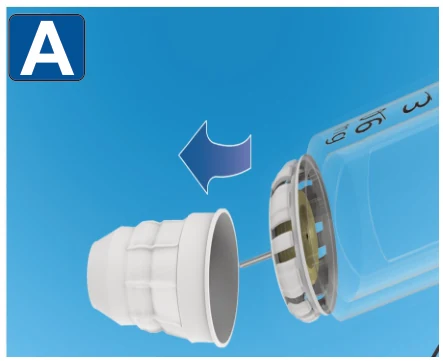
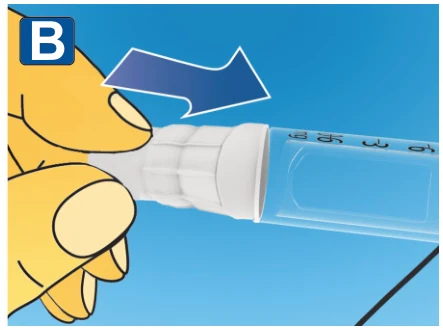
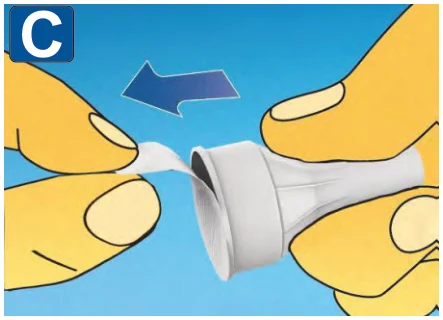
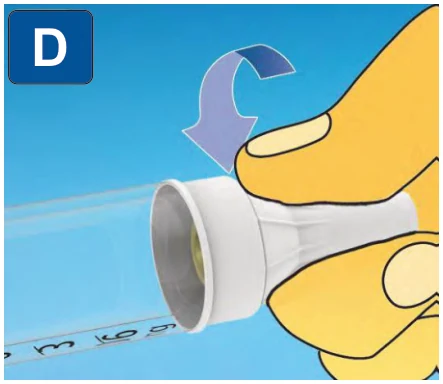
D C 1 Prepare your pen with a new needle
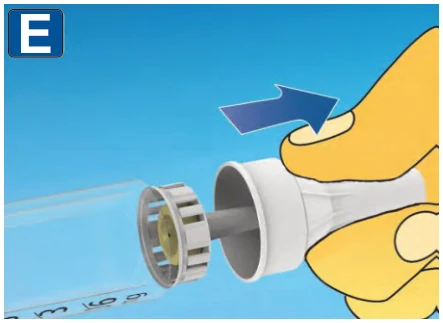
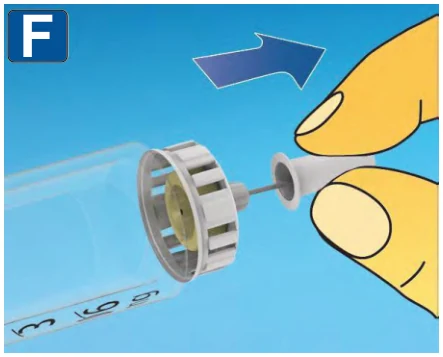
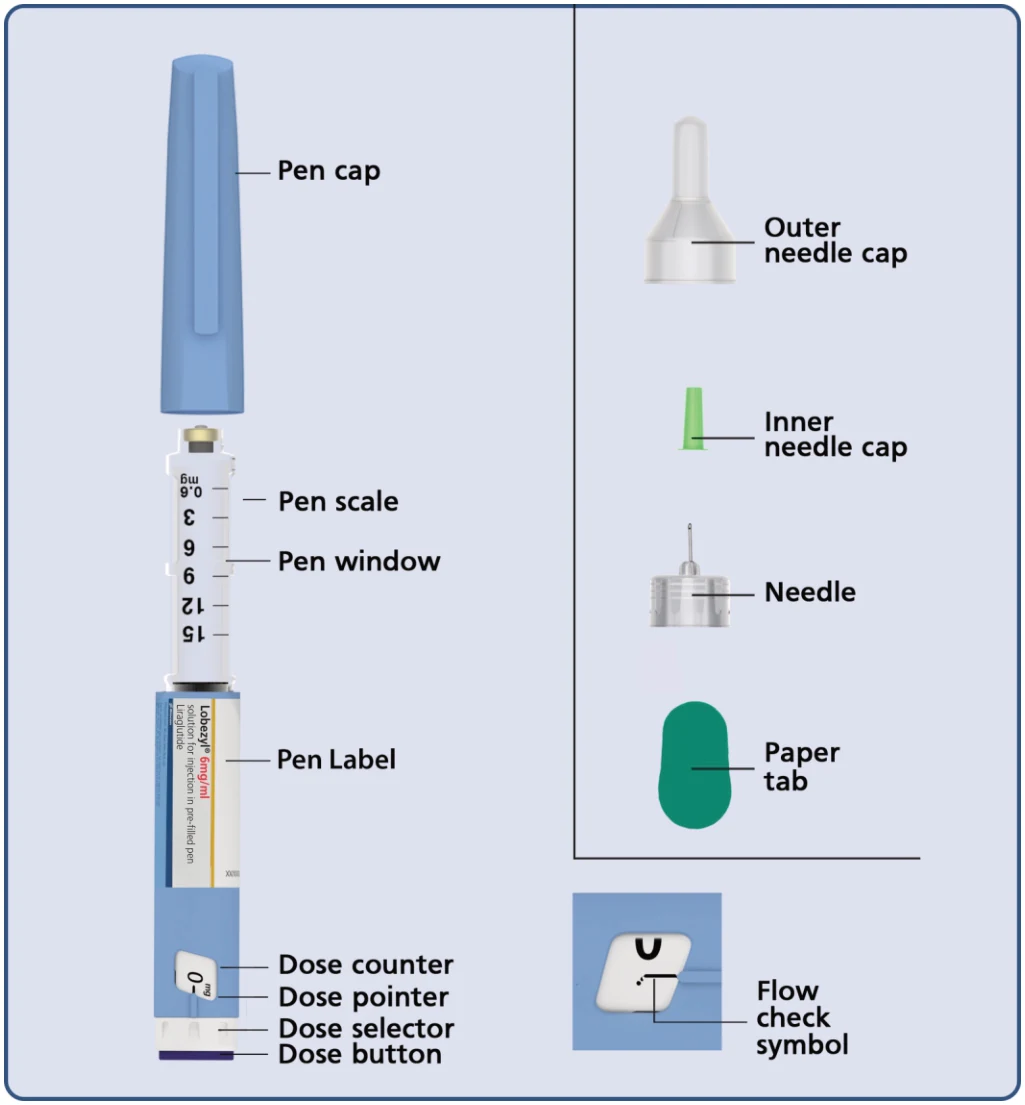
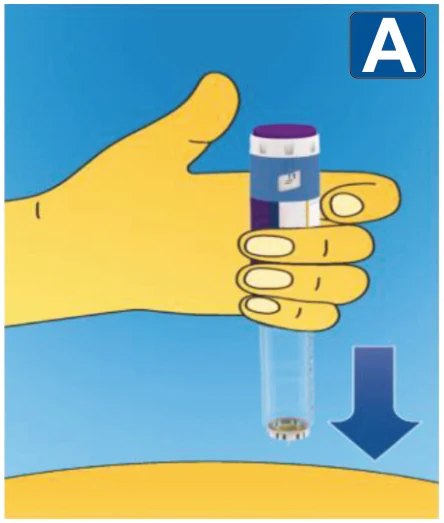
Lobezyl Injection pen and needle (example) ® Instructions on how to use Lobezyl 6 mg/ml solution for injection in pre-filled pen Please read these instructions carefully before using your Lobezyl pre-filled pen. Do not use the pen without proper training from your doctor or nurse. Start by checking your pen to make sure that it contains Lobezyl 6 mg/ml, then look at the illustrations below to get to know the different parts of your pen and needle. If you are blind or have poor eyesight and cannot read the dose counter on the pen, do not use this pen without help. Get help from a person with good eyesight who is trained to use the Lobezyl pre-filled pen. Your pen is a pre-filled dial-a-dose pen. It contains 18 mg of liraglutide and delivers doses of 0.6 mg, 1.2 mg, 1.8 mg, 2.4 mg TM ® and 3.0 mg. BD Ultra fine or NovoFine disposable needles are recommended for use with this device. Needles are not included in the pack. Important information Pay special attention to these notes as they are important for safe use of the pen. | F A A E
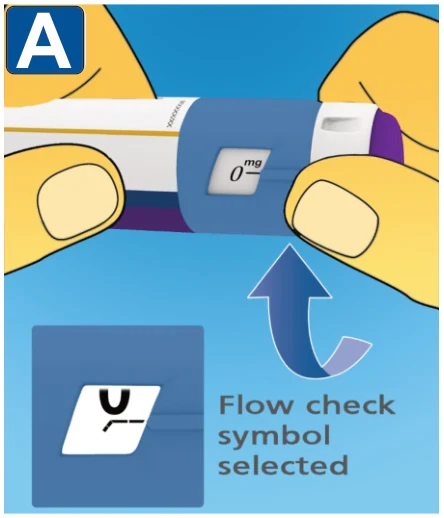
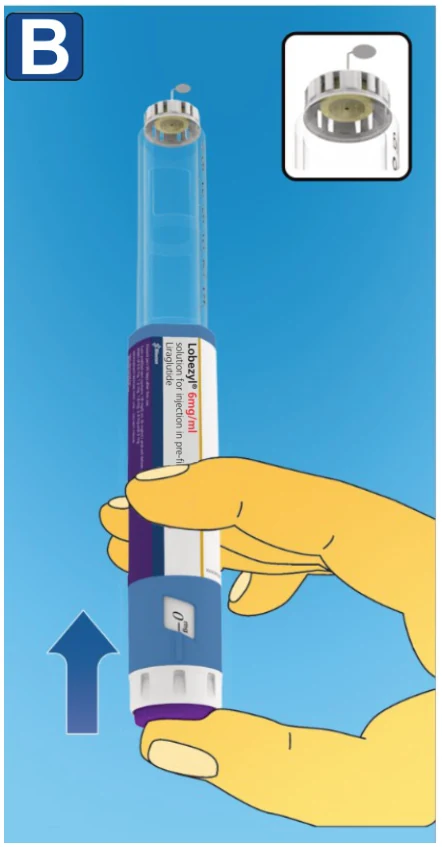
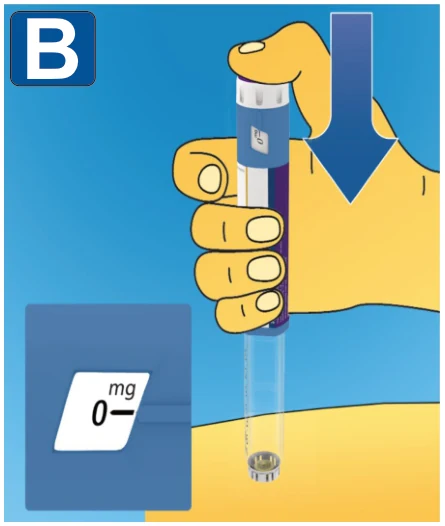
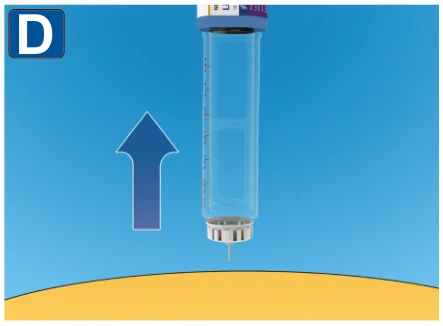
2 Check the flow with each new pen
3 Select your dose
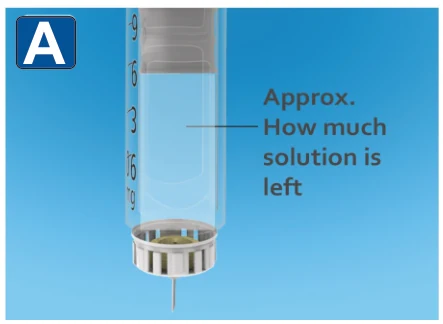
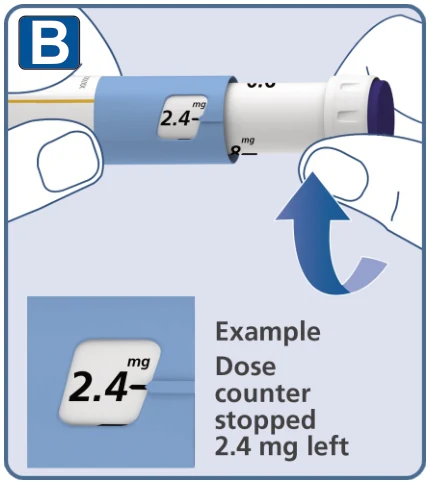
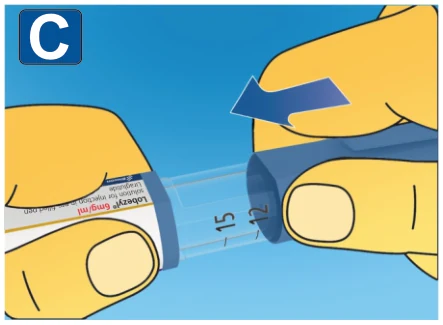
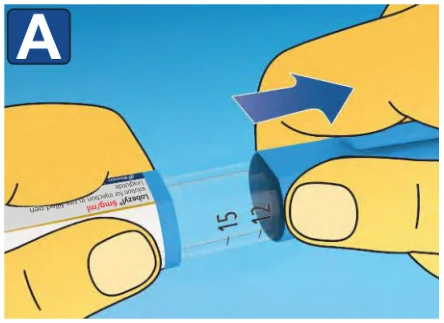
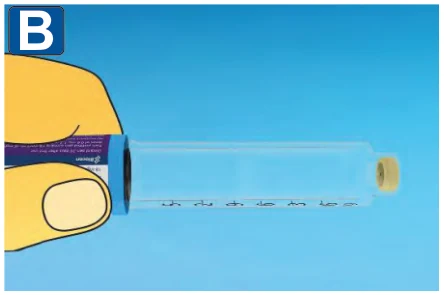
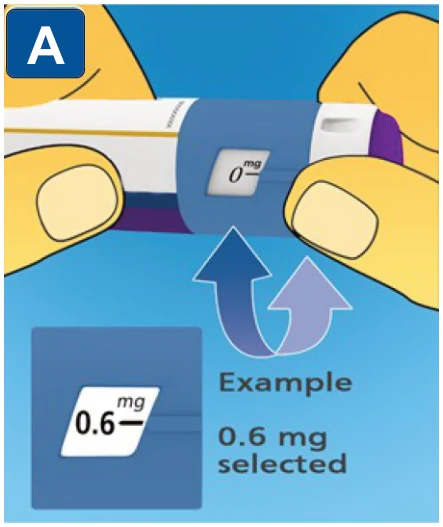
| D B A C A or 3.0 mg must be selected with the dose selector. The selected dose must line up precisely with the dose pointer to ensure that you get a correct dose. How much solution is left?
If you need more medicine than what is left in your pen Only if trained or advised by your doctor or nurse, you may split your dose between your current pen and a new pen. Use a calculator to plan the doses as instructed by your doctor or nurse. Be very careful to calculate correctly. If you are not sure how to split your dose using two pens, then select and inject the dose you need with a new pen. 4 Inject your dose
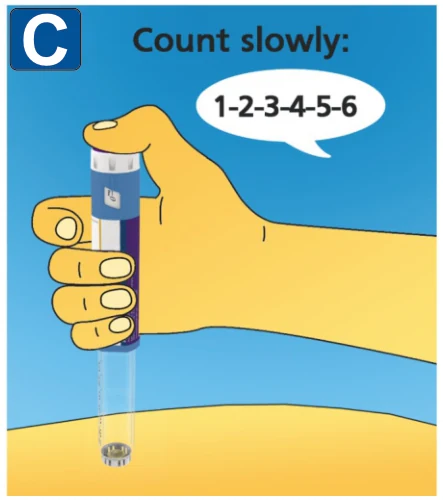
| A B have used a blocked or damaged needle.
How to handle a blocked needle? D Change the needle as described in step 5 'After your injection' and repeat all steps starting with step 1 'Prepare your pen with a new needle'. Make sure you select the full dose you need. Never touch the dose counter when you inject. This can interrupt the injection. 5 After your injection
Caring for your pen
| |||||||
This product is subject to medical prescription only. ® Lobezyl 6 mg/ml solution for injection in pre-filled pen BFXXXXX/XX BPCMXXXX/XX |

Note : Booklet to be sealed with
2 numbers of transparent perforated stickers.
Size:13x30mm plain perforated tape
Material : UPM 6L/RP37/01 PP CLEAR TC50/RP37/WG65
| B | B |
XXXXX
| C |