

Summary of Product Characteristics (SmPC) - Itovebi 9 mg film-coated tablets
1 NAME OF THE MEDICINAL PRODUCT
Itovebi 9 mg film-coated tablets
2 QUALITATIVE AND QUANTITATIVE COMPOSITION
Itovebi 9 mg film-coated tablets
Each film-coated tablet contains 9 mg of inavolisib.
Excipient(s) with known effect
Each film-coated tablet contains 66 mg of lactose.
For the full list of excipients, see section 6.1.
3 PHARMACEUTICAL FORM
Film-coated tablet (tablet).
Itovebi 9 mg film-coated tablets
Pink, oval film-coated tablet with an “INA 9” debossing on one side. Approximate size: 13 mm (length), 6 mm (width).
4 CLINICAL PARTICULARS
4.1 Therapeutic indications
Itovebi, in combination with palbociclib and fulvestrant, is indicated for the treatment of adult patients with PIK3CA-mutated, oestrogen receptor (ER)-positive, HER2-negative, locally advanced or metastatic breast cancer, following recurrence on or within 12 months of completing adjuvant endocrine treatment (see section 5.1).
Patients previously treated with a CDK 4/6 inhibitor in the (neo)adjuvant setting should have had an interval of at least 12 months between termination of CDK 4/6 inhibitor treatment and the detection of recurrence.
In pre/perimenopausal women and in men, endocrine therapy should be combined with a luteinising hormone-releasing hormone (LHRH) agonist.
4.2 Posology and method of administration
Treatment with Itovebi should be initiated by a physician experienced in the use of anticancer therapies.
Patients with ER-positive, HER2-negative, locally advanced or metastatic breast cancer should be selected for treatment with Itovebi based on the presence of one or more PIK3CA mutations in a tumour or plasma specimen, whichever is available, using a CE-marked in vitro diagnostic (IVD) medical device or a validated test. If a mutation is not detected in one specimen type, a mutation might be detected in the other specimen type, if available.
Posology
The recommended dose of Itovebi is 9 mg taken orally once daily with or without food.
Itovebi should be administered in combination with palbociclib and fulvestrant. The recommended dose of palbociclib is 125 mg taken orally once daily for 21 consecutive days followed by 7 days off treatment to comprise a complete cycle of 28 days. The recommended dose of fulvestrant is 500 mg administered intramuscularly on Days 1, 15, and 29, then once monthly thereafter. Please refer to the Summary of Product Characteristics (SmPC) of palbociclib and fulvestrant for more information.
Treatment of pre/perimenopausal women and men with Itovebi should also include an LHRH agonist in accordance with local clinical practice.
Duration of treatment
It is recommended that patients are treated with Itovebi until disease progression or unacceptable toxicity.
Delayed or missed doses
Patients should be encouraged to take their dose at approximately the same time each day. If a dose of Itovebi is missed, it can be taken within 9 hours after the time it is usually taken. After more than 9 hours, the dose should be skipped for that day. On the next day, Itovebi should be taken at the usual time. If the patient vomits after taking the Itovebi dose, the patient should not take an additional dose on that day and should resume the usual dosing schedule the next day at the usual time.
Dose modifications
Management of adverse reactions may require temporary interruption, dose reduction, or discontinuation of treatment with Itovebi. The recommended dose reduction guidelines for adverse reactions are listed in Table 1.
Table 1: Dose reduction guidelines for adverse reactions
| Dose level | Dose and schedule |
| Starting dose | 9 mg daily |
| First dose reduction | 6 mg daily |
| Second dose reduction | 3 mg dailya |
| a Itovebi treatment should be permanently discontinued if patients are unable to tolerate the 3 mg daily dose. | |
The dose of Itovebi may be re-escalated to a maximum daily dose of 9 mg based on clinical evaluation of the patient by the treating physician. Dose modification guidance for specific adverse reactions is presented in Tables 2-4.
Hyperglycaemia
Table 2: Dose modification and management for hyperglycaemia
Fasting glucose levelsa Recommendation
| Fasting glucose levelsa | Recommendation |
| > ULN to 160 mg/dL (> ULN to 8.9 mmol/L) |
|
| > 160 to 250 mg/dL (> 8.9 – 13.9 mmol/L) |
|
| > 250 to 500 mg/dL (> 13.9 – 27.8 mmol/L) |
|
| > 500 mg/dL (> 27.8 mmol/L) |
|
ULN = upper limit of normal a Fasting glucose levels (fasting plasma glucose [FPG] or fasting blood glucose [FBG]) should be checked prior to initiation of treatment. Fasting glucose levels referenced in this table reflect hyperglycaemia grading according to Common Terminology Criteria for Adverse Events (CTCAE) version 4.03. b Initiate applicable anti-hyperglycaemic treatments such as metformin, sodium-glucose cotransporter-2 (SGLT2) inhibitors, insulin sensitisers (such as thiazolidinediones), dipeptidyl peptidase-4 (DPP-4) inhibitors, or insulin, and review the respective prescribing information for dosing and dose titration recommendations, including local hyperglycaemia treatment guidelines. Metformin was recommended in the INAVO120 study as the preferred initial agent. See sections 4.4 and 4.8. c See section 4.4 for risk factors for hyperglycaemia. | |
Stomatitis
Table 3: Dose modification and management for stomatitis
| Gradea | Recommendation |
| Grade 1 |
|
| Grade 2 |
|
| Grade 3 |
|
| Grade 4 |
|
| a Based on CTCAE version 5.0. | |
Other adverse reactions
Table 4: Dose modification and management for other adverse reactions
| Gradea | Recommendation |
| For all grades: Initiate supportive therapy and monitor as clinically indicated. | |
| Grade 1 |
|
| Grade 2 |
|
| Grade 3, first event |
|
Grade 3, recurrent OR Grade 4, non-life-threatening |
|
| Grade 4, life-threatening |
|
| a Based on CTCAE version 5.0. | |
Special populations
Paediatric population
The safety and efficacy of Itovebi in children and adolescents aged 0 – 17 years have not been established. No data are available.
Elderly
No dose adjustment of Itovebi is required in patients ≥ 65 years of age based on population pharmacokinetic analysis. There are limited data in patients ≥ 65 years of age (see section 5.2).
Renal impairment
The recommended starting dose of Itovebi for patients with moderate renal impairment (eGFR 30 to < 60 mL/min based on CKD-EPI) is 6 mg orally once daily, and with severe renal impairment (eGFR < 30 mL/min based on CKD-EPI) is 3 mg orally once daily. No dose adjustment is required in patients with mild renal impairment (eGFR 60 to < 90 mL/min).
Hepatic impairment
No dose adjustment is required in patients with mild hepatic impairment (total bilirubin > ULN to ≤ 1.5 × ULN or AST > ULN and total bilirubin ≤ ULN). The safety and efficacy of Itovebi have not been established in patients with moderate to severe hepatic impairment (see section 5.2).
Method of administration
Itovebi is for oral use. The tablets can be taken with or without food. The tablets should be swallowed whole and not chewed, crushed, dissolved, or divided.
4.3 Contraindications
Hypersensitivity to the active substance or to any of the excipients listed in section 6.1.
4.4 Special warnings and precautions for use
Hyperglycaemia
The safety and efficacy of Itovebi in patients with Type 1 diabetes mellitus or Type 2 diabetes mellitus requiring ongoing anti-hyperglycaemic therapy have not been studied as these patients were excluded from the INAVO120 study. Only 1 patient with Type 2 diabetes was included in the Itovebi arm of the INAVO120 study, which should be considered when Itovebi is prescribed to patients with diabetes mellitus. Patients with a history of diabetes mellitus may require intensified anti-hyperglycaemic treatment and more frequent fasting glucose testing during Itovebi treatment. Treatment with Itovebi should not be initiated until fasting glucose levels are optimised. Consultation with a healthcare professional experienced in the treatment of hyperglycaemia should be considered before initiating Itovebi.
Hyperglycaemia has been frequently reported in patients treated with Itovebi. Severe cases of hyperglycaemia, including ketoacidosis with fatal complications, have occurred.
In the INAVO120 study, hyperglycaemia was managed with anti-hyperglycaemic treatment and adjustments of Itovebi as clinically indicated (see section 4.8). Short-term insulin may be used as rescue treatment for hyperglycaemia. There is limited experience in patients receiving insulin when being treated with Itovebi. A potential for hypoglycaemia with anti-hyperglycaemic medicinal products (e.g., insulin, sulfonylureas) should be considered when used to manage hyperglycaemia prior to Itovebi being interrupted or discontinued.
Before initiating treatment with Itovebi, patients should be advised of the signs and symptoms of hyperglycaemia (e.g., excessive thirst, urinating more often, blurred vision, mental confusion, difficulty breathing, or increased appetite with weight loss) and to immediately contact a healthcare professional if these symptoms occur. Optimal hydration should be maintained prior to and during treatment.
Patients should be tested for fasting glucose levels (FPG or FBG) and HbA1C prior to treatment with Itovebi and at regular intervals during treatment (see Table 5). Initiation of fasting glucose monitoring at home should be considered for patients who have risk factors for hyperglycaemia or who experience hyperglycaemia. Metformin premedication can be considered in patients with risk factors for hyperglycaemia. All patients should be instructed on lifestyle changes (e.g., dietary modifications, physical activity).
Table 5: Schedule of fasting glucose monitoring and HbA1C
| Recommended schedule for the monitoring of fasting glucose and HbA1C levels in all patients treated with Itovebi | |
| At screening, before initiating treatment with Itovebi | Test for fasting glucose levels (FPG or FBG) and HbA1C levels and optimise the patient’s blood glucose level (see Table 2). |
| After initiating treatment with Itovebi | Monitor/self-monitor fasting glucose once every 3 days for the first week (Day 1 to 7), then once every week for the next 3 weeks (Day 8 to 28), then once every 2 weeks for the next 8 weeks, then once every 4 weeks thereafter, and as clinically indicated*. |
| Recommended schedule for the monitoring of fasting glucose and HbA1C levels in all patients treated with Itovebi | |
Consider monitoring/self-monitoring fasting glucose levels more frequently as clinically indicated* in patients with risk factors for hyperglycaemia including, but are not limited to, (pre)diabetes, HbA1C ≥ 5.7%, BMI ≥ 30 kg/m2, ≥ 45 years of age, history of gestational diabetes, and family history of diabetes mellitus. More frequent fasting glucose testing is required in patients with concomitant use of corticosteroids, intercurrent infections, or other conditions which may require intensified glycaemia management to prevent worsening of impaired glucose metabolism and potential complications, including diabetic ketoacidosis. Monitoring of HbA1C and ketones (preferably in blood), in addition to fasting glucose, is recommended in these patients. Initiate or adjust anti-hyperglycaemic treatment as required (see section 4.2). | |
| HbA1C should be monitored every 3 months. | |
If hyperglycaemia develops after initiating treatment with Itovebi | Monitor fasting glucose more closely as clinically indicated*. Based on the severity of the hyperglycaemia, Itovebi dosing may be interrupted, reduced, or discontinued as described in Table 2 (see section 4.2). |
| During anti-hyperglycaemic treatment, fasting glucose levels should continue to be monitored at least once a week for 8 weeks, followed by once every 2 weeks, and as clinically indicated*. | |
| * All glucose monitoring should be performed at the physician’s discretion as clinically indicated. | |
Stomatitis
Stomatitis has been reported in patients treated with Itovebi (see section 4.8). Based on the severity of stomatitis, Itovebi dosing may be interrupted, reduced, or permanently discontinued (see Table 3).
Corticosteroid mouthwash was recommended for prophylaxis of stomatitis in the INAVO120 study. Among patients who received Itovebi in combination with palbociclib and fulvestrant, prophylaxis containing dexamethasone or triamcinolone was used in 19.1% and 1.2% of patients, respectively.
Patients should be advised to start alcohol-free corticosteroid mouthwash at the first sign of stomatitis and to avoid alcohol- or peroxide-containing mouthwashes as they may exacerbate the condition (see section 4.8). Dietary modifications (e.g., avoiding spicy foods) should be considered.
Use in patients who previously received a CDK4/6 inhibitor
Information on the efficacy of the combination of Itovebi, palbociclib, and fulvestrant is very limited in patients who previously received a CDK4/6 inhibitor as part of neoadjuvant or adjuvant treatment. Efficacy may be lower in such patients.
Lactose
Patients with rare hereditary problems of galactose intolerance, total lactase deficiency or glucose-galactose malabsorption should not take this medicine.
Sodium
This medicine contains less than 1 mmol sodium (23 mg) per film-coated tablet, that is to say essentially ‘sodium-free’.
4.5 Interaction with other medicinal products and other forms of interaction
No interaction studies have been performed.
CYP inhibitors and inducers
Clinical study results indicated that the predominant metabolites of inavolisib are not mediated by CYP enzymes, and that hydrolysis was the major metabolic pathway. This suggests a low likelihood of clinically relevant interactions between inavolisib and CYP inhibitors or inducers.
CYP substrates
Inavolisib induces CYP3A and is a time-dependent inhibitor of CYP3A in vitro. Therefore, inavolisib should be used with caution in combination with sensitive CYP3A4 substrates with a narrow therapeutic index (e.g., alfentanil, astemizole, cisapride, cyclosporine, quinidine, sirolimus, tacrolimus) as inavolisib may increase or decrease the systemic exposure of these substrates.
In addition, inavolisib induces CYP2B6, CYP2C8, CYP2C9, and CYP2C19 in vitro. Therefore, inavolisib should be used with caution in combination with sensitive substrates of these enzymes with a narrow therapeutic index (e.g., paclitaxel, warfarin, phenytoin, S-mephenytoin) as inavolisib may decrease their systemic exposure and consequently lead to decreased efficacy.
4.6 Fertility, pregnancy and lactation
Women of childbearing potential/Contraception in males and females
Females
Patients should be advised to use effective non-hormonal contraception during treatment with Itovebi and for 1 week after the last dose of Itovebi.
Males
It is not known if inavolisib is present in semen. To avoid potential foetal exposure during pregnancy, male patients with female partners of childbearing potential or pregnant female partners should use a condom during treatment with Itovebi and for 1 week after the last dose of Itovebi.
Pregnancy
The pregnancy status of females of reproductive potential should be verified prior to initiating Itovebi therapy. Pregnant women should be clearly advised of the potential risk to the foetus.
There are no or limited amount of data from the use of inavolisib in pregnant women. Studies in animals have shown reproductive toxicity (see section 5.3). Itovebi is not recommended during pregnancy and in women of childbearing potential not using contraception.
Breast-feeding
It is unknown whether inavolisib/metabolites are excreted in human milk. A risk to the newborns/infants cannot be excluded. Breast-feeding should be discontinued during treatment with Itovebi and for 1 week after the last dose of Itovebi.
Fertility
No human data on the effect of inavolisib on fertility are available. Based on animal studies, inavolisib may impact fertility in females and males of reproductive potential (see section 5.3).
4.7 Effects on ability to drive and use machines
Itovebi has minor influence on the ability to drive or use machines because fatigue has been reported during treatment with Itovebi.
4.8 Undesirable effects
Summary of the safety profile
The most common adverse reactions in patients who received Itovebi were hyperglycaemia (59.9%), stomatitis (51.2%), diarrhoea (48.1%), thrombocytopenia (48.1%), fatigue (37.7%), anaemia (37%), nausea (27.8%), decreased appetite (23.5%), rash (22.8%), headache (21%), weight decreased (17.3%), vomiting (14.8%), and urinary tract infection (13%).
The most common serious adverse reactions reported in patients who received Itovebi were anaemia (1.9%), diarrhoea (1.2%), and urinary tract infection (1.2%).
Permanent discontinuation of Itovebi due to an adverse reaction occurred in 3.1% of patients. The adverse reactions leading to permanent discontinuation of Itovebi were hyperglycaemia (1.2%), stomatitis (0.6%), alanine transaminase (ALT) increased (0.6%), and weight decreased (0.6%).
Tabulated list of adverse drug reactions
Adverse drug reactions, based on data from 162 patients with locally advanced or metastatic breast cancer who received Itovebi in combination with palbociclib and fulvestrant in the INAVO120 Phase 3, randomised study, and from post-marketing surveillance are listed by MedDRA system organ class in Table 6. The median duration of Itovebi treatment at the time of the analysis was 9.2 months (range: 0 to 38.8 months).
Within each system organ class, the adverse reactions are ranked by frequency, with the most frequent reactions first. The corresponding frequency category for each adverse drug reaction is based on the following convention: very common (≥ 1/10), common (≥ 1/100 to < 1/10), uncommon (≥ 1/1 000 to < 1/100), rare (≥ 1/10 000 to < 1/1 000), very rare (< 1/10 000), not known (cannot be estimated from available data). Within each frequency grouping, adverse reactions are presented in order of decreasing seriousness.
Table 6: Adverse drug reactions observed in patients treated with Itovebi
System organ class Adverse reaction | Itovebi + palbociclib + fulvestrant N=162 | ||
Frequency category (all grades) | All grades (%) | Grade 3-4 (%) | |
| Infections and infestations | |||
| Urinary tract infection | Very common | 13 | 1.2* |
| Blood and lymphatic system disorders | |||
| Thrombocytopenia | Very common | 48.1 | 14.2 |
| Anaemia | Very common | 37 | 6.2* |
| Metabolism and nutrition disorders | |||
| Hyperglycaemiaa | Very common | 59.9 | 5.6* |
| Decreased appetite | Very common | 23.5 | 0 |
| Hypokalaemia | Very common | 16 | 2.5 |
| Hypocalcaemia | Common | 8.6 | 1.2* |
| Ketoacidosis | Uncommonb | - | - |
| Nervous system disorders | |||
| Headache | Very common | 21 | 0 |
| Eye disorders | |||
| Dry eye | Common | 8.6 | 0 |
| Gastrointestinal disorders | |||
| Stomatitisc | Very common | 51.2 | 5.6* |
| Diarrhoea | Very common | 48.1 | 3.7* |
| Nausea | Very common | 27.8 | 0.6* |
| Abdominal pain | Very Common | 15.4 | 0.6* |
| Vomiting | Very common | 14.8 | 0.6* |
| Dysgeusia | Common | 8.6 | 0 |
| Dyspepsia | Common | 8 | 0 |
| Skin and subcutaneous tissue disorders | |||
| Rashd | Very common | 22.8 | 0 |
| Alopecia | Very common | 18.5 | 0 |
| Dry skine | Very common | 13 | 0 |
| Dermatitisf | Common | 2.5 | 0 |
| Folliculitis | Common | 1.2 | 0 |
| General disorders and administration site conditions | |||
| Fatigue | Very common | 37.7 | 1.9* |
System organ class Adverse reaction | Itovebi + palbociclib + fulvestrant N=162 | ||
Frequency category (all grades) | All grades (%) | Grade 3-4 (%) | |
| Investigations | |||
Alanine aminotransferase increased | Very common | 17.3 | 3.7* |
| Weight decreased | Very common | 17.3 | 3.7* |
| Blood insulin increased | Common | 6.2 | 0 |
Grading according to CTCAE version 5.0. * No Grade 4 events were observed. a Includes hyperglycaemia, blood glucose increased, hyperglycaemic crisis, glycated serum protein increased, glucose tolerance impaired, diabetes mellitus, Type 2 diabetes mellitus, and glycosylated haemoglobin increased. b Adverse reaction reported during post-marketing experience. The frequency category was estimated as the upper limit of the 95% confidence interval calculated on the basis of the total number of patients exposed to Itovebi in clinical trials. c Includes aphthous ulcer, glossitis, glossodynia, lip ulceration, mouth ulceration, mucosal inflammation, and stomatitis. d Includes rash, rash erythematous, rash maculo-papular, rash papular, rash pruritic, and rash pustular. e Includes dry skin, skin fissures, xerosis, and xeroderma. f Includes dermatitis, dermatitis acneiform, and dermatitis bullous. | |||
Description of selected adverse drug reactions
Hyperglycaemia
In the INAVO120 study, hyperglycaemia of any grade was reported in 59.9% of patients treated with Itovebi in combination with palbociclib and fulvestrant; Grade 2 and Grade 3 events were reported in 38.3% and 5.6% of patients, respectively (based on CTCAE version 5.0). Among the patients who experienced hyperglycaemia, the rate of new onset of hyperglycaemia events was highest during the first two months of treatment with a median time to first onset of 7 days (range: 2 to 955 days).
In the 97 patients who received Itovebi in combination with palbociclib and fulvestrant and experienced hyperglycaemia, 74.2% (72/97) received anti-hyperglycaemic medicines including SGLT2 inhibitors, thiazolidinediones, and DPP-4 inhibitors for prophylaxis or treatment of hyperglycaemia. All patients who received anti-hyperglycaemic medicines received metformin as a single agent or in combination with other anti-hyperglycaemic medicines (i.e., insulin, DPP-4 inhibitors, and sulfonylureas); and 11.3% (11/97) received insulin (see section 4.4).
In patients with fasting glucose levels > 160 mg/dL (> 8.9 mmol/L) with at least one level (see Table 2) improvement in fasting blood glucose levels (n=52), the median time to improvement was 8 days (range: 2 to 43 days).
Hyperglycaemia led to interruption of Itovebi in 27.8%, to dose reduction of Itovebi in 2.5%, and to discontinuation of Itovebi in 1.2% of patients.
Stomatitis
Stomatitis was reported in 51.2% of patients treated with Itovebi in combination with palbociclib and fulvestrant; Grade 1 events were reported in 32.1% of patients, Grade 2 events in 13.6% of patients, and Grade 3 events in 5.6% of patients. Among patients who experienced stomatitis, the median time to first onset was 13 days (range: 1 to 610 days).
Stomatitis led to interruption of Itovebi in 9.9%, to dose reduction of Itovebi in 3.7%, and to discontinuation of Itovebi in 0.6% of patients.
In patients who received Itovebi in combination with palbociclib and fulvestrant, 24.1% used a mouthwash containing dexamethasone for management of stomatitis (see section 4.4).
Diarrhoea
Diarrhoea was reported in 48.1% of patients treated with Itovebi in combination with palbociclib and fulvestrant; Grade 1 events were reported in 27.8% of patients, Grade 2 events in 16.7% of patients, and Grade 3 events in 3.7% of patients. Among patients who experienced diarrhoea, the median time to first onset was 15 days (range: 2 to 602 days).
Diarrhoea led to interruption of Itovebi in 6.8%, to dose reduction of Itovebi in 1.2%, and did not lead to discontinuation of Itovebi in any patients.
Anti-diarrhoeal medicines (e.g., loperamide) were used in 28.4% of patients who received Itovebi in combination with palbociclib and fulvestrant to manage symptoms.
Elderly
Analysis of the safety of Itovebi comparing patients ≥ 65 years of age (14.8%) to younger patients (85.2%) suggests a higher incidence of Itovebi dose modification/interruptions (79.2% versus 68.1%).
Reporting of suspected adverse reactions
Reporting suspected adverse reactions after authorisation of the medicinal product is important. It allows continued monitoring of the benefit/risk balance of the medicinal product. Healthcare professionals are asked to report any suspected adverse reactions via the Yellow Card Scheme Website: www.mhra.gov.uk/yellowcard or search for MHRA Yellow Card in the Google Play or Apple App Store.
4.9 Overdose
The highest dose of Itovebi administered in the INAVO120 study was 18 mg in one patient. This event of accidental overdose was resolved in one day and did not require treatment or lead to dose modification of any study drugs.
Patients who experience overdose should be closely supervised and supportive care instituted. There are no known antidotes for Itovebi.
5 PHARMACOLOGICAL PROPERTIES
5.1 Pharmacodynamic properties
Pharmacotherapeutic group: Antineoplastic agents, PI3K inhibitors, ATC Code: L01EM06
Mechanism of action
Inavolisib is an inhibitor of the phosphatidylinositol-4,5-bisphosphate 3-kinase (PI3K) catalytic subunit alpha isoform protein (p110α; encoded by the PIK3CA gene). In addition, inavolisib promotes the degradation of mutated p110α (mutant degrader). The PI3K signalling pathway is commonly dysregulated in HR-positive breast cancer, often due to activating PIK3CA mutations. With its dual mechanism of action, inavolisib inhibits the activity of downstream PI3K pathway targets, including AKT, resulting in reduced cellular proliferation and induction of apoptosis in PIK3CA-mutated breast cancer cell lines.
Clinical efficacy and safety
Locally advanced or metastatic breast cancer
The patients in this setting, based on data from the INAVO120 study, are defined as endocrine-resistant patients (disease recurrence on or within 12 months of adjuvant endocrine treatment completion) who have not received prior treatment for their locally advanced or metastatic disease.
INAVO120
The efficacy of Itovebi in combination with palbociclib and fulvestrant was evaluated in a Phase 3, randomised, double-blind, placebo-controlled study in adult patients with PIK3CA-mutated, HR-positive, HER2-negative, locally advanced or metastatic breast cancer whose disease progressed during or within 12 months of completing adjuvant endocrine therapy (endocrine-resistant) and who have not received prior systemic therapy for locally advanced or metastatic disease. The study included patients who received prior (neo)adjuvant endocrine therapy including a CDK4/6 inhibitor if the progression event was > 12 months since completion of the CDK4/6 inhibitor portion of (neo)adjuvant therapy, and who had HbA1C < 6% and fasting blood glucose < 126 mg/dL. The study excluded patients with Type 1 diabetes mellitus or Type 2 diabetes mellitus requiring ongoing anti-hyperglycaemic therapy at the start of study treatment, patients who received prior treatment with fulvestrant (except as part of neoadjuvant therapy with treatment duration ≤ 6 months), and patients with known and untreated, or active CNS metastases (progressing or requiring anticonvulsants or corticosteroids for symptomatic control).
PIK3CA mutation status was prospectively determined through testing of plasma-derived circulating tumour DNA (ctDNA) using a next-generation sequencing (NGS) assay (FoundationOne® Liquid CDx assay or PredicineCARETM) performed at a central laboratory (87.4%), or in local laboratories (12.6%) using various validated polymerase chain reaction (PCR) or NGS assays on tumour tissue or plasma. The following PIK3CA mutations at the indicated amino acid positions were eligible for inclusion: H1047D/I/L/N/P/Q/R/T/Y, G1049A/C/D/R/S, E545A/D/G/K/L/Q/R/V, E453A/D/G/K/Q/V, E542A/D/G/K/Q/R/V, K111N/R/E, Q546E/H/K/L/P/R, G106A/D/R/S/V, N345D/H/I/K/S/T/Y, G118D, C420R, R88Q, and M1043I/T/V. At least one eligible PIK3CA mutation was identified in at least one of these amino acid positions in each of the enrolled patient specimens. Based on results from the central FoundationOne® Liquid CDx assay, the most common PIK3CA alterations were short variants at amino acids H1047 (n=115, 42.6%), E545 (n=58, 21.5%), and E542 (n=39, 14.4%). There were 25 patients whose specimens harboured more than one PIK3CA alterations (i.e., multiple PIK3CA mutations), and 33 with less common PIK3CA alterations.
A total of 325 patients were randomised 1:1 to receive either Itovebi 9 mg (n=161) or placebo (n=164) orally once daily, in combination with palbociclib and fulvestrant, until disease progression or unacceptable toxicity. In addition, pre/perimenopausal women and men received an LHRH agonist throughout therapy. Randomisation was stratified by presence of visceral disease (yes or no), endocrine resistance (primary or secondary), and geographic region (North America/Western Europe, Asia, other).
The baseline demographic and disease characteristics were: median age 54 years (range: 27 to 79 years, 18.2% were ≥ 65 years of age); 98.2% female; 38.2% pre/perimenopausal; 58.8% White, 38.2% Asian, 2.5% unknown, 0.6% Black or African American; 6.2% Hispanic or Latino; and Eastern Cooperative Oncology Group (ECOG) performance status of 0 (63.4%) or 1 (36.3%). Tamoxifen (56.9%) and aromatase inhibitors (50.2%) were the most commonly used adjuvant endocrine therapies. Three (0.9%) patients received prior CDK4/6 inhibitor therapy. The demographics and baseline disease characteristics were balanced and comparable between study arms.
The primary efficacy outcome measure was investigator (INV)-assessed progression-free survival (PFS) per Response Evaluation Criteria in Solid Tumours (RECIST) version 1.1. The secondary efficacy outcome measures included overall survival (OS), objective response rate (ORR), best overall response (BOR), clinical benefit rate (CBR), duration of response (DOR), and time to confirmed deterioration (TTCD) in pain, physical function, role function, and global health status/health-related quality of life (HRQoL).
Efficacy results are summarised in Table 7, Figure 1, and Figure 2. INV-assessed PFS results were supported by consistent results from blinded independent central review (BICR) assessment.
Table 7: Efficacy results in patients with locally advanced or metastatic breast cancer in INAVO120
| Efficacy endpoint | Itovebi + palbociclib + fulvestrant N=161 | Placebo + palbociclib + fulvestrant N=164 |
| INV-assessed progression-free survivala | ||
| Patients with event, n (%) | 82 (50.9) | 113 (68.9) |
| Median, months (95% CI) | 15 (11.3, 20.5) | 7.3 (5.6, 9.3) |
| Hazard ratio (95% CI) | 0.43 (0.32, 0.59) | |
| p-value | < 0.0001 | |
| Overall survivalb,c | ||
| Patients with event, n (%) | 72 (44.7) | 82 (50) |
| Median, months (95% CI) | 34 (28.4, 44.8) | 27 (22.8, 38.7) |
| Hazard ratio (95% CI) | 0.67 (0.48, 0.94) | |
| p-value | 0.0190 | |
| Objective response rateb,d | ||
| Patients with CR or PR, n (%) | 101 (62.7) | 46 (28) |
| 95% CI | (54.8, 70.2) | (21.3, 35.6) |
| p-value | <0.0001 | |
| Duration of responseb | ||
| Median DOR, months (95% CI) | 19.2 (14.7, 28.3) | 11.1 (8.5, 20.2) |
| CI = confidence interval; CR = complete response; PR = partial response a Per RECIST version 1.1. Based on primary analysis (clinical cutoff date: 29 September 2023). | ||
b Based on final overall survival analysis (clinical cutoff date: 15 November 2024). c The prespecified boundary for statistical significance was p < 0.0469.
d Per RECIST version 1.1. ORR is defined as the proportion of patients with a CR or PR on two consecutive occasions ≥ 4 weeks apart, as determined by the investigator.
Figure 1 INV-assessed progression-free survival in patients with locally advanced or metastatic breast cancer in INAVO120
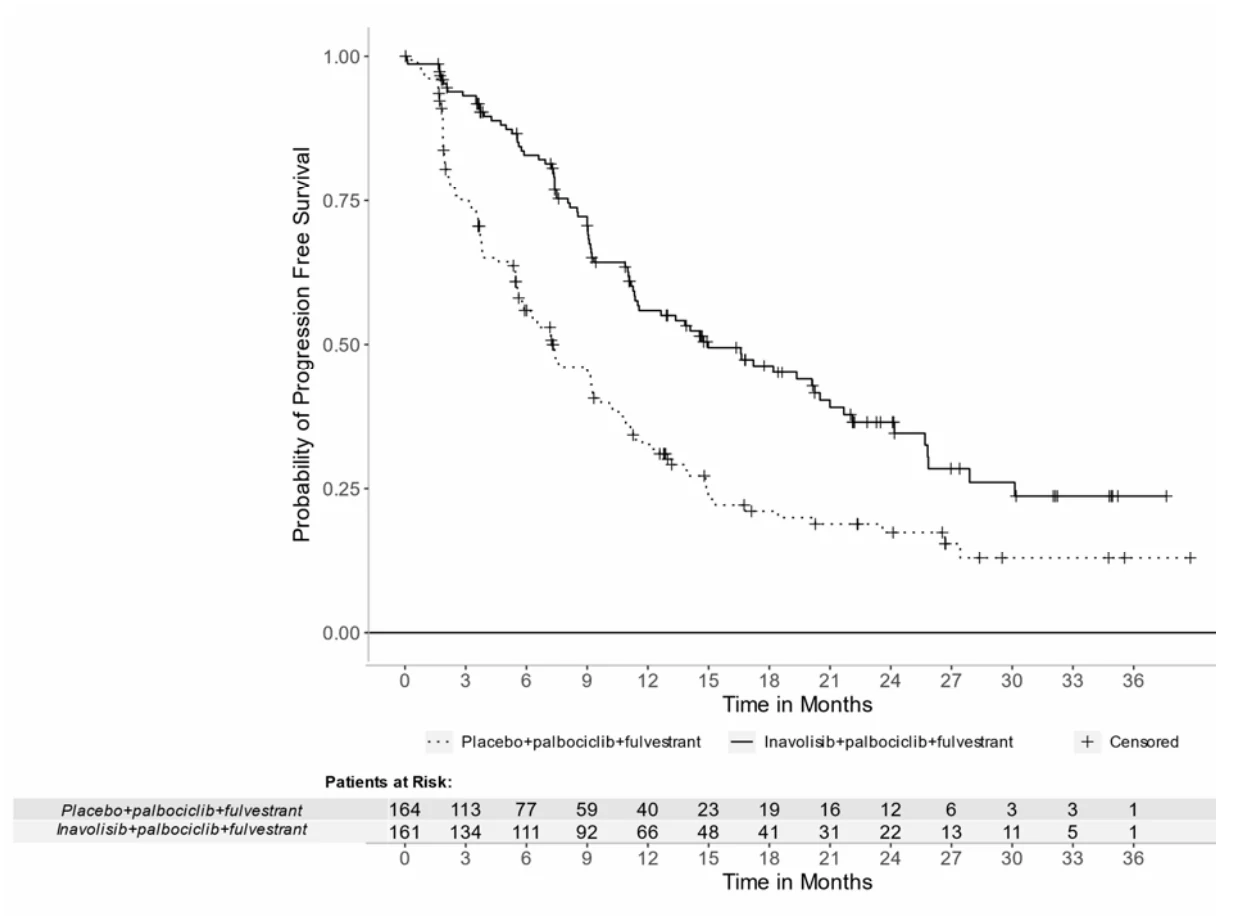
Figure 2 Overall survival in patients with locally advanced or metastatic breast cancer in INAVO120
Paediatric population
The Licensing Authority has waived the obligation to submit the results of studies with Itovebi in all subsets of the paediatric population in breast cancer (see section 4.2 for information on paediatric use).
5.2 Pharmacokinetic properties
The pharmacokinetics of inavolisib were characterised in healthy subjects and in patients with locally advanced or metastatic PIK3CA-mutated solid tumours, including breast cancer, under an oral dosing regimen ranging from 6 mg to 12 mg daily and in healthy subjects at 9 mg single dose.
Inavolisib pharmacokinetics are presented as geometric mean (geometric coefficient of variation [geo CV]%) following administration of the approved recommended dosage unless otherwise specified. Based on population pharmacokinetics analysis, the inavolisib steady-state AUC was 1019 h*ng/mL (29%) and Cmax was 67 ng/mL (28%). Steady-state concentrations were predicted to be attained by day 5.
With 9 mg once daily dosing, the geometric mean accumulation ratio was about 2-fold.
Absorption
The time to maximum plasma concentration (Tmax) was reached after a median of 3 hours (range: 0.5 to 4 hours) at steady state following 9 mg daily dosing of inavolisib, under fasted conditions.
The absolute oral bioavailability of inavolisib was 76%.
Food effect
No clinically significant effect of food on inavolisib exposure was observed. The geometric mean ratio (GMR) (90% CI) for AUC0-24 comparing the fed to the fasted state was 0.895 (0.737 – 1.09) after a single dose and 0.876 (0.701 – 1.09) at steady state. The GMR (90% CI) for Cmax comparing the fed to the fasted state was 0.925 (0.748 – 1.14) after a single dose and 0.910 (0.712 – 1.16) at steady state.
Distribution
Plasma protein binding of inavolisib in humans is 37% and did not appear to be concentration-dependent over the concentration range tested (0.1 – 10 μM). In humans, the estimated steady state oral volume of distribution is 155 L (26%) based on population pharmacokinetics analysis.
Biotransformation
Following oral administration of a single radio-labelled 9 mg dose of inavolisib to healthy subjects, parent drug was the most prominent drug-related compound in plasma and urine. Hydrolysis was the major metabolic pathway. No specific hydrolysis enzymes involved in the metabolism of inavolisib were identified.
Elimination
Following oral administration of a single radio-labelled 9 mg dose of inavolisib to healthy subjects, 48.5% of the administered dose was recovered in urine (40.4% unchanged) and 48% in faeces (10.8% unchanged).
In clinical studies, based on population pharmacokinetics analysis, the geometric mean of the individual elimination half-life estimates for inavolisib was 15 hours (24%) following a single 9 mg dose. The estimated total clearance of inavolisib is 8.8 L/hr (29%).
Linearity/non-linearity
Limited data suggest dose proportionality within the dose range tested (6 to 12 mg) for single-dose Cmax and AUC0-24 and steady-state AUC0-24; however, for steady-state Cmax, the data suggest non-proportionality.
Drug-drug interactions
Clinical study results indicated that the predominant metabolites of inavolisib are not mediated by CYP enzymes, suggesting a low likelihood of clinically relevant interactions between inavolisib and CYP inhibitors or inducers. Moreover, in vitro results indicated that inavolisib does not inhibit CYP1A2, CYP2B6, CYP2C8, CYP2C9, CYP2C19, or CYP2D6 enzymes.
In vitro studies have shown that inavolisib does not appear to have the potential to inhibit any of the relevant drug transporters tested. Furthermore, inavolisib is a substrate of P-glycoprotein (P-gp) and breast cancer resistance protein (BCRP) in vitro. However, based on the overall pharmacokinetic characteristics of inavolisib, inhibitors or inducers of P-gp and/or BCRP are not expected to cause a clinically relevant drug-drug interaction with inavolisib.
Special populations
Elderly
No clinically relevant differences in inavolisib pharmacokinetics were noted between patients 65 years of age and older and those under 65 years based on population pharmacokinetic analysis. Of the 162 patients who received Itovebi in the INAVO120 study, 24 patients were ≥ 65 years of age.
Renal impairment
Population pharmacokinetic analyses indicated that mild renal impairment is not a clinically relevant covariate on inavolisib exposure. The pharmacokinetics of inavolisib in patients with mild renal impairment (eGFR 60 to < 90 mL/min) were similar to those in patients with normal renal function. Inavolisib AUC and Cmax were 73% and 11% higher in patients with moderate renal impairment (eGFR 30 to < 60 mL/min), and 123% and 33% higher in patients with severe renal impairment (eGFR < 30 mL/min), compared to patients with normal renal function (eGFR ≥ 90 mL/min), respectively.
Hepatic impairment
Population pharmacokinetic analyses indicated that mild hepatic impairment is not a clinically relevant covariate on inavolisib exposure. The pharmacokinetics of inavolisib in patients with mild hepatic impairment (total bilirubin > ULN to ≤ 1.5 × ULN or AST > ULN and total bilirubin ≤ ULN) were similar to those in patients with normal hepatic function. The effect of moderate to severe hepatic impairment on inavolisib pharmacokinetics has not been studied.
5.3 Preclinical safety data
Genotoxicity
Inavolisib was not mutagenic in the bacterial mutagenesis assay.
Inavolisib showed clastogenicity in vitro; however, there was no evidence of inavolisib-induced in vivo genotoxicity (clastogenicity, aneugenicity, or DNA damage) in the micronucleus and comet study in rats at doses up to a maximum tolerated dose (MTD) of 16 times the exposure at a clinical dose of 9 mg.
Carcinogenicity
No carcinogenicity studies with inavolisib have been conducted.
Developmental toxicity
An embryo-foetal development study in Sprague-Dawley rats identified inavolisib-related dose-dependent effects on embryo-foetal development that included decreases in foetal body weight and placental weight, post-implantation loss, lower foetal viability, and teratogenicity (foetal external, visceral, and skeletal malformations), with the maternal exposure at NOAEL being 0.2 times the exposure at a clinical dose of 9 mg.
Fertility
No dedicated fertility studies with inavolisib have been conducted.
In male rats, dose-dependent atrophy of the prostate and seminal vesicle and decreased organ weights without microscopic correlate in the epididymis and testis were observed (at ≥ NOAEL of 0.4 times the exposure at a clinical dose of 9 mg). These findings were reversible. In male dogs, focal inspissation of seminiferous tubule contents and multinucleated spermatids in the testis and epithelial degeneration/necrosis in the epididymis were observed following 4 weeks of dosing (at ≥ 2 times the exposure at a clinical dose of 9 mg). Following 3 months of dosing at up to 1.2 times the exposure at a clinical dose of 9 mg, a reversible decrease in total sperm count was observed with a no observed adverse effect level (NOAEL) of 0.4 times the exposure at a clinical dose of 9 mg but there were no inavolisib-related microscopic findings in the testes or epididymides or effects on sperm concentration, motility, or morphology.
In female rats, minimal to mild atrophy in the uterus and vagina, decreased ovarian follicles, and findings suggestive of an interruption/alteration of the oestrus cycle were observed (at ≥ 1.2 times the exposure at a clinical dose of 9 mg), with a NOAEL of 0.5 times the exposure at a clinical dose of 9 mg. These findings were not observed following the recovery period in the 4-week toxicity study. Recovery was not assessed in the 3-month study in rats.
Other
Adverse reactions not observed in clinical studies, but seen in animals at exposure levels similar to clinical exposure levels and with possible relevance to clinical use, included inflammation in dogs and eye lens degeneration in rats. The inflammation is consistent with the anticipated pharmacologic effects of PI3K inhibition, was generally dose-dependent and reversible. Minimal lens fibre degeneration observed in some rats (at ≥ 3.6 times the exposure at a clinical dose of 9 mg) was considered irreversible.
6 PHARMACEUTICAL PARTICULARS
6.1 List of excipients
Itovebi 9 mg tablet core
Lactose monohydrate
Magnesium stearate (E470b)
Microcrystalline cellulose (E460)
Sodium starch glycolate
Itovebi 9 mg film-coating
Polyvinyl alcohol, partially hydrolysed
Titanium dioxide (E 171)
Macrogol
Talc (E 553b)
Iron oxide red (E 172)
Iron oxide yellow (E 172)
6.2 Incompatibilities
Not applicable.
6.3 Shelf life
3 years.
6.4 Special precautions for storage
This medicinal product does not require any special temperature storage conditions. Store in the original package in order to protect from moisture.
6.5 Nature and contents of container
Alu/Alu (aluminium/aluminium) perforated unit-dose blisters in cartons of 28 × 1 film-coated tablets.
6.6 Special precautions for disposal
Any unused medicinal product or waste material should be disposed of in accordance with local requirements.
7 MARKETING AUTHORISATION HOLDER
Roche Products Limited
6 Falcon Way, Shire Park
Welwyn Garden City
AL7 1TW
United Kingdom
8 MARKETING AUTHORISATION NUMBER(S)
PL 00031/0947
9 DATE OF FIRST AUTHORISATION/RENEWAL OF THE
AUTHORISATION
26/11/2025
10 DATE OF REVISION OF THE TEXT
30/04/2026