

Summary of Product Characteristics (SmPC) - Hetronifly 10 mg/ml concentrate for solution for infusion
1 NAME OF THE MEDICINAL PRODUCT
Hetronifly 10 mg/ml concentrate for solution for infusion
2 QUALITATIVE AND QUANTITATIVE COMPOSITION
Each ml of concentrate for solution for infusion contains 10 mg of serplulimab. One vial of 10 ml of concentrate contains 100 mg of serplulimab.
Serplulimab is a humanised antibody (IgG4/kappa isotype with a stabilising sequence alteration in the hinge region) produced in Chinese hamster ovary cells by recombinant DNA technology.
Excipient with known effect
Each 10 ml vial contains 0.98 mmol (22.5 mg) sodium and 2.0 mg polysorbate 80 (E 433).
For the full list of excipients, see section 6.1.
3 PHARMACEUTICAL FORM
Concentrate for solution for infusion (sterile concentrate).
Colourless to slightly yellow, clear to slightly opalescent solution, pH 5.2-5.8, osmolality of approximately 280-340 mOsm/kg.
4 CLINICAL PARTICULARS
4.1 Therapeutic indications
Small cell lung cancer (SCLC)
HETRONIFLY in combination with carboplatin and etoposide is indicated for the first-line treatment of adult patients with extensive-stage small cell lung cancer (ES-SCLC).
Non-small cell lung carcinoma (NSCLC)
HETRONIFLY in combination with carboplatin and pemetrexed is indicated for the first-line treatment of adult non-squamous NSCLC patients with no EGFR, ALK or ROS1 positive mutations and who have:
- locally advanced NSCLC who are not candidates for surgery or radiotherapy, or
- metastatic NSCLC.
HETRONIFLY in combination with carboplatin and nab-paclitaxel is indicated for the first-line treatment of adult patients with unresectable, locally advanced or metastatic squamous non-small cell lung carcinoma.
Oesophageal squamous cell carcinoma (OSCC)
HETRONIFLY in combination with fluoropyrimidine and platinum-based chemotherapy is indicated for the first-line treatment of adult patients with unresectable, locally advanced, recurrent or metastatic oesophageal squamous cell carcinoma whose tumours express PD-L1 with a CPS ≥ 5.
4.2 Posology and method of administration
Treatment must be initiated and supervised by a physician experienced in the treatment of cancer.
PD-L1 testing
If specified in the indication, patient selection for treatment with HETRONIFLY based on the tumour expression of PD-L1 should be assessed by a CE-marked IVD with the corresponding intended purpose. If the CE-marked IVD is not available, an alternative validated test should be used (see sections 4.1, 4.4, and 5.1).
Posology
Small cell lung cancer (SCLC)
The recommended dose in both the induction and maintenance phases is 4.5 mg/kg bodyweight serplulimab every 3 weeks until disease progression or unacceptable toxicity. During the induction phase (4 cycles), carboplatin is administered on day 1, and etoposide on days 1, 2 and 3 of each 3-week cycle.
Non-small cell lung carcinoma (NSCLC)
For the treatment of non-squamous NSCLC, the recommended dose in both the induction and maintenance phases is 4.5 mg/kg bodyweight serplulimab every 3 weeks until disease progression or unacceptable toxicity. During the induction phase (4 cycles), carboplatin and pemetrexed are administered on day 1 of each 3-week cycle. During the maintenance phase, the administration of pemetrexed is continued at the discretion of the physician.
For the treatment of squamous NSCLC, the recommended dose in both the induction and maintenance phases is 4.5 mg/kg bodyweight serplulimab every 3 weeks until disease progression or unacceptable toxicity. During the induction phase (4 - 6 cycles), carboplatin is administered on day 1 and nab-paclitaxel on days 1, 8 and 15 of each 3-week cycle.
Oesophageal squamous cell carcinoma (OSCC)
The recommended dose in both the induction and maintenance phases is 3.0 mg/kg bodyweight serplulimab every 2 weeks until disease progression or unacceptable toxicity. During the induction phase, cisplatin is administered on day 1 of each 2-week cycle for up to 8 cycles, and 5-fluorouracil on day 1 of each 2-week cycle for up to 12 cycles.
For use in combination, see the Summary of Product Characteristics (SmPC) for the concomitant therapies.
Dose delay or discontinuation (see also section 4.4)
Dose escalation or reduction of HETRONIFLY is not recommended. Dose withholding or discontinuation may be required based on individual safety and tolerability. Dose withholding for up to 12 weeks for tolerability is acceptable (see section 4.4).
Recommended management of immune-mediated adverse reactions are described in Table 1.
Table 1. Recommended treatment modifications
| Adverse reactions | Severity | Treatment modification# |
| Immune-mediated lung disease | Grade 2 | Withhold until adverse reactions recover or improve to Grade 1 |
| Grade 3 or 4 or recurrent Grade 2 | Permanently discontinue | |
| Immune-mediated colitis | Grade 2 or 3 | Withhold until adverse reactions recover or improve to Grade 1 |
| Grade 4 or recurrent Grade 3 | Permanently discontinue | |
| Immune-mediated hepatitis | Grade 2 with AST or ALT > 3 to 5 times ULN, or total bilirubin > 1.5 to 3 times ULN | Withhold until adverse reactions recover or improve to Grade 1 |
| Grade 3 or 4 with AST or ALT > 5 times ULN, or total bilirubin > 3 times ULN | Permanently discontinue | |
| Immune-mediated nephritis and renal insufficiency | Grade 2 elevation of serum creatinine | Withhold until adverse reactions recover or improve to Grade 1 |
| Grade 3 or 4 elevation of serum creatinine | Permanently discontinue | |
| Immune-mediated endocrinopathies | Symptomatic Grade 2 or 3 hypothyroidism, Grade 2 or 3 hyperthyroidism, Grade 2 or 3 hypophysitis, Grade 2 adrenal insufficiency, Grade 3 hyperglycaemia or type 1 diabetes mellitus | Withhold until symptoms resolve and management with corticosteroids is complete. Treatment should be continued in the presence of hormone replacement therapy as long as no symptoms are present |
| Grade 4 hypothyroidism Grade 4 hyperthyroidism | Permanently discontinue |
| Adverse reactions | Severity | Treatment modification# |
Grade 4 hypophysitis Grade 3 or 4 adrenal insufficiency Grade 4 hyperglycaemia | ||
| Immune-mediated skin reactions | Grade 3 | Withhold until adverse reactions recover or improve to Grade 1 |
| Grade 4 Stevens Johnson Syndrome (SJS) or toxic epidermal necrolysis (TEN) | Permanently discontinue | |
| Other immune-mediated adverse reactions | Grade 2 myasthenia gravis / myasthenic syndrome* Grade 3 or 4 elevation of serum amylase or lipase Grade 2 or 3 pancreatitis Grade 2 myocarditis* Grade 2 or 3 other immune-mediated adverse reactions occurred for the first time Grade 3 decreased platelet count (thrombocytopenia) or white blood cell count | Withhold until adverse reactions recover or improve to Grade 1 |
Grades 3 or 4 myasthenia gravis / myasthenic syndrome Grade 4 pancreatitis or recurrent pancreatitis of any grade Grade 3 or 4 myocarditis Grade 3 or 4 encephalitis Grade 4 other immune-mediated adverse reactions occurred for the first time Grade 4 or recurrent Grade 3 decreased platelet count (thrombocytopenia) or white blood cell count | Permanently discontinue | |
| Infusion-related reactions | Grade 2 | Reduce infusion rate to half rate or interrupt. Treatment may be resumed when the event is resolved |
| Grade 3 or 4 | Permanently discontinue |
Note: Toxicity grades are in accordance with National Cancer Institute Common Terminology Criteria for Adverse Events Version 5.0 (NCI-CTCAE v5.0). #: Serplulimab must be permanently discontinued for any Grade 3 immune-mediated adverse reaction that recurs and for any Grade 4 immune-mediated adverse reactions, except for endocrinopathies that are controlled with replacement hormones (see sections 4.4 and 4.8). †: ALT, alanine aminotransferase; AST, aspartate aminotransferase; ULN, upper limit of normal.
*: The safety of retreatment with serplulimab in patients who experienced immune-mediated myasthenia gravis/myasthenic syndrome or myocarditis is not clear.
Special populations
Elderly
No dose adjustment is needed for elderly patients (≥ 65 years) (see section 5.1 and section 5.2).
Renal impairment
No dose adjustment is needed for patients with mild (CRCL=60-89 ml/min) or moderate (CRCL=30-59 ml/min) renal impairment. There are insufficient data and no dose recommendation can be made in patients with severe (CRCL=15-29 ml/min) renal impairment (see section 5.2).
Hepatic impairment
No dose adjustment is needed for patients with mild (bilirubin ≤ ULN and AST > ULN or bilirubin > 1 to 1.5 × ULN and any AST) hepatic impairment. There are insufficient data in patients with moderate (bilirubin > 1.5 to 3 × ULN and any AST) hepatic impairments and no data are available in severe (bilirubin > 3 × ULN and any AST) hepatic impairments. No dose recommendation can be made for patients with moderate or severe hepatic impairment (see section 5.2).
Paediatric population
There is no relevant use of serplulimab in the paediatric population.
Method of administration
HETRONIFLY is for intravenous use.
The initial infusion rate should be set up to 100 ml per hour. If the first infusion is well tolerated, all subsequent infusions may be shortened to 30 minutes (± 10 minutes).
When administered in combination with chemotherapy, HETRONIFLY should be given first followed by chemotherapy on the same day. Use separate infusion bags for each infusion.
HETRONIFLY must not be administered as an intravenous push or bolus injection.
The total dose of HETRONIFLY required should be diluted with sodium chloride 9 mg/ml (0.9%) solution for injection (see section 6.6).
For instructions on dilution and handling of the medicinal product before administration, see section 6.6.
4.3 Contraindications
Hypersensitivity to active substance or to any of the excipients listed in section 6.1.
4.4 Special warnings and precautions for use
Traceability
In order to improve the traceability of biological medicinal products, the name and the batch number of the administered product should be clearly recorded.
Assessment of PD-L1 status
When assessing the PD-L1 status of the tumour, it is important that a well validated methodology is chosen to minimise false negative or false positive determinations.
Immune-mediated adverse reactions
Immune-mediated adverse reactions, including severe and fatal cases, have occurred in patients receiving serplulimab (see section 4.8). Most immune-mediated adverse reactions occurring during treatment were reversible and managed by withholding treatment, administration of corticosteroids, and/or supportive care (see section 4.2). Immune-mediated adverse reactions have also occurred up to 3.6 months after the last dose. Immune-mediated adverse reactions affecting more than one body system can occur simultaneously.
For suspected immune-mediated adverse reactions, adequate evaluation to confirm aetiology or exclude other causes should be ensured. Based on the severity of the adverse reaction, treatment should be withheld, and corticosteroid administered. For most Grade 2 and some specific Grade 3 or 4 immune-mediated adverse reactions, administration should be withheld until recover or improve to Grade 1. Serplulimab must be permanently discontinued for any Grade 4 and some specific Grade 3 immune-mediated adverse reactions. For Grade 3, 4 and some specific Grade 2 immune-mediated adverse reactions (e.g., immune-mediated pneumonitis, immune-mediated myocarditis), corticosteroid (1-2 mg/kg/day prednisone or equivalent) and other symptomatic treatments should be given according to the clinical symptoms until recover or improve to Grade 1. Upon improvement to Grade ≤ 1, corticosteroid taper should be initiated and continued over at least 1 month. Rapid tapering may lead to worsening or recurrence of the adverse reaction. Non-corticosteroid immunosuppressive therapy (e.g., infliximab) should be added if there is worsening or no improvement despite corticosteroid use.
Immune-mediated lung disease
Immune-mediated pneumonitis, including fatal cases, has been reported in patients receiving HETRONIFLY (see section 4.8). Patients should be monitored for signs and symptoms of immune-mediated pneumonitis such as radiographic changes (e.g., focal ground glass opacities, patchy filtrates), dyspnoea, and hypoxia. Suspected immune-mediated pneumonitis should be confirmed with radiographic imaging, and other causes excluded. For treatment modification, see section 4.2.
Immune-mediated colitis
Immune-mediated colitis, including fatal cases, has been reported in patients receiving serplulimab (see section 4.8). Patients should be monitored for signs and symptoms of immune-mediated colitis, such as abdominal pain, diarrhoea, mucus, or blood in stool. Infection and other disease-mediated aetiologies should be ruled out. For treatment modification, see section 4.2. The potential risk of gastrointestinal perforation should be taken into consideration and confirmed by radiographic imaging and/or endoscopy if necessary. Immune-mediated hepatitis
Immune-mediated hepatitis, including fatal cases, has been reported in patients receiving serplulimab (see section 4.8). Patients should be monitored for changes in liver function and clinical signs and symptoms of immune-mediated hepatitis such as transaminase and total bilirubin elevations periodically (every month). Infection and diseases-related aetiologies should be ruled out. The frequency of liver function test should be increased, if immune-mediated hepatitis occurs. For treatment modification, see section 4.2.
Immune-mediated nephritis and renal insufficiency
Immune-mediated nephritis and renal insufficiency has been reported in patients receiving serplulimab (see section 4.8). Patients should be monitored for changes in renal function and clinical signs and symptoms of immune-mediated nephritis and renal insufficiency periodically (every month). The frequency of renal function test should be increased, if immune-mediated nephritis occurs. Most patients present with asymptomatic increases in serum creatinine. Disease-related aetiologies should be ruled out. For treatment modification, see section 4.2.
Immune-mediated endocrinopathies
Thyroid diseases
Thyroid disorders, including hyperthyroidism, hypothyroidism, and thyroiditis, have been reported in patients receiving serplulimab (see section 4.8). Patients should be monitored for changes in thyroid function and clinical signs and symptoms of thyroid disorders. For Grade 2 or 3 symptomatic hypothyroidism, serplulimab should be withheld and thyroid hormone replacement should be initiated as needed. For Grade 2 or 3 symptomatic hyperthyroidism, serplulimab should be withheld and anti-thyroid medicinal product should be initiated as needed. If acute inflammation of the thyroid is suspected, serplulimab should be withheld and initiate hormone therapy. Treatment may be resumed when symptoms of hypothyroidism or hyperthyroidism are controlled, and thyroid function is improved. For life-threatening hyperthyroidism or hypothyroidism, serplulimab must be permanently discontinued. Thyroid function should be monitored continuously to ensure appropriate hormone replacement (see section 4.2).
Pituitary disorders
Hypophysitis has been reported in patients receiving serplulimab (see section 4.8). Patients should be monitored for signs and symptoms of hypophysitis, and other causes should be ruled out. For Grade 2 or 3 symptomatic hypophysitis, serplulimab should be withheld, and hormone replacement should be initiated as needed. If acute hypophysitis is suspected, corticosteroids should be initiated. For life-threatening Grade 4 hypophysitis, serplulimab must be permanently discontinued (see section 4.2).
Adrenal insufficiency
Adrenal insufficiency has been reported in patients receiving serplulimab (see section 4.8). Patients should be monitored for signs and symptoms, and other causes should be ruled out. For Grade 2 adrenal insufficiency, serplulimab should be withheld and hormone replacement should be initiated as needed. For life-threatening Grade 3 or 4 adrenal insufficiency, serplulimab must be permanently discontinued. Adrenal gland function and hormone levels should be monitored continuously to ensure appropriate hormone replacement (see section 4.2).
Hyperglycaemia
Hyperglycaemia or type 1 diabetes mellitus has been reported in patients receiving serplulimab (see section 4.8). Patients should be monitored for blood glucose level and related clinical signs and symptoms. Insulin replacement therapy should be initiated as needed. For type 1 diabetes mellitus with poor blood glucose control, serplulimab should be withheld, and insulin replacement therapy should be initiated until the symptoms are improved. For life-threatening Grade 4 type 1 diabetes mellitus, serplulimab must be permanently discontinued. Blood glucose levels should be monitored continuously to ensure appropriate insulin replacement (see section 4.2).
Immune-mediated skin reactions
Immune-mediated skin reactions have been reported in patients receiving serplulimab (see section 4.8). For Grade 1 or 2 rash, serplulimab can be continued, and symptomatic treatment or local corticosteroids treatment can be given. For Grade 3 rash, serplulimab should be withheld, and symptomatic treatment or local corticosteroids treatment should be given. For Grade 4 rash, Stevens-Johnson syndrome (SJS), or toxic epidermal necrolysis (TEN), serplulimab should be permanently discontinued (see section 4.2).
Immune-mediated pancreatitis
Immune-mediated pancreatitis, including increases in serum amylase and lipase levels and fatal cases, has been reported in patients receiving serplulimab (see section 4.8). Patients should be monitored for changes in serum lipase and amylase (at the beginning of treatment, periodically during treatment, and as indicated based on clinical evaluation), and clinical signs and symptoms of pancreatitis. Serplulimab should be withheld for Grade 3 or 4 increase in serum amylase or lipase levels, and Grade 2 or 3 pancreatitis. For Grade 4 pancreatitis or recurrent pancreatitis of any grade, serplulimab should be permanently discontinued (see section 4.2).
Immune-mediated myocarditis
Immune-mediated myocarditis, including fatal cases, has been reported in patients receiving serplulimab (see section 4.8). Patients should be monitored for clinical signs and symptoms of myocarditis. Suspected immune-mediated myocarditis should be confirmed with myocardial enzyme examinations, and other causes excluded. For Grade 2 myocarditis, serplulimab should be withheld, and corticosteroid treatment should be given. The safety of restarting serplulimab treatment in patients previously experienc1ing immune-mediated myocarditis is unclear. A multidisciplinary discussion is recommended before restarting serplulimab in patients with previous Grade 2 myocarditis, and the decision should be based on various clinical factors, including the degree of cardiac recovery, oncological response to the treatment, availability of alternative oncology treatments and prognosis. For Grade 3 or 4 myocarditis, serplulimab must be permanently discontinued and corticosteroids therapy should be initiated. Once a diagnosis of myocarditis is established, serplulimab should be withheld or permanently discontinued. Myocardial enzymes and cardiac function should be monitored closely for any grade myocarditis (see section 4.2).
Immune-mediated uveitis
If uveitis and other immune-mediated adverse reactions occur at the same time, such as Vogt-Koyanagi-Harada syndrome, systemic corticosteroids should be given to prevent permanent blindness.
Other immune-mediated adverse reactions
Given the mechanism of action of serplulimab, other potential immune-mediated adverse reactions may occur. Other fatal and life-threatening immune-mediated adverse reactions have been observed in patients treated with serplulimab in clinical trials across doses and tumour types: thrombocytopenia, acute coronary syndrome, myocardial infarction, immune-mediated encephalitis, myasthenia gravis and myasthenic syndrome (see section 4.8). Patients should be made aware of the symptoms of myasthenia gravis and myasthenic syndromes (e.g. muscle weakness and tiring easily) and be advised to immediately seek medical attention if symptoms occur.
For other suspected immune-mediated adverse reactions, adequate evaluation should be performed to confirm aetiology and exclude other causes. Based on the severity of adverse reactions, serplulimab should be withheld for Grade 2 or 3 immune-mediated adverse reactions which occur for the first time. For recurrent Grade 3 immune-mediated adverse reactions (except endocrinopathies) and Grade 4 immune-mediated adverse reactions, serplulimab must be permanently discontinued. Corticosteroids can be initiated as clinically indicated (see section 4.2).
Infusion-related reactions
Infusion-related reactions have been reported in patients receiving serplulimab. Patients should be monitored for clinical signs and symptoms of infusion-related reactions. Patients with Grade 1 infusion-related reactions may continue administration under close monitoring. The rate of infusion should be reduced, or treatment should be interrupted in patients with Grade 2 infusion-related reactions. Antipyretic and antihistamines may be considered. Treatment with serplulimab may be resumed under close monitoring when Grade 2 infusion-related reactions are controlled. For Grade ≥ 3 infusion-related reactions, infusion should be stopped immediately, treatment should be permanently discontinued, and appropriate treatment should be given (see section 4.2).
Patients excluded from clinical trials
Patients with the following conditions were excluded from clinical trials: active or prior documented autoimmune disease, patients with active tuberculosis or hepatitis B or C or HIV infection or patients receiving live attenuated vaccine within 28 days prior to serplulimab administration, patients with any active infection requiring systemic anti-infective therapy within 14 days prior to the first dose, history of pneumonitis or interstitial lung disease, patients with active brain metastases, history of significant cardiovascular disease (e.g. myocardial infarction within half a year), a history of hypersensitivity to another monoclonal antibody, systemic immunosuppressive medicinal products within 2 weeks prior to receiving serplulimab.
Excipients with known effect
This medicinal product contains 0.98 mmol (or 22.5 mg) sodium per 10 ml vial, equivalent to 1.1% of the WHO recommended maximum daily intake of 2 g sodium for an adult.
This medicine contains 2.0 mg of polysorbate 80 (E 433) in each 10 ml vial. Polysorbates may cause allergic reactions.
For instructions on dilution and handling of the medicinal product before administration, see section 6.6.
Patient card
The prescriber must discuss the risks of serplulimab therapy with the patient. The patient will be provided with the patient card with each prescription.
4.5 Interaction with other medicinal products and other forms of interaction
Drug-drug interaction studies have not been conducted. As monoclonal antibodies are not metabolised by cytochrome P450 (CYP) enzymes or other drug metabolising enzymes, inhibition, or induction of these enzymes by co-administered medicinal products is not anticipated to affect the pharmacokinetics of HETRONIFLY.
The use of systemic corticosteroids or immunosuppressants before starting serplulimab should be avoided because of their potential interference with the pharmacodynamic activity and efficacy. However, systemic corticosteroids or other immunosuppressants can be used to treat immune-mediated adverse reactions after starting serplulimab (see section 4.4).
4.6 Fertility, pregnancy and lactation
Women of childbearing potential/contraception
Women of childbearing potential should use effective contraception during treatment and for at least 6 months after the last dose of serplulimab.
Pregnancy
There is no data on the use of serplulimab in pregnant women. Animal studies have demonstrated that inhibition of the PD-1 pathway causes embryofoetal toxicity (see section 5.3). Human IgG is known to cross the placental barrier and serplulimab is an IgG4; therefore, it has the potential to be transmitted from the mother to the developing foetus. Serplulimab is not recommended during pregnancy and in women of childbearing potential not using contraception.
Breast-feeding
It is unknown whether serplulimab is excreted in human milk. Human IgGs are known to be excreted in breast milk during the first few days after birth, which is decreasing to low concentrations soon; consequently, a risk to the breast-fed infant cannot be excluded during this short period. Afterwards, serplulimab could be used during breast-feeding if clinically needed.
Fertility
Studies to evaluate fertility have not been performed. Thus, the effect of serplulimab on male and female fertility is unknown.
4.7 Effects on ability to drive and use machines
Serplulimab has minor influence on the ability to drive and use machines. Because of potential adverse reactions such as fatigue (see section 4.8), patients should be advised to use caution when driving or operating machinery until they are certain that serplulimab does not adversely affect them.
4.8 Undesirable effects
Summary of the safety profile
The safety of serplulimab in combination with chemotherapy is based on pooled data in 1 343 patients. The most common adverse reactions were anaemia (80.2%), neutropenia (74.5%), leukopenia (71.6%), thrombocytopenia (53.8%), nausea (44.4%), decreased appetite (36.0%), alopecia (33.6%), hypoproteinaemia (31.3%), asthenia (29.9%), and vomiting (28.2%).
The most common Grade ≥ 3 adverse reactions were neutropenia (46.2%), leukopenia (27.3%), anaemia (25.8%), thrombocytopenia (15.3%), hyponatraemia (6.9%), and pneumonia (5.6%).
The most common serious adverse reactions were thrombocytopenia (8.4%), pneumonia (6.6%), neutropenia (6.0%), leukopenia (5.9%), anaemia (4.5%), and pneumonitis (3.3%).
The most common immune-mediated adverse reactions were hypothyroidism (11.5%), immune-mediated skin reactions (7.6%), hyperthyroidism (7.1%), immune-mediated lung disease (5.5%), abnormal liver function (3.2%), immune-mediated nephritis and renal insufficiency (3.1%), and immune-mediated colitis (1.6%).
Serplulimab was discontinued due to adverse reactions in 8.1% of patients. The most common adverse reaction leading to treatment discontinuation were pneumonitis (1.6%) and pneumonia (1.3%).
Tabulated list of adverse reactions
Adverse reactions reported in clinical trial and in post-marketing experience are listed by system organ class and frequency (see Table 2). Unless otherwise stated, the frequencies of adverse reactions are based on all-cause adverse event frequencies identified in trials in which 1343 patients were exposed to serplulimab in combination with chemotherapy. See section 5.1 for information about the main characteristics of patients in the pivotal clinical trials.
Frequencies are defined as: very common (≥ 1/10); common (≥ 1/100 to < 1/10); uncommon (≥ 1/1 000 to < 1/100); rare (≥ 1/10 000 to < 1/1 000); very rare (< 1/10 000); not known (cannot be estimated from the available data). Within each frequency grouping, adverse reactions are presented in the order of decreasing seriousness.
Table 2. Adverse reactions in patients treated with serplulimab*
| Serplulimab in combination with chemotherapy | |
| Infections and infestations | |
| Very common | pneumonia a |
| Common | urinary tract infection b, respiratory tract infection c, skin infection |
| Uncommon | septic shock |
| Rare | gastrointestinal infection, meningoencephalitis herpetic |
| Blood and lymphatic system disorders | |
| Very common | neutropenia, leukopenia, anaemia, thrombocytopenia, lymphopenia |
| Common | coagulation function test abnormal d, granulocytopenia, febrile neutropenia |
| Rare | lymphadenitis |
| Immune system disorders | |
| Common | infusion-related reaction e |
| Uncommon | anaphylactic reaction |
| Endocrine disorders | |
| Very common | hypothyroidism f, hyperthyroidism g, hyperglycaemia or type 1 diabetes mellitus h |
| Common | thyroiditis i |
| Uncommon | adrenal insufficiency j, other thyroid disorder k, hypophysitis, thyroid function test abnormal l, hypoparathyroidism |
| Rare | hyperadrenocorticism |
| Metabolism and nutrition disorders | |
| Very common | hyperlipidaemia, decreased appetite, hypoproteinaemia, hyperuricaemia, electrolyte imbalance m, weight decreased |
| Common | hypoglycaemia |
| Uncommon | lipoprotein abnormal |
| Psychiatric disorders | |
| Very common | insomnia |
| Nervous system disorders | |
| Common | paraesthesia, headache, dizziness, neuropathy peripheral n |
| Uncommon | vertigo, immune-mediated encephalitis o, neurotoxicity, cerebral infarction, taste disorder, memory impairment |
| Rare | motor dysfunction, myasthenia gravis, myasthenic syndrome |
| Eye disorders | |
| Uncommon | vision blurred, keratitis, conjunctivitis |
| Cardiac disorders | |
| Very common | arrhythmia p |
| Common | sinus tachycardia, conduction defects q, sinus bradycardia, cardiac failure r, troponin increased, myocardial injury |
| Uncommon | myocardial ischaemia, pericardial effusion, myocarditis |
| Rare | cardiomyopathy |
| Vascular disorders | |
| Common | hypertension, vasculitis, hypotension |
| Uncommon | venous thrombosis |
| Respiratory, thoracic and mediastinal disorders | |
| Very common | cough, chest pain |
| Common | pneumonitis s, dyspnoea, dysphonia, pulmonary embolism |
| Uncommon | respiratory failure |
| Gastrointestinal disorders | |
| Very common | nausea, constipation, diarrhoea, vomiting |
| Common | dysphagia, abdominal pain, flatulence, gastrointestinal disorder t, stomatitis, dyspepsia, dry mouth, gastritis |
| Uncommon | enteritis u, immune-mediated pancreatitis, gingival bleeding, oesophagitis, gastric ulcer |
| Hepatobiliary disorders | |
| Very common | alanine aminotransferase increased, aspartate aminotransferase increased |
| Common | gamma-glutamyltransferase increased, hyperbilirubinaemia, liver injury v |
| Skin and subcutaneous tissue disorders | |
| Very common | rash w, alopecia |
| Common | pruritus, dermatitis x |
| Uncommon | pigmentation disorder, psoriasis, dry skin, hyperhidrosis |
| Rare | toxic epidermal necrolysis |
| Musculoskeletal and connective tissue disorders | |
| Very common | musculoskeletal pain |
| Common | arthritis |
| Rare | myositis y |
| Renal and urinary disorders | |
| Very common | protein urine present, blood creatinine increased |
| Common | blood urea increased, haematuria, renal injury z |
| Uncommon | dysuria, pollakiuria |
| General disorders and administration site conditions | |
| Very common | pyrexia, asthenia |
| Common | malaise, oedema |
| Uncommon | chills |
| Investigations | |
| Common | blood alkaline phosphatase increased, myoglobin blood increased, blood creatine phosphokinase increased, amylase increased |
| Uncommon | lipase increased |
* Adverse reaction frequencies presented in Table 2 may not be fully attributable to serplulimab alone but may contain contributions from the underlying disease or from other medicinal products used in a combination.
The following terms represent a group of related events that describe a medical condition rather than a single event:
a. Includes pneumonia, lung abscess.
b. Includes urinary tract infection, asymptomatic bacteriuria, white blood cells urine positive.
c. Includes upper respiratory tract infection, pharyngotonsillitis, tonsillitis, influenza-like illness, lower respiratory tract infection.
d. Includes activated partial thromboplastin time prolonged, activated partial thromboplastin time, activated partial thromboplastin time shortened, international normalised ratio decreased, prothrombin level increased, coagulopathy, hypercoagulation.
e. Includes drug hypersensitivity, infusion-related reaction.
f. Includes hypothyroidism, blood thyroid stimulating hormone increased, thyroxine free decreased, thyroxine decreased, central hypothyroidism, tri-iodothyronine decreased, tri-iodothyronine free decreased, immune-mediated hypothyroidism. g. Includes hyperthyroidism, blood thyroid stimulating hormone decreased, thyroxine increased, tri-iodothyronine increased, tri-iodothyronine free increased, thyroxine free increased, immune-mediated hyperthyroidism.
h. Includes hyperglycaemia, type 1 diabetes mellitus, blood glucose increased, type 2 diabetes mellitus, impaired fasting glucose, diabetic ketoacidosis, blood ketone body increased, glucose tolerance impaired, ketoacidosis, glycosuria. i. Includes thyroid disorder, thyroiditis.
j. Includes adrenal insufficiency, cortisol decreased.
k. Includes euthyroid sick syndrome, ultrasound thyroid abnormal. l. Includes anti-thyroid antibody positive, thyroglobulin increased. m. Includes hyponatraemia, hypocalcaemia, hypokalaemia, hypomagnesaemia, hypophosphataemia, hypochloraemia, hyperphosphataemia, hyperkalaemia, hypermagnesaemia, hypercalcaemia.
n. Includes neuropathy peripheral, peripheral sensorimotor neuropathy,
immune-mediated neuropathy.
o. Includes immune-mediated encephalitis, encephalitis autoimmune. p. Includes supraventricular extrasystoles, supraventricular tachycardia, arrhythmia, ventricular extrasystoles, arrhythmia supraventricular, atrial fibrillation, atrial tachycardia, bradyarrhythmia, early repolarisation syndrome, ventricular arrhythmia, palpitations, electrocardiogram abnormal.
q. Includes atrioventricular block first degree, bundle branch block right, atrial conduction time prolongation, bundle branch block left, defect conduction intraventricular.
r. Includes cardiac failure, cardiac failure acute, left ventricular failure, cardiopulmonary failure, N terminal prohormone brain natriuretic peptide increased. s. Includes immune-mediated lung disease, pneumonitis, interstitial lung disease. t. Includes acquired trachea-oesophageal fistula, gastrointestinal haemorrhage, gastrointestinal disorder, intestinal obstruction.
u. Includes enteritis, enteritis infectious, immune-mediated enterocolitis , colitis, colitis ulcerative, enterocolitis, duodenitis.
v. Includes hepatic function abnormal, drug-induced liver injury, liver injury, immune-mediated hepatitis, immune-mediated hepatic disorder **, hepatic failure **. w. Includes rash, rash maculo-papular, eczema, drug eruption, erythema, skin toxicity, palmar-plantar erythrodysaesthesia syndrome.
x. Includes autoimmune dermatitis, dermatitis, dermatitis allergic, dermatitis bullous, seborrhoeic dermatitis.
y. Includes myositis **, immune-mediated myositis.
z. Includes acute kidney injury, renal failure, renal impairment, renal injury, chronic kidney disease, creatinine renal clearance decreased, immune-mediated nephritis. ** Post-marketing event.
Description of selected adverse reactions
Serplulimab is associated with immune-mediated adverse reactions. The data for the following immune-mediated adverse reactions are based on 2 086 patients who received serplulimab monotherapy (n=292) or in combination with other medicinal products (n=1 794) across nine doses (0.3, 1, 3, 10 mg/kg every 2 weeks, 4.5 mg/kg every 3 weeks, 200 mg every 2 weeks, 300 mg every 3 weeks, 400 mg every 4 weeks, or 600 mg every 6 weeks) in ten clinical trials. The management guidelines for these adverse reactions are described in sections 4.2 and 4.4.
Immune-mediated lung disease
Immune-mediated lung disease occurred in 4.9% of patients, including Grade 3, 4 or 5 in 1.2%, 0.2%, and 0.3% of patients, respectively. The median time to onset was 4.40 months (range: 0.03-34.53 months). The median duration was 1.76 months (range: 0.10-13.34 months). 2.5% of patients received high-dose corticosteroid treatment. Immune-mediated lung disease led to discontinuation in 1.3% of patients.
Immune-mediated colitis
Immune-mediated colitis occurred in 2.0% of patients, including Grade 3 in 0.6% of patients and Grade 5 in < 0.1% of patients. The median time to onset was 3.35 months (range: 0.03-30.55 months). The median duration was 0.43 months (range: 0.03-8.94 months). 0.7% of patients received high-dose corticosteroid treatment. Immune-mediated colitis led to discontinuation in 0.2% of patients.
Immune-mediated hepatitis
Hepatitis occurred in 0.8% of patients, including Grade 3 in 0.3% of patients, Grade 4 in 0.1% of patients, and Grade 5 in 0.1% of patients. The median time to onset was 2.48 months (range: 0.36-26.78 months). The median duration was 0.95 months (range: 0.10-8.48 months). 0.4% of patients received high-dose corticosteroid treatment. Hepatitis led to discontinuation in 0.3% of patients. Abnormal liver function occurred in 3.7% of patients, including Grade 3 in 0.8% of patients, and Grade 4 in 0.1% of patients. The median time to onset was 2.30 months (range: 0.07-45.31 months). The median duration was 1.31 months (range: 0.26-17.54 months). 0.5% of patients received high-dose corticosteroid treatment. Abnormal liver function led to discontinuation in 0.2% of patients.
Immune-mediated nephritis and renal insufficiency
Immune-mediated nephritis and renal insufficiency occurred in 3.0% of patients, including Grade 3 in 0.3% of patients and Grade 4 in < 0.1% of patients. The median time to onset was 2.83 months (range: 0.23-17.77 months). The median duration was 1.48 months (range: 0.13-17.94 months). 0.4% of patients received high-dose corticosteroid treatment. Immune-mediated nephritis and renal insufficiency led to discontinuation in 0.2% of patients.
Immune-mediated endocrinopathies
Hypothyroidism
Hypothyroidism occurred in 11.7% of patients, including Grade 3 in 0.2% of patients. The median time to onset was 3.83 months (range: 0.46-34.10 months). The median duration was 2.73 months (range: 0.13-29.08 months). 6.7% of patients received thyroid hormone replacement therapy. < 0.1% patients discontinued serplulimab due to hypothyroidism.
Hyperthyroidism
Hyperthyroidism occurred in 6.7% of patients, and there were no Grade ≥ 3 hyperthyroidism. The median time to onset was 2.73 months (range: 0.62-31.18 months). The median duration was 1.45 months (range: 0.07-17.77 months). No patients discontinued serplulimab due to hyperthyroidism.
Thyroiditis
Thyroiditis occurred in 0.7% of patients, and there were no Grade ≥ 3 thyroiditis. The median time to onset was 6.64 months (range: 0.99-13.50 months). The median duration was 1.30 months (range: 0.56-11.30 months). 0.2% of patients received thyroid hormone replacement therapy. No patients discontinued serplulimab due to thyroiditis.
Adrenal gland disorders
Adrenal gland disorders occurred in 0.5% of patients, including Grade 3 in 0.1% of patients. The median time to onset was 6.24 months (range: 3.55-21.45 months). The median duration was 4.60 months. < 0.1% of patients received high dose corticosteroid treatment. No patients discontinued serplulimab due to adrenal gland disorders.
Pituitary disorders
Pituitary disorders occurred in 0.8% of patients, including Grade 3 in 0.1% of patients. The median time to onset was 6.72 months (range: 1.41-20.53 months). The median duration was 3.25 months. 0.2% of patients received high-dose corticosteroid treatment. Pituitary disorders led to discontinuation in 0.1% of patients.
Type 1 diabetes mellitus/hyperglycaemia
Type 1 diabetes mellitus/hyperglycaemia occurred in 0.9% of patients, including Grade 3 in 0.4% of patients and Grade 4 in 0.1% of patients. The median time to onset was 4.34 months (range: 0.69-40.28 months). The median duration was 3.48 months (range: 0.53-10.68). 0.5% of patients received insulin replacement therapy. Type 1 diabetes mellitus/hyperglycaemia led to discontinuation in < 0.1% of patients.
Immune-mediated skin reactions
Immune-mediated skin reactions occurred in 7.8% of patients, including Grade 3 in 0.8% of patients, Grade 4 in < 0.1% of patients, and Grade 5 in < 0.1% of patients. The median time to onset was 2.96 months (range: 0.03-30.52 months). The median duration was 1.56 months (range: 0.07-19.06 months). 1.2% of patients received high-dose corticosteroid treatment. Immune-mediated skin reactions led to discontinuation in 0.5% of patients.
Immune-mediated pancreatitis
Immune-mediated pancreatitis occurred in 1.0% of patients, including Grade 3 in 0.3% of patients, Grade 4 in 0.1% of patients and Grade 5 in < 0.1% of patients. The median time to onset was 2.86 months (range: 0.23-13.67 months). The median duration was 0.76 months (range: 0.16-10.12 months). 0.1% of patients received high-dose corticosteroid treatment. Immune-mediated pancreatitis led to discontinuation in 0.2% of patients.
Immune-mediated myocarditis
Immune-mediated myocarditis occurred in 0.7% of patients, including Grade 3 in 0.1% of patients, Grade 4 in < 0.1% of patients and Grade 5 in 0.2% of patients. The median time to onset was 1.71 months (range: 0.26-20.70 months). The median duration was 0.79 months (range: 0.30-5.72 months). 0.5% of patients received high-dose corticosteroid treatment. Immune-mediated myocarditis led to discontinuation in 0.3% of patients.
Immune-mediated uveitis
Immune-mediated uveitis occurred in < 0.1% of patients, which was Grade 1. The time to onset was 6.90 months. The duration of immune-mediated uveitis was 1.35 months. The event resolved for the patient.
Other immune-mediated adverse reactions
Other clinically significant immune-mediated adverse reactions reported in patients who received serplulimab were as follows. Severe or fatal cases have been reported for some of these adverse reactions.
Blood and lymphatic system: anaemia, leukopenia, thrombocytopenia, neutropenia.
Nervous system: immune-mediated encephalitis, neuropathy peripheral, epilepsy, encephalopathy, peripheral sensorimotor neuropathy.
Eye disorders: vision blurred.
Cardiac/vascular: acute coronary syndrome, myocardial infarction, cardiac failure, cardiotoxicity, troponin increased, cardiac function test abnormal.
Respiratory, thoracic and mediastinal: dyspnoea, chronic obstructive pulmonary disease, respiratory failure.
Gastrointestinal: mouth ulceration, vomiting, proctitis, upper gastrointestinal haemorrhage.
General disorders and administration site conditions: asthenia, fatigue, pyrexia.
Other: panic disorder, abnormal behaviour, cholangitis acute, sepsis, peritonitis, blood alkaline phosphatase increased, blood creatine phosphokinase increased, blood lactate dehydrogenase increased, n-terminal prohormone brain natriuretic peptide increased, blood cholesterol increased, electrolyte imbalance, chronic kidney disease, urinary tract inflammation.
Infusion-related reactions
Infusion-related reactions occurred in 1.7% of patients, including Grade 3 in 0.1% of patients and Grade 4 in 0.1% of patients. The median time to onset was 1.74 months (range: 0.03-34.04 months). The median duration was 0.07 months (range: 0.03-6.70 months). No patients discontinued serplulimab due to infusion-related reactions.
Laboratory abnormalities
The proportions of patients who experienced a shift from baseline to a Grade ≥ 3 laboratory abnormality were as follows: 0.5% for platelet count decreased, 0.3% for neutrophil count decreased, 0.2% for blood creatine phosphokinase increased, 0.1% for white blood cell count decreased, 0.1% for troponin I increased.
Elderly
No overall differences in safety were reported between elderly (≥ 65 years) and younger patients. Data for patients ≥ 75 years of age are too limited to draw conclusions on this population.
Reporting of suspected adverse reactions
Reporting suspected adverse reactions after authorisation of the medicinal product is important. It allows continued monitoring of the benefit/risk balance of the medicinal product. Healthcare professionals are asked to report any suspected adverse reactions via the Yellow Card Scheme Website: www.mhra.gov.uk/yellowcard or search for MHRA Yellow Card in the Google Play or Apple App Store.
4.9 Overdose
In case of overdose, patients must be closely monitored for signs or symptoms of adverse reactions, and appropriate symptomatic treatment instituted immediately.
5 PHARMACOLOGICAL PROPERTIES
5.1 Pharmacodynamic properties
Pharmacotherapeutic group: antineoplastic agents, monoclonal antibodies and antibody drug conjugates, PD-1/PD-L1 (Programmed cell death-1/death ligand 1) inhibitors
ATC code: L01FF12.
Mechanism of action
Serplulimab (HLX10) is a humanised monoclonal IgG4 antibody, which binds to the programmed cell death-1 (PD-1) receptor and blocks its interaction with ligands PD-L1 and PD-L2. The PD-1 receptor is a negative regulator of T-cell activity that has been shown to be involved in the control of T-cell immune responses. Engagement of PD-1 with the ligands PD-L1 and PD-L2, which are expressed in antigen presenting cells and may be expressed by tumours or other cells in the tumour microenvironment, results in inhibition of T-cell proliferation and cytokine secretion. Serplulimab potentiates T-cell responses, including anti-tumour responses, through blockade of PD-1 binding to PD-L1 and PD-L2 ligands.
The PD-1 receptor occupation of peripheral T cells and interleukin-2 (IL-2) release ability in vitro were studied in the phase 1 trial involving 29 Chinese patients with advanced solid tumour that were injected with single and multiple doses (0.3 mg/kg, 1 mg/kg, 3 mg/kg, 10 mg/kg) of serplulimab. The result showed that serplulimab could stably maintain the saturation state of receptor occupation and sustained functional blockage at the dosage from 0.3 mg/kg to 10 mg/kg every 2 weeks interval.
Clinical efficacy and safety
Small cell lung cancer (SCLC)
ASTRUM-005: Randomised phase III trial in patients with chemotherapy-naïve extensive-stage SCLC, in combination with carboplatin and etoposide
The efficacy of serplulimab in combination with chemotherapy (carboplatin plus etoposide) for the first-line treatment of ES-SCLC was evaluated in ASTRUM-005 trial (NCT04063163), a phase 3, randomised, double-blind, multiregional clinical trial. The primary efficacy endpoint was overall survival (OS). Secondary efficacy endpoints were progression free survival (PFS), objective response rate (ORR) and duration of response (DOR) as assessed by independent radiology review committee (IRRC) and investigator based on RECIST 1.1. Analysis for the primary endpoint was performed at 25 and 33 months since the start of the clinical trial. The study treatment regimens were unblinded after the primary analysis.
The trial included adult patients (18 years or older) with ES-SCLC (according to the Veterans Administration Lung Study Group [VALG] staging system) who had not been treated with systemic therapy and with an ECOG performance-status score of 0 or 1. Patients were excluded if they had active or untreated central nervous system metastases; active autoimmune disease; administration of systemic immunosuppressive medicinal products within 14 days prior to the first dose.
A total of 585 patients were enrolled and randomised (2:1) to receive one of the treatment regimens described in Table 3. Randomisation was stratified by PD-L1 expression level (negative: tumour proportion scores [TPS] < 1%, positive: TPS ≥ 1%, or not evaluable/not available, measured by PD-L1 IHC 22C3 pharmDx kit), brain metastasis (yes versus no), and age (≥ 65 years versus < 65 years).
Table 3. Intravenous treatment regimens
| Treatment regimen | Induction (Four 21-Day Cycles) | Maintenance (21-Day Cycles) |
| A | Serplulimab (4.5 mg/kg) a + carboplatin (AUC=5, up to 750 mg) b + etoposide (100 mg/m2) b,c | Serplulimab (4.5 mg/kg) a |
| B | Placebo + carboplatin (AUC=5, up to 750 mg) b + etoposide (100 mg/m2) b,c | Placebo |
a. Serplulimab was administered until disease progression or unacceptable toxicity. b. Carboplatin and etoposide were administered until completion of 4 cycles, or progressive disease or unacceptable toxicity, whichever occurred first. c. Etoposide was administered on day 1, 2 and 3 of each cycle.
Baseline characteristics were balanced between the treatment arms. Among the patients enrolled, 68.5% were Asian (401 patients), and 31.5% were non-Asian (184 patients), all of which were White. The median age was 62 years (range: 28-83) with 39.3% of patients ≥ 65 years of age, and 1.9% of patients ≥ 75 years of age. 82.2% of patients were men. Baseline ECOG performance-status score was 0 (17.6%) or 1 (82.4%). 16.9% of patients were PD-L1 positive (TPS ≥ 1%). 13.3% of patients had a history of brain metastases.
At the time of the interim analysis cut-off on 22 October 2021 when 66% of predefined OS events were observed (defined approximately 226, actual 246 OS events), patients had a median survival follow-up time of 12.3 months. OS, PFS and ORR results from the interim analysis are summarised in Table 4.
Table 4. Efficacy data at the primary analysis (data cut-off date: 22 October 2021)
Arm A (Serplulimab + carboplatin + etoposide) | Arm B (Placebo + carboplatin + etoposide) | ||
| Number of patients | 389 | 196 | |
| Primary endpoint | |||
| OS | Number of patients with events, n (%) | 146 (37.5%) | 100 (51.0%) |
| Median OS (months) | 15.4 | 10.9 | |
| Hazard ratio (95% CI) | 0.63 (0.49-0.82) | ||
| p-value | < 0.001 | ||
| Secondary endpoints | |||
PFS -IRRC per RECIST 1.1 | Median PFS (months) | 5.7 | 4.3 |
| Hazard ratio (95% CI) | 0.48 (0.38-0.59) | ||
| Confirmed ORR | (%) | 67.4% | 58.7% |
| Median | Months (95% CI) | 5.8 (5.2-7.5) | 4.1 (3.0-4.2) |
| DOR |
Updated analysis after unblinding with longer follow-up duration (median: 19.7 months) was conducted by the cut-off date 13 June 2022 when 100% of predefined OS events were observed (defined approximately 342, actual 363 OS events). The median OS was 15.8 months in the serplulimab group and 11.1 months in the placebo group. The stratified HR (95% CI) was 0.62 (0.50, 0.76). The median PFS by IRRC assessment per RECIST 1.1 was 5.7 months and 4.3 months, respectively, with a stratified HR (95% CI) of 0.47 (0.38, 0.58). The efficacy results of final analysis were consistent with the primary analysis. Kaplan-Meier curves for OS and PFS of final analysis are presented in Figures 1 and 2.
Figure 1. Kaplan-Meier curve of OS in overall population at the updated analysis (ITT) (data cut-off date: 13 June 2022)
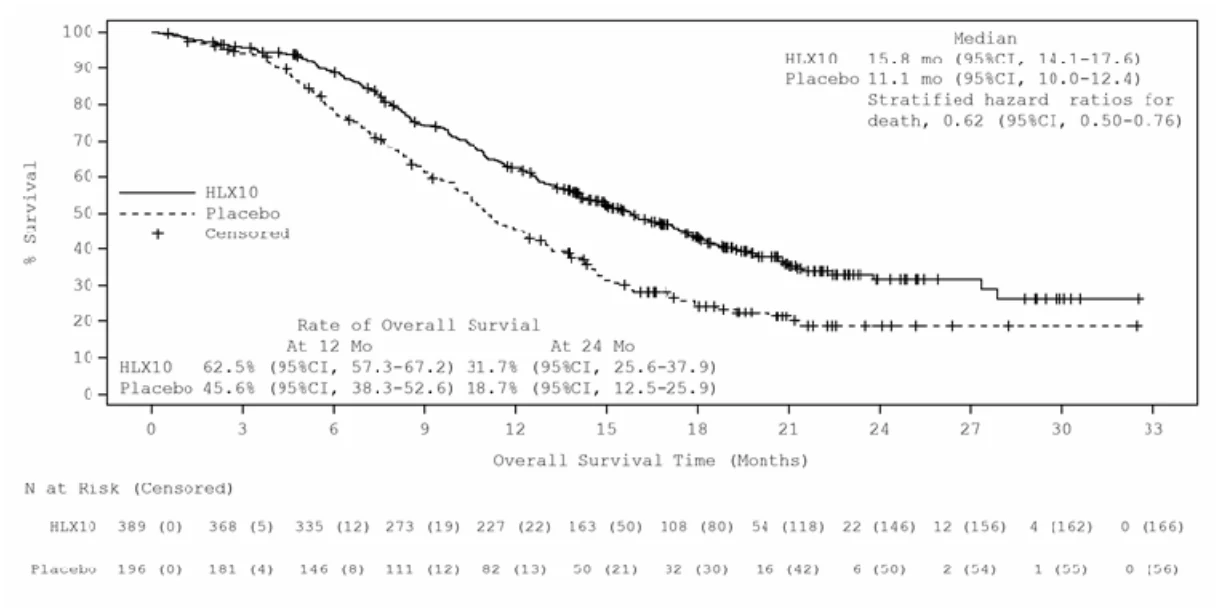
Figure 2. Kaplan-Meier curve of PFS (RECIST 1.1) by IRRC in overall population at the updated analysis (ITT) (data cut-off date: 13 June 2022) 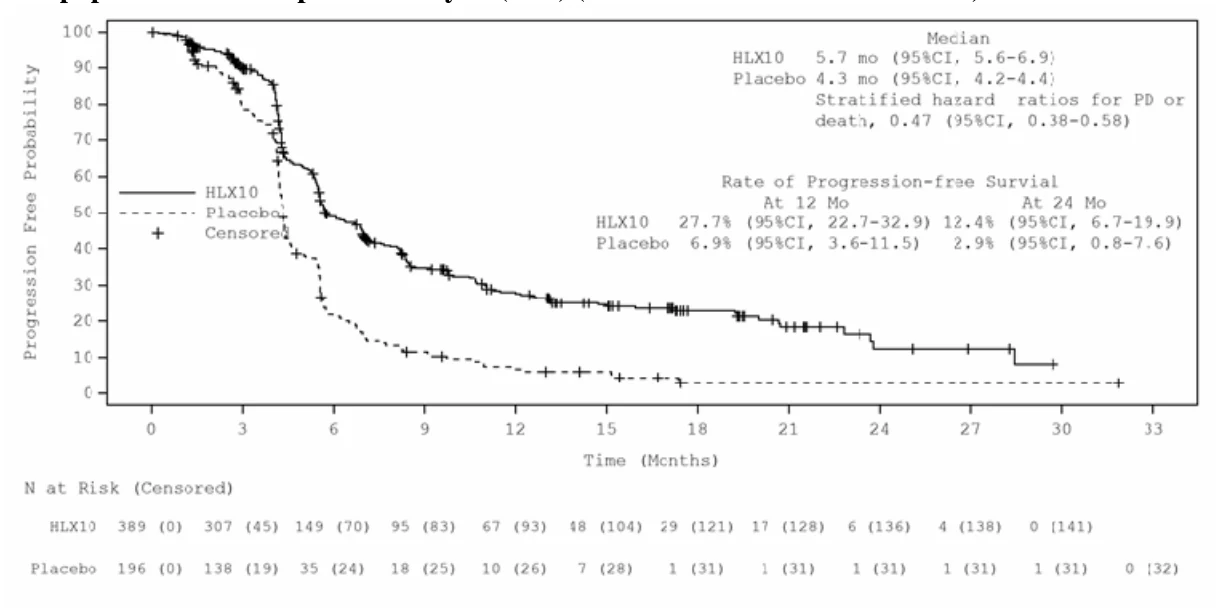
Non-small cell lung carcinoma (NSCLC)
ASTRUM-002: Randomised phase III trial in chemotherapy-naïve patients with locally advanced or metastatic non-squamous NSCLC, in combination with carboplatin and pemetrexed
ASTRUM-002 consisted of two stages. Stage I was a single-arm safety run-in designed to evaluate the safety, tolerability, and preliminary efficacy of serplulimab combined with bevacizumab and chemotherapy (carboplatin + pemetrexed) as first-line treatment for advanced non-squamous NSCLC. Stage II was a three-arm, randomised, double-blind, multicentre, Phase III clinical trial. The primary efficacy endpoint was progression free survival (PFS) as assessed by independent radiology review committee (IRRC), the key secondary efficacy endpoint was overall survival (OS). Other secondary efficacy endpoints were PFS as assessed by investigator, objective response rate (ORR) and duration of response (DOR) as assessed by IRRC and investigator based on RECIST 1.1.
The trial included adult(≥ 18 years and ≤ 75 years) patients with histologically or cytologically confirmed unresectable or radiographically ineligible stage IIIB, IIIC, or IV non-squamous NSCLC, without EGFR sensitizing mutations or ALK/ROS1 rearrangements, and no prior systemic therapy for advanced disease. Patients were required to have ≥1 measurable lesion per RECIST 1.1 assessed by IRRC and ECOG PS 0-1.
Patients with active/suspected autoimmune diseases, active CNS metastases and/or carcinomatous meningitis, or prior treatment with immune checkpoint inhibitors (e.g., PD-1, PD-L1, CTLA-4 antibodies) were excluded.
Six subjects were enrolled in Stage I of the study. A total of 636 patients were enrolled in Stage II and were randomised (1:1:1). In Arm A, patients received serplulimab 4.5 mg/kg, bevacizumab 15 mg/kg, carboplatin (AUC=5, up to 800 mg, for up to four cycles), and pemetrexed (500 mg/m²) every three weeks until disease progression or unacceptable toxicity. Patients randomized to Arm B and Arm C received treatments as shown in Table 5. Randomisation was stratified by PD-L1 expression measured by PD-L1 IHC 22C3 pharmDx kit (negative [CPS<1] versus positive [CPS≥1] versus indeterminate), smoking history (yes versus no), and brain metastasis (yes versus no).
Table 5. Intravenous treatment regimens
| Treatment regimen | Induction (Four 21-Day Cycles) | Maintenance (21-Day Cycles) |
| B | Serplulimab (4.5 mg/kg) a + placebo (15 mg/kg) a + carboplatin (AUC=5, up to 800 mg) b + pemetrexed (500 mg/m2) a | Serplulimab (4.5 mg/kg) a + placebo (15 mg/kg) a + pemetrexed (500 mg/m2) a |
| C | Placebo (4.5 mg/kg) a + placebo (15 mg/kg) a + carboplatin (AUC=5, up to 800 mg) b + pemetrexed (500 mg/m2) a | Placebo (4.5 mg/kg) a + placebo (15 mg/kg) a + pemetrexed (500 mg/m2) a,c |
a. Serplulimab and pemetrexed were administered until disease progression or unacceptable toxicity.
b. Carboplatin was administered until completion of 4 cycles, or progressive disease, or unacceptable toxicity, whichever occurred first.
c. Crossover was allowed from arm C to receive serplulimab 4.5 mg/kg every 3 weeks and bevacizumab treatment 15 mg/kg every 3 weeks.
Baseline characteristics were balanced between treatment arms. Among the patients enrolled, 100% were Asian (636 patients). The median age was 61 years (range: 27 to 75), and 73.1% of patients were male, and most patients were current or previous smokers (66.8%). Baseline ECOG performance status was 0 (26.9%) or 1 (73.0%). Thirty-nine percent had tumour PD-L1 expression TPS < 1% [negative], 31% had TPS 1-49%, 28% had TPS ≥ 50%. A total of 78.0% of patients’ tumours had PD-L1 expression positive (CPS ≥ 1) and 18.7% had brain metastasis at baseline. 79 subjects (37.6%) in Arm C received treatment with serplulimab combined with bevacizumab after confirmed disease progression.
The median survival follow-up was 23.1 months at the primary analysis (data cut-off: 15 June 2023) and 45.4 months at the updated analysis (data cut-off: 07 August 2025).
PFS, ORR and DOR results from the primary analysis, and OS results from the updated analysis are summarised in Table 6. Kaplan-Meier curves for PFS of primary analysis and OS of updated analysis are presented in Figure 3 and Figure 4.
Table 6. Efficacy data in ASTRUM-002
Arm B (Serplulimab + carboplatin + pemetrexed) | Arm C (Placebo + carboplatin + pemetrexed) | ||
| Number of patients | 214 | 210 | |
| Primary endpoint | |||
PFS 1 -IRRC per RECIST 1.1 | Number of patients with events, n (%) | 130 (60.7%) | 156 (74.3%) |
| Median PFS (months, 95% CI) | 11.0 (8.4, 12.7) | 5.6 (4.8, 6.8) | |
| Hazard ratio (95% CI) | 0.55 (0.43-0.69) | ||
| p-value | < 0.0001 | ||
| Secondary endpoints | |||
| OS 2 | Number of patients with events, n (%) | 132 (61.7%) | 162 (77.1%) |
| Median OS (months, 95% CI) | 26.8 (21.2, 30.9) | 20.3 (16.2, 24.6) | |
| Hazard ratio (95% CI) | 0.66 (0.52-0.83) | ||
| Confirmed ORR 1 | (%, 95% CI) | 52.8% (45.9%-59.7%) | 27.6% (21.7%-34.2%) |
1PFS and ORR results are based on the pre-specified interim analysis with data cutoff of 15 June 2023.
2OS results are based on the final analysis with a data cutoff of 07 August 2025.
Figure 3. Kaplan-Meier curve of PFS (RECIST 1.1) by IRRC in overall population at the primary analysis (data cut-off date: 15 June 2023)
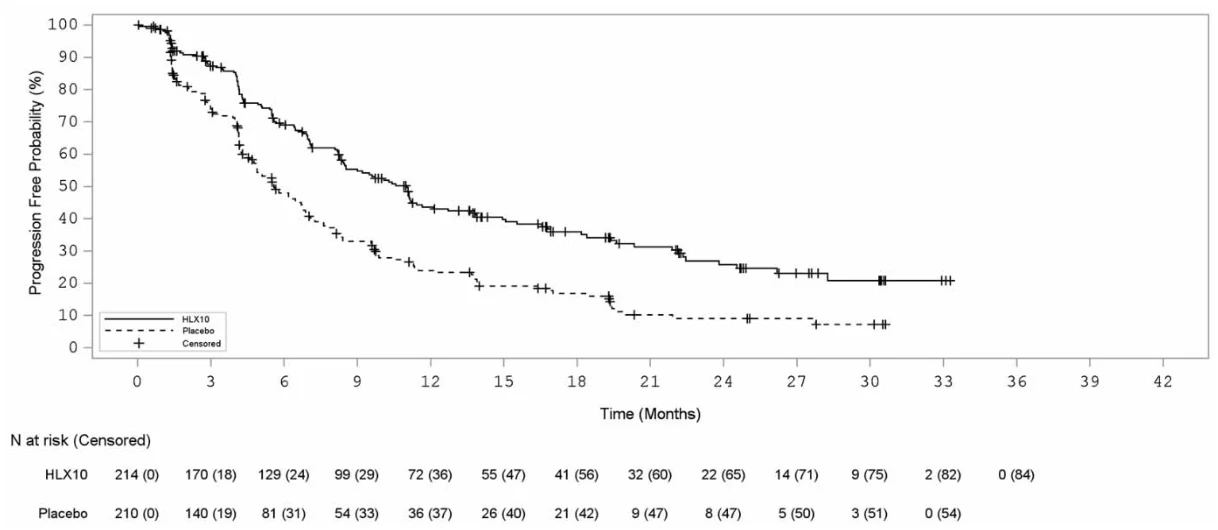
Figure 4. Kaplan-Meier curve of OS in overall population at the updated analysis
(data cut-off date: 07 August 2025) 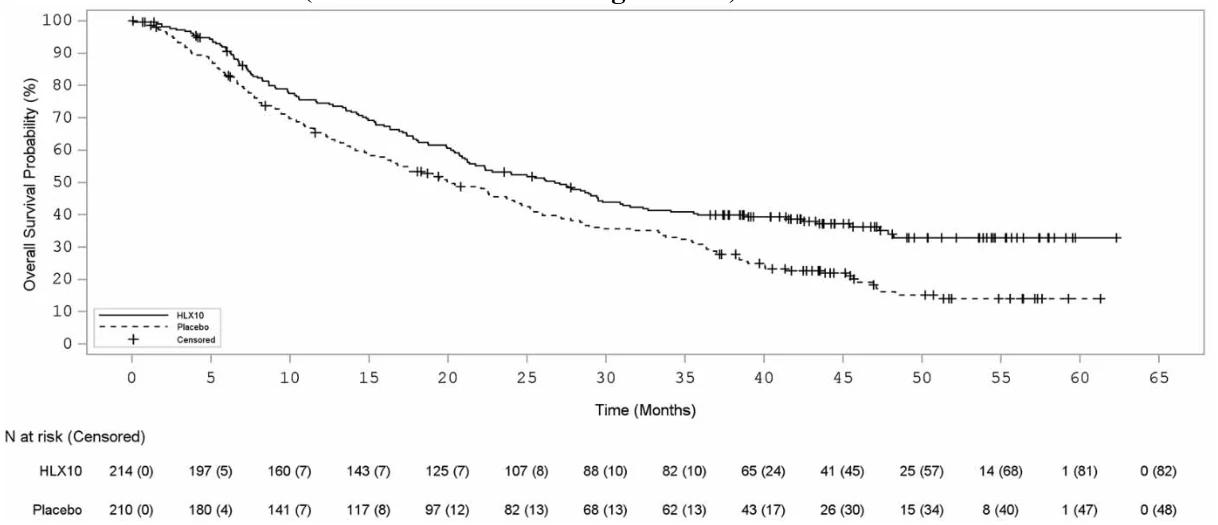
Table 7 summarises efficacy results of PFS for PD-L1 subgroups (TPS < 1%, 1% ≤ TPS < 50%, and TPS ≥ 50%) from the updated analysis.
Table 7. IRRC assessed PFS by PD-L1 expression (data cut-off date: 07 August
2025)
| Arm B | Arm C | ||||
| (Serplulimab + carboplatin | (Placebo + carboplatin + | ||||
| + pemetrexed) | pemetrexed) | ||||
| PD-L1 | Events | Median (months, | Events | Median (months, | Stratified hazard |
| expression | /N (%) | 95% CI) | /N (%) | 95% CI) | ratio (95% CI) |
| 59/84 | 51/68 | ||||
| TPS < 1% | 8.5 (5.6, 13.9) | 6.8 (4.6, 9.8) | 0.83 (0.55, 1.26) | ||
| (70.2%) | (75.0%) | ||||
| ≤ | |||||
| 1% TPS | 45/64 | 62/73 | |||
| 10.3 (8.1, 15.5) | 6.9 (5.1, 8.4) | 0.63 (0.43, 0.94) | |||
| < 50% | (70.3%) | (84.9%) | |||
| ≥ | 37/62 | 51/62 | |||
| TPS 50% | 12.1 (9.5, 45.4) | 4.4 (4.0, 5.8) | 0.36 (0.23, 0.57) | ||
| (59.7%) | (82.3%) | ||||
ASTRUM-004: Randomised phase III trial in patients with chemotherapy-naïve locally advanced or metastatic squamous NSCLC, in combination with carboplatin and nab-paclitaxel
The efficacy of serplulimab in combination with chemotherapy (carboplatin plus nab-paclitaxel) for the first-line treatment of squamous NSCLC was evaluated in ASTRUM-004 trial (NCT04033354), a phase 3, randomised, double-blind, multiregional clinical trial. The primary efficacy endpoint was progression free survival (PFS) as assessed by independent radiology review committee (IRRC). The secondary efficacy endpoints were overall survival (OS), PFS as assessed by investigator, objective response rate (ORR) and duration of response (DOR) by IRRC and investigator based on RECIST 1.1.
The trial included adult patients (18 years or older) with Stage IIIB/IIIC or Stage IV (American Joint Committee on Cancer Edition 8) squamous NSCLC, without EGFR sensitizing mutations or ALK/ROS1 rearrangements, and no prior systemic therapy for advanced disease. Patients were required to have ≥ 1 measurable target lesion per RECIST 1.1 assessed by IRRC and ECOG performance-status 0-1. Patients were excluded if they had active or untreated central nervous system metastases; active autoimmune disease; administration of systemic immunosuppressive medicinal products within 14 days prior to the first dose.
A total of 537 patients were enrolled and randomised (2:1) to receive one of the treatment regimens described in Table 8. Randomisation was stratified by PD-L1 expression level (tumour proportion scores [TPS] ≥ 50%, 50% > TPS ≥ 1%, TPS < 1%, measured by PD-L1 IHC 22C3 pharmDx kit), Asian population (yes or no), and squamous NSCLC stage (Stage IIIB/IIIC or Stage IV).
Table 8. Intravenous treatment regimens
| Treatment regimen | Induction (Four 21-Day Cycles) | Maintenance (21-Day Cycles) |
| A | Serplulimab (4.5 mg/kg) a + Nab-paclitaxel (100 mg/m2) b,c + carboplatin (AUC=5, up to 750 mg or AUC=6, up to 900 mg) b | Serplulimab (4.5 mg/kg) a |
| B | Placebo + Nab-paclitaxel (100 mg/m2) b,c + carboplatin (AUC=5, up to 750 mg or AUC=6, up to 900 mg) b | Placebo d |
a. Serplulimab was administered until disease progression or unacceptable toxicity or up to 2 years.
b. Nab-paclitaxel and carboplatin were administered until completion of 4-6 cycles, or progressive disease or unacceptable toxicity, whichever occurred first. c. Nab-paclitaxel was administered on day 1, 8 and 15 of each cycle. d. Crossover was allowed from arm B to receive serplulimab monotherapy 4.5 mg/kg every 3 weeks after the patients experience the first PD assessed based on RECIST 1.1.
Baseline characteristics were balanced between the treatment arms. Among the patients enrolled, 66.9% were Asian (359 patients), and 33.1% were non-Asian (178 patients), all of which were White. The median age was 63 years (range: 35-86) with 42.3% of patients ≥ 65 years, and 5.2% of patients ≥ 75 years of age. 90.9% of patients were men. Baseline ECOG performance-status score was 0 (16.9%) or 1 (83.1%). 62.2% of patients were PD-L1 positive (TPS ≥ 1%). 71.7% of patients were in stage IV. 13.0% of patients were never-smokers and 87.0% of patients were former/current-smokers; 7.1% with brain metastases.
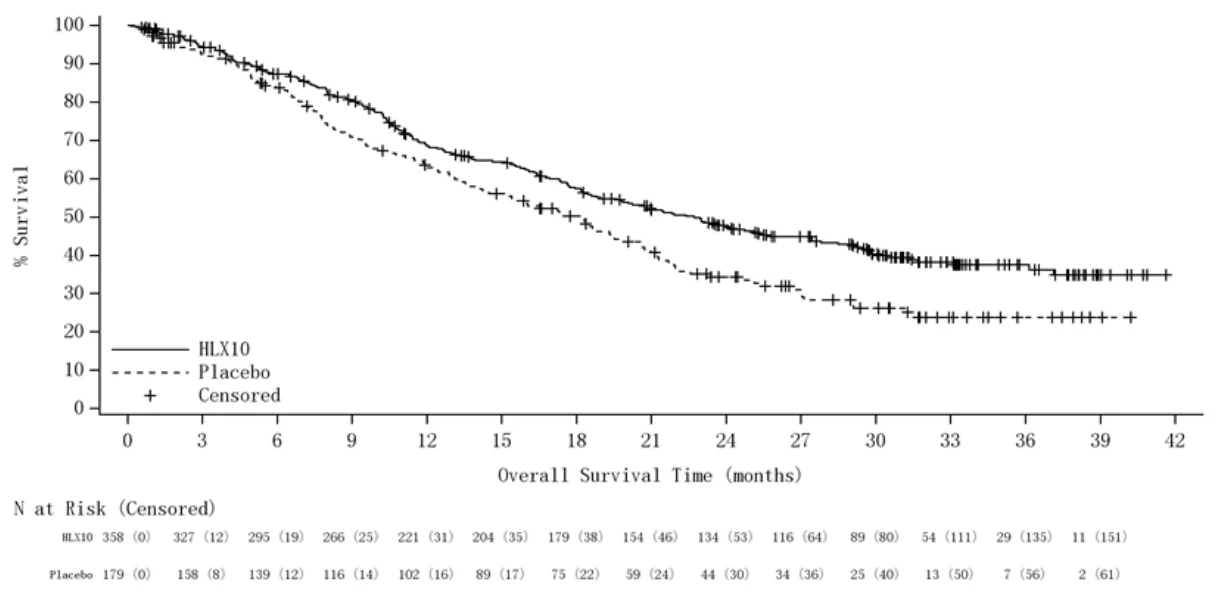
At the time of the interim analysis cut-off on 30 March 2021, patients had a median survival follow-up time of 8.9 months. Updated analysis with longer follow-up duration (median: 31.1 months) was conducted by the cut-off date 31 January 2023. PFS and ORR results from the interim analysis (primary analysis), and OS results from the final analysis are summarised in Table 9. Kaplan Meier curves for PFS of primary analysis and OS of final analysis are presented in Figure 5 and Figure 6.
Table 9. Efficacy data in ASTRUM-004
Arm A (Serplulimab + Nab-paclitaxel + carboplatin) | Arm B (Placebo + Nab-paclitaxel + carboplatin) | ||
| Number of patients | 358 | 179 | |
| Primary endpoint | |||
PFS 1 -IRRC per RECIST 1.1 | Number of patients with events, n (%) | 146 (40.8%) | 93 (52.0%) |
Median PFS (months, 95% CI) | 8.3 (6.9, 10.4) | 5.7 (5.2, 6.8) | |
| Hazard ratio (95% CI) | 0.55 (0.42, 0.73) | ||
| P value | < 0.001 | ||
| Secondary endpoints | |||
| OS 2 | Number of patients with events, n (%) | 196 (54.7%) | 116 (64.8%) |
Median OS (months,95% CI) | 22.7 (18.6, 27.4) | 18.2 (14.1, 20.6) | |
| Hazard ratio (95% CI) | 0.73 (0.58, 0.93) | ||
| Confirmed ORR 1 | (%, 95% CI) | 52.8% (47.5, 58.1) | 34.6% (27.7, 42.1) |
1 PFS and ORR results are based on the pre-specified primary analysis with data cutoff of 30 March 2021.
2 OS results are based on the final analysis with a data cutoff of 31 January 2023.
Figure 5. Kaplan-Meier curve of PFS (RECIST 1.1) by IRRC in overall population at the primary analysis (data cut-off date: 30 March 2021)
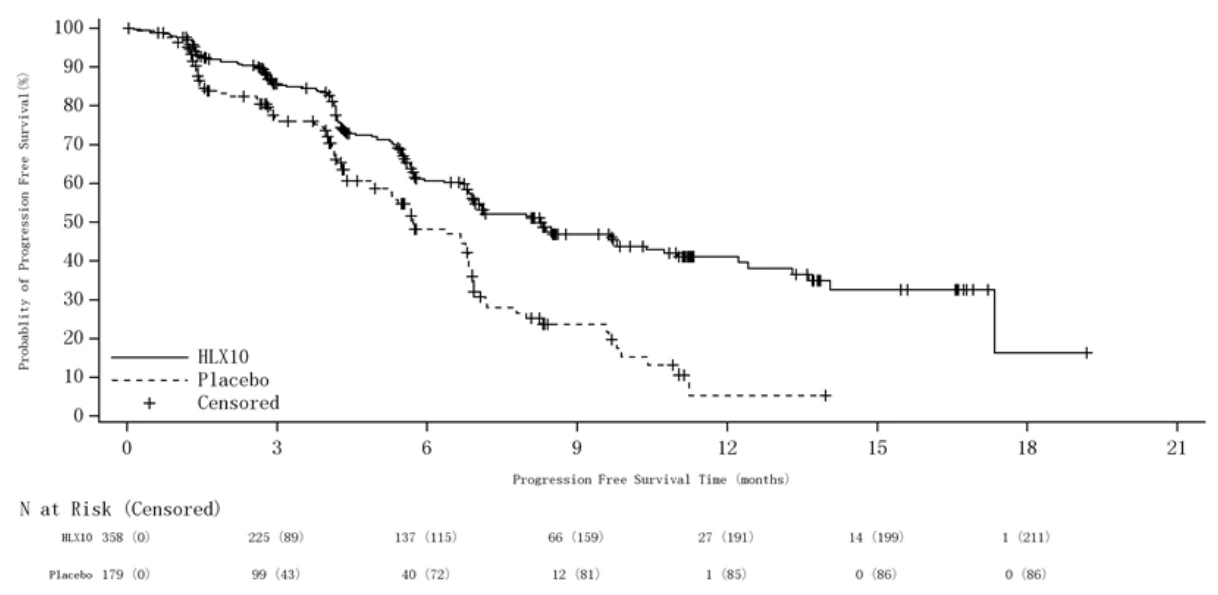
Figure 6. Kaplan-Meier curve of OS in overall population at the final analysis
(data cut-off date: 31 January 2023)
The subgroup analyses of PFS at the primary analysis and OS at the updated analysis were performed by race. In non-Asian patients, the median PFS was 4.21 months (95% CI: 4.11, 5.55) in the serplulimab arm vs 6.41 months (95% CI: 6.41, 6.83) in the placebo arm, with a stratified HR of 1.10 (95% CI: 0.64, 1.91). The median OS was 16.30 months (95% CI: 10.64, 19.78) in the serplulimab arm vs 15.41 months (95% CI: 9.56, 23.29) in the placebo arm, with a stratified HR of 1.04 (95% CI: 0.68, 1.60). In Asian patients, the median PFS was 9.79 months (95% CI: 8.28, 13.63) in the serplulimab arm vs 5.72 months (95% CI: 5.22, 6.90) in the placebo arm, with a stratified HR of 0.44 (95% CI: 0.32, 0.59). The median OS was 27.40 months (95% CI: 21.82, 31.41) in the serplulimab arm versus 18.37 months (95% CI: 14.49, 21.26) in the placebo arm, with a stratified HR of 0.62 (95% CI: 0.47, 0.82).
Oesophageal squamous cell carcinoma (OSCC)
ASTRUM-007: Randomised phase III trial of combination therapy in oesophageal squamous cell carcinoma patients
The efficacy of serplulimab in combination with chemotherapy was investigated in ASTRUM-007 (NCT03958890), a multicentre, randomised, double-blind, placebo-controlled study in patients with unresectable, locally advanced, recurrent or metastatic oesophageal squamous cell carcinoma. The dual primary endpoints were progression-free survival (PFS) assessed by an Independent Radiology Review Committee (IRRC) based on RECIST v1.1, and overall survival (OS) in the intent-to-treat (ITT) population. The secondary endpoints included PFS assessed by the investigator, objective response rate (ORR) and duration of response (DOR) assessed by IRRC and by the investigator. The study treatment regimens were unblinded after the primary analysis.
The trial included adult (≥ 18 years and ≤ 75 years) patients with histologically diagnosed local-advanced, recurrent or distantly metastatic oesophageal (including gastro-oesophageal junction) squamous cell carcinoma, and no prior systemic therapy for recurrence or metastasis. Patients with recurrent OSCC who had received neoadjuvant/adjuvant treatment or curative concurrent chemoradiotherapy or radiotherapy could be included if the last treatment was more than 6 months from relapse or disease progression. Patients were required to have ≥ 1 measurable lesion per RECIST 1.1 assessed by IRRC, positive PD-L1 expression with CPS ≥ 1 based on the PD-L1 IHC 22C3 pharmDx Kit and ECOG PS 0 or 1. Patients with history of gastrointestinal perforation and/or fistulae within 6 months prior to the first dose of study product, active autoimmune diseases, CNS metastases, or prior treatment with anti-PD-1 or anti-PD-L1 antibodies were excluded.
A total of 551 patients were enrolled and randomised (2:1) to receive one of the treatment regimens described in Table 10. Randomisation was stratified by PD-L1 expression level (1 ≤ CPS < 10 versus CPS ≥ 10), age (≥ 65 years versus < 65 years), and tumour state (locally advanced versus distant metastasis).
Table 10. Intravenous treatment regimens
| Treatment regimen | Induction (14-Day Cycles) | Maintenance (14-Day Cycles) |
| A | Serplulimab (3.0 mg/kg) a + cisplatin (50 mg/m2) b + 5-fluorouracil (5-FU, 2400 mg/m2) c | Serplulimab (3.0 mg/kg) a |
| B | Placebo + cisplatin (50 mg/m2) b + 5-FU (2400 mg/m2) c | Placebo |
a. Serplulimab was administered until disease progression, unacceptable toxicity, or up to 2 years.
b. Cisplatin was administered until completion of 8 cycles, or progressive disease or unacceptable toxicity, whichever occurred first.
c. 5-FU was administered by continuous intravenous drip for 44–48 hours in each cycle until completion of 12 cycles or progressive disease or unacceptable toxicity, whichever occurred first.
Of the 551 patients enrolled, 343 (62.3%) had tumours that expressed PD-L1 with a CPS ≥ 5. Among these 343 patients, all were Asian. The median age was 64 years (range: 34-75) with 48.4% of patients ≥ 65 years of age. 85.7% of patients were men. Baseline ECOG performance-status score was 0 (26.2%) or 1 (73.8%). 70.3% of patients were CPS ≥ 10. 14.0% of patients had locally advanced diseases. 34.7% of patients received prior anti-cancer treatment including surgery, radiotherapy and systemic anti-cancer therapy before enrolment in this study.
At the time of the interim analysis cutoff on 15 April 2022 patients had a median survival follow-up time of 14.9 months. For all patients enrolled in this study, the median PFS by IRRC assessment per RECIST 1.1 was 5.8 (95% CI: 5.7, 6.9) months in the serplulimab group and 5.3 (95% CI: 4.3, 5.6) months in the placebo group, respectively, with a stratified HR (95% CI) of 0.60 (0.48, 0.75). The median OS was 15.3 (95% CI: 14.0, 18.6) months in the serplulimab group and 11.8 (95% CI: 9.7, 14.0) months in the placebo group. The stratified HR (95% CI) was 0.68 (0.53, 0.87).
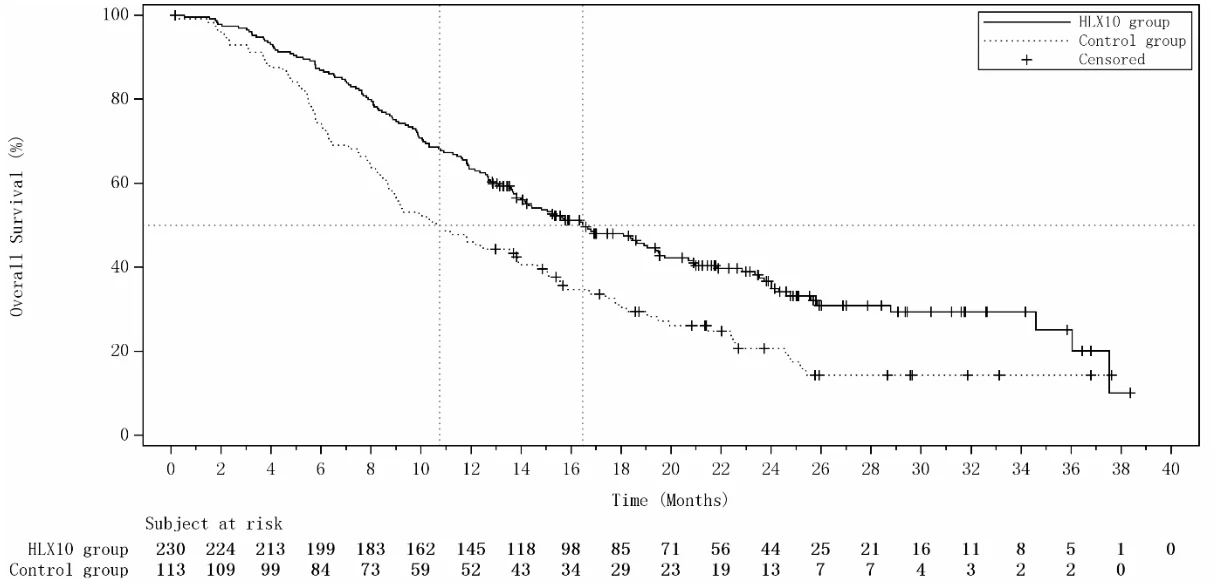
An updated analysis after unblinding with longer follow-up duration (median: 24.3 months) was conducted with cutoff date 09 January 2023 and showed consistent efficacy results with the interim analysis. Efficacy results from the updated analysis (data cut-off date 09 January 2023) for patients with a CPS ≥ 5 are summarised in Table 11. Kaplan-Meier curves for PFS and OS of updated analysis in patients with a CPS ≥ 5 are presented in Figure 7 and Figure 8.
Table 11. Efficacy data at the updated analysis for patients with CPS ≥ 5 (data cut-off date: 09 January 2023)
Arm A (Serplulimab + cisplatin + 5-FU) | Arm B (Placebo + cisplatin + 5-FU) | ||
| Number of patients | 230 | 113 | |
| Dual primary endpoints | |||
PFS
| Number of patients with events, n (%) | 154 (67.0%) | 84 (74.3%) |
| Median PFS (95% CI) (months) | 6.9 (5.7, 8.1) | 5.3 (4.1, 5.8) | |
| Hazard ratio (95% CI) | 0.57 (0.43, 0.75) | ||
| OS | Number of patients with events, n (%) | 144 (62.6%) | 89 (78.8%) |
| Median OS (95% CI) (months) | 16.5 (13.8, 19.5) | 10.7 (8.7, 13.9) | |
| Hazard ratio (95% CI) | 0.60 (0.46, 0.79) | ||
| Secondary endpoints | |||
| Confirmed ORR | % (95% CI) | 65.2% (58.7%, 71.4%) | 39.8% (30.7%, 49.5%) |
Figure 7. Kaplan-Meier curve of PFS (RECIST 1.1) by IRRC in patients with a
CPS score ≥ 5 at the updated analysis (data cut-off date: 09 January 2023) 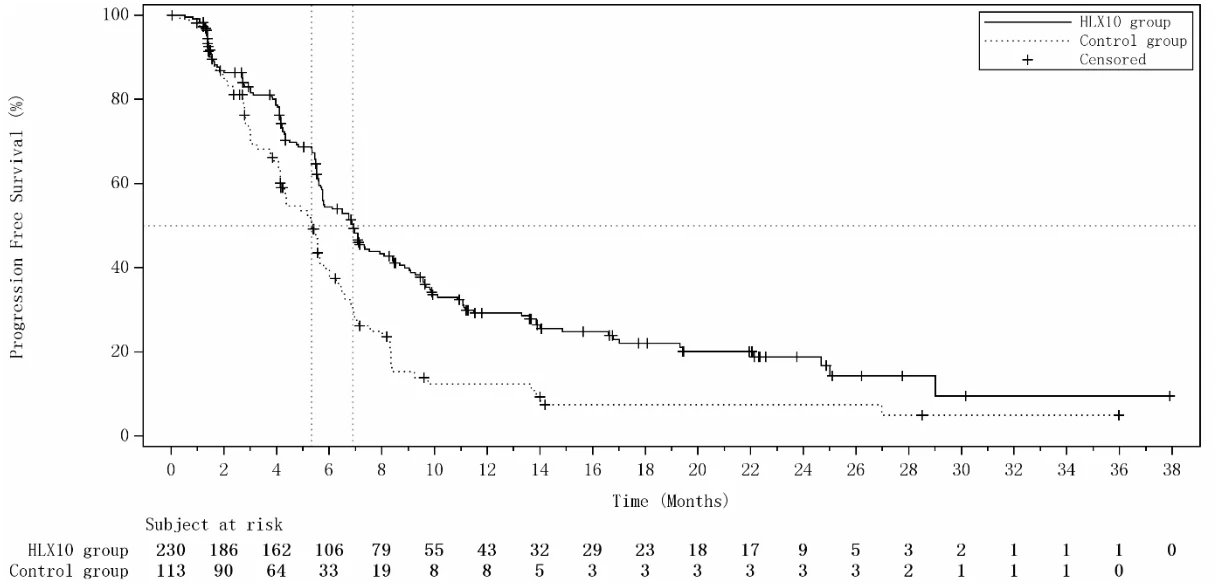
Figure 8. Kaplan-Meier curve of OS in patients with a CPS ≥ 5 at the updated analysis (data cut-off date: 09 January 2023)
Immunogenicity
The immunogenicity of serplulimab was evaluated in 1 795 evaluable patients across 5 clinical studies with doses ranging from 0.3 mg/kg every 2 weeks (Q2W) to 10 mg/kg Q2W, including approved and proposed regimens as monotherapy or in combination with other anticancer agents.
Across all evaluable patients, 82 (4.6%) patients tested positive for anti-drug antibodies (ADAs) at any visit, and 70 (3.9%) patients had treatment-emergent ADA (TE-ADA) responses, defined as at least one post-baseline ADA positive. Neutralizing antibodies (NAbs) against serplulimab were detected in 0.2% (3/1 795) of patients.
No evidence of ADA impact on pharmacokinetics, efficacy or safety was observed.
Elderly patients
In the ASTRUM-005, ASTRUM-002, ASTRUM-007 and, ASTRUM-004 trials, of the 1 343 patients in the serplulimab group in the overall population, 637 (47.4%) were ≥ 65 years. No overall differences in efficacy were observed between elderly patients and younger patients. Data for patients ≥ 75 years of age are too limited to draw conclusions on this population.
Paediatric population
The European Medicines Agency has waived the obligation to submit the results of studies with serplulimab in all subsets of the paediatric population for malignant neoplasms (except haematopoietic and lymphoid tissue) (see section 4.2 for information on paediatric use).
5.2 Pharmacokinetic properties
Serplulimab pharmacokinetics has been investigated in a population pharmacokinetic (popPK) analysis that included 2110 patients with cancers (including OSCC, SCLC, NSCLC) and other solid cancer types from 11 studies. The patients received serplulimab intravenously as monotherapy or combination therapy in the dose range of 0.3 to 10 mg/kg Q2W, 4.5 mg/kg Q3W, 200 mg Q2W, 300 mg Q3W and 400 mg Q4W. The PK was described by a two-compartment model with time-dependent clearance (CL). Inter-individual variability (coefficient of variation, CV) ranges from 16.3% to 54.3%. The mean (CV) observed trough concentration at steady state ranges from 44.2 μg/mL (34.7%) to 60.7 μg/mL (30.3%) across all tumour types.
Absorption
Serplulimab is administered by intravenous infusion and is therefore immediately and completely bioavailable. Other routes of administration have not been investigated.
Distribution
Based on a popPK analysis the volume of distribution of serplulimab is approximately in the range from 6.17 L to 6.46 L.
Biotransformation
The metabolic pathway of serplulimab has not been characterised. Serplulimab is expected to be catabolised into small peptides and amino acids by general protein degradation processes.
Elimination
Based on a popPK analysis, serplulimab clearance (CL) after the first dose is in the range from 0.171 L/day to 0.211 L/day. The clearance decreases over time by a maximum of 8.8% (CV 34.1%) with 221 days to reach half of the maximum effect. The half-life at steady state is in the range 25.0-31.2 days.
Linearity/non-linearity
Serplulimab exhibited linear pharmacokinetics over the dose range of 0.3 to 10 mg/kg Q2W (including flat doses of 200 mg Q2W, 300 mg Q3W and 400 mg Q4W) both after single and multiple doses.
Special populations
No dedicated studies have been performed in special populations. A popPK analysis suggested no difference in the total systemic clearance of serplulimab based on age (23-83 years), race (n=265 Whites and n=1845 Asians), and ECOG performance-status score (0 or 1). Serplulimab clearance increased with increasing body weight.
Renal impairment
No effect of creatinine or creatinine clearance (CRCL) (Cockcroft-Gault) was found on serplulimab CL based on a popPK analysis in patients with mild (CRCL=60-89 ml/min; n=917), moderate (CRCL=30-59 ml/min; n=216), and severe (CRCL=15-29 ml/min; n=1) renal impairment, and normal renal function (CRCL≥ 90 ml/min, n=973). There are insufficient data in patients with severe renal impairment for dosing recommendations (see section 4.2).
Hepatic impairment
No effect of ALT, AST or total bilirubin was found on serplulimab CL based on a popPK analysis in patients with mild (bilirubin ≤ ULN and AST > ULN or bilirubin > 1 to 1.5 × ULN and any AST; n=279) and moderate (bilirubin > 1.5 to 3 × ULN and any AST; n=4) hepatic impairment, and normal (bilirubin ≤ ULN and AST ≤ ULN; n=1819) hepatic function. There are insufficient data in patients with moderate hepatic impairment for dosing recommendations. Serplulimab has not been studied in patients with severe (bilirubin > 3 × ULN and any AST) hepatic impairment (see section 4.2).
5.3 Preclinical safety data
Repeat-dose toxicity
In the repeat-dose toxicity study in cynomolgus monkeys dosed for up to 31 weeks, a high incidence of pharmacology-related perivascular mononuclear cell infiltration in the brain choroid plexus was observed at 100 mg/kg. The no observed adverse effect level (NOAEL) in the 31-weeks toxicity study was 50 mg/kg/week, which produced exposure 36 times (calculated by AUC0-t) the exposure in humans at dose of 3 mg/kg every two weeks.
Reproductive toxicity
Reproductive toxicity studies have not been performed.
The PD-1/PD-L1 pathway is thought to be involved in maintaining tolerance to the foetus throughout pregnancy. Blockade of PD-L1 signalling has been shown in murine models of pregnancy to disrupt tolerance to the foetus and to result in an increase in foetal loss. Two anti-PD-L1 monoclonal antibodies were evaluated in cynomolgus monkeys for reproductive and developmental toxicity and were shown to cause premature delivery, foetal loss and premature neonatal death when administrated to pregnant monkeys. Therefore, potential risks of administering serplulimab during pregnancy include increased rates of abortion or stillbirth. Based on its mechanism of action, foetal exposure to serplulimab may increase the risk of developing immune-mediated disorders or altering the normal immune response and immune-mediated disorders that have been reported in PD-1 knockout mice.
Genotoxicity and carcinogenicity
No studies have been performed to assess the genotoxic or carcinogenic potential of serplulimab.
6 PHARMACEUTICAL PARTICULARS
6.1 List of excipients
Citric acid monohydrate (for pH-adjustment)
Sodium citrate (E331) (for pH-adjustment)
Sodium chloride
Mannitol (E421)
Polysorbate 80 (E433)
Water for injections
6.2 Incompatibilities
In the absence of compatibility studies, this medicinal product must not be mixed with other medicinal products, except those mentioned in section 6.6. Hetronifly should not be infused concomitantly in the same intravenous line with other medicinal products.
6.3 Shelf life
Unopened vial
3 years.
Diluted solution
From a microbiological point of view, the product, once diluted, should be used immediately. The diluted solution must not be frozen. If not used immediately, in-use storage times and conditions prior to use are the responsibility of the user and should not be longer than 24 hours at 2°C to 8°C. This 24-hour hold may include up to 6 hours at room temperature (≤ 25°C). If refrigerated, the vials and/or intravenous bags must be allowed to come to room temperature prior to use.
6.4 Special precautions for storage
Store in a refrigerator (2°C-8°C).
Do not freeze.
Store in the original package in order to protect from light.
For storage conditions after dilution of the medicinal product, see section 6.3.
6.5 Nature and contents of container
10 ml of concentrate in a 10 ml type I clear glass vial with chlorobutyl rubber
| stopper and aluminium-plastic combination caps containing 100 mg of | |
| serplulimab. | |
Pack of 1 vial.
6.6 Special precautions for disposal
Preparation and administration
- Aseptic handling should be ensured during the preparation of infusion.
- Do not shake the vial.
- Equilibrate the vial to room temperature (at or below 25°C).
- The product should be inspected visually for the particulate matters and discolouration prior to administration. The concentrate is a colourless to slightly yellow, clear to slightly opalescent solution. Discard the vial if visible particles are observed.
Confirm the dose of the product and calculate the required volume of
Hetronifly.
- Withdraw a volume of sodium chloride 9 mg/ml (0.9%) solution for injection corresponding to the volume of infused product from the target intravenous bag using a sterile syringe and discard.
- Use a syringe to withdraw the required volume of Hetronifly from the vial and inject it into the sodium chloride 9 mg/ml (0.9%) solution for injection to prepare a diluted solution with a final concentration range from 1.0 to 8.0 mg/ml. Mix the diluted solution by gentle inversion.
- Administer the infusion solution intravenously using a sterile, non-pyrogenic, low-protein binding 0.2 to 5.0 μm in-line or add-on filter.
- Set the initial infusion rate to 100 ml per hour (25 drops per minute is recommended). The infusion rate can be adjusted if infusion-related reactions occur (see section 4.2). If there is no infusion-related adverse reaction in the first infusion, the duration of subsequent administration can be shortened to 30 minutes (± 10 minutes).
- From a microbiological point of view, the product, once diluted, should be used immediately. The diluted solution must not be frozen. If not used immediately, the diluted solution can be stored for 24 hours at 2°C to 8°C. This 24-hour hold may include up to 6 hours at room temperature (≤ 25°C). If refrigerated, the vials and/or intravenous bags must be allowed to come to room temperature prior to use (see section 6.3).
- At the end of infusion, the infusion tube is flushed with sodium chloride 9 mg/ml (0.9%) solution according to the routine operation procedure of the hospital.
- Do not co-administer other medical products through the same infusion line.
In order to improve the traceability of biological medicinal products, the name and the batch number of the administered product should be clearly recorded in the patient file.
Any unused medicinal product or waste material should be disposed of in accordance with local requirements.
7 MARKETING AUTHORISATION HOLDER
Accord Healthcare Limited
Sage House
319 Pinner Road
North Harrow
Middlesex
HA1 4HF
United Kingdom
8 MARKETING AUTHORISATION NUMBER
PL 20075/1559
9 DATE OF FIRST AUTHORISATION/RENEWAL OF THE
AUTHORISATION
20/06/2025
10 DATE OF REVISION OF THE TEXT
30/09/2026