


Patient leaflet - Desizon 20 mg / ml oral suspension
1. What Desizon is and what it is used for
Desizon contains the active substance zonisamide, and is used as an antiepileptic medicine. Desizon is used to treat seizures that affect one part of the brain (partial seizure), which may or may not be followed by a seizure affecting all of the brain (sec-ondary generalisation).
Desizon may be used:
- on its own to treat seizures in adults.
with other antiepileptic medicines to treat seizures in adults,
adolescents, and children aged 6 years and above.
2. What you need to know before you take Desizon
Do not take Desizon:
if you are allergic to zonisamide, sodium methyl parahydroxy-
benzoate (E219), sodium propyl parahydroxybenzoate (E217) or any of the other ingredients of this medicine (listed in section 6).
if you are allergic to other sulphonamide medicines. Examples
include: sulphonamide antibiotics, thiazide diuretics, and sul-fonylurea antidiabetes medicines.
Warnings and precautions:
Desizon belongs to a group of medicines (sulphonamides) which can cause severe allergic reactions, severe skin rashes, and blood disorders, which very rarely can be fatal (see section 4, ‘Possible Side Effects’).
Serious rashes occur in association with Desizon therapy, including cases of Stevens-Johnson syndrome.
The use of Desizon may lead to high levels of ammonia in the blood which could lead to a change in brain function, espe-cially if you are also taking other medicines which can increase ammonia levels (for example valproate), have a genetic disorder causing build-up of too much ammonia in the body (urea cycle disorder), or if you have liver problems. Tell your doctor immedi-ately if you become unusually drowsy or confused. Talk to your doctor or pharmacist before taking Desizon if you:
give Desizon to a child younger than 12 years old, as your
child may be at greater risk of decreased sweating, heat stroke, pneumonia and liver problems. If your child is younger than 6 years old, Desizon is not recommended.
are elderly, as your dose of Desizon may need adjusting, and
you may be more likely to develop an allergic reaction, severe skin rash, swelling of the feet and legs, and itchiness when taking Desizon (see section 4, Possible Side Effects).
suffer from liver problems, as your dose of Desizon may need
adjusting.
- have eye problems such as glaucoma.
suffer from kidney problems as your dose of Desizon may
need adjusting.
have previously suffered from kidney stones, as you may be
at increased risk of developing more kidney stones. Reduce the risk of kidney stones by drinking sufficient water.
live in a place or are on holiday in a place where the weather is
warm. Desizon can make you perspire less, which can cause your body temperature to increase. Reduce the risk of over-heating by drinking sufficient water and keeping cool.
are underweight, or have lost a lot of weight as Desizon can
cause you to lose more weight. Tell your doctor as this may need to be monitored.
are pregnant or could become pregnant (see section ‘preg-
nancy, breast-feeding and fertility’ for further information). If any of these applies to you, tell your doctor before you take Desizon.
Children and adolescents
Talk to your doctor about the following risks:
Preventing overheating and dehydration in children Desizon can cause your child to sweat less and overheat and if your child is not treated this can lead to brain damage and death. Children are most at risk especially in hot weather. When your child is taking Desizon:
- Keep your child cool especially in hot weather.
- Your child must avoid heavy exercise especially when the weather is hot.
- Give your child plenty of cold water to drink.
Your child must not take these medicines:
carbonic anhydrase inhibitors (like topiramate and aceta-zolamide), and anticholinergic agents (like clomipramine, hydroxyzine, diphenhydramine, haloperidol, imipramine and oxybutynin).
If your child’s skin feels very hot with little or no sweating, becomes confused, has muscle cramps, or your child’s heart-beat or breathing becomes rapid:
- Take your child to a cool, shaded place.
- Sponge your child’s skin with cool (not cold) water.
- Give your child cold water to drink.
- Seek urgent medical assistance.
Body weight: You should monitor your child’s weight every
month and see your doctor as soon as possible if your child is not gaining enough weight. Desizon is not recommended for children who are underweight or have a small appetite, and should be used with caution in those below 20 kg.
Increased acid level in the blood and kidney stones: Reduce
these risks by ensuring that your child drinks enough water and is not taking any other medicine which could cause kid-ney stones (see ‘Other medicines and Desizon’). Your doctor will monitor your child’s blood bicarbonate levels and kidneys (see also section 4).
Do not give this medicine to children below the age of 6 years because it is not known for this age group whether the potential benefits are greater than the risks.
Other medicines and Desizon
Please tell your doctor or pharmacist if you are taking, or have recently taken, any other medicines, including medicines obtained without a prescription.
Desizon should be used carefully in adults when taken with
medicines that can cause kidney stones, like topiramate or acetazolamide. In children, this combination is not recom-mended.
Desizon could possibly increase your blood levels of medi-
cines like digoxin and quinidine, and so a reduction in their dose may be required.
Other medicines like phenytoin, carbamazepine, phenobar-
bitone and rifampicin can decrease your blood levels of Desizon, which may require an adjustment of your dose of Desizon.
Pregnancy, breast-feeding and fertility
If you are a woman of childbearing age you must use adequate contraception while taking and for one month after stopping Desizon.
If you are planning a pregnancy, talk to your doctor before you stop contraception and before you become pregnant about the possibility of switching to other suitable treatments. If you are or think you might be pregnant, tell your doctor straight away. You should not stop your treatment without discussing this with your doctor.
You must only take Desizon during your pregnancy if your doctor tells you to.
Research has shown an increased risk of birth defects in chil-dren of women taking antiepileptic medicines. The risk of birth defects or neurodevelopmental disorders (problems with brain development) for your child after taking Desizon during your pregnancy is unknown. A study showed that babies born to mothers using zonisamide during pregnancy were smaller than expected for their age at birth, compared with babies born to mothers treated with lamotrigine monotherapy. Make sure you
are fully informed about the risks and the benefits of using zon-isamide for epilepsy during pregnancy.
Do not breast-feed whilst taking, or for one month after stopping Desizon.
There are no clinical data available on the effects of zonisamide on human fertility. Studies in animals have shown changes in fertility parameters.
Driving and using machines
Desizon may affect your concentration, ability to react/respond, and may make you feel sleepy, particularly at the beginning of your treatment or after your dose is increased. Be especially careful while driving or operating machinery, if Desizon affects you in this way.
Desizon contains E219, E217, E220, sodium, fructose, glu-cose and sucrose
Sodium methyl parahydroxybenzoate (E219) and sodium propyl parahydroxybenzoate (E217) may cause allergic reactions (pos-sibly delayed).
Sulphur dioxide (E220) may rarely cause severe hypersensitivity reactions and bronchospasm.
This medicine contains 0.026 mg fructose in each dosing syringe (10 ml). Fructose may damage teeth.
This medicine contains glucose and sucrose, if you have been told by your doctor that you have an intolerance to some sugars, contact your doctor before taking this medicinal product. Desizon contains sodium, but less than 1 mmol sodium (23 mg) per 10 ml oral suspension, i.e. it is essentially “sodium-free”.
3. How to take Desizon
Always take this medicine exactly as your doctor has told you. You should check with your doctor or pharmacist if you are not sure.
The recommended adult dose
When you take Desizon on its own:
- The starting dose is 100 mg (= 5 ml) taken once a day.
- This may be increased by up to 100 mg (= 5 ml) at intervals of two weeks.
- The recommended dose is 300 mg (= 15 ml) once a day. When you take Desizon with other antiepileptic medicines:
- The starting dose is 50 mg daily (= 2.5 ml/day) taken in two equal doses of 25 mg (= 2x 1.25 ml/day).
- This may be increased by up to 100 mg (= 5 ml) at intervals of one to two weeks.
The recommended daily dose is between 300 mg and 500 mg
(= 15 to 25 ml/day).
- Some people respond to lower doses. The dose may be increased more slowly if you experience side effects, are elderly or if you suffer from kidney or liver problems. Use in children (aged 6 to 11 years) and adolescents (aged 12 to 17 years) weighing at least 20 kg:
- The starting dose is 1 mg (= 0.05 ml) per kg of body weight taken once a day.
- This may be increased by 1 mg (= 0.05 ml) per kg of body weight at intervals of one to two weeks.
The recommended daily dose is 6 to 8 mg (= 0.3 to 0.4 ml)
per kg for a child with a body weight of up to 55 kg or 300 to 500 mg (= 15 to 25 ml) for a child with a body weight more than 55 kg (whichever dose is lower) taken once a day. Dose recommendation for children aged 6 years and above with a body weight between 20 and 55 kg
Example: A child who weighs 25 kg should take 25 mg (= 1.25 ml) once a day for the first week, and then increase the daily dose by 25 mg (= 1.25 ml) at the start of each week until a daily dose between 150 to 200 mg (= 7.5 to 10 ml) is reached. If you feel that the effect of Desizon is too strong or too weak, talk to your doctor or pharmacist.
Method and route of administration:
Shake the bottle vigorously for 30 seconds in a bottom up posi-tion. After measuring the correct dose with the provided syringe, Desizon may be swallowed directly from the oral syringe fol-lowed by a glass of water. Alternatively, the oral suspension may also be diluted in a glass of water or orange juice. Carbonated beverages such as sparkling water should not be taken with the suspension.
You may take Desizon with or without food. Desizon can be mixed with yoghurt to mask its taste.
Instruction for use: a comprehensive explanation for the admin-istration of Desizon is given at the end of this package leaflet. The oral suspension may also be administered via a feeding tube that should be rinsed three times immediately after administra-tion with at least 5 ml of water for each rinse. If this method of administration is used, the suspension should be prepared as described above for oral use immediately before administration. If you take more Desizon than you should
If you may have taken more Desizon than you should, tell a carer (relative or friend), your doctor or pharmacist immediately, or contact your nearest hospital casualty department, taking your medicine with you. You may become sleepy and could lose con-sciousness. You might also feel sick, have a sore stomach, mus-cle twitches, eye movement, feel faint, have a slowed heartbeat, and reduced breathing and kidney function. Do not try to drive. If you forget to take Desizon
- If you forget to take a dose, don’t worry: take the next dose when it is due.
- Do not take a double dose to make up for a forgotten dose. If you stop taking Desizon
- Desizon is meant to be taken as a long-term medicine. Do not reduce your dose or stop your medicine unless your doctor tells you to.
- If your doctor advises you to stop taking Desizon your dose will be reduced gradually to lower the risk of more seizures. If you have any further questions on the use of this medicine, ask your doctor or pharmacist.
4. Possible side effects
Like all medicines, this medicine can cause side effects, although not everybody gets them.
Desizon belongs to a group of medicines (sulphonamides) that can cause severe allergic reactions, severe skin rashes, and blood disorders, which very rarely can be fatal.
Contact your doctor immediately if you:
- have difficulty breathing, a swollen face, lips or tongue, or a severe skin rash as these symptoms may indicate that you are having a severe allergic reaction.
- have signs of overheating – high body temperature but little or no sweating, rapid heartbeat and breathing, muscle cramps, and confusion.
- have thoughts of harming or killing yourself. A small number of people being treated with antiepileptics such as Desizon have had thoughts of harming or killing themselves.
- have pain in your muscles or a feeling of weakness, as this may be a sign of abnormal muscle breakdown which can lead to kidney problems.
- get a sudden pain in your back or stomach, have pain on urinating (passing water) or notice blood in your urine, as this may be a sign of kidney stones.
- develop visual problems such as eye pain or blurred vision while taking Desizon.
Package leaflet: Information for the user
Desizon® 20 mg/ml oral suspension Zonisamide
Read all of this leaflet carefully before you start taking this medicine because it contains important information for you.
- Keep this leaflet. You may need to read it again.
- If you have any further questions, ask your doctor or your pharmacist.
- This medicine has been prescribed for you only. Do not pass it on to others. It may harm them, even if their signs of illness are the same as yours.
If you get any side effects talk to your doctor or pharmacist. This includes any possible side effects not listed in this leaflet. See section 4.
Body
Weight Initial Dose Maintenance Dose
20 kg 20 mg/day = 1 ml/day 120 – 160 mg/day = 6 – 8 ml/day 25 kg 25 mg/day = 1.25 ml/day 150 – 200 mg/day = 7.5 – 10 ml/day 30 kg 30 mg/day = 1.5 ml/day 180 – 240 mg/day = 9 – 12 ml/day 35 kg 35 mg/day = 1.75 ml/day 210 – 280 mg/day = 10.5 – 14 ml/day 40 kg 40 mg/day = 2 ml/day 240 – 320 mg/day = 12 – 16 ml/day 45 kg 45 mg/day = 2.25 ml/day 270 – 360 mg/day = 13.5 – 18 ml/day 50 kg 50 mg/day = 2.5 ml/day 300 – 400 mg/day = 15 – 20 ml/day 55 kg 55 mg/day = 2.75 ml/day 330 – 440 mg/day = 16.5 – 22 ml/day Format: 210 x 594 mm – Code: 1304 – Schrift: 9 p MOCKUP
Contact your doctor as soon as possible if you:
have an unexplained skin rash, as this could develop into a
more severe skin rash or skin peeling.
feel unusually tired or feverish, have a sore throat, swollen
glands, or find that you bruise more easily, as this may mean you have a blood disorder.
have signs of increased acid level in the blood – headaches,
drowsiness, shortness of breath and loss of appetite. Your doctor may need to monitor or treat this.
Your doctor may decide that you should stop using Desizon. The most common side effects of Desizon are mild. They occur during the first month of treatment and usually decrease with continued treatment. In children aged 6-17 years, side effects were consistent with those described below with the following exceptions: pneumonia, dehydration, sweating decreased (com-mon) and abnormal liver enzymes (uncommon).
Very common side effects: may affect more than 1 in 10 people
- agitation, irritability, confusion, depression
poor muscle coordination, dizziness, poor memory, sleepi-
ness, double vision
loss of appetite, decreased blood levels of bicarbonate (a
substance that prevents your blood from becoming acidic) Common side effects: may affect up to 1 in 10 people
difficulty sleeping, strange or unusual thoughts, feeling anx-
ious or emotional
slowed thoughts, loss of concentration, speech abnormali-
ties, abnormal skin sensation (pins and needles), tremor, involuntary movement of the eyes
- kidney stones
skin rashes, itching, allergic reactions, fever, tiredness, flu-like
symptoms, hair loss
ecchymosis (a small bruise caused by blood leaking from
broken blood vessels in the skin)
loss of weight, nausea, indigestion, stomach pains, diarrhoea
(loose stools), constipation
- swelling of the feet and legs
Uncommon side effects: may affect up to 1 in 100 people
- anger, aggression, thoughts of suicide, suicide attempt
- vomiting
- gall bladder inflammation, gallstones
- urinary stones
- lung infection/inflammation, urinary tract infections
- low blood potassium levels, convulsions/seizures Very rare side effects: may affect up to 1 in 10,000 people
hallucinations, memory loss, coma, neuroleptic malignant
syndrome (inability to move, sweating, fever, incontinence), status epilepticus (prolonged or repeated seizures)
breathing disorders, shortness of breath, inflammation of the
lungs
inflammations of the pancreas (severe pain in the stomach or
back)
liver problems, kidney failure, increased blood levels of cre-
atinine (a waste product that your kidneys should normally remove)
severe rashes or skin peeling (at the same time you may feel
unwell or develop a fever)
abnormal muscle breakdown (you may feel pain or weakness
in your muscles) which can lead to kidney problems
swollen glands, blood disorders (reduction in the number of
blood cells, which can make infection more likely and can
make you look pale, feel tired and feverish, and bruise more easily)
- decreased sweating, overheating
- glaucoma, which is a blockage of fluid in the eye causing increased pressure in the eye. Eye pain, blurred vision or decreased vision may occur and can be signs of glaucoma. Sodium methyl parahydroxybenzoate and sodium propyl para- hydroxybenzoate may cause allergic reactions (possibly delayed). Reporting of side effects
If you get any side effects, talk to your doctor or pharmacist. This includes any possible side effects not listed in this leaflet. You can also report side effects directly via the Yellow Card Scheme: Website: www.mhra.gov.uk/yellowcard or search for MHRA Yel-low Card in the Google Play or Apple App Store. By reporting side effects you can help provide more information on the safety of this medicine.
5. How to store Desizon
Keep this medicine out of the sight and reach of children. Do not use this medicine after the expiry date which is stated on the bottle and the carton box after EXP. The expiry date refers to the last day of that month.
Do not use after 1 month of first opening the bottle. This medicinal product does not require any special storage conditions.
Do not use this medicine if you notice any damage to the bottle, closure or carton. Return the pack to your pharmacist. Do not throw away any medicines via wastewater or household waste. Ask your pharmacist how to throw away medicines you no longer use. These measures will help protect the environ-ment.
6. Contents of the pack and other information
What Desizon contains
The active substance is zonisamide.
The other ingredients are: Xanthan gum, sodium dihydrogen phos-phate dihydrate, potassium monohydrogen phosphate, docusate sodium, sucralose, sodium methyl parahydroxybenzoate(E219), sodium propyl parahydroxybenzoate (E217), strawberry flavour (containing traces of sodium), sweetness modulator flavour (con-taining traces of fructose, glucose, sucrose, E220 and sodium), masking flavour (containing traces of sodium), phosphoric acid 85 %, purified water.
What Desizon looks like and contents of the pack
Desizon oral suspension is a white liquid with strawberry flavour. 1 glass bottle with 250 ml of Desizon oral suspension packed in a cardboard box containing an oral syringe of 10 ml graduated every 0.25 ml and an adapter.
2 glass bottles with 250 ml of Desizon oral suspension each packed in a cardboard box containing an oral syringe of 10 ml graduated every 0.25 ml and an adapter.
Not all pack sizes may be marketed.
Marketing Authorisation Holder and Manufacturer
Desitin Arzneimittel GmbH
Weg beim Jäger 214
22335 Hamburg
Germany
E-mail: medinfo@desitin.co.uk
This leaflet was last revised in March 2023.
PBDesizon-GB
Format: 210 x 594 mm – Code: 1304 – Schrift: 9 p MOCKUP
Components of the medicine kit
There are three parts to the medicine kit:
- 1.
A plastic adapter and a 10 ml oral dosing syringe which fits into the plastic adapter.
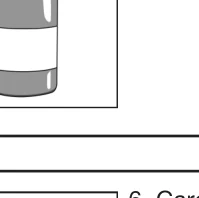
- 2. A bottle containing 250 ml of the medicine, with a child-resistant cap. Always replace the cap after use.
INSTRUCTIONS FOR USE
Read these instructions carefully so that you know how to use this medicine.
Preparing a dose of medicine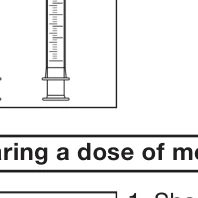
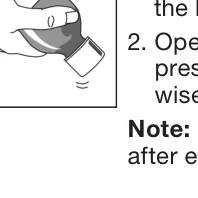
- 1. Shake the bottle vigorously for 30 seconds in a bottom up position. If a sediment is detected at the bottom of the bottle, shake the bottle for another 30 seconds.
- 2.
Open the child-resistant cap by firmly
pressing it down and twisting it anti-clock-wise (see top of cap).
Note: Keep the cap nearby to close the bottle after each use.
- 3.
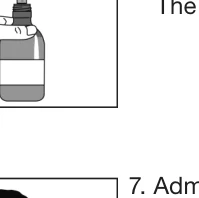
Hold the bottle upright on a table. Firm-
ly push the plastic adapter with the oral syringe into the bottle opening, as far as you can.
Note: You may not be able to push the adapter down fully but it will be forced into the bottle when you screw the cap back on. After the first use the adapter remains in the bottle.
- 4.
Hold the oral syringe in place and carefully
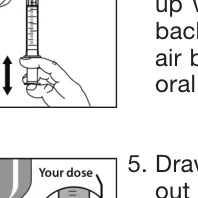
turn the bottle upside down. Slowly pull out the plunger so that the oral syringe fills up with the suspension. Push the plunger back up completely to remove any large air bubbles that may be trapped inside the oral syringe.
- 5.
Drawing the prescribed dose: Slowly pull
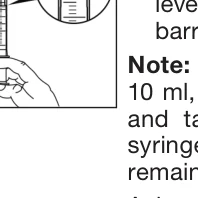
out the syringe plunger, until the top of the wider part of the plunger is exactly on a level with the marker on the oral syringe barrel that indicates the prescribed dose. Note: If the prescribed dose is more than 10 ml, fill the oral syringe to the 10 ml mark, and take the 10 ml. Then reload the oral syringe to the required level to take the remaining amount.
Ask your pharmacist if you are unsure.
- 6. Carefully turn the bottle and oral syringe the right way up. Remove the oral syringe by carefully twisting it from out of the adapter. The adapter must always stay in the bottle.
- 7.
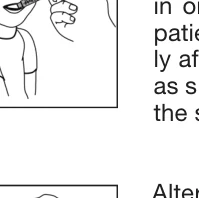
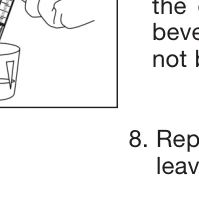
Administer the dose directly into the mouth of the patient, who should be sitting in an upright position. Press the plunger slowly in order to allow for easy swallowing. The patient should drink a glass of water direct-ly after intake. Carbonated beverages such as sparkling water should not be taken with the suspension.
Alternatively, the dose can be mixed in a small glass of water, orange juice or yoghurt just prior to administration. Stir and take the entire mixture right away. Carbonat ed beverages such as sparkling water should not be taken with the suspension.
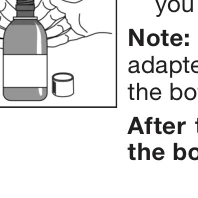
- 8. Replace the child-resistant cap after use, leaving the adapter in place.
- 9. Cleaning: After use, wipe the outside of the syringe with a dry, clean tissue.