

Patient leaflet - Codeine/paracetamol 30 mg / 500 mg film-coated tablets
1. What Codeine/Paracetamol is and what it is used for
The name of your medicine is Codeine/Paracetamol 30mg/500mg film-coated tablets. Codeine/Paracetamol 30mg/500mg film-coated tablets contain two different analgesics (pain killers) called paracetamol and codeine (as codeine phosphate hemihydrate).
This medicine has been prescribed for you to relive of severe pain.
It contains the Codeine which belongs to a class of medicines called opioids, which are ‘pain reliever’. It also contains paracetamol, another analgesic to relieve pain.
Codeine/Paracetamol can be used in children over 12 years of age for the short-term relief of moderate or severe pain that is not relieved by other painkillers such as paracetamol or ibuprofen alone.
This medicine has been prescribed/provided to you and should not be given to anyone else.
Opioids can cause addiction and you may get withdrawal symptoms if you stop taking it suddenly. Your prescriber should have explained how long you will be taking it for and when it is appropriate to stop, how to do this safely.
2. What you need to know before you take Codeine/Paracetamol
Important things you should know about Codeine/Paracetamol
Do not take for longer than your doctor tells you to.
- Taking a painkiller for headaches too often or for too long can make them worse.
Do not take Codeine/Paracetamol and tell your doctor if:
- you are allergic to codeine, paracetamol or any of the other ingredients of this medicine (listed in Section 6). Signs of an allergic reaction include a rash and breathing problems. There can also be swelling of the legs, arms, face, throat or tongue.
- you are allergic to soya or peanut.
- you have severe asthma attacks or severe breathing problems.
- you have recently had a head injury.
- you have been told by your doctor that you have increased pressure in your head. Signs of this include: headaches, being sick (vomiting) and blurred eyesight.
- you have recently had an operation on your liver, gallbladder or bile duct (biliary tract).
- you are taking medicine to treat depression called MAOIs (monoamine oxidase inhibitors) or have taken them in the last 2 weeks. MAOIs are medicines such as moclobemide, phenelzine or tranylcypromine (see ‘Other medicines and Codeine/Paracetamol’). - you are an alcoholic.
- the person going to take the tablets is under 12 years of age.
- you are under 18 years of age and have had your tonsils or adenoids removed due to obstructive sleep apnoea syndrome.
- you are breastfeeding or planning to breastfeed.
- you know that you metabolise codeine very rapidly into morphine.
Do not take Codeine/Paracetamol if any of the above apply to you. If you are not sure, talk to your doctor or pharmacist before taking Codeine/Paracetamol.
Warnings and precautions
Talk to your doctor or pharmacist before taking Codeine/Paracetamol:
- if are or have ever been addicted to opioids, alcohol, prescription medicines, or illegal drugs’
- if have previously suffered from withdrawal symptoms such as agitation, anxiety, shaking or sweating, when you have stopped taking alcohol or drugs.
- if you have severe kidney or liver problems.
- if you have problems passing water or prostate problems.
- if you have a bowel problem such as colitis or Crohn’s disease or a blockage of your bowel - if you are elderly
- if you are sensitive to aspirin or other medicines used for the treatment of inflammation (Non Steroidal Anti-inflammatory Drugs) such as Ibuprofen.
- if you are taking a benzodiazepine.
- if you know you are a slow or intermediate metaboliser of an enzyme called CYP2D6, because a - different dose may be applicable to you.
- if you feel you need to take more of Codeine/Paracetamol to get the same level of pain relief, this may mean you are becoming tolerant to the effects of this medicine or are becoming addicted to it. Speak to your prescriber who will discuss your treatment and may change your dose or switch you to an alternative pain reliever.
Tolerance, dependence, and addiction
Repeated use of opioids can result in the drug being less effective (you become accustomed to it, known as tolerance). Repeated use of Codeine/ Paracetamol can also lead to dependence, abuse and addiction, which may result in life-threatening overdose. The risk of these side effects can increase with a higher dose and longer duration of use.
Dependence or addiction can make you feel that you are no longer in control of how much medicine you need to take or how often you need to take it.
The risk of becoming dependent or addicted varies from person to person. You may have a greater risk of becoming dependent on or addicted to Codeine/ Paracetamol if:
- You or anyone in your family have ever abused or been dependent on alcohol, prescription medicines or illegal drugs (“addiction”).
- You are a smoker.
- You have ever had problems with your mood (depression, anxiety, or a personality disorder) or have been treated by a psychiatrist for other mental illnesses.
If you notice any of the following signs whilst taking Codeine/ Paracetamol, it could be a sign that you have become dependent or addicted:
- You need to take the medicine for longer than advised by your doctor
- You need to take more than the recommended dose
- You might feel that you need to carry on taking your medicine, even when it doesn’t help to relieve
- your pain
- You are using the medicine for reasons other than prescribed, for instance, ‘to stay calm’ or ‘help you sleep.
- You have made repeated, unsuccessful attempts to quit or control the use of the medicine
- When you stop taking the medicine you feel unwell, and you feel better once taking the medicine again (‘withdrawal effects’)
If you notice any of these signs, speak to your doctor to discuss the best treatment pathway for you, including when it is appropriate to stop and how to stop safely (See section 3, If you stop taking Codeine/ Paracetamol).
Addiction can cause withdrawal symptoms when you stop taking this medicine. Withdrawal symptoms can include restlessness, difficulty sleeping, irritability, agitation, anxiety, feeling your heartbeat (palpitations), increased blood pressure, feeling or being sick, diarrhoea, loss of appetite, shaking, shivering or sweating. Your prescriber will discuss with you how to gradually reduce your dose before stopping the medicine. It is important that you do not stop taking the medicine suddenly as you will be more likely to experience withdrawal symptoms.
Opioids should only be used by those they are prescribed for. Do not give your medicine to anyone else. Taking higher doses or more frequent doses of opioid, may increase the risk of addiction. Overuse and misuse can lead to overdose and/or death.
This medicine contains codeine which is an opioid medicine. It can cause dependence and/or addiction.
Codeine is transformed to morphine in the liver by an enzyme. Morphine is the substance that produces pain relief. Some people have a variation of this enzyme and this can affect people in different ways. In some people, morphine is not produced or produced in very small quantities, and it will not provide enough pain relief. Other people are more likely to get serious side effects because a very high amount of morphine is produced. If you notice any of the following side effects, you must stop taking this medicine and seek immediate medical advice: slow or shallow breathing, confusion, sleepiness, small pupils, feeling or being sick, constipation, lack of appetite. If you are not sure if any of the above apply to you, talk to your doctor or pharmacist before taking this medicine.
Contact your doctor if you experience severe upper abdominal pain possibly radiating to the back, nausea, vomiting or fever as this could be symptoms associated with inflammation of the pancreas (pancreatitis) and the biliary tract system.
Sleep-related breathing disorders
Codeine/ Paracetamol can cause sleep-related breathing disorders such as sleep apnoea (breathing pauses during sleep) and sleep related hypoxemia (low oxygen level in the blood). The symptoms can include breathing pauses during sleep, night awakening due to shortness of breath, difficulties to maintain sleep or excessive drowsiness during the day. If you or another person observe these symptoms, contact your doctor. A dose reduction may be considered by your doctor.
Children and adolescents
Use in children and adolescents after surgery
Codeine should not be used for pain relief in children and adolescents after removal of their tonsils or adenoids due to Obstructive Sleep Apnoea Syndrome.
Use in children and adolescents with breathing problems
Codeine is not recommended in children or adolescents with breathing problems, since the symptoms of morphine toxicity may be worse in these children.
During treatment with Codeine/Paracetamol, tell your doctor straight away if:
If you have severe illnesses, including severe renal impairment or sepsis (when bacteria and their toxins circulate in the blood leading to organ da mage), or you suffer from malnutrition, chronic alcoholism or if you are also taking flucloxacillin (an antibiotic). A serious condition called metabolic acidosis (a blood and fluid abnormality) has been reported in patients in these situations when paracetamol is used at regular doses for a prolonged period or when paracetamol is taken together with flucloxacillin. Symptoms of metabolic acidosis may include: serious breathing difficulties with deep rapid breathing, drowsiness, feeling sick (nausea) and being sick (vomiting).
Other medicines and Codeine/Paracetamol
Tell your doctor or pharmacist if you are taking, have recently taken or might take any other medicines. This includes medicines obtained without a prescription, including herbal medicines. This is because Codeine/Paracetamol can affect the way some other medicines work. Also, some other medicines can affect the way Codeine/Paracetamol works.
Concomitant use of Codeine/Paracetamol and sedative medicines such as benzodiazepines or related drugs increases the risk of drowsiness, difficulties in breathing (respiratory depression), coma and may be life- threatening. Because of this, concomitant use should only be considered when other treatment options are not possible.
However if your doctor does prescribe Codeine/Paracetamol together with sedative medicines the dose and duration of concomitant treatment should be limited by your doctor.
Please tell your doctor about all sedative medicines you are taking, and follow your doctor’s dose recommendation closely. It could be helpful to inform friends or relatives to be aware of the signs and symptoms stated above. Contact your doctor when experiencing such symptoms.
Codeine/Paracetamol contains paracetamol. Do not take anything else containing paracetamol while taking this medicine.
This includes some painkillers, cough and cold remedies. It also includes a wide range of other medicines available from your doctor and more widely in shops.
Do not take this medicine, and tell your doctor, if you are taking:
- Medicines to treat depression (monoamine oxidase inhibitors) or have taken them in the last 2 weeks. MAOIs are medicines such as moclobemide, phenelzine, tranylcypromine.
Tell your doctor or pharmacist if you are taking any of the following medicines or have taken them in the past two weeks:
- Medicines which make you drowsy or sleepy (CNS depressants or benzodiazepine) such as sleeping tablets, sedatives, tranquilisers, hypnotics and medicines used to treat anxiety or anaesthetic, - Medicines used to thin the blood such as warfarin
Talk to your doctor or pharmacist if you experience any of the following symptoms while taking Codeine/Paracetamol.
- You experience pain or increased sensitivity to pain (hyperalgesia) which does not respond to a higher dosage of your medicine.
Tell your doctor or pharmacist if you are taking any other medicines:
- flucloxacillin (antibiotic), due to a serious risk of blood and fluid abnormality (called metabolic acidosis) that must have urgent treatment (see section 2)
- Chloramphenicol - an antibiotics used for infections
- Metoclopramide or domperidone - used to stop you feeling sick (nausea) or being sick (vomiting)
- Colestyramine - for lowering blood cholesterol levels
- The oral contraceptive pill
- Medicines such as quinidine, fluoxetine, paroxetine, bupropion, cinacalcet, methadone or rifampicin, asthesemayalter the effect of Codeine/Paracetamol
- Gabapentin or pregabalin to treat epilepsy or pain due to nerve problems (neuropathic pain)
If you are not sure if any of the above apply to you, talk to your doctor or pharmacist before taking Codeine/Paracetamol.
Codeine/Paracetamol with food, drink and alcohol
You should not drink alcohol while you are taking these tablets. This is because Codeine/Paracetamol can change the way alcohol affects you.
Pregnancy and breast-feeding
Do not take Codeine/Paracetamol if you are pregnant or think you might be pregnant unless you have discussed this with your prescriber and the benefits of treatment are considered to outweigh the potential harm to the baby.
If you use Codeine/Paracetamol during pregnancy, your baby may become dependent and experience withdrawal symptoms after the birth which may need to be treated.
Do not take Codeine/Paracetamol while you are breastfeeding as Codeine passes into breast milk and will affect your baby.
Driving and using machines
Codeine/Paracetamol can affect your ability to drive as it may make you sleepy or dizzy. • Do not drive whilst taking this medicine until you know how it affects you
- It is an offence to drive if this medicine affects your ability to drive.
However, you would not be committing an offence if:
- The medicine has been prescribed to treat a medical or dental problem and
- You have taken it according to the instructions given by the prescriber or in the information provided with the medicine and
- It was not affecting your ability to drive safely
Talk to your doctor or pharmacist if you are not sure whether it is safe for you to drive whilst taking this medicine.
Information about ingredients
Codeine/Paracetamol contains Lecithin soya and Sodium
If you are allergic to peanut or soya, do not take this medicinal product.
This medicine contains less than 1 mmol sodium (23mg) per dosage unit, that is to say it is essentially ‘sodium -free’.
Mannitol
This medicine contains mannitol and may have a mild laxative effect.
3. How to take Codeine/Paracetamol
Always take this medicine exactly as your doctor or pharmacist has told you. Check with your doctor or pharmacist if you are not sure.
Your prescriber should have discussed with you, how long the course of Codeine/Paracetamol tablets will last. They will arrange a plan for stopping treatment. This will outline how to gradually reduce the dose and stop taking the medicine
- Do not take more than the recommended dose
- Do not take for longer than your doctor tells you to
- Take this medicine by mouth
- Swallow the tablets whole with a drink of water
Codeine/ Paracetamol should be used for the shortest duration necessary to relieve symptoms. If no effective pain relief is achieved while taking the medicine, you should seek the advice of a physician.
Adults
- The recommended dose of Codeine/Paracetamol is 2 tablets every 4 to 6 hours up to a maximum of 8 tablets in 24 hours.
- Elderly people may be prescribed a lower dose
Before starting treatment and regularly during treatment, your doctor will discuss with you what you may expect from using Codeine/ Paracetamol when and how long you need to take it, when to contact your doctor, and when you need to stop it (see also, If you stop taking Codeine/Paracetamol).
Use in children and adolescents aged 16 to 18 years:
The recommended dose is 1-2 tablets every 6 hours when necessary up to a maximum of 8 tablets in 24 hours.
Use in children and adolescents 12 to 15 years:
The recommended dose is 1 tablet every 6 hours when necessary to a maximum of 4 tablets in 24 hours.
This medicine should not be taken for more than 3 days. If the pain does not improve after 3 days, talk to your doctor for advice.
Children under 12 years
Codeine/Paracetamol 30mg/500mg should not be given to children under 12 years of age, due to the risk of severe breathing problems.
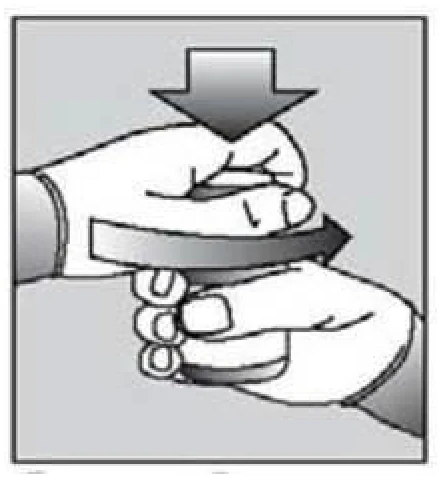
For child resistant bottles only: Instructions for use of child resistant bottles
Push down the lid and turn to open.
If you take more Codeine/Paracetamol than you should
- Tell your doctor or go to your nearest hospital casualty department straight away - even if you feel well. This is because too much paracetamol can cause delayed, serious liver damage.
- Remember to take any remaining tablets and the pack with you. This is so the doctor knows what you have taken
If you forget to take Codeine/Paracetamol
If you forget to take a dose at the right time, take it as soon as you remember.
However, if it is almost time for your next dose, skip the missed dose. Do not take a double dose to make up for a forgotten dose. Remember to leave at least 4 hours between doses.
If you stop taking Codeine/Paracetamol
Do not suddenly stop taking this medicine. If you want to stop taking this medicine, discuss this with your prescriber first. They will tell you how to do this, usually by reducing the dose gradually so that any unpleasant withdrawal effects are kept to a minimum. Withdrawal symptoms such as restlessness, difficulty sleeping, irritability, agitation, anxiety, feeling your heartbeat (palpitations), increased blood pressure, feeling or being sick, diarrhoea, shaking, shivering or sweating may occur if you suddenly stop taking this medicine.
Changing or stopping treatment
Long term usage of Codeine/Paracetamol may lead to tolerance and dependence. If you have taken regular daily doses of Codeine/Paracetamol for a long time, do not increase the dose or suddenly stop treatment without discussing this with your doctor. You may experience withdrawal symptoms if you suddenly stop treatment. Contact your doctor for advice.
If you have any further questions on the use of this medicine, ask your doctor, pharmacist or nurse.
4. Possible side effects
Like all medicines, this medicine can cause side effects, although not everybody gets them.
Important side-effects you should know about Codeine/Paracetamol
- Taking a painkiller for headaches too often or for too long can make them worse.
- Unknown frequency: dependence and addiction (see section "How do I know if I am addicted?).
Stop taking Codeine/Paracetamol and see a doctor or go to a hospital straight away if:
- You have difficulty in breathing or you feel dizzy
- You get swelling of the hands, feet, ankles, face, lips or throat which may cause difficulty in swallowing or breathing. You could also notice an itchy, lumpy rash (hives) or nettle rash (urticaria). This may mean you are having an allergic reaction to Codeine/Paracetamol.
- You get serious skin reactions. Very rare cases have been reported.
Talk to your doctor straight away if you notice the following serious side effect:
- Severe stomach pain, which may reach through to your back. This could be a sign of inflammation of the pancreas (pancreatitis). This is a very rare side effect.
Tell your doctor or pharmacist if any of the following side effects gets serious or lasts longer than a few days:
- Constipation
- Difficulty breathing, wheezing, tightness in the chest (bronchospasm).
- Feeling sick (nausea), being sick (vomiting)
- Difficulty in passing water
- Becoming dependent on codeine
You get infections or bruise more easily than usual. This could be because of a blood problem (such as agranulocytosis, neutropenia, leucopenia or
thrombocytopenia)
Frequency “Not known” (frequency cannot be estimated from the available data):
- A serious condition that can make blood more acidic (called metabolic acidosis), in patients with severe illness using paracetamol (see section 2)
Symptoms associated with inflammation of the pancreas (pancreatitis) and the biliary tract system (a problem affecting a valve in the intestines known as sphincter of Oddi dysfunction), e.g. severe upper abdominal pain possibly radiating to the back, nausea, vomiting or fever
Drug Withdrawal
When you stop taking Codeine/Paracetamol, you may experience drug withdrawal symptoms, which include restlessness, difficulty sleeping, irritability, agitation, anxiety, feeling your heartbeat (palpitations), increased blood pressure, feeling or being sick, diarrhoea, shaking, shivering or sweating.
How do I know if I am addicted?
If you notice any of the following signs whilst taking Codeine/Paracetamol, it could be a sign that you have become addicted.
- You need to take the medicine for longer than advised by your prescriber
- You feel you need to use more than the recommended dose
- You are using the medicine for reasons other than prescribed
- When you stop taking the medicine you feel unwell, and you feel better once taking the medicine again
If you notice any of these signs, it is important you talk to your prescriber.
Reporting of side effects
If you get any side effects, talk to your doctor or pharmacist. This includes any possible side effects not listed in this leaflet. You can also report side effects directly via the Yellow Card Scheme at: www.mhra.gov.uk/yellowcard or search for MHRA Yellow Card in the Google Play or Apple App Store. By reporting side effects you can help provide more information on the safety of this medicine.
5. How to store Codeine/Paracetamol
Store this medicine in a safe and secure storage space, where other people cannot access it. It can cause serious harm and be fatal to people when it has not been intended for them.
Keep this medicine out of the sight and reach of children.
Do not use this medicine after the expiry date which is stated on the carton or label after ‘EXP’. The expiry date refers to the last day of that month.
This medicine does not require any special storage conditions
For tablet containers only: Shelf-life after first opening: 100 days.
Do not throw away any medicines via wastewater or household waste. Ask your pharmacist how to throw away medicines you no longer use. These measures will help protect the environment.
6. Contents of the pack and other information
What Codeine/Paracetamol contains
The active substances are codeine phosphate hemihydrate and paracetamol.
Each film-coated tablet contains 30mg of codeine phosphate and 500mg of paracetamol.
- The other ingredients are povidone (K29/32), magnesium stearate, silica colloidal anhydrous, talc, sodium croscarmellose, copovidone (25.2-30.8), cellulose microcrystalline, hydroxypropylated starch (E1440), mannitol, lecithin soya (E322) and titanium dioxide (E171).
What Codeine/Paracetamol looks like and contents of pack
Codeine/Paracetamol 30mg/500mg film-coated tablets are white, oval, 8.5 x 17mm, biconvex tablets, marked ’5 3’ on one side with a score line.
Pack Sizes:
White PVC/Aluminium blisters: 8, 10, 16, 20, 24, 30, 40, 50 and 100 film-coated tablets White plastic tablet containers: 50 and 100 film-coated tablets
Not all pack sizes may be marketed.
Marketing Authorisation Holder
Torrent Pharma (UK) Ltd, 3rd Floor,
Nexus Building, 4 Gatwick Road, Crawley,
West Sussex, RH10 9BG,
United Kingdom
Manufacturer
Balkanpharma-Dupnitsa AD
3 Samokovsko Shosse Str. Dupnitsa 2600 Bulgaria.