

Summary of Product Characteristics (SmPC) - Cindolin 1.2 million IU/ 25 mg powder and solution for suspension for injection
1 NAME OF THE MEDICINAL PRODUCT
Cindolin 1.2 Million IU/ 25 mg Powder and solution for suspension for injection
2 QUALITATIVE AND QUANTITATIVE COMPOSITION
1 vial of powder contains 916.7 mg benzathine benzylpenicillin (as tetrahydrate), equivalent to 1,200,000 IU benzathine benzylpenicillin.
1 ampoule of 5 ml solution contains 25 mg lidocaine hydrochloride monohydrate.
Excipients with known effect:
Contains traces of phospholipids from the soya beans.
Contains 26.19 mg sodium and 25 mg povidone K17 per dose of 1.2 Million IU.
For the full list of excipients, see section 6.1.
3 PHARMACEUTICAL FORM
Powder and solution for suspension for injection
White to cream-coloured powder
Clear, colourless solution
4 CLINICAL PARTICULARS
4.1 Therapeutic indications
Cindolin is indicated in adults, adolescents, children and infants for the treatment and prophylaxis of the following infections caused by pathogens sensitive to penicillin (see section 5.1):
For the treatment of:
- erysipelas (follow-up treatment, when stable apyrexia and improvement of local signs and symptoms have been established with intravenous antibiotic treatment)
- early syphilis (primary, secondary or latent syphilis with a duration of infection of not more than one year) without CSF abnormalities
- syphilis with a duration of infection of more than one year (latent, cardiovascular or late benign syphilis) except for neurosyphilis and not in the presence of CSF abnormalities
- yaws
- pinta
For the prophylaxis of:
- rheumatic fever (chorea, rheumatic carditis)
- poststreptococcal glomerulonephritis
- erysipelas
Consideration should be given to official guidance on the appropriate use of antibacterial agents.
4.2 Posology and method of administration
Posology
The dosing recommendations depend on the severity and the type of infection, the age and the hepato-renal function of patients. International guidelines should be considered in addition to national or local guidance for some specific indications (e. g. syphilis, prophylaxis of rheumatic fever).
Dosage and duration of treatment
General therapy (e.g. follow-up treatment of erysipelas):
Adults and adolescents: 1.2 Million IU (1 vial) once weekly
Children > 30 kg body weight: 1.2 Million IU (1 vial) once weekly
Children 3.5 kg–30 kg body weight: 600,000 IU (½ vial) once weekly
Treatment of syphilis:
Primary and secondary stage
Adults and adolescents: 1 x 2.4 Million IU (2 vials)
Children: 50,000 IU/kg body weight, however not more than 2.4 Million IU
If clinical symptoms recur or laboratory findings remain strongly positive, treatment should be repeated.
Duration of treatment: single dose
Late-stage syphilis (latent seropositive syphilis)
Adults and adolescents: 2.4 Million IU once weekly (2 vials)
Children: 50,000 IU/kg body weight, however not more than 2.4 Million IU
Duration of treatment: 3 weeks
Treatment of congenital syphilis: without neurological involvement
Infants: 1 x 50,000 IU/kg body weight
Duration of treatment: single dose
Treatment of yaws, pinta:
Adults and adolescents: 1 x 1.2 Million IU (1 vial)
Children > 30 kg body weight: 1 x 1.2 Million IU (1 vial)
Children 3.5 kg–30 kg body weight: 1 x 600,000 IU (½ vial)
Duration of treatment: single dose
Prophylaxis of rheumatic fever, poststreptococcal glomerulonephritis and erysipelas:
Adults and adolescents: 1 x 1.2 Million IU (1 vial) every 2–4 weeks
Children > 30 kg body weight: 1 x 1.2 Million IU (1 vial) every 3–4 weeks
Children 3.5 kg–30 kg body weight: 1 x 600,000 IU (½ vial) every 3–4 weeks
Duration of treatment:
- a) without cardiac involvement: at least 5 years, or up to 21 years of age
- b) transient cardiac involvement: at least 10 years, or up to 21 years of age
- c) persistent cardiac involvement: at least 10 years or up to 40 years of age; life-long prophylaxis is sometimes necessary.
Special patient groups
Patients with impaired renal function
| Benzathine benzylpenicllin dosage for adults, adolescents and children | ||
| based on creatinine clearance | ||
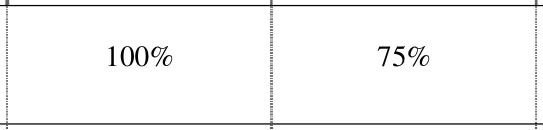
Creatinine clearance in ml/min 100–60 50–10 <10 | ||
| Serum creatinine in mg% 0.8-1.5 1.5-8.0 15 | ||
Proportion of the normal daily dose of benzathine benzylpenicillin 100% 75% 20–50% | ||
Dosage interval in 1 single administration in 1 single administration in 2–3 single administrations | ||
Haemodialysis patients
Benzathine benzylpenicillin can be removed by hemodialysis. There are no data available on the influence of dialysis on the plasma levels of benzylpenicillin. The decision to treat patients on dialysis with benzathine benzylpenicillin needs therefore to be taken on a case by case basis.
Patients with impaired hepatic function
In very severe cases of impaired hepatic and renal function, there may be a delay in the degradation and excretion of penicillins.
Patients with renal and hepatic impairment and patients with cardiac insufficiency
Due to the lidocaine content in the solution patients with renal and hepatic impairment as well as patients with cardiac insufficiency should be monitored with special attention to cardiac and neurologic abnormalities (please refer to section 4.8) due to a reduced metabolism and elimination of lidocaine or its active metabolites.
Paediatric population
No adequate dosing data are available for children under 1 month of age. Cindolin should not be used in children with a body weight below 3.5 kg in order to avoid exceeding the maximum dose for lidocaine.
In children less than 4 years of age, Cindolin should be used with special caution due to the content of lidocaine.
Method of administration
The preparation is strictly for intramuscular injection (see section 4.4). The injection must not be administered into tissue with reduced perfusion (see section 4.4).
Reconstitution of the suspension for injection
For instructions on reconstitution of the medicinal product before administration, see section 6.6.
Injection
Using a long, large gauge needle (cannula diameter 0.90 mm), the injection of Cindolin must be made by deep intramuscular injection into the upper outer quadrant of the gluteal musculature in the direction of the iliac crest or by von Hochstetter’s technique. The needle should be inserted as perpendicularly to the skin surface as possible, and the injection should be made as far away from larger vessels as possible. Always aspirate before injecting. If blood is aspirated or if the patient experiences pain during the injection, the injection must be stopped.
In children, the mid-lateral thigh muscles (m. quadriceps femoris) are recommended as an injection site. The deltoid muscle is only suitable if it is well formed; in this case, attention must be paid to the radial nerve.
In infants and young children, the peripheral area of the upper outer quadrant of the gluteal region should be used as the area for injection only in exceptional cases (e.g. widespread burns), in order to avoid sciatic nerve lesions.
The injection should not be made into tissues with reduced blood flow (see also section 4.4). In case of repeated administration, the injection site should be changed.
The injection should be made as slowly as possible and by applying only little pressure. “Rubbing” after the injection should be avoided.
Severe local reactions may occur during intramuscular administration, especially in young children. If possible, taking notably into account the therapeutic indications and schedule regimens and weighing the benefit-risk ratio, alternative treatments such as intravenous therapy with a suitable penicillin product should be considered (see also section 4.4).
During long-term treatment with depot penicillins (e.g. for the treatment of syphilis), repeated injections into a closely confined area in muscle tissue may lead to tissue injury and ingrowth of blood vessels, thus increasing the likelihood of injected material entering the circulation with each further injection − either by direct injection into a blood vessel or by squeezing material into the circulation as a result of the injection pressure, or even by spreading the depot by “rubbing”. During long-term treatment, it is therefore recommended to administer each injection as far away as possible from the site of the preceding injection.
Note
Because of the possible adverse reactions (Nicolau’s syndrome or Hoigné’s syndrome in association with the effect of lidocaine), it is imperative to rule out an intravascular needle position by doing an aspiration test with an empty injection syringe.
4.3 Contraindications
Hypersensitivity to the active substances, soya, peanut or to any of the excipients listed in section 6.1.
Benzathine benzylpenicillin
Hypersensitivity to any of the penicillins, History of a severe immediate hypersensitivity reaction to another beta-lactam agent (e.g. cephalosporin, carbapenem or monobactam).
Lidocaine
Hypersensitivity to amide-type local anaesthetics.
Cindolin is contraindicated in neonates with congenital syphilis.
Cindolin is contraindicated in patients with complete heart block.
4.4 Special warnings and precautions for use
Benzathine benzylpenicillin
Benzathine benzylpenicillin should not be used in tissues with reduced perfusion.
Before initiating therapy with benzathine benzylpenicillin, careful enquiry should be made concerning previous hypersensitivity reactions to penicillins, cephalosporins or other beta-lactam agents (see sections 4.3 and 4.8).
Serious and occasionally fatal hypersensitivity reactions have been reported in patients on penicillin therapy. These reactions are more likely to occur in individuals with a history of penicillin hypersensitivity and in atopic individuals. If an allergic reaction occurs, benzathine benzylpenicillin must be discontinued and appropriate therapy instituted.
Caution should be exercised in patients with the following conditions:
- allergic diathesis or bronchial asthma (there is an increased risk of a hypersensitivity reaction):
- in renal insufficiency (for dose adjustment, see section 4.2);
- in impaired hepatic function (see section 4.2);
Adequate post-injection monitoring and the availability of shock management interventions should be ensured whenever using benzathine benzylpenicillin. If there is evidence of penicillin allergy from earlier treatment, prescribers are expressly warned against the use of depot products.
Medical monitoring or on-call availability for at least 1 hour should be ensured because of the possibility of severe immediate-type allergic reactions even with first-time use.
When treating syphilis, a Jarisch-Herxheimer reaction may occur as a result of the bactericidal action of penicillin on pathogens. 2 to 12 hours after administration headaches, fever, sweating, shivering, myalgia, arthralgia, nausea, tachycardia, increased blood pressure followed by hypotension may occur. These symptoms resolve after 10 to 12 hours. Patients should be informed that this is a usual, transient sequela of antibiotic therapy. Appropriate therapy should be instituted to suppress or attenuate a Jarisch-Herxheimer reaction (see section 4.8).
In long-term treatment, blood count monitoring and renal function tests are recommended.
Antibiotic-associated colitis has been reported with nearly all antibacterial agents including benzathine benzylpenicillin and may range in severity from mild to life threatening (see section 4.8). Therefore, it is important to consider this diagnosis in patients who present with diarrhoea during or subsequent to the administration of any antibiotics. Should antibiotic-associated colitis occur, benzathine benzylpenicillin should immediately be discontinued, a physician be consulted and an appropriate therapy initiated. Anti-peristaltic drugs are contra-indicated in this situation.
Long-term and repeated use may lead to superinfections with resistant bacteria and yeasts.
If neurological involvement cannot be excluded in patients with congenital syphilis, forms of penicillin that reach a higher level in cerebrospinal fluid should be used.
In patients with dermatomycosis, para-allergic reactions may occur when first dosed with benzathine benzylpenicillin because of shared antigenicity between penicillin and dermatophytes.
Painful induration may occur in the event of accidental subcutaneous administration. Ice packs help in such cases.
Accidental intravenous injection of benzathine benzylpenicillin may cause Hoigné’s syndrome, which is characterised by a feeling of doom, hallucinations, visual disturbances, tinnitus, dizziness, paraesthesias (e.g. tingling, numbness) or tachycardia (accelerated pulse). These symptoms usually resolve completely within 30 minutes, but there have also been reports of death.
Accidental intra-arterial or paravascular injection may cause Nicolau’s syndrome. Apart from signs related to local ischaemia such as pain, pallor, oedema and blistering followed by necrosis, severe forms with shock and disseminated intravascular coagulation as well as disseminated ischaemic and neurological complications including hypaesthesia, paraplegia and sphincter incompetence are possible.
Lidocaine:
Hoigné’s syndrome and Nicolau’s syndrome may be exacerbated by the lidocaine contained in this medicinal product.
Because the medicinal product contains lidocaine, Cindolin should be used with particular caution in patients with
- kidney and/or liver disease
- myasthenia gravis
a lowered seizure threshold of the central nervous system
(e.g. in epilepsy): Also low doses of lidocaine can cause increased convulsive readiness.
- cardiac insufficiency
- cardiac impulse conduction disorders
- bradycardia
- respiratory depression
Cindolin should be used with particular caution in elderly and generally debilitated patients.
Lidocaine has been shown to be porphyrinogenic in animals and should be avoided in people with porphyria.
Inadvertent intravascular administration or overdoses may cause high lidocaine blood concentrations responsible for acute central nervous and cardiovascular toxic symptoms.
Symptoms caused by lidocaine may occur especially after accidental intravascular administration of Cindolin.
Inadvertent intravenous administration may trigger systemic reactions immediately (within seconds to a few minutes). In case of an overdose, onset of systemic toxicity is later (15 to 60 minutes after injection) as result of the slower increase in the concentration of the local anaesthetic in the blood.
General warning:
Cindolin should be used with particular caution in patients with coagulopathy or treatment with anticoagulants (e.g. heparin), non-steroidal anti-inflammatory drugs or plasma substitutes as accidental injury of blood vessels may lead to serious bleedings.
Effect on diagnostic laboratory procedures:
- A positive direct Coombs’ test often develops (≥ 1% to < 10%) in patients receiving 10 Million IU (equivalent to 6 g) benzylpenicillin or more per day. After discontinuation of the penicillin, the direct antiglobulin test may still remain positive for 6 to 8 weeks (see section 4.8).
Determination of urinary protein using precipitation techniques
(sulphosalicylic acid, trichloroacetic acid), the Folin-Ciocalteu-Lowry method or the biuret method may lead to false-positive results. Urinary protein should therefore be determined by other methods.
- Urinary amino acid determination using the ninhydrin method may likewise lead to false-positive results.
- Penicillins bind to albumin. In electrophoresis methods to determine albumin, pseudobisalbuminaemia may therefore be simulated.
- Non-enzymatic urinary glucose detection and urobilinogen detection may prove false-positive.
- When determining 17-ketosteroids (using the Zimmermann reaction) in the urine, increased values may occur.
Special precautions
Delayed excretion of povidone should be taken into consideration in patients with renal impairment.
As this medicinal product contains povidone, it cannot be ruled out that frequent or prolonged use may very rarely lead to the accumulation of povidone in the reticuloendothelial system (RES), or to local deposits and the formation of foreign body granulomas which may be confused with tumours.
In the event of severe allergic symptoms following intramuscular administration of Cindolin, consideration should be given to surgical removal of the depot area.
This medicinal product contains 26.19 mg sodium per dose of 1.2 Million IU, equivalent to 1.3 % of the WHO recommended maximum daily intake of 2 g sodium for an adult.
Paediatric population
The dose of the above-mentioned medicinal product should be reduced depending on the child's body weight and age.
4.5 Interaction with other medicinal products and other forms of interaction
Interactions with benzathine benzylpenicillin
Combination therapy with suitable antibiotics such as aminoglycosides may lead to a synergistic effect. However, benzathine benzylpenicillin should not be used in combination with bacteriostatic chemotherapeutic agents such as tetracyclines, chloramphenicol or macrolides.
Co-administration of probenecid leads to inhibition of tubular secretion of benzylpenicillin and hence to increased serum concentrations and prolongation of the elimination half-life of benzylpenicillin. In addition, probenecid also inhibits penicillin transport from the cerebrospinal fluid so that the already poor penetration of benzylpenicillin into brain tissue is further reduced by co-administration of probenecid.
The elimination half-life of benzylpenicillin is also increased to variable extents by salicylates, phenylbutazone, indomethacin and sulphinpyrazone.
Benzylpenicillin may decrease the excretion of methotrexate, leading to increased methotrexate plasma levels and increased methotrexate toxicity.
Concomitant use with oral anticoagulants may increase the anti-vitamin K effect and the risk of bleeding. It is recommended that the International Normalised Ratio (INR) is monitored frequently and the posology of the anti-vitamin K drug adjusted accordingly, both during and after treatment with benzathine benzylpenicillin.
Interactions with lidocaine
Simultaneous administration of lidocaine and other class I antiarrhythmics should be avoided because of the risk that serious cardiac adverse effects occur.
If lidocaine is combined with other anti-arrhythmic medicinal products such as beta receptor blockers or calcium channel blockers, the inhibitory effect on atrioventricular and intraventricular conduction and on contractility may be enhanced.
Combination of different local anaesthetics may lead to additive effects on the cardiovascular and the central nervous system.
Lidocaine should be administered with due caution to patients receiving medication with sedatives that also affect the function of the CNS and therefore may alter the toxicity of lidocaine. There may be an additive effect between the local anaesthetic effect and sedatives or hypnotics.
Lidocaine prolongs the effect of non-depolarising muscle relaxants.
As lidocaine itself may reduce the seizure threshold co-administration with other medicinal products lowering the seizure threshold (e.g. tramadol or bupropion) may increase the risk of seizures.
Simultaneously administered diazepam raises the threshold for lidocaine to produce convulsions. This must be kept in mind when monitoring patients for signs of toxicity of lidocaine.
The additional separate use of epinephrine or norepinephrine concurrently with Cindolin may increase the possible systemic effect of the lidocaine this medicinal product contains.
Concomitant use of lidocaine with substrates, inhibitors or inductors of CYP3A4 and / or CYP1A2 may influence plasma concentrations of lidocaine. The clinical relevance of these interactions is considered as low due to the low lidocaine content in Cindolin and the low systemic bioavailability.
4.6 Fertility, pregnancy and lactation
Pregnancy
Benzylpenicillin and lidocaine cross the placenta.
Animal studies and experience gathered to date with the use of benzylpenicillin in pregnant women have revealed no evidence of teratogenic effects. Benzathine benzylpenicillin should be used during pregnancy only if absolutely necessary.
Controlled studies in pregnant women are not available. Data from a limited number of exposed pregnancies show no evidence of congenital effects from lidocaine. Animal studies have shown reproductive toxicity (see section 5.3). Lidocaine rapidly crosses the placenta. In neonates with high plasma concentrations, lidocaine may produce CNS depression and, therefore, lower the Apgar score.
Breast-feeding
Benzylpenicillin and lidocaine are excreted in breast milk.
Benzylpenicillin is excreted in milk in small amounts. The concentration of benzylpenicillin in breast milk may be 2% to 15% of maternal serum levels. Although no undesirable effects in infants fed on breast milk have been reported to date, consideration must be given to the possibility of sensitisation or interference with the intestinal flora (see also 5.3 “Preclinical safety data”).
The infant should be monitored for diarrhoea and mucosal yeast colonisation.
Fertility
No fertility studies have been conducted in humans. Reproductive studies on mice, rats and rabbits have not revealed any negative effects on fertility. No long-term fertility studies on laboratory animals are available.
4.7 Effects on ability to drive and use machines
As this medicinal product contains lidocaine, it cannot be ruled out in individual cases that the ability to drive, use machines or work at heights may be impaired for a short time after the injection.
4.8 Undesirable effects
- a) Summary of the safety profile
Both benzathine benzylpenicillin and lidocaine are substances with an established safety profile. The most frequently reported adverse reactions associated with intramuscular injections of benzathine benzylpenicillin include infiltrates at the injection site, fever and allergic reactions, which predominantly comprise local skin reactions such as rash. Anaphylactic reactions including life-threatening shock are, however, rare. The possible adverse reactions to lidocaine are essentially those reported for other acid amide-type local anaesthetics. Systemic adverse reactions may occur, e.g. after accidental intravenous injection. Nervous system reactions may consist of dizziness, vomiting and lightheadedness. Apart from these, mild blood pressure increase is among the most frequent adverse reactions.
- b) Tabulated summary of adverse reactions
The reported frequencies of adverse reactions are based on the following categories:
Very common (≥ 1/10)
Common (≥ 1/100 to < 1/10)
Uncommon (≥ 1/1,000 to < 1/100)
Rare (≥ 1/10,000 to < 1/1,000)
Very rare (< 1/10,000)
Not known (cannot be estimated from the available data)
Possible adverse reactions to benazathine benzylpenicillin.
| System Organ Class | Frequency | Adverse reaction |
| Infections and infestations | Rare | Pseudo-membranous colitis (see section 4.4) |
| Not known | Infections with resistant bacteria and yeasts | |
| Blood and lymphatic | Very rare | Haemolytic anaemia, |
| system disorders | leukopenia, thrombocytopenia, agranulocytosis | |
| Immune system disorders | Common | Allergic reactions1 |
| Rare | Anaphylactic reactions including shock (life-threatening)1, serum sickness1 | |
| Not known | Allergic oedema, Jarisch-Herxheimer reaction1 | |
| Vascular disorders | Not known | Arterial vascular occlusions |
| Respiratory, thoracic and mediastinal disorders | Not known | Laryngeal oedema, bronchospasm, pulmonary eosinophilia |
| Gastrointestinal disorders | Uncommon | Glossitis, stomatitis, black hairy tongue, nausea, vomiting, diarrhoea |
| Hepatobiliary disorders | Very rare | Hepatitis, cholestasis |
Skin and subcutaneous tissue disorders | Common | Rash (morbilliform or scarlatiniform) |
| Very rare | Stevens-Johnson syndrome, toxic epidermal necrolysis (Lyell’s syndrome) | |
| Not known | Eosinophilia, urticaria1, angioneurotic oedema, leucocytoclastic vasculitis, erythema nodosum, Henoch-Schönlein purpura | |
| Renal and urinary disorders | Rare | nephropathy, interstitial nephritis |
| General disorders and administration site conditions | Common | Infiltrates at the injection site, fever |
| Not known | Pain at the injection site1, Hoigné-, Nicolau Syndrome | |
| Investigations | Common | Positive direct Coombs’ test, false-positive urinary protein determination when precipitation techniques are used (Folin-Ciocalteu-Lowry method, biuret method), false-positive urinary amino acid determination (ninhydrin method), simulation of pseudobisalbu-minaemia when |
| using electrophoresis methods to determine albumin, false-positive non-enzymatic urinary glucose detection and urobilinogen detection, increased levels when determining 17-ketosteroids in urine (when the Zimmermann reaction is used) |
1 see also section 4.8 c) Description of selected adverse reactions
Neurotoxic reactions, which are possible with high-dose penicillin therapy, do not occur because of the low plasma levels attained with this depot product.
Possible adverse reactions to lidocaine:
Because of the low lidocaine content and the low frequency of use of Cindolin, the risk of dose-related systemic adverse reactions to lidocaine is low when this product is used as intended. Nevertheless, patients should also be monitored for adverse reactions to lidocaine. Possible adverse reactions are essentially those reported for other acid amide-type local anaesthetics. Systemic adverse reactions may occur, e.g. after accidental intravenous injection, in such cases, they can be very serious, in particular in terms of cardiac and neurologic function.
The undesirable effects are arranged according to body system. The frequency cannot be estimated from the available data.
| System Organ Class | Frequency | Adverse reaction |
| Immune system disorders | Rare | Allergic reactions |
| Nervous system disorders | Not known | Dizziness, lightheadedness, seizures, circumoral paresthesia, tongue numbness, drowsiness |
| Cardiac disorders | Not known | Bradycardia, cardiac arrhythmias, myocardial depression, cardiac arrest |
| Vascular disorders | Not known | mild blood pressure increase, hypotension, circulatory shock |
| Respiratory, thoracic and mediastinal disorders | Not known | Respiratory depression |
| Gastrointestinal disorders | Not known | Nausea, vomiting |
| Skin and subcutaneous tissue disorders | Not known | Rash, urticarial, oedema |
For possible serious systemic adverse reactions in case of accidental intravascular injection, see section 4.4.
This product contains phospholipids from the soya bean ((3-sn-phosphatidyl)choline), caution is warranted on the risk of allergic reactions.
It cannot be excluded that, in very rare cases and due to the povidone content, povidone may accumulate in the reticuloendothelial system (RES) or local deposits and foreign body granuloma may occur, which may be confused with tumors.
- c) Description of selected adverse reactions
Allergic reactions occur uncommonly to commonly, anaphylactic reactions including life-threatening shock occur rarely. The frequency of many individual symptoms of allergic reactions cannot be estimated with sufficient accuracy based on the available data. The usual emergency procedures should be instituted for the management of anaphylactic reactions.
Serum sickness may be accompanied by, but is not limited to, fever, joint swelling and allergic rash.
The treatment of spirochete infections (e.g. syphilis) may (usually 2−12 hours after the first dose) be associated with the development of a Jarisch-Herxheimer reaction, characterised by fever, rigors, general and focal symptoms.
Any immediate urticarial reaction must always be considered a serious sign and strictly mandates discontinuation of therapy.
Pain at the injection site may occur even with appropriate injection technique. The local anaesthetic provides initial pain relief. Once the local anaesthetic effect wears off, the pain may persist for some time.
Reporting of suspected adverse reactions
Reporting suspected adverse reactions after authorisation of the medicinal product is important. It allows continued monitoring of the benefit/risk balance of the medicinal product. Healthcare professionals are asked to report any suspected adverse reactions via the Yellow Card Scheme at: www.mhra.gov.uk/yellowcard or search for MHRA Yellow Card in the Google Play or Apple App Store.
4.9 Overdose
Symptoms of overdose/misuse
At extremely high doses, penicillins can induce neuromuscular excitability or epileptiform seizures. If overdose is suspected, clinical monitoring and symptomatic measures are indicated.
Benzylpenicillin can be haemodialysed.
Lidocaine intoxication following inappropriate administration of too much lidocaine occurs in two phases. Initially patients experience excitatory central and cardiac symptoms: agitation, unrest, dizziness, disturbances of hearing and vision, perioral tingling, slurred speech, nausea, vomiting, shivering and muscular twitching which may be signs of an imminent seizure. Cardiovascular symptoms may include arrhythmia, tachycardia, hypertension and flushing. As intoxication progresses, patients develop depression of central and cardiac functions resulting in coma, respiratory and circulatory arrest. A frequent prodrome is hypotension. Accidental intravascular administration of lidocaine does not always produce excitatory symptoms. Acidosis, hyperkalaemia, hypocalcaemia and hypoxia increase and prolong the toxic effects of local anaesthetics.
Emergency procedures and antidotes
At the first signs of a lidocaine overdose, the administration of Cindolin must be stopped immediately. Administration of oxygen is recommended. Additional treatment should be symptomatic in response to the signs of intoxication: A seizure is an indication for intravenous administration of diazepam, and respiratory and circulatory arrest should be managed with the usual procedures of cardiopulmonary resuscitation.
Central analeptic agents are contraindicated in intoxication with local anaesthetics.
5 PHARMACOLOGICAL PROPERTIES
5.1 Pharmacodynamic properties
Benzathine benzylpenicillin
Pharmacotherapeutic group:
Antibacterials for systemic use; Beta-lactamase sensitive penicillins.
ATC code: J01CE08
Mechanism of action
The mechanism of action of benzylpenicillin is based on inhibition of bacterial cell wall synthesis (in the growth phase) by blocking penicillin-binding proteins (PBPs) such as transpeptidases. This results in bactericidal activity.
Pharmacokinetic/pharmacodynamic relationship
Activity depends essentially on the time during which drug levels are above the MIC of the pathogen.
Resistance mechanisms
Resistance to benzylpenicillin may be due to the following mechanisms:
- Inactivation by beta-lactamases: Benzylpenicillin is non-beta-lactamase resistant and, therefore, is inactive against beta-lactamase producing bacteria (e.g. staphylococci or gonococci).
- Reduced affinity of PBPs for benzylpenicillin: The acquired resistance of pneumococci and some other streptococci to benzylpenicillin is due to modifications of existing PBPs as a result of a mutation. The resistance of methicillin (oxacillin) resistant staphylococci, however, is due to the formation of an additional PBP with reduced affinity for benzylpenicillin.
- In Gram-negative bacteria, inadequate penetration of benzylpenicillin through the outer cell wall may result in PBPs not being sufficiently inhibited.
- Efflux pumps can actively remove benzylpenicillin from the cell.
Partial or complete cross-resistance of benzylpenicillin exists with other penicillins and cephalosporins.
Breakpoints
Benzylpenicillin susceptibility testing uses the usual serial dilutions. Interpretation of the results is based on the breakpoints established for benzylpenicillin. The following minimum inhibitory concentrations have been defined for sensitive and resistant pathogens:
EUCAST (European Committee on Antimicrobial Susceptibility Testing) breakpoints (clinical breakpoint table v. 10.0, valid from 2020-01-01)
Given the different indications of short acting alkali salts of benzylpenicillin and depot benzathine benzylpenicillin, the tables below cover only breakpoints for indication-relevant pathogens. Further breakpoints can be accessed at www.eucast.org.
MIC breakpoints (mg/L)
| Micro-organism | Sensitive | Resistant |
| Streptococcus spp. (groups A, B, C, G) | ≤ 0.25 | > 0.25 |
| Viridans group streptococci | ≤ 0.25 | > 2 |
| PK-PD (Non-species related) breakpoints | ≤ 0.25 | > 2 |
Zone diameter breakpoints (mm)
| Micro-organism | Sensitive ≥ | Resistant |
| Streptococcus spp. (groups A, B, C, G)1 | 18 ≥ | < 18 |
| Viridans group streptococci | 18 | < 12 |
The prevalence of acquired resistance of individual species may vary depending on region and time. Therefore − especially for adequate treatment of severe infections − local information regarding the resistance situation is required. If there is doubt about the efficacy of benzylpenicillin due to the local resistance situation, expert advice regarding treatment should be sought. Especially in the case of serious infections or failure of treatment, microbiological diagnosis including identification of the pathogen and determination of its susceptibility to benzylpenicillin should be sought.
Commonly susceptible species
Aerobic Gram-positive micro-organisms
Streptococcus pyogenes
Streptococcus dysgalactiae subsp. equisimilis° (streptococci of groups C & G)
“Viridans” group streptococci° ^
Other micro-organisms
Treponema pallidum°
° No current data were available at the time the table was published. The primary literature, standard reference works and treatment recommendations assume susceptibility.
^ Collective term for a heterogeneous group of Streptococcus species. The resistance rate may vary depending on the Streptococcus species.
Lidocaine
Pharmacotherapeutic group: Anesthetics, local; Amides
ATC code: N01BB02
Cindolin contains lidocaine to reduce injection pain.
Lidocaine reduces the permeability of cell membranes for cations, in particular sodium ions, at higher concentrations also for potassium ions. This leads, depending on the concentration of lidocaine, to reduced excitability of the nerve fibres because the increase of sodium permeability producing the action potential is slowed down. From inside the cell the lidocaine molecule enters the open sodium channel and blocks it by binding to a specific receptor. A direct effect of incorporation of lidocaine in the cell membrane is much less relevant.
Because lidocaine, before reaching its site of action, must pass into the cell, its effect depends on its pKa and on the environmental pH, i.e. on the proportion of the free base which is the moiety predominantly migrating through the lipophilic membranes of nerve fibres.
In inflamed tissue the local anaesthetic effect is reduced due to the lower pH in such regions.
5.2 Pharmacokinetic properties
The pharmacokinetic results presented below are based on single agent studies in which benzathine benzylpenicillin or lidocaine were administered alone. Lidocaine has no effect on the pharmacokinetics of benzathine benzylpenicillin following intramuscular administration of Cindolin.
General pharmacokinetics of benzathine benzylpenicillin
Absorption
Benzathine benzylpenicillin should be administered by the intramuscular route only. It is sparingly soluble in water. Following IM injection, it is slowly hydrolysed to benzylpenicillin in the tissue depot and then absorbed. The time to peak plasma concentration after a single injection of 1.2 Million IU is 13 to 24 hours.
After a single dose of 1.2 Million IU, mean plasma levels are 0.15 µg/ml on day 1, 0.03 µg/ml at 2 weeks and 0.003 µg/ml at 4 weeks. After a single dose of 2.4 Million IU, mean plasma levels of 0.12 µg/ml are maintained for 2 weeks. After weekly injections of the same dose for 3 consecutive weeks, peak levels measured were 0.48 IU/ml, equivalent to 0.29 µg/ml, after 7 days; also 0.48 IU/ml, equivalent to 0.29 µg/ml, after 14 days; and 0.52 IU/ml, equivalent to 0.31 µg/ml, after 3 weeks.
Neonates administered single doses of 50,000 IU/kg of body weight showed peak serum levels of 1.23 µg/ml within 13 to 24 hours.
Whilst the half-life of benzylpenicillin is 30 to 60 minutes, the half-life of benzathine benzylpenicillin is greater than 24 hours.
Distribution
The volume of distribution of benzylpenicillin is equivalent to the extracellular space. Plasma protein binding is approximately 50%.
Benzylpenicillin readily distributes into tissues, especially the skin, lung, kidney tissue and liver, but less into muscle and bone tissue. In most tissues, extracellular concentrations are 25% to 60% of serum levels.
Concentrations greater than 25% of serum levels are reached in the pleural, pericardial and synovial fluids only in case of inflammation.
The benzylpenicillin concentrations in the foetal circulation/amniotic fluid and milk is up to 50% and 10% of the maternal serum concentration, respectively.
Elimination
Benzylpenicillin is excreted 85% to 90% via the kidneys, with up to 70% being recovered as the active form and the remainder as inactive metabolites, e.g. penicilloic acid.
Neonates and infants have lower excretory capacity. The half-life of benzylpenicillin is 3 hours in the first two weeks of life and 1.4 hours beyond the second week of life.
A small proportion of benzylpenicillin is eliminated by biliary excretion. Excretion into hepatic bile is equivalent to the serum concentration. Gallbladder bile shows 2- to 3-fold accumulation.
Pharmacokinetics of lidocaine
The elimination half-life of lidocaine is 1.5 to 2 hours in adults.
It is rapidly metabolised in the liver and eliminated via the kidneys.
Lidocaine crosses the placenta by simple diffusion to reach the foetus within minutes of administration. The foetal-to-maternal serum concentration ratio after epidural administration is 0.5−0.7. Substantially higher concentrations were measured in umbilical cord blood after perineal infiltration and paracervical block. The elimination half-life of lidocaine in the neonate following maternal epidural anaesthesia is approximately three hours, and lidocaine was detectable in neonatal urine as late as 48 hours after perineal infiltration and paracervical block.
Paediatric population
In new-born infants, the α1-acid glycoprotein levels are low and protein binding may be reduced, leading potentially to a higher free fraction.
Pharmacokinetics of benzathine benzylpenicillin
Bioavailability
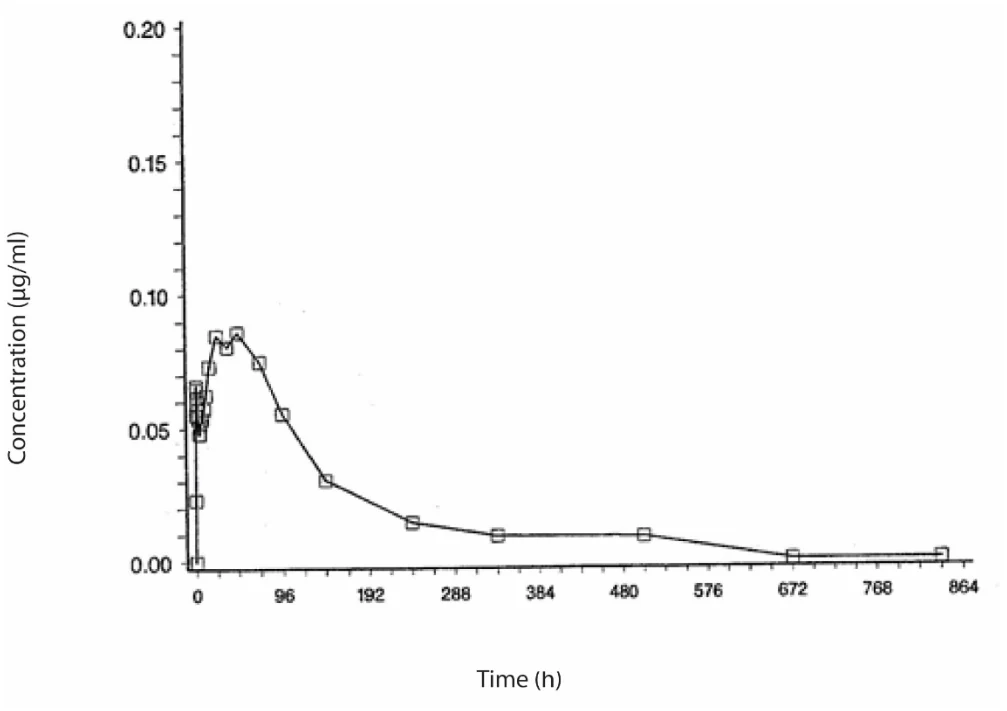
A relative bioavailability cross-over study of a single intramuscular dose from one vial 1.2 Million IU benzathine benzylpenicillin + 25 mg lidocaine versus an intramuscular dose of 1.2 Million IU of benzylpenicillin sodium carried out in 2000 gave the following results:
Benzylpenicillin levels expressed as the mean and spread
1.2 Million IU benzathine benzylpenicillin + 25 mg lidocaine | Benzylpenicillin sodium 1.2 Million IU | |
| Peak plasma concentration (Cmax [µg/ml]) | 0.089 ± 1.550 | 11.698 ± 1.267 |
Time to peak plasma concentration (tmax [h]): | 42.43 ± 17.81 | 0.40 ± 0.17 |
Area under the concentration-time curve (AUC0→∞ [h x µg/ml]): | 12.40 ± 1.610 | 19.09 ± 1.171 |
Mean benzylpenicillin plasma concentration profile over 36 days after IM administration of 1.2 Million IU benzathine benzylpenicillin + 25 mg lidocaine in a concentration-time plot:
5.3 Preclinical safety data
Acute toxicity
The toxicity of benzylpenicillin is very low. Animal studies showed only minor acute toxicity effects after parenteral administration.
Numerous studies of the acute toxicity of lidocaine in a variety of animal species are available. Signs of toxicity were CNS symptoms. These included seizures with a fatal outcome. The toxic (cardiovascular or CNS symptoms, convulsions) plasma concentration of lidocaine determined in humans is reported to range from 5 µg/ml to >10 µg/ml of blood plasma.
For more information about lidocaine, see 4.9 “Overdose/Symptoms of overdose”.
Chronic toxicity
No repeated dose toxicity animal studies of benzylpenicillin are available. See also 4.3 “Contraindications” and 4.8 “Undesirable effects”.
Mutagenic and tumourigenic potentials
Benzylpenicillin has been inadequately studied for mutagenic effects. Several bacterial tests produced no evidence of induction of gene mutations. In vitro and in vivo tests for detection of chromosomal aberrations are methodologically inadequate, but have revealed no relevant evidence to suggest such effects. No long-term animal studies of the tumourigenic potential of benzylpenicillin are available.
Mutagenicity tests of lidocaine produced negative results. However, there is evidence to suggest that 2,6-xylidine, a metabolite of lidocaine formed in the rat and possibly also in humans, might have mutagenic effects. This evidence was obtained from in vitro tests where this metabolite was used in very high, almost toxic concentrations. In addition, 2,6-xylidine showed tumourigenic potential in a carcinogenicity study in rats with transplacental exposure and postnatal treatment of the animals for 2 years. In this highly sensitive test system, malignant and benign tumours, mainly in the nasal cavity (ethmoturbinates), were observed at very high doses.
As the relevance of these findings to humans cannot be ruled out with sufficient reliability, lidocaine should not be used in high doses for prolonged periods of time.
Reproductive toxicity
Benzylpenicillin crosses the placenta. The foetal serum concentrations reached at 1 to 2 hours post-dose are similar to the maternal serum levels. Experience gathered to date in pregnant women and studies in rats, rabbits and monkeys have produced no evidence of teratogenic potential.
The concentration of benzylpenicillin in breast milk may be 2% to 15% of maternal serum levels.
Reproductive toxicity studies of lidocaine have produced no evidence of teratogenic properties.
The only effect to have been observed was a reduction in foetal weight. The offspring of rats exposed during pregnancy to a lidocaine dose that was almost equivalent to the maximum human recommended dose was reported to show behavioural alterations.
6 PHARMACEUTICAL PARTICULARS
6.1 List of excipients
Vial of powder:
Povidone K17
Polysorbate 80
Sodium citrate, anhydrous
Citric acid
Mannitol (E 421)
Simethicone
Soya bean lecithin
Ampoule with solution:
Sodium hydroxide
Water for injections
6.2 Incompatibilities
In the absence of compatibility studies, this medicinal product must not be mixed with other medicinal products.
6.3 Shelf life
3 years
Shelf life after reconstitution:
The suspension for injection should be prepared fresh immediately before use.
6.4 Special precautions for storage
Store in the original package in order to protect from light.
For storage conditions after reconstitution of the medicinal product, see section 6.3.
6.5 Nature and contents of container
Powder vials and glass ampoules of solution for suspension for injection in a carton.
Clear glass vial (glass type III with bromobutyl rubber stopper and aluminium crimp cap) containing the powder
Clear glass ampoule (glass type I) containing 5 ml solution
Pack sizes:
Carton of 1 vial and 1 ampoule
Multipack of 5 cartons with 1 vial and 1 ampoule, each
Not all pack sizes may be marketed.
6.6 Special precautions for disposal
Any unused medicinal product or waste material should be disposed of in accordance with local requirements.
Reconstitution of the suspension for intramuscular injection The powder of one vial should be reconstituted with the solution in the ampoule.
The ampoule with the solution should be opened by twisting off the tip; to open the glass ampoule, the top should be snapped off by defined breaking at the ampoule neck. The solution contained in the ampoule should be completely drawn up using a sterile syringe with a needle.
To reconstitute the suspension for injection, the syringe needle should be introduced through the rubber stopper of the vial so that the end of the needle is solely in the upper part of the vial.
Then the solution should be completely and slowly injected into the vial and the vial should be swirled. Vigorous shaking should be avoided.
The procedure described above helps avoid solution squirting out and foaming.
The ready-to-use medicinal product is a milky-white suspension for injection. After reconstitution with the solution provided in this pack, the volume of the ready-to-use suspension for injection is 6 ml.
Administration of 1.2 Million IU (equivalent to 1 vial):
The content of a vial should be completely drawn up and then administered.
Administration of lower doses, e.g. 600,000 IU (equivalent to ½ a vial): The content of a vial should be completely drawn up. Half of the content should be discarded immediately, and the second half of the content should be administered.
The suspension for injection is intended for single use only. The product must be used immediately after opening the ampoule and reconstituting the suspension for injection. Any remaining medicinal product after dispensing the single dose should be discarded.
Prior to injection, intravascular administration should be excluded by aspiration. The injection site should be changed with repeated injections.
7 MARKETING AUTHORISATION HOLDER
INFECTOPHARM Arzneimittel und Consilium GmbH
Von-Humboldt-Str. 1
64646 Heppenheim
Germany
8 MARKETING AUTHORISATION NUMBER(S)
PL 15011/0025
9 DATE OF FIRST AUTHORISATION/RENEWAL OF THE
AUTHORISATION
27/03/2025
10 DATE OF REVISION OF THE TEXT
27/03/2025