

Patient leaflet - Bydureon 2 mg prolonged-release suspension for injection in Pre-filled pen
1. What Bydureon is and what it is used for
Bydureon contains the active substance exenatide. It is an injectable medicine used to improve blood sugar control in adults, adolescents and children aged 10 years and above with type 2 diabetes mellitus.
This medicine is used in combination with the following diabetes medicines: metformin, sulphonylureas, thiazolidinediones (combination therapy with thiazolidinedione was only studied in adult patients), SGLT2 inhibitors and/or a long-acting insulin. Your doctor is now prescribing this medicine as an additional medicine to help control your blood sugar. Continue to follow your food and exercise plan.
You have diabetes because your body does not make enough insulin to control the level of sugar in your blood or your body is not able to use the insulin properly. This medicine helps your body to increase the production of insulin when your blood sugar is high.
2. What you need to know before you use Bydureon
Do not use Bydureon:
If you are allergic to exenatide or any of the other ingredients
of this medicine (listed in section 6).
Warnings and precautions
Talk to your doctor, pharmacist, or diabetes nurse before using Bydureon about the following:
If you use this medicine in combination with a sulphonylurea,
as low blood sugar (hypoglycaemia) can occur. Test your blood glucose levels regularly. Ask your doctor, pharmacist, or diabetes nurse if you are not sure if any of your other medicines contain a sulphonylurea.
If you have type 1 diabetes or diabetic ketoacidosis, as this
medicine should not be used.
How to inject this medicine. It should be injected into the skin
and not into a vein or into the muscle.
If you have severe problems with your stomach emptying
(including gastroparesis) or food digestion, as the use of this medicine is not recommended. The active substance in this medicine slows stomach emptying so food passes more slowly through your stomach.
If you have ever had inflammation of the pancreas
(pancreatitis) (see section 4).
If you lose weight too quickly (more than 1.5 kg per week)
talk to your doctor about it since this may cause problems such as gallstones.
If you have severe kidney disease or you are on dialysis, as
the use of this medicine is not recommended.
Bydureon is not an insulin and should therefore not be used as a substitute for insulin.
Children and adolescents
Bydureon can be used in adolescents and children aged 10 years and above. There is no data available for use of this medicine in children below 10 years of age.
Other medicines and Bydureon
Tell your doctor or pharmacist if you are taking, have recently taken, or might take any other medicines, particularly:
other medicines that are used to treat type 2 diabetes, such as
medicines that work like Bydureon (for example: liraglutide or other exenatide containing products, as taking these medicines with Bydureon is not recommended.
medicines used to thin the blood (anticoagulants), e.g.
Warfarin, as you will require additional monitoring of changes in INR (measurement of blood thinning) during initiation of therapy with this medicine.
a medicine that contains a sulphonylurea, as low blood sugar
(hypoglycaemia) can occur when combined with Bydureon.
if you are using insulin, your doctor will tell you how to reduce
the dose of insulin and will recommend that you monitor your blood sugar more frequently, in order to avoid hyperglycaemia (high blood sugar) and diabetic ketoacidosis (a complication of diabetes that occurs when the body is unable to break down glucose because there is not enough insulin).
Pregnancy and breast-feeding
It is not known if this medicine may harm your unborn child, therefore you should not use it during pregnancy and for at least 3 months before a planned pregnancy.
It is not known if exenatide passes into your milk. You should not use this medicine while breast-feeding.
If you are pregnant or breast-feeding, think you may be pregnant, or are planning to have a baby, ask your doctor or pharmacist for advice before taking this medicine.
You should use contraception if you could potentially become pregnant during treatment with this medicine.
Driving and using machines
If you use this medicine in combination with a sulphonylurea, low blood sugar (hypoglycaemia) can occur. Hypoglycaemia may reduce your ability to concentrate. Please keep this possible problem in mind in all situations where you might put yourself and others at risk (e.g. driving a car or using machines).
3. How to use Bydureon
BCise is the name of the pre-filled pen device used to inject your Bydureon medicine.
Always use this medicine exactly as your doctor, pharmacist, or diabetes nurse has told you. Check with your doctor, pharmacist, or diabetes nurse if you are not sure.
You should inject this medicine once a week, at any time of day, with or without meals.
You should inject this medicine into the skin (subcutaneous injection) of your stomach area (abdomen), upper leg (thigh), or the back of your upper arm. Do not inject into a vein or muscle.
Each week you can use the same area of your body. Be sure to choose a different injection site in that area.
Test your blood glucose levels regularly, it is particularly important to do this if you are also using a sulphonylurea.
Follow the “Instructions for the User” provided in the carton to inject Bydureon BCise
Your doctor or diabetes nurse should teach you how to inject this medicine before you use it for the first time.
Remove one pen from the refrigerator and rest it flat for at least 15 minutes. Mix the suspension by shaking hard for at least 15 seconds. Use the suspension only if it is evenly mixed, white to off-white and cloudy. If you see white medicine on the sides, bottom or top of the pen window, the medicine is NOT mixed well. Shake hard again until well mixed.
You should inject this medicine immediately after mixing the suspension.
Use a new pen for each injection. You should dispose of the pen safely after each use, as instructed by your doctor or diabetes nurse.
If you use more Bydureon than you should
If you use more of this medicine than you should, please consult your doctor first as you may need medical treatment. Using too
much of this medicine can cause nausea, vomiting, dizziness, or symptoms of low blood sugar (see section 4).
If you forget to use Bydureon
You might like to choose a day that you always plan to make your Bydureon injection.
If you miss a dose and there are 3 days or more until your next dose is due, then take the missed dose as soon as it is possible to do so. For your next injection you can return to your chosen injection day.
If you miss a dose and there are only 1 or 2 days until your next dose is due, skip the missed dose and take the next one as usual, on the day it is due. You can also change your chosen injection day, as long as your last dose was given 3 or more days before.
Do not take two doses of Bydureon within 3 days of each other.
If you are not sure you have taken the full dose of Bydureon
If you are not sure if you have taken all of your dose, do not inject another dose of this medicine, just take it next week as planned.
If you stop using Bydureon
If you feel you should stop using this medicine, please consult your doctor first. If you stop using this medicine this can affect your blood sugar levels.
If you have any further questions on the use of this medicine, ask your doctor, pharmacist, or diabetes nurse.
4. Possible side effects
Like all medicines, this medicine can cause side effects, although not everybody gets them.
Severe allergic reactions (anaphylaxis) have been reported rarely (may affect up to 1 in 1,000 people).
You should see your doctor immediately if you experience symptoms such as
- Swelling of the face, tongue or throat (angioedema)
Hypersensitivity (rashes, itching and rapid swelling of the
tissues of the neck, face, mouth or throat)
- Difficulty with swallowing
- Hives and difficulty with breathing
Cases of inflammation of the pancreas (pancreatitis) have been reported uncommonly (may affect up to 1 in 100 people) in patients receiving this medicine. Pancreatitis can be a serious, potentially life-threatening medical condition.
Tell your doctor if you have had pancreatitis, gallstones,
alcoholism or very high triglycerides. These medical conditions can increase the risk of getting pancreatitis, or getting it again, whether or not you are taking this medicine.
STOP taking this medicine and contact your doctor immediately
if you experience severe and persistent stomach pain, with or without vomiting, because you could have an inflamed pancreas (pancreatitis).
Very common side effects (may affect more than 1 in 10 people)
hypoglycaemia (low blood sugar) when taken with a medicine
that contains a sulphonylurea
When this medicine is used with a medicine that contains a sulphonylurea, episodes of low blood sugar (hypoglycaemia, generally mild to moderate) can occur. The dose of your sulphonylurea medicine may need to be reduced while you use this medicine. The signs and symptoms of low blood sugar may include headache, drowsiness, weakness, dizziness, confusion, irritability, hunger, fast heartbeat, sweating, and feeling jittery. Your doctor should tell you how to treat low blood sugar.
Common side effects (may affect up to 1 in 10 people)
- hypoglycaemia (low blood sugar) when taken with an insulin
- headache
- dizziness
nausea (nausea is most common when starting this medicine,
but decreases over time in most patients)
- diarrhoea
- vomiting
- constipation
- indigestion
- heartburn
- bloating
- pain in the stomach area
- injection site itchiness or redness
- tiredness (fatigue)
Uncommon side effects
hypoglycaemia (low blood sugar) when this medicine is used
with a medicine that does not contain a sulphonylurea
- reduced appetite
This medicine may reduce your appetite, the amount of food you eat, and your weight.
If you lose weight too quickly (more than 1.5 kg per week) talk to your doctor about it since this may cause problems such as gallstones.
- dehydration
- unusual taste in the mouth
- sleepiness
- flatulence (passing gas)
- burping
- intestinal obstruction (blockage in intestine)
- hives
- increased sweating
- rash, itching
- hair loss
- decrease in kidney function
- injection site reactions
If you have an injection site reaction (redness, rash, or itching) you may like to ask your doctor for something to help relieve any signs or symptoms. You may see or feel a small bump under the skin after your injection; it should go away after 4 to 8 weeks. You should not need to stop your treatment.
- loss of energy and strength
- a delay in the emptying of the stomach
- gallstones
- inflamed gallbladder
Rare side effects
- feeling jittery
Not known (frequency cannot be estimated from the available data) In addition some other side effects have been reported:
bleeding or bruising more easily than normal due to low level of
blood platelets.
skin reactions at the injection site following injection of
exenatide. These include: cavity containing pus (abscess) and swollen, or red area of skin that feels hot and tender (cellulitis).
changes in INR (measurement of blood thinning) have been
reported when used together with warfarin.
Reporting of side effects
If you get any side effects, talk to your doctor, pharmacist or diabetes nurse. This includes any possible side effects not listed in this leaflet. You can also report side effects directly via the Yellow Card Scheme Website: www.mhra.gov.uk/yellowcard or search for MHRA Yellow Card in the Google Play or Apple App Store. By reporting side effects, you can help provide more information on the safety of this medicine.
5. How to store Bydureon
Keep this medicine out of the sight and reach of children.
Do not use this medicine after the expiry date, which is stated on the label and the carton after EXP. The expiry date refers to the last day of that month.
Bydureon BCise pen should be stored as follows:
- Store in a refrigerator (2 °C to 8 °C).
- The pen may be kept for up to 4 weeks below 30°C prior to use.
- Store in the original package in order to protect from light.
- The pen must be stored flat.
Do not throw away any medicines via wastewater or household waste. Ask your pharmacist how to throw away medicines you no longer use. These measures will help protect the environment.
6. Contents of the pack and other information
What Bydureon BCise pen contains
The active substance is exenatide. Each pre-filled pen contains
2 mg of exenatide.
The other ingredients are: poly (D,L-lactide-co-glycolide),
sucrose and medium chain triglyceride.
What Bydureon looks like and contents of the pack
Prolonged-release suspension for injection in pre-filled pen (BCise).
White to off-white opaque suspension.
Each pre-filled pen delivers 2 mg of exenatide in a volume of 0.85 mL.
This medicine is available in a pack size of 4 single-dose pre-filled pens (BCise) and a multipack containing 12 (3 packs of 4) single-dose pre-filled pens (BCise). Not all pack sizes may be marketed.
Marketing Authorisation Holder
AstraZeneca UK Limited,
1 Francis Crick Avenue,
Cambridge,
CB2 0AA,
UK.
Manufacturer
AstraZeneca AB
Gärtunavägen
SE-152 57 Södertälje
Sweden
This leaflet was last revised in July 2023
© AstraZeneca 2023
Bydureon is a registered trademark of the AstraZeneca group of companies.
CV 23 0063
Other sources of information
To listen to or request a copy of this leaflet in Braille, large print or audio please call, free of charge:
0800 198 5000 (UK only)
Please be ready to give the following information:
Product name Reference number
Bydureon 2 mg prolonged release suspension for injection in pre-filled pen
This is a service provided by the Royal National Institute of the Blind.
11pt
11pt
DP
Leaflet patient-Bydureon Bcise-GB n/a
110031289
110031289
7416819-1
Black Profile
11pt 11pt
DP
Leaflet patient-Bydureon Bcise-GB n/a
110031289
110031289
7416819-1
Black Profile
For subcutaneous use only
Single-dose pre-filled pen
INSTRUCTIONS FOR THE USER
Read these instructions carefully before use
Read also the Package Leaflet in your carton
BCise is the name of the pre-filled pen device used to inject your Bydureon medicine.
2 mg
Once weekly
prolonged-release suspension for injection in pre-filled pen exenatide
6272659-1
3810805
3810805
n/a
IFU-Bydureon BCise-2mg-4x1-Sales-UK
Debra Paulls
Black Cyan Magenta
P 144 P 228 P 349
Yellow
RESERVED AREA
11pt 9.5pt
Before You Begin The Bydureon BCise pen:
| |||
1 Before Use Window Orange Cap Medicine Locked Position Figure A Supplies needed to give your injection:
| |||
2
A. Let your pen come to room temperature.
Remove 1 pen from the refrigerator and rest it flat for 15 minutes. Bydureon BCise pen can be kept at room temperature for up to 4 weeks.
C. Wash your hands.
D. Choose your injection site.
In either your stomach, thigh, or back of the upper arm, see Figure D. Each week you can use the same area of your body, but choose a different injection site in that area of your body.
Clean the area with an alcohol swab. B. Check the expiration date
(labelled EXP) printed on the pen label.
Do not use the pen past the expiration date.
Front Back WAIT Minutes
Figure B
Figure C
Figure D
STEP 1: Prepare for injection STEP 2: Mix the medicine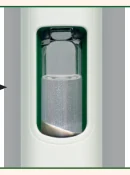
3
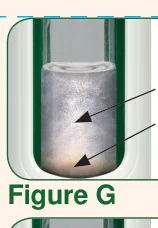
Uneven mix
White medicine on bottom, top, or sides NOT Mixed Well
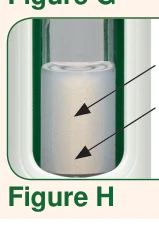
Even mix
Cloudy
It’s OK to see bubbles Mixed Well
Look
Shake Hard
C. Check the mix.
Hold the pen up to the
light and look through both
sides and the bottom of
the window. If not mixed
well, repeat Step 2 and
check again.
A. Look in the window.
You may see white medicine along the sides, bottom or top. This means the medicine is not mixed evenly.
Do not go to the next step unless your medicine is mixed well. To get a full dose, the medicine must be mixed well and look cloudy. If not mixed well, continue to shake hard.
B. Shake the pen hard,
in an up-and-down motion, until the medicine is mixed evenly and you do not see any white medicine along the sides, bottom or top. Shake for at least 15 seconds.
Figure E
Figure G
Figure F
Figure H
STEP 3: Prepare the Pen
Hidden  Needle
4
Important: After the medicine is fully mixed, you must complete the preparation steps right away, and inject to get the full dose. Do not save it to use later.
A. Unlock the pen.
Hold the pen up straight with the orange cap toward the ceiling.
Turn the knob from the Lock to the Unlock position until you hear a click. Only unlock the pen when you are ready to inject.
B. While still holding the pen straight up, firmly unscrew the orange cap.
- You may need to turn the cap a few times before it loosens (if you hear clicking you are turning in the wrong direction).
- Continue holding the pen upright to prevent the medicine from accidently leaking.
- A green shield will pop up after the cap is removed. The green shield hides the needle.
It is normal to see a few drops of liquid inside the cap. Do not recap the pen.
Throw away the cap.
Hold upright & firmly unscrew
Green shield pops up Removed Cap
Lock
Unlock
Figure I
Figure J
Figure K Figure L
Figure M Figure N
STEP 4: Inject the Dose
5
A. Inject and hold:
- Push the pen against your skin. You will hear a “click” when the injection begins.
- Keep holding the pen against the skin for 15 seconds. This is to make sure you get the full dose. Figure O
B. Make sure you received your full dose.
After you receive your injection, you will see an orange rod in the window. After you lift the pen from your skin, the green shield will move back up to lock over the needle. See the Common Questions & Answers for what to do if you do not see the orange rod in the window after injection.
Orange Rod
Figure P
STEP 4: Inject the Dose C. Disposal. Properly dispose of your pen right away after use, as instructed by your doctor, pharmacist or diabetes nurse. You will need a puncture-resistant container that:
You may use a biohazard container, another hard plastic container, or a metal container. Figure Q | |
| 6 |
Common Questions and Answers
| |
7
|
Common Questions and Answers
| |
8
|
Common Questions and Answers
| |||
9
How to Store Bydureon BCise pen
Instructions for the User was last approved in 06/2019 CV 19 0121 | |||