

Patient leaflet - Bisoprolol Fumarate 1 mg/ml oral solution
1. What Bisoprolol Fumarate Oral Solution is and what it is used for
The full name of your medicine is Bisoprolol Fumarate 1mg/ml Oral Solution. In this leaflet the shorter name bisoprolol is used.
This medicinal product contains bisoprolol fumarate. This belongs to a group of medicines called beta-blockers.
Bisoprolol works by affecting the body`s response to some nerve impulses, especially in the heart. As a result, bisoprolol slows down the heart rate and makes the heart more efficient at pumping blood around the body.
Heart failure occurs when the heart muscle is weak and unable to pump enough blood to supply the body’s needs. Bisoprolol is used to treat stable chronic heart failure.
It is used in combination with other medicines suitable for this condition (such as ACE-inhibitors, diuretics, and heart glycosides).
2. What you need to know before you take Bisoprolol Fumarate Oral Solution
Do not take bisoprolol if you have:
- allergy (hypersensitivity) to bisoprolol or to any of the other ingredients (see section 6 ‘What Bisoprolol contains’)
- severe asthma
- severe blood circulation problems in your limbs (such as Raynaud’s syndrome), which may cause your fingers and toes to tingle or turn pale or blue
- untreated phaeochromocytoma, which is a rare tumour of the adrenal gland
- metabolic acidosis, which is a condition when there is too much acid in the blood.
Do not take Bisoprolol if you have one of the following heart problems:
- acute heart failure
- worsening heart failure requiring injection of medicines into a vein, that increase the force of contraction of the heart
- slow heart rate
- low blood pressure
- certain heart conditions causing a very slow heart rate or irregular heartbeat
- cardiogenic shock, which is an acute serious heart condition causing low blood pressure and circulatory failure.
Do not take this medicine if any of the above apply to you. If you are not sure, talk to your doctor, nurse or pharmacist before taking bisoprolol.
Warnings and precautions
Talk to your doctor, nurse or pharmacist before taking bisoprolol if:
- you have diabetes
- you are strict fasting
- you have or have had any heart diseases, for example heart rhythm problems or severe chest pain at rest (Prinzmetal’s angina)
- you have kidney or liver problems
- you have less severe blood circulation problems in your limbs
- chronic lung disease or less severe asthma
- you have a history of a scaly skin rash (psoriasis)
- you had or have a tumour of the adrenal gland (phaeochromocytoma)
- you have a thyroid disorder.
In addition, tell your doctor if you are going to have:
- desensitisation therapy (for example for the prevention of hay fever), because Bisoprolol may make it more likely that you experience an allergic reaction, or such reaction may be more severe
- anaesthesia (for example for surgery), because Bisoprolol may influence how your body reacts to this situation.
If you have chronic lung disease or less severe asthma please inform your doctor immediately if you start to experience new difficulties in breathing, cough, wheezing after exercise, etc. when using Bisoprolol.
If any of the above apply to you (or you are not sure), talk to your doctor, nurse or pharmacist before taking bisoprolol.
Children and adolescents
Bisoprolol is not recommended for use in children or adolescents
Other medicines and Bisoprolol
Tell your doctor, nurse or pharmacist if you are taking, have recently taken or might take any other medicines.
Do not take the following medicines with bisoprolol without special advice from your doctor:
- certain medicines used to treat irregular or abnormal heartbeat (Class I antiarrhythmic medicines such as quinidine, disopyramide, lidocaine, phenytoin; flecainide, propafenone)
- certain medicines used to treat high blood pressure, angina pectoris or irregular heartbeat (calcium antagonists such as verapamil and diltiazem)
- certain medicines used to treat high blood pressure such as clonidine, methyldopa, moxonodine, rilmenidine. However, do not stop taking these medicines without checking with your doctor first.
Check with your doctor before taking the following medicines with Bisoprolol; your doctor may need to check your condition more frequently:
- certain medicines used to treat high blood pressure or angina pectoris (dihydropyridine-type calcium antagonists such as felodipine and amlodipine)
- certain medicines used to treat irregular or abnormal heartbeat (Class III antiarrhythmic medicines such as amiodarone)
- beta-blockers applied locally (such as timolol eye drops for glaucoma treatment)
- certain medicines used to treat for example Alzheimer’s disease or glaucoma (parasympathomimetics such as tacrine or carbachol) or medicines that are used to treat acute heart problems (sympathomimetics such as isoprenaline and dobutamine)
- antidiabetic medicines including insulin and sulfonylureas (e.g. glibenclamide, gliquidone, gliclazide, glipizide, glimepiride or tolbutamide). Bisoprolol could increase the risk of severely low blood glucose levels when used with these medicines
- anaesthetic agents (for example during surgery)
- digitalis, used to treat heart failure
- non-steroidal anti-inflammatory medicines (NSAIDs) used to treat arthritis, pain or inflammation (for example ibuprofen or diclofenac)
- any medicine, which can lower blood pressure as a desired or undesired effect such as antihypertensives, certain medicines for depression (tricyclic antidepressants such as imipramine or amitriptyline), certain medicines used to treat epilepsy or during anaesthesia (barbiturates such as phenobarbital), or certain medicines to treat mental illness characterized by a loss of contact with reality (phenothiazines such as levomepromazine)
- mefloquine, used for prevention or treatment of malaria
- depression treatment medicines called monoamine oxidase inhibitors (except MAO-B inhibitors) such as moclobemide
Pregnancy, breast-feeding and fertility
Pregnancy
There is a risk that use of bisoprolol during pregnancy may harm the baby. If you are pregnant or planning to become pregnant, tell your doctor. He or she will decide whether you can take bisoprolol during pregnancy.
Breast-feeding
It is not known whether bisoprolol passes into human breast milk. Therefore, breastfeeding is not recommended during therapy with bisoprolol.
Driving and using machines
Your ability to drive or use machinery may be affected depending on how well you tolerate the medicine. Please be especially cautious at the start of treatment, when the dose is increased or the medication is changed, as well as in combination with alcohol.
Important information about what is in Bisoprolol Fumarate Oral Solution:
This medicine contains:
- Methyl parahydroxybenzoate (E218). May cause allergic reactions (possibly delayed).
- Propylene glycol (E1520). This product contains 0.43 mg propylene glycol in each 1ml.
- Ethanol (E1510). This medicine contains 0.01 mg of alcohol (ethanol) in each 1ml. The small amount of alcohol in this medicine will not have any noticeable effects.
- Sodium. This medicine contains less than 1 mmol sodium (23 mg) per 1ml, that is to say essentially ‘sodium-free’.
3. How to take Bisoprolol Fumarate Oral Solution
Always take this medicine exactly as your doctor has told you. Check with your doctor, nurse or pharmacist if you are not sure. The recommended dose is shown under ‘How much to take’.
Treatment with bisoprolol requires regular monitoring by your doctor. This is particularly necessary at the start of treatment, during dose increase and when you stop treatment.
Taking this medicine
- This medicine contains 1mg of bisoprolol in each 1ml of solution.
- Take this medicine by mouth.
- Always shake the bottle before using it.
- Always use the syringe supplied with the pack.
Bisoprolol can be taken with a glass of water (240 ml) and with or without food.
- Treatment with bisoprolol is usually long-term.
Measuring your dose
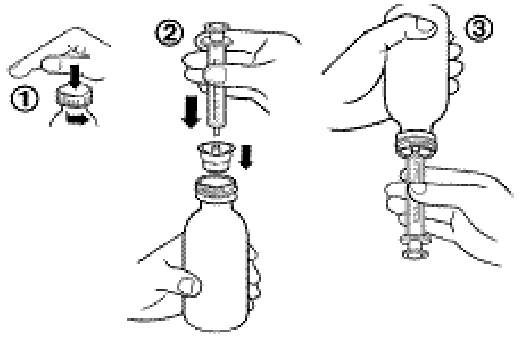
- 1. To open the bottle, press the cap down and turn it anti-clockwise (figure 1).
- 2. Put the syringe adaptor into the bottle neck (figure 2).
- 3. Take the syringe and put it into the adaptor opening (figure 2).
- 4. Turn the bottle upside down (figure 3).
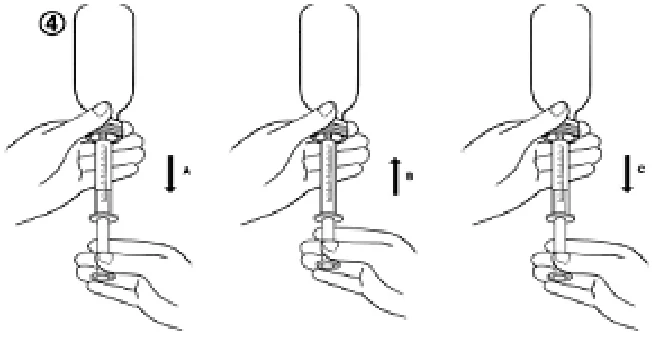
- 5. Fill the syringe with a small amount of solution by pulling the plunger down (figure 4A). Then push the plunger upward in order to remove any possible bubbles (figure 4B). Finally, pull the plunger down to the right mark for your dose as prescribed by your doctor. This is given in ml (figure 4C).
- 6. Turn the bottle the right way up.
- 7. Remove the syringe from the adaptor. Put the end of the syringe into your mouth and push the plunger slowly back in to take the medicine.
- 8. Wash the syringe with water and let it dry before you use it again.
- 9. Close the bottle with the plastic screw cap.
How much to take
Your doctor will decide on your starting dose and may gradually increase it.
Adults including the elderly:
Treatment with bisoprolol must be started at a low dose and increased gradually.
Your doctor will decide how to increase the dose, and this will normally be done in the following way:
- 1.25 mg (1.25 ml) bisoprolol once daily for one week
- 2.5 mg (2.5 ml) bisoprolol once daily for one week
- 3.75 mg (3.75 ml) bisoprolol once daily for one week
- 5 mg (5 ml) bisoprolol once daily for four weeks
- 7.5 mg (7.5 ml) bisoprolol once daily for four weeks
- 10 mg (10 ml) bisoprolol once daily for maintenance (on-going) therapy.
The maximum recommended daily dose is 10 mg (10 ml) bisoprolol.
Depending on how well you tolerate the medicine, your doctor may also decide to lengthen the time between dose increases. If your condition gets worse or you no longer tolerate the drug, it may be necessary to reduce the dose again or to interrupt treatment. In some patients a maintenance dose lower than 10 mg bisoprolol may be sufficient.
Your doctor will tell you what to do.
If you have to stop treatment entirely, your doctor will usually advise you to reduce the dose gradually, as otherwise your condition may become worse.
Use in children and adolescents
Bisoprolol should not be used by children and adolescents aged under 18 years.
If you take more Bisoprolol than you should
If you have taken more Bisoprolol Fumarate Oral Solution than you should, tell your doctor immediately. Your doctor will decide what measures are necessary.
Symptoms of an overdose may include slowed heart rate, severe difficulty in breathing, feeling dizzy, or trembling (due to decreased blood sugar).
If you forget to take Bisoprolol
Do not take a double dose to make up for a forgotten dose. Take your usual dose the next morning.
If you stop taking Bisoprolol
Never stop taking Bisoprolol unless on your doctor’s advice. Otherwise your condition could become much worse.
If you have any further questions on the use of this product, ask your doctor, nurse or pharmacist.
4. Possible side effects
Like all medicines, this medicine can cause side effects, although not everybody gets them.
To prevent serious reactions, speak to a doctor immediately if a side effect is severe, occurred suddenly or gets worse rapidly.
The most serious side effects are related to the heart function:
- slowing of heart rate (may affect more than1 in 10 people)
- worsening of heart failure (may affect up to 1 in 10 people)
- slow or irregular heartbeat (may affect up to 1 in 100 people)
If you feel dizzy or weak, or have breathing difficulties please contact your doctor as soon as possible.
Further side effects are listed below according to how frequently they may occur:
Common side effects (may affect up to 1 in 10 people):
- tiredness, feeling weak, dizziness, headache
- feeling of coldness or numbness in hands or feet
- low blood pressure
- stomach or intestine problems such as nausea, vomiting, diarrhoea, or constipation.
Uncommon side effects (may affect up to 1 in 100 people):
- sleep disturbances
- depression
- dizziness when standing up
- breathing problems in patients with asthma or chronic lung disease
- muscle weakness, muscle cramps.
Rare side effects (may affect up to 1 in 1,000 people):
- hearing problems
- allergic runny nose
- reduced tear flow
- inflammation of the liver which can cause yellowing of the skin or whites of the eyes
- certain blood test results for liver function or fat levels differing from normal
- allergy-like reactions such as itching, flush, rash. You should see your doctor straight away if you experience more severe allergic reactions, which may involve face, neck, tongue, mouth or throat swelling, or difficulty breathing.
- impaired erection
- nightmares, hallucinations
- fainting.
Very rare side effects (may affect up to 1 in 10,000 people):
- irritation and redness of the eye (conjunctivitis)
- hair loss
- appearance or worsening of scaly skin rash (psoriasis); psoriasis-like rash.
Reporting of side effects
If you get any side effects, talk to your doctor, pharmacist or nurse. This includes any possible side effects not listed in this leaflet. You can also report side effects directly via the Yellow Card Scheme at: www.mhra.gov.uk/yellowcard or search for MHRA
Yellow Card in the Google Play or Apple App Store.
By reporting side effects you can help provide more information on the safety of this medicine.
5. How to store Bisoprolol Fumarate Oral Solution
- Keep this medicine out of the sight and reach of children.
- Store in the original package in order to protect from light.
- Before opening: This medicinal product does not require any special temperature storage conditions.
- After opening: Do not store above 25°C.
- Use within 2 months of opening the bottle. Take unused medicine back to the pharmacy.
- Do not use this medicine after the expiry date (month, year) which is stated on the carton. The expiry date refers to the last day of that month.
- Do not use bisoprolol if you notice anything wrong with the medicine. Talk to your pharmacist.
- Do not throw away any medicines via wastewater or household waste. Ask your pharmacist how to throw away medicines you no longer use. These measures will help to protect the environment.
6. Contents of the pack and other information
What Bisoprolol Fumarate Oral Solution contains
- The active substance is bisoprolol fumarate. Each 1ml of the solution contains 1mg bisoprolol (as bisoprolol fumarate).
- The other ingredients are citric acid monohydrate (E330), methyl parahydroxybenzoate (E218), sodium citrate (E331), sucralose (E955), orange flavour (contains propylene glycol and ethanol) and purified water.
What Bisoprolol Fumarate Oral Solution looks like and contents of the pack
Bisoprolol Fumarate Oral Solution is a clear to light pale-yellow liquid.
Bisoprolol Fumarate Oral Solution is packed in 150ml amber glass (type III) with white polypropylene 28mm child resistant closure.
10ml HDPE oral syringe with markings at 1.25ml, 2.5ml, 3.75ml, 5ml, 6.25ml, 7.5ml, 8.75ml and 10ml with graduation at every 0.25ml together with an LDPE adaptor.
Marketing Authorisation Holder
Rosemont Pharmaceuticals Ltd, Yorkdale Industrial Park, Braithwaite Street, Leeds, LS11 9XE, UK. Tel: + 44 (0) 113 244 1400
Manufacturer
Medicofarma S. A., Ul. Tarnobrzeska 13, Radom, 26-613, Poland.
Other sources of information
This leaflet is also available in other formats for blind and partially-sighted patients.
For large print and Braille please go to www.medicines.org.uk