

Patient leaflet - Betaxolol 0.5% eye drops
1. What Betaxolol is and what it is used for
The active ingredient betaxolol belongs to a group of medicines called beta-blockers. Betaxolol is used to treat raised pressure of eye (intraocular pressure) which occurs in various conditions including glaucoma and ocular hypertension (high pressure in the eye) by reducing the fluid pressure in your eye(s).
2. What you need to know before you use Betaxolol
Do not use Betaxolol
if you are allergic (hypersensitive) to betaxolol hydrochloride or beta-blockers or any of the
other ingredients of this medicine (listed in section 6). Ask your doctor for advice. · if you have now or have had in past respiratory problems such as severe asthma, severe
chronic obstructive bronchitis (severe lung condition which may cause wheeziness, difficulty in breathing and/or long-standing cough)
if you have a slow heart beat, heart failure or disorders of heart rhythm (irregular heart
beats).
Warnings and precautions
Talk to your doctor or pharmacist before using Betaxolol if you have:
coronary heart disease (symptoms can include chest pain or tightness, breathlessness or
choking), heart failure, low blood pressure (hypotension)
- disturbances of heart rate such as slow heart beat (bradycardia)
muscle weakness disease, condition called myasthenia gravis. Your symptoms may get
worse
diabetes, as betaxolol may mask signs and symptoms of low blood sugar · overactivity of the thyroid gland as betaxolol may mask the signs and symptoms · breathing problems, asthma or chronic obstructive pulmonary disease (lung disease
which may cause wheeziness, difficulty in breathing and/or long standing cough).
- poor blood circulation disease (such as Raynaud's disease or Raynaud's syndrome) · angle-closure glaucoma
- dry eyes (Sicca Syndrome)
Tell your doctor before you have an operation that you are using Betaxolol Eye Drops as betaxolol may change effects of some medicines used during anaesthesia. If any of these apply you may still be able to use Betaxolol, but discuss it with your doctor first.
Other medicines and Betaxolol
Tell your doctor or pharmacist if you are using, have recently used or might use any other medicines.
Betaxolol Eye Drops can affect or be affected by other medicines you are using, including
other eye drops for the treatment of glaucoma. Tell your doctor if you are using or intend to use medicines to lower blood pressure, heart medicine, medicines to treat diabetes or medicines to treat emotional, behavioural or mental disorders such as anxiety or depression; a calcium antagonist (e.g. verapamil or diltiazem) often used to treat high blood pressure, angina, or an abnormal heartbeat
- digoxin, often used to treat heart failure or an abnormal heartbeat
medicines known as a catecholamine-depleting agent (e.g. rauwolfia alkaloids/ reserpine)
used to treat high blood pressure
a pressor amine (e.g. adrenaline) used to treat severe allergic reaction (anaphylaxis). Tell
your doctor if you have a history of anaphylaxis or allergic reaction.
- clonidine to treat high blood pressure
- quinidine, a medicine often used to treat abnormal heartbeat
other beta-blockers (e.g. other preparations of Betaxolol both oral and/or ocular), which
belong to the same group of medicines
Pregnancy and breast-feeding
Do not use Betaxolol if you are pregnant unless your doctor considers it necessary. Do not use Betaxolol if you are breast-feeding. Betaxolol may get into your breast-milk. If you are pregnant or breast-feeding, think you may be pregnant or are planning to have a baby, ask your doctor or pharmacist for advice before taking this medicine.
Driving and using machines
No effects on the ability to drive and use machines have been reported. However do not drive or operate machines if you experience any visual disturbance or dizziness after using the product. Wait until this clears before driving or using machines.
Betaxolol Eye Drops contains benzalkonium chloride
This medicine contains 0.10 mg/ml benzalkonium chloride as preservative. Benzalkonium chloride may be absorbed by soft contact lenses and may change the colour of the contact lenses. You should remove contact lenses before using this medicine and put them back 15 minutes afterwards.
Benzalkonium chloride may also cause eye irritation, especially if you have dry eyes or disorders of the cornea (the clear layer at the front of the eye). If you feel abnormal eye sensation, stinging or pain in the eye after using this medicine, talk to your doctor.
3. How to use Betaxolol
Always use Betaxolol exactly as your doctor or pharmacist has told you. Check with your doctor or pharmacist if you are not sure.
The recommended dose is one drop into each affected eye(s) twice daily, approximately 12 hours apart. If you are using in combination with another eye drop medicine, wait 5-15 minutes before applying the second eye drop.
Use in children
It is not recommended to use Betaxolol in children.
Instructions for use:
(Please also refer to pictograms at the end of the leaflet)
- first wash your hands
- avoid touching the eye (or any other surface) with the tip of the bottle
if you wear soft contact lenses, they should be removed before using the eye drops and wait
at least 15 minutes before reinserting
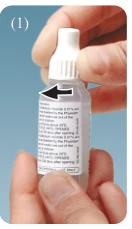
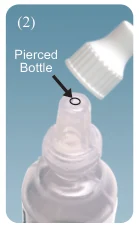
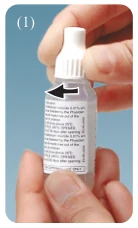
these drops are supplied as a sealed bottle with a spiked cap. When using the bottle for the
first time, screw the cap down tightly in order to pierce the tip of the bottle · tilt your head back and look at the ceiling
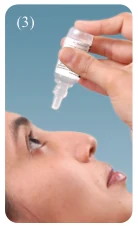
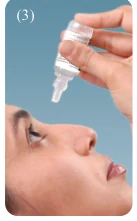
- pull the lower eyelid gently downwards
hold the bottle upside down above the eye and gently squeeze the bottle to release a drop
into your eye
- after using Betaxolol, press a finger into the corner of your eye, by the nose (picture 4)
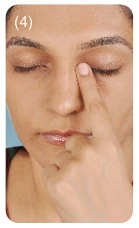
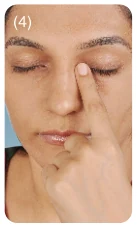

 for 2 minutes. This helps to stop betaxolol getting into the rest of the body. · repeat for the other eye if necessary
 - replace and tighten the cap immediately after use.
Be careful not to touch the tip of the bottle on your eye or on any other surface.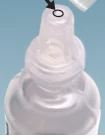 Ocular solutions, if handled wrongly, can become contaminated by common bacteria and cause eye infections. If you do develop any other eye condition whilst using this product, see your doctor immediately.
If you use more Betaxolol than you should
It can be washed out of your eye with warm water, or contact your doctor or go to the nearest hospital casualty department immediately.
Overdose:
There is no experience of an overdosage with Betaxolol which is unlikely when given as eyedrops. The signs of overdosage include slow heart rate, drop of blood pressure, breathing difficulties and heart attack.
If you forget to use Betaxolol
Apply the drops as soon as you remember. However, if it is almost time for your next dose, skip the missed dose and go back to your regular dosing schedule. Do not take a double dose to make up for a forgotten dose.
If a drop misses your eye, try again.
If you stop using Betaxolol
Do not stop using Betaxolol until your doctor tells you so.
If you have any further questions on the use of this medicine, ask your doctor or pharmacist.
4. Possible side effects
Like all medicines, Betaxolol can cause side effects, although not everybody gets them. If you experience a rare (these may affect up to 1 in 1,000 people) but serious allergic reaction (difficulty breathing, closing of the throat, swelling of the lips, tongue, or face or hives) to betaxolol, stop using the medication and contact your doctor immediately. You can usually carry on taking the drops, unless the effects are serious. If you're worried, talk to a doctor or pharmacist. Do not stop using Betaxolol without speaking to your doctor. Like other medicines applied into eyes, betaxolol is absorbed into the blood. This may cause similar side effects as seen with intraveneous' and/or 'oral' as applicable beta-blocking agents. Incidence of side effects after topical ophthalmic administration is lower than when medicines are, for example, taken by mouth or injected. Listed side effects include reactions seen within the class of beta-blockers when used for treating eye conditions.
Side effects which you may experience include
Very common: (may affect more than 1 in 10 people)
- Eye discomfort (includes a feeling of something in the eye)
Common: (may affect up to 1 in 10 people)
- Blurred vision, watery eyes
- Headache
Uncommon: (may affect up to 1 in 100 people)
- Inflammation of the eye surface, conjunctivitis or symptoms of conjunctivitis, visual impairment, sensitivity to light, painful, dry or tired eyes, excessive blinking, irritated, red or swollen eyes, a feeling of something in the eye, eye itchiness, eye discharge, weeping eyelids, bloodshot eyes.
- Slow heart beat or unusually rapid heart beat
- Asthma, difficulty breathing, blocked nose
- Nausea
Rare: (may affect up to 1 in 1000 people)
- Cataract formation, decreased sensitivity of the eye, inflammation of the eyelid · Anxiety, difficulty sleeping (insomnia), depression
- Fainting
- Low blood pressure
- Cough, runny nose
- Taste disturbances
- Inflamed, itchy skin or rash, hair loss
- Decreased libido
Not Known: frequency cannot be estimated from the available data
The following side effects have also been reported by people using Betaxolol eye drops: · Hypersensitivity reaction
- Dizziness
- Changes in the rhythm or speed of the heartbeat
- Loss or lack of strength
Additional side effects have been seen with other ophthalmic beta-blockers and could potentially occur with Betaxolol eye drops. The frequency is not known:
- Generalized allergic reactions including swelling beneath the skin that can occur in areas such as the face and limbs, and can obstruct the airway which may cause difficulty swallowing or breathing, hives (or itchy rash), localized and generalized rash, itchiness, severe sudden life-threatening allergic reaction.
- Low blood glucose levels
- Nightmares, memory loss, confusion, delusions and hallucinations
- Stroke, reduced blood supply to the brain, increases in signs and symptoms of myasthenia gravis (muscle disorder), unusual sensations (like pins and needles). · Detachment of the layer below the retina that contains blood vessels following filtration surgery which may cause visual disturbances, corneal erosion (damage to the front layer of the eyeball), drooping of the upper eyelid (making the eye stay half closed), double vision. · Chest pain, palpitations, oedema (fluid buildup), Congestive heart failure (heart disease with shortness of breath and swelling of the feet and legs due to fluid buildup), a type of heart rhythm disorder, heart attack, heart failure.
- Raynaud's phenomenon, cold hands and feet with a blue color, leg pain (especially if you have a history of poor circulation)
- Constriction of the airways in the lungs (predominantly in patients with pre-existing disease) · Indigestion, diarrhoea, vomiting dry mouth, abdominal pain
- Skin rash with white silvery coloured appearance (psoriasiform rash) or worsening of psoriasis.
- Muscle pain not caused by exercise
- Sexual dysfunction and impotence
- Tiredness
An increase in anti-nuclear antibodies has also been seen in patients taking ophthalmic beta- blocker.
If any of the side effects gets serious, or if you notice any side effects not listed in this leaflet, please tell your doctor or pharmacist.
Reporting of side effects
If you get any side effects, talk to your doctor or pharmacist. This includes any possible side effects not listed in this leaflet. You can also report side effects directly via the Yellow Card Scheme at or search for MHRA Yellow Card in the Google Play or
www.mhra.gov.uk/yellowcard
Apple App Store. By reporting side effects you can help provide more information on the safety of this medicine.
5. How to store Betaxolol
Keep this medicine out of the sight and reach of children.
º
Do not store above 30 C.
Discard the bottle 28 days after opening, even if there is solution remaining.
Do not use Betaxolol after the expiry date which is stated on the carton and label after 'EXP'. The expiry date refers to the last day of that month.
Do not throw away any medicines via waste water or household waste. Ask your pharmacist how to throw away medicines you no longer use. These measures will help protect the environment.
6. Contents of the pack and other information
What Betaxolol contains
The active substance is betaxolol, where 5mg/ml betaxolol is equivalent to 5.6 mg/ml of betaxolol hydrochloride. The other ingredient(s) are disodium edetate, sodium chloride (to adjust pH), benzalkonium chloride (as preservative) 0.01% w/v and water for injection. What Betaxolol looks like and contents of the pack
Each bottle contains 5 ml of the clear colourless, sterile solution.
Marketing Authorisation Holder and Manufacturer
FDC International Ltd,
Unit 6, Fulcrum 1, Solent Way,
Whiteley, Fareham,
Hampshire, PO15 7FE,
United Kingdom
Tel: +44(0)1489565222
Email:
info@fdcil.co.uk
PL number: 15872/0007
This leaflet was last revised in July 2026.
Package leaflet: Information for the patient
Betaxolol (as hydrochloride) BETAXOLOL 0.5%
EYE DROPS
| FDC Limited | LEAFLET | Minipharma Code No. Front: 3577/Back: 3592 | ||||
| 110 (L) x 384 (H) mm | ||||||
| Folded Size | ------------- | |||||
| No. of Folds | ------------- | |||||
| GSM | 40 gsm | |||||
| Paper | Bible paper | |||||
| Edge Code | 3 (L) x 12 (H) mm (Left hand side front bottom) | |||||
| SAP Code: | Draft: 11 | Supercedes SAP Code: 2000017335 | ||||
| Location: Waluj - UK | Prepared On: 22-07-2026 | |||||
Reason for change: Updated as per RFI received dated on June 22, 2026
| ||||||
MODE OF USE
The spike in the cap will pierce the tip of the bottle. (2)
Pierced
Bottle
Tilt head backwards. Dispense drops with gentle pressure. Do not touch dropper tip to the surface of the eye.
(3)
(1) (4)
Press a finger into the corner of eye, by the nose for 2 minutes Screw down the cap
on the nozzle to make
a opening on the
tip of bottle. Do not
overtighten the cap.
| @) | I | I | ||||
| I | I | |||||
| I | ||||||