

Patient leaflet - Baclofen 0.5 mg/ml solution for infusion
1. What Baclofen is and what it is used for
Baclofen contains the active ingredient, baclofen. It is administered by injection or continuous infusion into the spinal canal directly into the spinal fluid (intrathecal injection). Baclofen is a muscle-relaxant drug. Baclofen is intended for adults and children of 4 years and above and is used to reduce and relieve the excessive tension in your muscles (spasms) occurring in various illnesses such as cerebral palsy, multiple sclerosis, spinal cord diseases, cerebrovascular accidents, and other nervous system disorders.
This medicine is used in people who haven’t responded to oral medicines or who get unacceptable side effects when they take baclofen by mouth.
2. What you need to know before you use Baclofen
Some people MUST NOT have Baclofen.
Talk to your doctor if:
you think you may be allergic to baclofen or to any of the other ingredients of this medicine (listed in section 6 of this leaflet).
You should also ask yourself these questions before having Baclofen:
- Have you understood everything the doctor or nurse has told you about the risks associated with Baclofen?
- Do you understand how to use the injection pump?
If you are at all confused about either of these points, please ask the doctor or nurse. Get urgent medical help if you observe that your implanted device is not working, and you also notice withdrawal symptoms (see “Section 3 having Baclofen”)
- Are you having any other injections into the spine?
- Are you suffering from any infection?
- Have you had a head injury within the last year?
- Have you ever had a crisis caused by a condition called autonomic dysreflexia? (Your doctor will be able to explain this to you).
- Have you had a stroke?
- Do you have epilepsy?
- Do you have a stomach ulcer or any other problem with your digestion?
- Do you suffer from any mental illness?
- Are you being treated for high blood pressure?
- Do you have Parkinson’s disease?
- Do you suffer from any liver, kidney or lung disease?
- Do you have diabetes?
- Do you have difficulties in urinating?
Are you pregnant or breast-feeding?
If the answer to any of this second list of questions is YES, tell your doctor or nurse because Baclofen may not be the right medicine for you.
Tell your doctor immediately if you get any of these symptoms during treatment with Baclofen:
- If you have pain in your back, shoulders, neck and buttock during the treatment (a type of spinal deformity called scoliosis).
- If you have thoughts of harming or killing yourself at any time, speak to your doctor straightaway or go to a hospital. Also, ask a relative or close friend to tell you if they are worried about any changes in your behaviour and ask them to read this leaflet.
Are you taking other medicines?
Some medicines can interfere with your treatment. Remind your doctor or nurse if you are taking any of the following:
- Other medicines for your spastic condition e.g. tizanidine or diazepam
- Antidepressants e.g. imipramine or amitriptyline
- Medicines that lower blood pressure including medicines used to treat high blood pressure e.g. diltiazem or moxonidine
- Other drugs which also affect the kidney, e.g. ibuprofen
- Medicines for Parkinson’s disease e.g. levodopa or carbidopa
- Medicines for epilepsy e.g. carbamazepine or clonazepam
- Opiates for pain relief e.g. morphine
- Medicines which slow down the nervous system, e.g. anti-histamines such as promethazine and sedatives such as temazepam. (Some of these can be bought over-the-counter).
Always tell your doctor or nurse about all the medicines you are taking. This means medicines you have bought yourself as well as medicines on prescription from your doctor.
Will there be any problems with driving or using machinery?
Some people may feel drowsy and/or dizzy or have problems with their eyes while they are being treated with Baclofen. If this happens, you
should not drive or do anything that requires you to be alert (such as operate tools or machinery) until these effects have worn off. Other special warnings
Be careful when drinking alcohol - it may affect you more than usual.
- Contact your doctor immediately if you think that Baclofen is not working as well as usual. It is important to make sure that there are no problems with the pump.
- Treatment with Baclofen must not stop suddenly because of the risk of withdrawal effects. You must make sure that you do not miss those hospital visits when the pump reservoir is being refilled.
- Your doctor may want to give you a check up from time to time while you are being treated with Baclofen.
- If you are going to have an operation of any kind, make sure that the doctor knows that you are being treated with Baclofen. Anaesthetics such as propofol may increase the risk of side effects. Children and adolescents
Baclofen formulation is intended for children of 4 years and above. Baclofen contains Sodium chloride:
- Baclofen 50 micrograms/ml Injection: This medicine contains less than 1 mmol sodium (23 mg) per unit volume (1 ml), that is to say essentially ‘sodium free’.
- Baclofen 0.5 mg/ml Infusion: This medicine contains 70.81 mg sodium (main component of cooking/table salt) in each unit volume (20 ml). This is equivalent to 3.5% of the recommended maximum daily dietary intake of sodium for an adult.
- Baclofen 2 mg/ml Infusion: This medicine contains 70.81 mg sodium (main component of cooking/table salt) in each unit volume (20 ml). This is equivalent to 3.5% of the recommended maximum daily dietary intake of sodium for an adult.
3. How to use Baclofen
Always take this medicine exactly as your doctor or pharmacist has told you. Check with your doctor or pharmacist if you are not sure. Only the doctor may change your dose.
Baclofen may only be administered by a specially qualified doctor. Baclofen is administered by intrathecal injection. This means that the medicine is injected directly into the spinal fluid. The dose needed varies from person to person, depending on their condition, and the doctor will decide what dose you need after he/she has tested your response to the drug.
First of all, the doctor will find out, by giving you single doses of Baclofen, whether it is suitable for you. During this period your heart and lung functions will be closely monitored. If your symptoms improve, a special pump which can deliver the drug continuously, will be implanted into your chest or abdominal wall. The doctor will give you all of the information you need to use the pump and to get the correct dosage. Make sure that you understand everything.
The final dose of Baclofen depends on how each person responds to the drug. You will be started on a low dose, and this will be increased gradually over a few days, under the supervision of the doctor, until you are having the dose which is right for you. If the starting dose is too high, or if the dose is increased too quickly, you are more likely to experience side effects.
The following information is intended for healthcare professionals only: INFORMATION FOR HEALTHCARE PROFESSIONALS REGARDING DILUTION OF BACLOFEN FOR INJECTION AND INFUSION
Please see the SPC for full details.
Therapeutic indications
Baclofen is indicated in patients with severe chronic spasticity of spinal or cerebral origin (associated with injury, multiple sclerosis, cerebral palsy) who are unresponsive to oral baclofen or other orally administered antispastic agents and/or those patients who experience unacceptable side-effects at effective oral doses.
In patients with spasticity due to head injury a delay of at least one year before treatment with Baclofen is recommended, to allow the symptoms of spasticity to stabilise.
Baclofen may be considered as an alternative to ablative neurosurgical procedures.
Paediatric population
Baclofen is indicated in patients aged 4 to <18 years with severe chronic spasticity of cerebral origin or of spinal origin (associated with injury, multiple sclerosis, or other spinal cord diseases) who are unresponsive to orally administered antispastics (including oral baclofen) and/or who experience unacceptable undesirable effects at effective oral doses. Posology and method of administration
Intrathecal administration of Baclofen through an implanted delivery system should only be undertaken by physicians with the necessary knowledge and experience. Specific instructions for implantation, programming and/or refilling of the implantable pump are given by the pump manufacturers and must be strictly adhered to.
Baclofen 50 micrograms/1 ml is intended for administration in single bolus test doses (via spinal catheter or lumbar puncture) and, for chronic use, in implantable pumps suitable for continuous administration of Baclofen 0.5 mg/ml or 2 mg/ml into the intrathecal space (EU certified pumps). Establishment of the optimum dose schedule requires that each patient undergoes an initial screening phase with intrathecal bolus, followed by a very careful individual dose titration prior to maintenance therapy. Respiratory function should be monitored and appropriate resuscitation facilities should be available during the introduction of treatment with Baclofen. Baclofen administration using an implanted delivery system should only be undertaken by physicians with appropriate knowledge and experience. Specific instructions for using the implantable pump should be obtained from the pump manufacturers. Only pumps constructed of material known to be compatible with the product and incorporating an in-line bacterial retentive filter should be used. Adult Screening Phase
Prior to initiation of a chronic infusion, the patient’s response to intrathecal bolus doses administered via a catheter or lumbar puncture must be assessed. Low concentration ampoules containing 50 micrograms baclofen in 1 ml are available for the purpose. Patients should be infection-free prior to screening, as the presence of a systemic infection may prevent an accurate assessment of the response. The usual initial test dose in adults is 25 or 50 micrograms, increasing step-wise by 25 microgram increments at intervals of not less than 24 hours until a response of approximately 4 to 8 hours duration is observed. Each dose should be given slowly (over at least one minute). In order to be considered a responder the patient must demonstrate a significant decrease in muscle tone and/or frequency and/or severity of muscle spasms.
The variability in sensitivity to intrathecal baclofen between patients is emphasised. Signs of severe overdose (coma) have been observed in an adult after a single test dose of 25 micrograms. It is recommended that the initial test dose is administered with resuscitative equipment on hand. Patients who do not respond to a 100 micrograms test dose should not be given further dose increments or considered for continuous intrathecal infusion.
Monitoring of respiratory and cardiac function is essential during this phase, especially in patients with cardiopulmonary disease and
respiratory muscle weakness or those being treated with benzodiazepine-type preparations or opiates, who are at higher risk of respiratory depression.
Paediatric population Screening Phase
The initial lumbar puncture test dose for patients 4 to <18 years of age should be 25-50 micrograms/day based upon age and size of the child. Patients who do not experience a response may receive a 25 micrograms/day dose escalation every 24 hours. The maximum screening dose should not exceed 100 micrograms/day in paediatric patients.
Dose-Titration Phase
Once the patient's responsiveness to baclofen has been established, an intrathecal infusion may be introduced. Baclofen is most often administered using an infusion pump which is implanted in the chest wall or abdominal wall tissues. Implantation of pumps should only be performed in experienced centres to minimise risks during the perioperative phase.
Infection may increase the risk of surgical complications and complicate attempts to adjust the dose.
The initial total daily infused dose is determined by doubling the bolus dose which gave a significant response in the initial screening phase and administering it over a 24 hour period. However, if a prolonged effect (i.e. lasting more than 12 hours) is observed during screening the starting dose should be the unchanged screening dose delivered over 24 hours. No dose increases should be attempted during the first 24 hours. After the initial 24 hour period dosage should be adjusted slowly to achieve the desired clinical effect. If a programmable pump is used the dose should be increased only once every 24 hours; for non-programmable multi-dose reservoir pumps intervals of 48 hours between dose adjustments are recommended. In either case increments should be limited as follows to avoid possible overdosage: Patients with spasticity of spinal origin: 10-30% of the previous daily dose
Patients with spasticity of cerebral origin: 5-15% of the previous daily dose.
If the dose has been significantly increased without apparent clinical effect pump function and catheter patency should be investigated. There is limited clinical experience using doses greater than 1000 micrograms/day. It is important that patients are monitored closely in an appropriately equipped and staffed environment during screening and immediately following pump implantation. Resuscitative equipment should be available for immediate use in case of life-threatening adverse reactions.
Adult Maintenance Therapy
The clinical goal is to maintain as normal a muscle tone as possible, and to minimise the frequency and severity of spasms without inducing intolerable side effects. The lowest dose producing an adequate response should be used. The retention of some spasticity is desirable to avoid a sensation of “paralysis” on the part of the patient. In addition, a degree of muscle tone and occasional spasms may help support circulatory function and possibly prevent the formation of deep vein thrombosis.
In patients with spasticity of spinal origin: maintenance dosing for long-term continuous infusions of intrathecal baclofen has been found to range from 12 to 2003 micrograms/day with most patients being adequately maintained on 300 to 800 micrograms/day. In patients with spasticity of cerebral origin: maintenance, dosage has been found to range from 22 to 1400 micrograms/day, with a mean daily dose of 276 micrograms per day at 12 months and 307 micrograms per day at 24 months.
Paediatric population Maintenance Therapy
In children aged 4 to <18 years with spasticity of cerebral and spinal origin, the initial maintenance dosage for long-term continuous infusion of baclofen intrathecal ranges from 25 to 200 micrograms/day (median dose: 100 micrograms/day). The total daily dose tends to increase over
the first year of therapy, therefore the maintenance dose needs to be adjusted based on individual clinical response. There is limited experience with doses above 1,000 micrograms/day.
The safety and efficacy of Baclofen for the treatment of severe spasticity of cerebral or spinal origin in children younger than 4 years of age have not been established.
Delivery specifications
Baclofen ampoules of 20 ml containing 500 micrograms/ml and 5 ml containing 2 mg (2000 micrograms)/ml are intended for use with infusion pumps. The concentration to be used depends on the dose requirements and size of pump reservoir. Use of the more concentrated solution obviates the need for frequent re-filling in patients with high dosage requirements.
Delivery regimen
Baclofen is most often administered in a continuous infusion mode immediately following implant. After the patient has stabilised with regard to daily dose and functional status, and provided the pump allows it, a more complex mode of delivery may be started to optimise control of spasticity at different times of the day. For example, patients who have increased spasm at night may require a 20% increase in their hourly infusion rate. Changes in flow rate should be programmed to start two hours before the desired onset of clinical effect.
Most patients require gradual dose increases to maintain optimum response during chronic therapy due to decreased responsiveness or disease progression. In patients with spasticity of spinal origin the daily dose may be increased gradually by 10-30% to maintain adequate symptom control. Where the spasticity is of cerebral origin any increase in dose should be limited to 20% (range: 5-20%). In both cases the daily dose may also be reduced by 10-20% if patients suffer side effects. A sudden requirement for substantial dose escalation is indicative of a catheter complication (i.e. a kink or dislodgement) or pump malfunction. In order to prevent excessive weakness, the dosage of intrathecal baclofen should be adjusted with caution whenever spasticity is required to maintain function.
During long-term treatment approximately 5% of patients become refractory to increasing doses due to tolerance or drug delivery failure (see Special Warnings and Precautions for Use “Treatment Withdrawal” section). This “tolerance” may be treated by gradually reducing intrathecal baclofen dose over 2 to 4 week period and switching to alternative methods of spasticity management (e.g. Intrathecal preservative-free morphine sulphate). Baclofen should be resumed at the initial continuous infusion dose. Caution should be exercised when switching from intrathecal baclofen to morphine and vice versa. Discontinuation
Except in overdose-related emergencies, the treatment with Baclofen should always be gradually discontinued by successively reducing the dosage. Baclofen should not be discontinued suddenly (see below). Special populations
Renal impairment
No studies have been performed in patients with renal impairment receiving Baclofen therapy. Because baclofen is primarily excreted unchanged by the kidneys, it should be given with special care and caution in patients with impaired renal function.
Hepatic impairment
No studies have been performed in patients with hepatic impairment receiving Baclofen therapy. No dosage adjustment is recommended as the liver does not play any significant role in the metabolism of baclofen after intrathecal administration of baclofen. Therefore, hepatic impairment is not expected to impact the drug systemic exposure. Elderly population
Several patients over the age of 65 years have been treated with baclofen intrathecal during the clinical trials without increased risks compared to younger patients. Problems specific to this age group are not expected as doses are individually titrated.
To avoid unpleasant side effects which may be serious and even life-threatening, it is important that your pump does not run out. The pump must always be filled by a doctor or nurse, and you must make sure that you do not miss your clinic appointments.
You should not stop treatment suddenly. If the doctor decides to stop your treatment, the dose will be reduced gradually to prevent withdrawal symptoms such as muscle spasms and increased muscle rigidity, fast heartbeat (tachycardia), fever, confusion, hallucinations, changes in mood and emotion, mental disorders, feeling persecuted or convulsions (fits), persistent painful erection of the penis (priapism). On rare occasions these symptoms could be life threatening. If you or your carers notice any of these symptoms, contact your doctor immediately just in case something has gone wrong with the pump or delivery system. During long-term treatment some patients find that baclofen becomes less effective. You may require occasional breaks in treatment. Your doctor will advise you what to do.
Baclofen is not suitable for all children. The doctor will decide. Overdose
It is very important that you, and anyone caring for you, can recognise the signs of overdose. These may appear if the pump is not working properly, and you must tell the doctor straight away.
Signs of overdose are:
- Unusual muscle weakness (too little muscle tone)
- Sleepiness
- Dizziness or light-headedness
- Excessive salivation
- Nausea or vomiting
- Difficulty in breathing
- Convulsions
- Loss of consciousness
- Abnormally low body temperature
- Fast heartbeat (tachycardia)
- Ringing in the ears (tinnitus).
4. Possible side effects
Baclofen is suitable for most people, but, like all medicines, it can sometimes cause side effects. Implanted drug delivery device or infusion system malfunction can lead to withdrawal symptoms including death. The side effects listed below have been reported:
More than 1 in 10 people have experienced:
Feeling tired, drowsy or weak.
Up to 1 in 10 people have experienced:
- feeling lethargic (having no energy)
- headache, dizziness or light-headedness
- pain, fever or chills
- tingling hands or feet
- problems with eyesight
- slurred speech
- Insomnia
- breathing difficulties, pneumonia
- feeling confused, anxious, agitated or depressed
- low blood pressure (fainting)
feeling or being sick, constipation and diarrhoea
- loss of appetite, dry mouth or excessive saliva
- rash and itching, swelling of the face or hands and feet
- urinary incontinence, or problems when urinating
- cramps
- sexual problems in men, e.g. impotence.
Up to 1 in 100 people have experienced:
- feeling abnormally cold
- memory loss
- mood swings and hallucinations, feeling suicidal
- stomach ache, difficulty in swallowing, loss of taste, dehydration
- loss of muscle control
- raised blood pressure
- slow heartbeat
- deep vein thrombosis
- flushed or pale skin, excessive sweating
- hair loss.
Other side effects (how often they happen is not known)
- restlessness (dysphoria)
- abnormally slow breathing rate (bradypnoea)
- increase in sideways curvature of the spine (scoliosis)
- inability to achieve or maintain an erection (erectile dysfunction)
- allergic reaction (hypersensitivity).
There have been reports of problems associated with the pump and delivery system e.g. infections, inflammation of the lining around the brain and spinal cord (meningitis) or a collection of immune cells at the tip of the delivery tube.
If any of the symptoms become troublesome, or if you notice anything else not mentioned here, please go and see your doctor. He/she may want to adjust the dose or give you a different medicine.
Reporting of side effects
If you get any side effects, talk to your doctor, pharmacist or nurse. This includes any possible side effects not listed in this leaflet. You can also report side effects directly via the Yellow Card Scheme Website: https://yellowcard.mhra.gov.uk/ or search for MHRA Yellow Card in the Google Play or Apple App Store. By reporting side effects you can help provide more information on the safety of this medicine.
5. How to store Baclofen
Keep this medicine out of the sight and reach of children. This medicine does not require any special storage conditions. Do not use this medicine after the expiry date which is stated on the carton and ampoules/vials after EXP. The expiry date refers to the last day of that month.
After opening/dilution: Use immediately.
As it is limited to hospital use the disposal of unused medicine is carried out directly by the hospital.
6. Contents of the pack and other information
What Baclofen contains
The active substance is baclofen.
Baclofen 50 micrograms/ml solution for injection
- 1 ampoule with 1 ml solution for injection contains 0.05 mg baclofen. Baclofen 0.5 mg/ml solution for infusion
- 1 ml solution for infusion contains 0.5 mg baclofen.
- 1 vial with 20 ml solution for infusion contains 10 mg baclofen. Baclofen 2 mg/ml solution for infusion
- 1 ml solution for infusion contains 2.0 mg baclofen.
- 1 ampoule with 5 ml solution for infusion contains 10 mg baclofen.
- 1 vial with 20 ml solution for infusion contains 40 mg baclofen.
- The other ingredients are:
Sodium chloride, water for injections.
What Baclofen looks like and contents of the pack
Baclofen 50 micrograms/ml solution for injection
Baclofen is a clear, colourless solution in a 1 ml clear glass (type I) ampoule.
Each pack contains 1 or 5 ampoules.
Baclofen 0.5 mg/ml solution for infusion
Baclofen is a clear, colourless solution in a 20 ml clear glass (type I) vial with a Bromobutyl rubber stopper and grey aluminium flip off seal. Each pack contains 1 vial.
Baclofen 2 mg/ml solution for infusion
Baclofen is a clear, colourless solution in a 5 ml clear glass (type I) ampoule.
Each pack contains 1, 5 or 10 ampoules.
Baclofen is a clear, colourless solution in a 20 ml clear glass (type I) vial with a Bromobutyl rubber stopper and green aluminium flip off seal. Each pack contains 1 vial.
Not all pack sizes may be marketed.
Marketing Authorisation Holder
Accord, Barnstaple, EX32 8NS, UK
Manufacturers
Accord Healthcare Limited
Sage House, 319 Pinner Road
North Harrow, Middlesex
HA1 4HF, United Kingdom
Accord Healthcare Polska Sp.z o.o.
ul. Lutomierska 50,
95-200 Pabianice
Poland
This leaflet was last revised in June 2024
If you would like a leaflet with larger text, please contact
01271 385257
Special warnings and precautions for use
Intrathecal baclofen therapy is valuable but hazardous. Careful pre-operative assessment is mandatory.
The patient must be given adequate information regarding the risks of this mode of treatment and be physically and psychologically able to cope with the pump. It is essential that the responsible physicians and all those involved in the care of the patient receive adequate instruction on the signs and symptoms of overdose, procedures to be followed in the event of an overdose and the proper home care of the pump and insertion site.
Inflammatory mass at the tip of the implanted catheter: Cases of inflammatory mass at the tip of the implanted catheter that can result in serious neurological impairment, including paralysis have been reported. Although they have been reported with intrathecal baclofen, they have not been confirmed by contrast MRI or histopathology. The most frequent symptoms associated with inflammatory mass are: 1) decreased therapeutic response (worsening spasticity, return of spasticity when previously well controlled, withdrawal symptoms, poor response to escalating doses, or frequent or large dosage increases), 2) pain, 3) neurological deficit/dysfunction. Clinicians should monitor patients on intraspinal therapy carefully for any new neurological signs or symptoms. Clinicians should use their medical judgement regarding the most appropriate monitoring specific to their patients’ medical needs to identify prodromal signs and symptoms for inflammatory mass especially if using pharmacy compounded drugs or admixtures that include opioids. In patients with new neurological signs or symptoms suggestive of an inflammatory mass, consider a neurosurgical consultation since many of the symptoms of inflammatory mass are not unlike the symptoms experienced by patients with severe spasticity from their disease. In some cases, performance of an imaging procedure may be appropriate to confirm or rule-out the diagnosis of an inflammatory mass. Pump Implantation
Patients should be infection-free prior to pump implantation because the presence of infection may increase the risks of surgical complications. Moreover, a systemic infection may complicate attempts to adjust the dose. A local infection or catheter malplacement can also lead to drug delivery failure, which may result in sudden Baclofen withdrawal and its related symptoms (“Treatment Withdrawal” section).
Reservoir Refilling
Reservoir refilling must be performed by trained and qualified personnel in accordance with the instructions provided by the pump manufacturer. Refills should be timed to avoid excessive depletion of the reservoir, as this would result in the return of spasticity or potentially life-threatening symptoms of baclofen withdrawal (“Treatment Withdrawal” section). When refilling the pump care should be taken to avoid discharging the contents of the catheter into the intrathecal space.
Strict asepsis is required to avoid microbial contamination and infection. Extreme caution must be taken when filling a pump equipped with an injection port that allows direct access to the intrathecal catheter as a direct injection into the catheter through the access port could cause a life-threatening overdose.
Precautions in paediatric patients
For patients with spasticity due to head injury, it is recommended not to proceed to long-term Baclofen therapy until the symptoms of spasticity are stable (i.e. at least one year after the injury).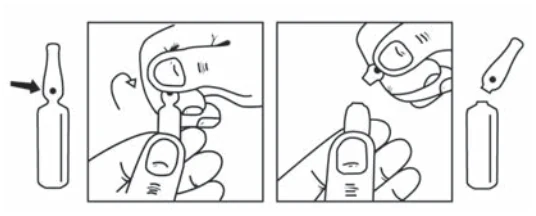 Children should be of sufficient body mass to accommodate the implantable pump for chronic infusion. Use of Baclofen in the paediatric population should be only prescribed by medical specialists with the necessary knowledge and experience. There is very limited clinical data regarding the safety and efficacy of the use of intrathecal baclofen in children under the age of four years.
Precautions in special patient populations
In patients with abnormal CSF flow the circulation of drug and hence antispastic activity may be inadequate.
Psychotic disorders, schizophrenia, confusional states or Parkinson’s disease may be exacerbated by treatment with oral baclofen. Patients suffering from these conditions should therefore be treated cautiously and kept under close surveillance.
Special attention should be given to patients known to suffer from epilepsy as seizures have occasionally been reported during overdose with, and withdrawal from, intrathecal baclofen as well as in patients maintained on therapeutic doses.
Baclofen should be used with caution in patients with a history of autonomic dysreflexia. The presence of nociceptive stimuli or abrupt withdrawal of Baclofen may precipitate an autonomic dysreflexic episode. Baclofen should be used with caution in patients with cerebrovascular or respiratory insufficiency.
An effect of Baclofen on underlying, non-CNS related diseases is unlikely because its systemic availability is substantially lower than after oral administration. Caution should be exercised in patients with history of peptic ulcers and based on observations after oral baclofen therapy, in those with pre-existing sphincter hypertonia.
Renal impairment
After oral baclofen dosing, severe neurological outcomes have been reported in patients with renal impairment. Thus, caution should be exercised while administering intrathecal baclofen in patients with renal impairment.
In rare instances elevated SGOT, alkaline phosphatase and glucose levels in the serum have been recorded when using oral Baclofen. Treatment withdrawal
Abrupt discontinuation of Baclofen, regardless of cause, manifested by increased spasticity, pruritus, paraesthesia and hypotension, has resulted in sequelae including a hyperactive state with rapid uncontrolled spasms, hyperthermia, tachycardia and symptoms consistent with neuroleptic malignant syndrome, e.g. altered mental status and muscle rigidity. In rare cases this has advanced to seizures/status epilepticus, rhabdomyolysis, coagulopathy, multiple organ failure and death. All patients receiving intrathecal baclofen therapy are potentially at risk for withdrawal.
Some clinical characteristics associated with intrathecal baclofen withdrawal may resemble autonomic dysreflexia, infection (sepsis), malignant hyperthermia, neuroleptic-malignant syndrome, or other conditions associated with a hypermetabolic state or widespread rhabdomyolysis.
Patients and caregivers should be advised of the importance of keeping scheduled refill visits and should be educated on the signs and symptoms of baclofen withdrawal particularly those seen early in the withdrawal syndrome (e.g. priapism).
In most cases, symptoms of withdrawal appeared within hours to a few days following interruption of baclofen therapy. Common reasons for abrupt interruption of intrathecal baclofen therapy included malfunction of the catheter (especially disconnection), low volume in the pump reservoir, end of pump battery life and device malfunction. Device malfunction resulting in altered drug delivery leading to withdrawal symptoms including death has been reported.
Prevention of abrupt discontinuation of intrathecal baclofen requires careful attention to programming and monitoring of the infusion system, refill scheduling and procedures, and pump alarms. The suggested treatment for intrathecal baclofen withdrawal is the restoration of intrathecal baclofen at or near the same dosage as before therapy was interrupted. However, if restoration of intrathecal delivery is delayed, treatment with GABA-ergic agonist drugs such as oral or enteral baclofen, or oral, enteral, or intravenous benzodiazepines may prevent potentially fatal sequelae. Oral or enteral baclofen alone should not be relied upon to halt the progression of intrathecal baclofen withdrawal. Scoliosis
The onset of scoliosis or worsening of a pre-existing scoliosis has been reported in patients treated with Baclofen. Signs of scoliosis should be monitored during treatment with Baclofen.
Incompatibilities
If alternative baclofen concentrations are required Baclofen may be diluted under aseptic conditions with sterile preservative-free sodium chloride for injections. The ampoules/vials should not be mixed with other solutions for injection or infusion (dextrose has proved to be incompatible due to a chemical reaction with baclofen). The compatibility of Baclofen with the components of the infusion pump (including the chemical stability of baclofen in the reservoir) and the presence of an in-line bacterial retentive filter should be confirmed with the pump manufacturer prior to use.
Shelf life
Baclofen 50 micrograms/ml solution for injection: 2 years Baclofen 0.5 mg/ml solution for infusion: 2 years
Baclofen 2 mg/ml solution for infusion: 2 years
Special precautions for storage
Keep this medicine out of the sight and reach of children. This medicinal product does not require any special storage conditions. Nature and content of container
Clear glass (type I) ampoules.
Clear glass (type I) vials with a Bromobutyl rubber stopper and grey aluminium flip off seal.
Instructions for use/handling
Baclofen is intended for intrathecal injection or continuous infusion.
- Baclofen must not be mixed with other solutions for infusion or injection
- The ampoules are for single use. Unused solution should be discarded
- After opening/dilution: Use immediately
- Use only clear and colourless solution, free from particles. For dosage, use and any other information, please see the summary of product characteristics and the package leaflet.
The medicinal product should not be administered by any route other than intrathecal. Baclofen must not be administered by the intravenous, intramuscular, subcutaneous or epidural routes.
Only pumps constructed of material known to be compatible with the product and incorporating an in-line bacterial retentive filter should be used.
The testing, implantation and dosage-titration phases of the intrathecal administration must be performed under in-patient conditions in centres with specific experience with close medical supervision by suitably qualified physicians. Intensive medical care should be immediately available owing to possible life-threatening events or serious adverse reactions. Instructions for dilution:
For patients requiring other concentrations than 50 microgram/ml, 0.5 mg/ml and 2 mg/ml, Baclofen should be diluted with sterile isotonic sodium chloride solution for injection free of conservatives. Dilution should take place under aseptic conditions. The ampoules/vials should not be mixed with other solutions for injection or infusion (dextrose has proved to be incompatible due to a chemical reaction with baclofen).
How to open the ampoules:
Place the thumb on the blue spot and snap back (break point is below the blue spot).